

Introduction
Retainers play a crucial role in maintaining your smile after orthodontic treatment. But many people ignore one important part, which is cleaning them properly. If you are searching for how to clean retainers, you are already on the right path toward better oral hygiene. Dirty retainers can collect bacteria, plaque, and bad odor. This can lead to infections and dental issues if not handled carefully. Cleaning retainers does not have to be complicated. With the right methods, you can keep them fresh, clear, and safe to use daily.
Many people think rinsing with water is enough. That is not true. Retainers require proper care and consistent cleaning routines. Whether you use them daily or occasionally, hygiene must be your priority. In this guide, you will learn simple and effective ways to clean your retainers. Each method is easy to follow and safe for regular use. You will also understand what to avoid and how to extend the life of your retainer.
What Are Retainers and Why Cleaning Matters
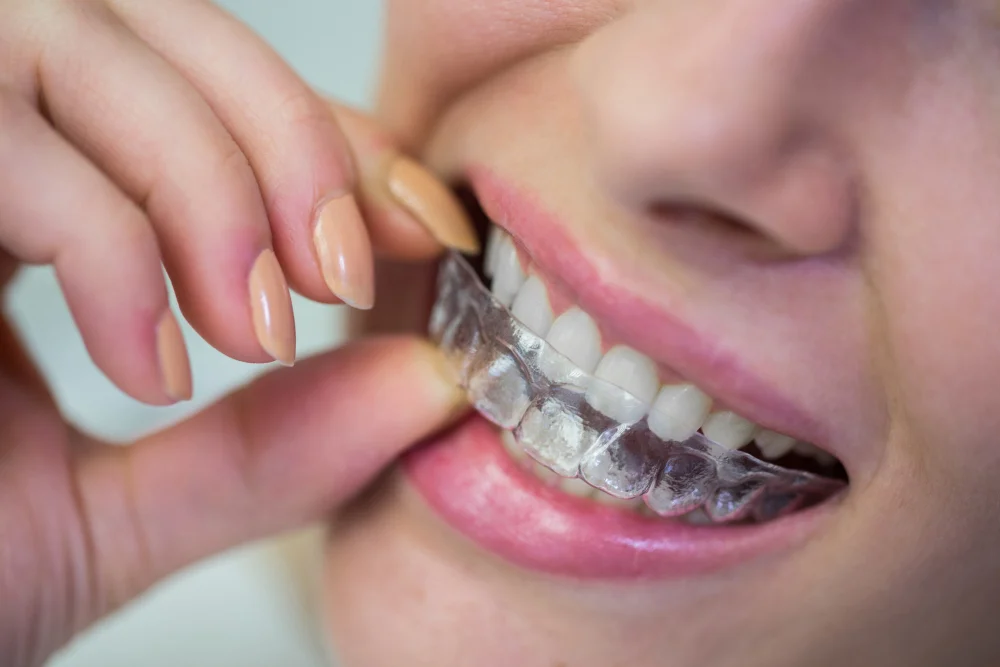
Retainers are dental devices used to keep your teeth aligned after braces or aligners. They are usually made of plastic or metal. Since they stay inside your mouth for long hours, they come in contact with saliva, bacteria, and food particles. This makes them prone to buildup if not cleaned properly. That is why learning how to clean retainers is essential for both hygiene and health.
When retainers are not cleaned, they can develop a white film. This is caused by plaque and mineral deposits. Over time, this buildup can cause bad breath and even gum problems. Some people may also experience infections due to bacteria growth. Clean retainers not only look better but also feel more comfortable. They help maintain oral freshness and prevent unwanted dental issues.
Maintaining a cleaning routine also increases the lifespan of your retainers. Instead of replacing them frequently, proper care can help you use them for a longer time.
1. Rinse Your Retainers Immediately After Removal
One of the simplest ways to keep your retainers clean is to rinse them right after removing them. This helps remove saliva and loose debris before it dries and hardens. Many people forget this step, but it is very important in maintaining cleanliness.
When you remove your retainers, rinse them under lukewarm water. Avoid using hot water because it can damage the material. Hot water may warp plastic retainers and affect their shape. Always use gentle water pressure to prevent cracks or damage.
This quick rinse reduces the buildup of bacteria and keeps your retainers fresh throughout the day. It is a basic habit that can make a big difference over time. If you follow this step consistently, you will notice less odor and fewer deposits on your retainers.
2. Use a Soft Toothbrush for Gentle Cleaning
Brushing your retainers daily is one of the most effective cleaning methods. Use a soft toothbrush to gently scrub all surfaces. This helps remove plaque and food particles that stick to the retainer.
Avoid using hard brushes because they can scratch the surface. Scratches create small spaces where bacteria can grow easily. Use light pressure and clean every corner carefully. Make sure to clean both the inside and outside surfaces.
You can use plain water or mild cleaning solutions while brushing. Avoid strong toothpaste because it can be too abrasive. Gentle cleaning keeps your retainers smooth and clear. This method is easy to include in your daily routine. It only takes a few minutes but offers great results.
3. Soak Retainers in Mild Cleaning Solution
Soaking is another effective method when learning how to clean retainers. It helps remove deep buildup that brushing alone cannot eliminate. You can soak your retainers in a mild solution for better cleaning.
Use a mixture of lukewarm water and a gentle cleaning agent. Let your retainers soak for 15 to 20 minutes. This loosens plaque and bacteria, making them easier to remove. After soaking, rinse thoroughly with clean water.
Avoid soaking in harsh chemicals. These can damage the retainer material and affect its durability. Regular soaking keeps your retainers odor-free and hygienic. It is a great addition to your weekly cleaning routine.
4. Clean Retainers Daily to Prevent Buildup
Consistency is key when it comes to retainer hygiene. Cleaning your retainers daily prevents buildup and keeps them fresh. Skipping cleaning even for a few days can lead to visible deposits.
Daily cleaning reduces the risk of bacteria growth. It also helps maintain the clarity of your retainers. Make it a habit to clean them every morning or night. Choose a time that fits your routine.
Regular cleaning also protects your oral health. It prevents bad breath and keeps your mouth feeling fresh. When you follow a daily routine, cleaning becomes easier and quicker over time.
5. Avoid Hot Water While Cleaning
Hot water can damage retainers, especially plastic ones. It can change their shape and make them unusable. This is why it is important to always use lukewarm or cold water.
Many people use hot water, thinking it kills bacteria. While it may help disinfect, it also harms the material. Warped retainers may not fit properly, which defeats their purpose.
Always check the water temperature before cleaning. Keeping this simple rule in mind can save you from costly replacements. It is a small step that ensures long-term use.
6. Keep Retainers in a Clean Case
Storing your retainers properly is as important as cleaning them. Always keep them in a clean and dry case when not in use. This protects them from dust and bacteria.
Avoid wrapping them in tissue or leaving them exposed. This increases the risk of contamination and loss. Clean your retainer case regularly to maintain hygiene.
A clean storage habit keeps your retainers safe and ready to use. It also reduces the chances of damage or infection.
7. Deep Clean Retainers Weekly
In addition to daily cleaning, deep cleaning once a week is recommended. This helps remove stubborn buildup and keeps your retainers in top condition.
You can use soaking methods or gentle cleaning solutions for deep cleaning. Make sure to rinse thoroughly afterward.
Weekly cleaning ensures long-term hygiene and improves durability. It is an essential part of retainer care.
8. Avoid Using Harsh Chemicals
Harsh chemicals can damage retainers and irritate your mouth. Avoid using strong cleaners or bleach-based solutions. These can weaken the material and cause discoloration.
Stick to gentle cleaning methods that are safe and effective. Using mild solutions protects both your retainers and your health.
9. Do Not Eat While Wearing Retainers
Eating with retainers can trap food particles and cause buildup. It also increases the risk of damage. Always remove your retainers before eating.
This simple habit reduces cleaning effort and keeps your retainers in good condition.
10. Brush Your Teeth Before Wearing Retainers
Always wear retainers on clean teeth. Brushing before wearing them prevents bacteria transfer.
This keeps both your teeth and retainers clean. It is an easy habit that supports better oral hygiene.
11. Avoid Drying Retainers in Open Air
Leaving retainers in open air can expose them to bacteria. Always store them in a clean case after drying.
Proper storage maintains hygiene and prevents contamination.
12. Replace Retainers When Needed
Even with proper care, retainers may need replacement over time. Look for signs like cracks, discoloration, or bad odor.
Replacing them ensures effective use and better hygiene.
13. Maintain a Cleaning Routine
Having a fixed cleaning routine makes maintenance easier. It helps you stay consistent and avoid buildup.
Simple habits lead to better results over time.
14. Travel with Cleaning Essentials
Carry a small cleaning kit when traveling. This helps you maintain hygiene even on the go.
Consistency should not be affected by location.
15. Follow Professional Advice
Always follow the cleaning instructions provided by your dental professional. They understand your retainer type and needs.
Proper guidance ensures safe and effective care.
Conclusion
Understanding how to clean retainers is essential for maintaining oral hygiene and extending their lifespan. Clean retainers prevent bacteria buildup, bad odor, and dental problems. Simple daily habits can make a big difference. From rinsing and brushing to soaking and proper storage, each step plays a role in keeping your retainers fresh and safe.
Consistency is the key to effective cleaning. When you follow a routine, the process becomes easy and quick. Avoid harmful practices like using hot water or harsh chemicals. Focus on gentle and regular cleaning methods.
If you are looking to improve your oral care routine further, platforms like CureAware can help you stay informed with reliable health insights and guidance.
FAQs
1. How often should I clean my retainers?
You should clean your retainers daily to prevent bacteria buildup and maintain hygiene.
2. Can I use toothpaste to clean retainers?
It is better to avoid strong toothpaste as it can be abrasive and damage the surface.
3. What is the best way to clean retainers?
Brushing with a soft toothbrush and soaking in a mild solution works effectively.
4. Can dirty retainers cause bad breath?
Yes, unclean retainers can trap bacteria and lead to unpleasant odor.
5. Is it safe to soak retainers overnight?
Short soaking is recommended. Avoid long exposure to cleaning solutions.
6. Can I clean retainers with hot water?
No, hot water can damage and warp the retainer material.
7. How do I remove white buildup on retainers?
Soaking and gentle brushing can help remove buildup effectively.
8. Should I store retainers in water?
It is better to store them in a clean, dry case when not in use.
9. Can I eat while wearing retainers?
No, always remove them before eating to prevent damage and buildup.
10. How long do retainers last?
With proper care, retainers can last for several years before needing replacement.