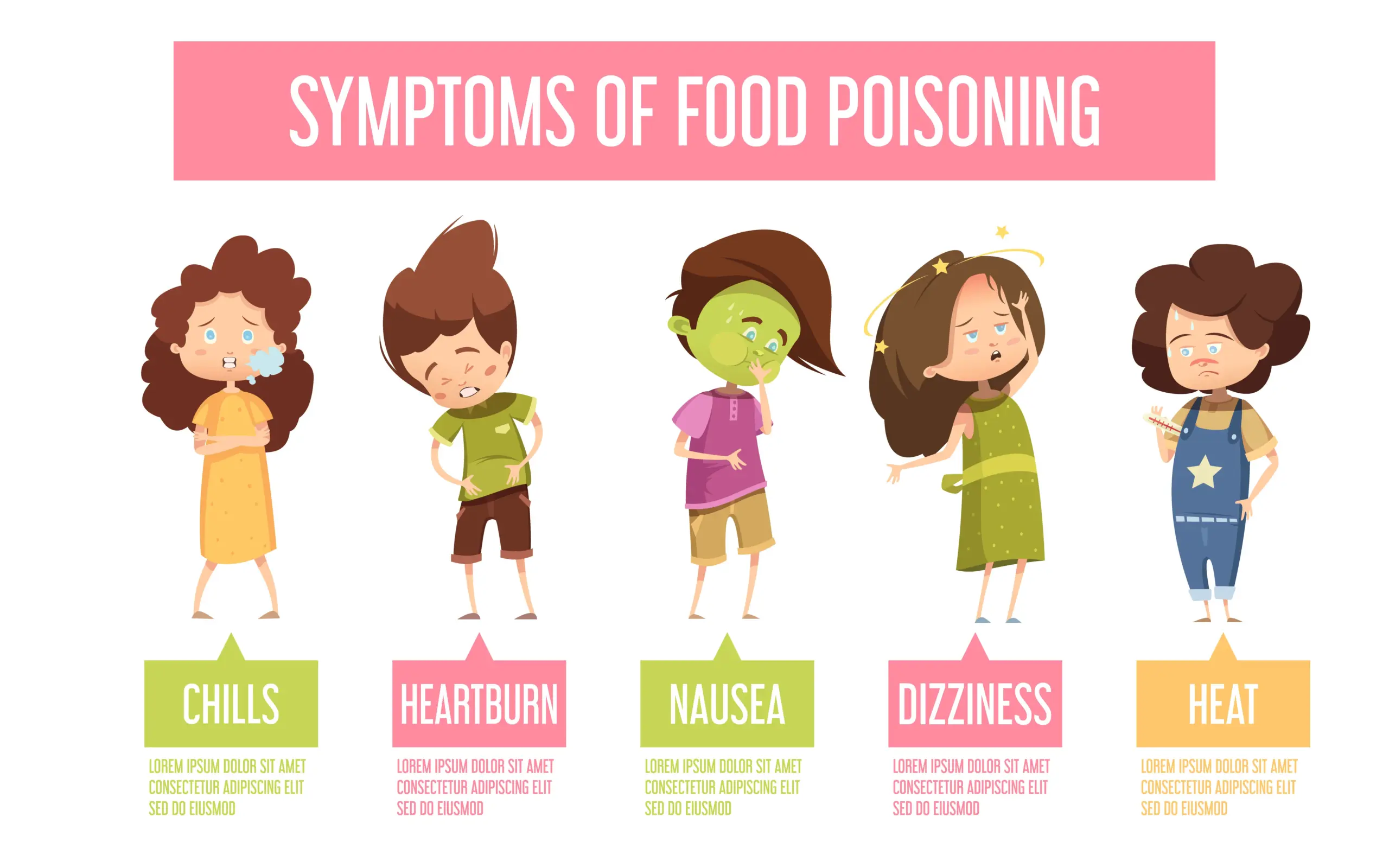






Digestive health affects how the body processes food, absorbs nutrients, and removes waste. Digestive health is essential for proper body function, and any imbalance can lead to discomfort or health issues. Many people overlook early signs of digestive discomfort, assuming they are temporary. However, persistent or unusual symptoms often indicate an underlying concern. Recognising these signs early helps in seeking timely care and prevents the condition from worsening.
Busy urban lifestyles and irregular eating habits in Mumbai often contribute to digestive issues. Many individuals delay consulting a gastroenterology specialist in Mumbai hoping the symptoms will settle on their own. This delay can make the condition more difficult to manage. Understanding which symptoms require medical attention can help in taking the right step at the right time.
- Persistent Abdominal Pain
Abdominal pain can arise due to food choices, infections, or temporary digestive issues. However, pain that continues for several days or returns frequently requires attention. It may feel sharp, dull, or cramping, and its intensity can vary.
Such discomfort may indicate inflammation, ulcers, or irritation in the digestive tract. Pain that worsens after eating or interrupts daily activities should not be ignored. Seeking medical advice helps identify the cause and start appropriate care.
- Frequent Heartburn or Acid Reflux
Heartburn may occur after heavy or spicy meals, or with irregular eating patterns, especially when meal times are inconsistent or portions are large. However, frequent episodes suggest a more persistent issue affecting the food pipe.
A burning sensation in the chest, sour taste in the mouth, or repeated regurgitation can disturb daily comfort. Continuous acid exposure may irritate the lining of the food pipe. A specialist can assess the condition and recommend suitable management to reduce discomfort.
- Changes in Bowel Habits
Regular bowel movements reflect a balanced digestive system and overall gut health, which supports proper nutrient absorption and waste elimination in the body. Sudden or ongoing changes such as constipation, diarrhoea, or irregular patterns may signal a problem.
These changes may result from infections, dietary factors, or functional conditions affecting the intestines. When bowel habits do not return to normal within a few days, it is important to seek medical evaluation. Monitoring these patterns helps in identifying the issue early.
- Blood in Stool
The presence of blood in stool always warrants prompt, careful medical attention. It may indicate underlying digestive concerns that require timely evaluation and proper diagnosis. It may appear as bright red streaks or darker stool, depending on the location of bleeding.
This symptom may occur due to conditions such as haemorrhoids or irritation within the digestive tract. In some cases, it may indicate deeper concerns. Early consultation helps identify the cause and prevent further complications.
- Unexplained Weight Loss
Unintentional weight loss without changes in diet or physical activity may indicate an underlying digestive issue affecting overall health. The body may fail to absorb nutrients properly, leading to reduced energy levels.
This change often develops gradually and may go unnoticed at first. Along with weight loss, individuals may experience weakness or fatigue. A medical assessment helps in identifying whether a digestive condition affects nutrient absorption.
- Persistent Nausea or Vomiting
Occasional nausea or vomiting may occur due to infections, food intolerance, or temporary digestive disturbances, especially after eating contaminated food or during short-term illnesses affecting the digestive system. However, symptoms that continue or repeat frequently require attention.
Persistent nausea can affect appetite and hydration. In some cases, it may relate to conditions involving the stomach, liver, or pancreas. When these symptoms persist for several days, consulting a specialist helps determine the underlying cause.
- Difficulty Swallowing
Difficulty in swallowing can make eating uncomfortable and stressful during regular meals, especially when it begins to interfere with normal eating habits and daily nutritional intake. It may feel like food gets stuck in the throat or chest.
This symptom may result from issues affecting the food pipe. Ignoring this condition can make swallowing more difficult over time. Consulting a gastroenterology specialist in Mumbai helps in identifying the cause through appropriate evaluation and tests.
When Should You See a Specialist?
Deciding when to seek medical advice can be confusing, especially when symptoms first appear mild. However, certain patterns indicate the need for professional evaluation.
You should consider consulting a specialist if you experience:
- Symptoms that continue for more than a few days without improvement.
- Recurring digestive discomfort that affects daily routine.
- Multiple symptoms appear together over time.
- Changes in bowel habits that do not return to normal.
- Unexplained weight loss or ongoing weakness.
Recognising these signs early allows for timely diagnosis and effective management of the condition.
Conclusion
Digestive symptoms such as abdominal pain, changes in bowel habits, heartburn, or difficulty swallowing should not be ignored when they persist or worsen over time. Early recognition of these signs helps in timely diagnosis and better management of underlying conditions. Seeking medical guidance at the right stage ensures appropriate care and prevents complications. Consulting a gastroenterology specialist in Mumbai can support accurate evaluation and help maintain long-term digestive health and overall well-being.