


Eye irritation can appear suddenly. One moment, your eyes feel normal. The next moment, they become red, itchy, and watery. Many people immediately think they have pink eye. Others assume it is just allergies. The problem is that both conditions can look very similar at first glance. This confusion makes it difficult to know what is actually happening. Understanding pink eye vs allergies is important for proper care. Each condition has different causes and treatments. Pink eye usually comes from infections or bacteria. Allergies occur when the immune system reacts to substances like pollen, dust, or pet dander. Because the causes are different, the treatments are also different.
Another challenge is that both conditions share some common symptoms. Redness, tearing, and irritation can happen in both cases. This overlap often leads to incorrect self-diagnosis. People may treat allergies when they actually have an infection, or worry about pink eye when it is simply an allergic reaction. Knowing the signs that separate these conditions can help you respond faster. It also prevents unnecessary medication or delayed treatment. This guide explains the major differences, symptoms, causes, and treatments. By the end, you will have a clear understanding of how to recognize pink eye vs allergic conjunctivitis and what steps to take next.
What Is Pink Eye?
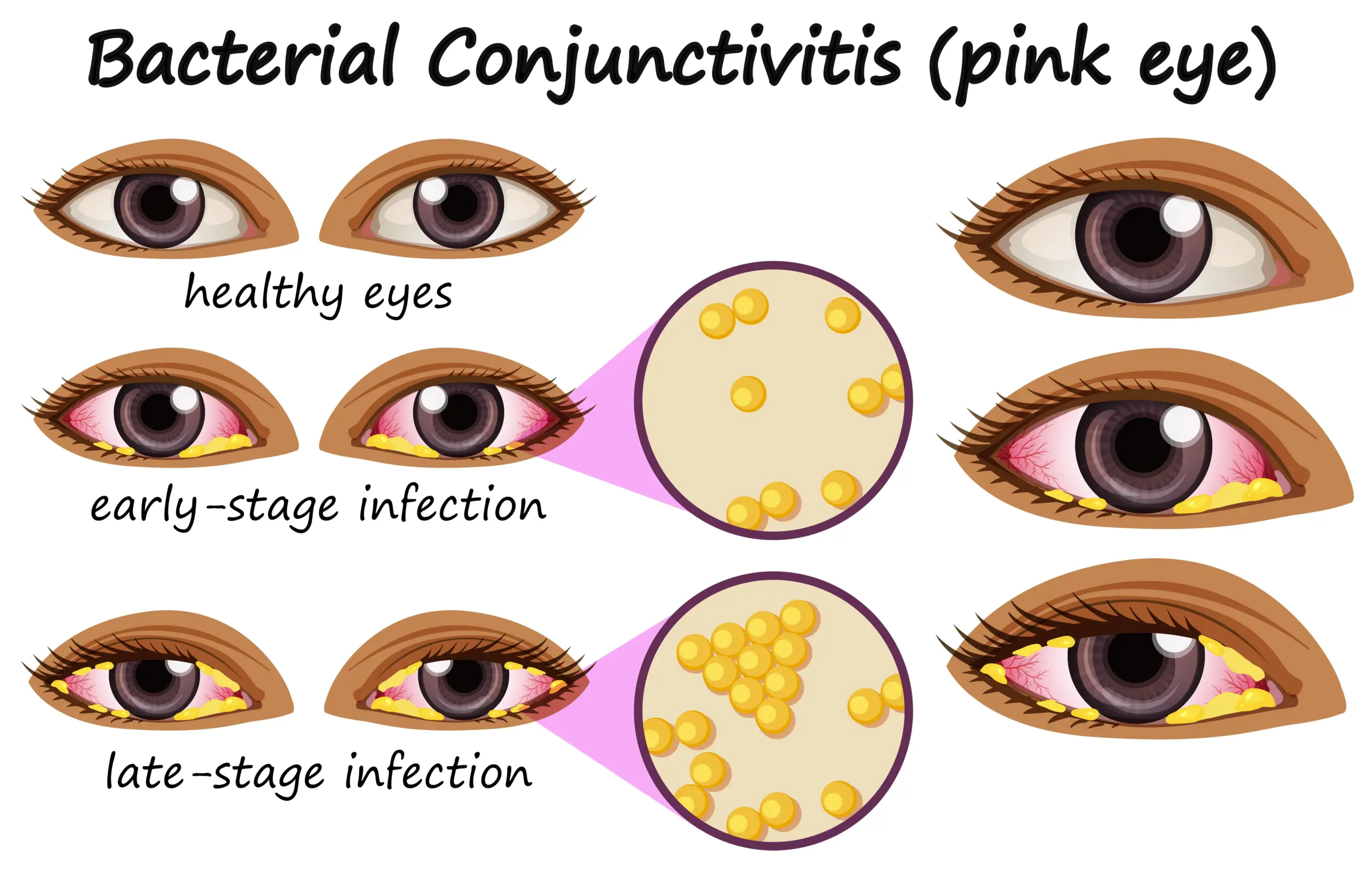
Pink eye is commonly known as conjunctivitis. It occurs when the thin membrane covering the white part of the eye becomes inflamed. This membrane is called the conjunctiva. When it becomes irritated or infected, blood vessels swell and make the eye appear pink or red. There are several types of pink eye. Viral conjunctivitis is the most common form. It often spreads easily from person to person. Bacterial conjunctivitis is another type and usually involves thicker eye discharge. There is also allergic conjunctivitis, which occurs due to allergens rather than infections.
Many people associate pink eye with a contagious illness. Viral and bacterial forms can spread quickly through contact. Touching contaminated surfaces or sharing towels can transfer the infection. This is why pink eye outbreaks sometimes occur in schools or workplaces. Symptoms of pink eye usually develop quickly. People may notice redness, swelling, and a gritty feeling in the eye. Some also experience sticky discharge that causes eyelids to stick together, especially after sleeping. In viral cases, watery discharge is more common.
Although pink eye is uncomfortable, most cases are mild and resolve with proper care. However, recognizing the cause is important. Treatment for viral conjunctivitis differs from bacterial cases. Understanding the nature of the infection helps ensure appropriate management and faster relief.
What Are Eye Allergies?
Eye allergies occur when the immune system reacts to harmless substances in the environment. These substances are known as allergens. Common examples include pollen, dust mites, mold spores, and pet dander. When the eyes come into contact with these allergens, the body releases chemicals that trigger inflammation. This condition is often called allergic conjunctivitis. Unlike infectious pink eye, it is not contagious. Instead, it results from the body’s defensive reaction to allergens. The immune system mistakenly treats these substances as threats and releases histamine to fight them.
Histamine causes several noticeable symptoms. Blood vessels in the eyes expand, which leads to redness. Nerve endings become irritated, producing itching and discomfort. The eyes may also produce extra tears in response to the irritation. Seasonal patterns are common with eye allergies. During spring and fall, pollen levels rise. People who are sensitive to pollen may experience recurring symptoms during these periods. Indoor allergens such as dust and pet hair can trigger symptoms throughout the year.
Eye allergies often occur alongside other allergic symptoms. Sneezing, nasal congestion, and a runny nose frequently accompany eye irritation. This combination can help distinguish allergies from infections. By understanding how allergic conjunctivitis develops, it becomes easier to identify whether irritation is due to allergies or another eye condition.
Pink Eye vs Allergies: Key Differences
When comparing pink eye vs allergies, several differences can help identify the cause. The first major difference involves contagion. Viral and bacterial pink eye can spread from one person to another. Eye allergies do not spread because they result from immune reactions rather than infections. Discharge is another noticeable difference. Pink eye often produces thick or sticky discharge. This discharge may cause eyelids to stick together after sleeping. In contrast, allergic reactions usually produce clear and watery tears rather than thick fluid.
Itching is one of the strongest indicators of allergies. While pink eye can cause mild irritation, severe itching is more typical of allergic conjunctivitis. People with allergies often feel the urge to rub their eyes frequently. Another distinction involves the number of eyes affected. Allergic reactions usually affect both eyes at the same time. Pink eye often begins in one eye and may spread to the other later.
Additional symptoms can also help differentiate the conditions. Eye allergies frequently occur alongside sneezing, nasal congestion, and other allergy signs. Pink eye may include swelling and sensitivity to light, but rarely includes typical allergy symptoms. Recognizing these differences can prevent confusion. By observing symptoms carefully, individuals can better determine whether they are experiencing pink eye symptoms or allergy symptoms.
Symptoms of Pink Eye
Pink eye symptoms vary depending on the type of infection. However, several common signs appear in most cases. Redness is usually the first noticeable symptom. The white part of the eye becomes pink or red because blood vessels expand due to inflammation.Discharge is another common symptom. In bacterial conjunctivitis, the discharge tends to be thick and yellow or green. This fluid may collect overnight and cause eyelids to stick together in the morning. Viral conjunctivitis usually produces watery discharge instead.
Swelling can also occur around the eyelids. Some individuals notice puffiness or mild tenderness. The eye may feel gritty, as if there is sand inside it. This sensation often causes frequent blinking or rubbing. Sensitivity to light sometimes accompanies pink eye. Bright environments may feel uncomfortable, leading people to squint or close their eyes. Mild blurred vision may also occur temporarily due to discharge or inflammation.
In many cases, pink eye begins in one eye before spreading to the other. This progression is especially common in viral infections. The infection can spread through touching the eyes after contact with contaminated surfaces. Recognizing these symptoms early helps prevent the spread of contagious conjunctivitis. Quick identification also allows appropriate treatment, reducing discomfort and shortening recovery time.
Symptoms of Eye Allergies
Eye allergy symptoms often develop rapidly after exposure to allergens. One of the most noticeable signs is intense itching. Many people describe the urge to rub their eyes constantly. This itching is a strong indicator of allergic conjunctivitis. Redness is another common symptom. The eyes may appear bloodshot due to increased blood flow in response to histamine release. Unlike pink eye infections, the redness usually affects both eyes simultaneously.
Watery eyes frequently accompany allergic reactions. Tears form as the body attempts to flush allergens from the eye surface. These tears are typically clear rather than thick or sticky. Swelling around the eyelids may also occur. Puffiness is especially noticeable in the morning or after prolonged allergen exposure. Some individuals experience mild burning or irritation along with the swelling.
Eye allergies often appear with other allergic symptoms. Sneezing, nasal congestion, and a runny nose commonly occur at the same time. This combination helps differentiate allergies from infectious conjunctivitis. Symptoms may worsen during certain seasons or environments. Outdoor allergens like pollen can trigger seasonal flare-ups. Indoor allergens such as dust and pet dander may cause year-round discomfort. Understanding these patterns helps identify whether irritation is due to allergy eye irritation rather than infection.
Causes of Pink Eye
Pink eye can develop from several different causes. Viral infections are the most common. These infections often spread through contact with respiratory droplets or contaminated surfaces. Viruses that cause colds or respiratory illnesses can also infect the eyes.Bacterial infections are another cause of conjunctivitis. Certain bacteria can enter the eye through contaminated hands, cosmetics, or contact lenses. These infections often produce thicker discharge and require targeted treatment.
Irritants can also trigger conjunctivitis symptoms. Smoke, chlorine from swimming pools, or chemical exposure may inflame the conjunctiva. In these cases, the irritation is not infectious but still causes redness and discomfort.Poor hygiene can increase the risk of pink eye infections. Touching the eyes with unwashed hands allows bacteria or viruses to enter the delicate eye tissue. Sharing personal items such as towels or makeup can also spread infection.
Contact lens wearers face a higher risk of bacterial conjunctivitis. Improper cleaning or extended wear can introduce bacteria into the eye. Removing lenses and following proper hygiene practices can reduce this risk. Understanding the causes helps individuals prevent infection and recognize early symptoms. Proper hygiene and awareness can significantly reduce the likelihood of developing infectious conjunctivitis.
Causes of Eye Allergies
Eye allergies develop when the immune system reacts to harmless environmental substances. These substances are known as allergens. When they enter the eye, the body releases histamine and other chemicals as part of its defense response. Pollen is one of the most common triggers. During spring and fall, trees, grasses, and weeds release pollen into the air. Individuals who are sensitive to pollen may experience recurring eye irritation during these seasons.
Dust mites are another frequent allergen. These microscopic organisms live in bedding, carpets, and upholstered furniture. Their waste particles can trigger allergic reactions when they come into contact with the eyes. Pet dander also contributes to allergic eye symptoms. Tiny flakes of skin shed by animals can circulate in the air and settle on surfaces. People who are allergic to animals may develop eye irritation after exposure.
Mold spores represent another potential trigger. Mold grows in damp environments and releases spores into the air. These spores can irritate the eyes and respiratory system. Environmental factors often influence the severity of symptoms. Windy weather may increase pollen exposure, while indoor conditions may concentrate dust and dander. Recognizing these triggers helps individuals manage eye allergy causes more effectively.
Treatment Options for Pink Eye
Treatment for pink eye depends on the underlying cause. Viral conjunctivitis usually resolves on its own within one to two weeks. During this period, supportive care can reduce discomfort and promote healing. Warm compresses are often recommended to soothe irritation. Applying a clean, warm cloth to closed eyelids can help relieve swelling and remove discharge. Maintaining good hygiene is also important to prevent spreading the infection.
Bacterial conjunctivitis may require antibiotic eye drops or ointments. These medications help eliminate bacteria and shorten the duration of symptoms. It is important to follow medical instructions carefully when using prescription treatments. Avoiding contact lenses during infection is essential. Wearing lenses while the eye is inflamed can worsen irritation and delay recovery. Lenses should only be used again once symptoms have completely resolved.
Hand hygiene plays a crucial role in preventing the spread. Washing hands frequently reduces the risk of transferring bacteria or viruses to others. Personal items like towels, pillowcases, and cosmetics should not be shared. Proper treatment ensures faster recovery and reduces the risk of complications. Early recognition and care help manage pink eye treatment options effectively.
Treatment Options for Eye Allergies
Managing eye allergies focuses on reducing exposure to allergens and relieving symptoms. Identifying triggers is the first step. Once triggers are known, individuals can take steps to limit contact with them. Cold compresses can provide relief from itching and swelling. Placing a cool cloth over closed eyelids helps calm inflamed tissues and reduce irritation. This simple approach can offer quick comfort during flare-ups.
Artificial tears are commonly used to rinse allergens from the eyes. These lubricating drops wash away irritants and help maintain moisture on the eye surface. Using them regularly can reduce dryness and discomfort. Avoiding rubbing the eyes is also important. Although rubbing may feel relieving temporarily, it can worsen inflammation and prolong symptoms. Keeping hands away from the eyes reduces irritation.
Indoor air quality can influence allergy symptoms. Using air filters, cleaning surfaces regularly, and washing bedding frequently can reduce exposure to dust mites and pet dander. Managing environmental triggers helps control allergic reactions. With proper care and awareness, many individuals can significantly reduce the frequency and intensity of eye allergy symptoms and treatment needs.
When to Seek Medical Advice
Most cases of pink eye or eye allergies are mild and manageable. However, certain symptoms may require professional evaluation. Severe pain in the eye is one sign that medical attention may be necessary. Eye infections typically cause irritation rather than intense pain. Vision changes are another warning sign. Blurred vision that does not improve after blinking or cleaning discharge should be examined by a healthcare professional. Sudden sensitivity to light can also indicate more serious eye conditions.
Persistent symptoms may require further evaluation. If redness or irritation lasts longer than two weeks, it may not be a simple infection or allergy. A professional assessment can help determine the underlying cause. Individuals who wear contact lenses should be particularly cautious. Eye infections in contact lens users can sometimes lead to complications if untreated. Prompt evaluation helps prevent damage to the eye surface.
Children with persistent eye symptoms should also receive proper evaluation. Young children may have difficulty explaining discomfort, making medical guidance important. Seeking timely care ensures accurate diagnosis and effective treatment. Recognizing warning signs allows individuals to protect their vision and overall eye health.
For readers looking for more information about managing eye discomfort and understanding symptoms, educational resources such as those provided by CureAware can help guide informed health decisions.
Conclusion
Eye irritation can be frustrating and uncomfortable. Redness, itching, and watery eyes often cause concern, especially when the cause is unclear. Understanding pink eye vs allergies helps remove this uncertainty. Pink eye usually results from infections or irritants. Viral and bacterial forms may spread easily between people. Eye allergies occur when the immune system reacts to environmental triggers such as pollen or dust.
Although both conditions share similar symptoms, several differences help distinguish them. Discharge type, itching intensity, and associated symptoms like sneezing can provide important clues. Observing these patterns helps determine whether irritation is due to infection or an allergic response. Proper care depends on identifying the correct cause. Viral conjunctivitis often resolves naturally with supportive care. Bacterial infections may require medication. Allergic reactions benefit from allergen avoidance and soothing treatments.
Protecting eye health involves both awareness and preventive habits. Good hygiene, environmental control, and timely medical advice can reduce the risk of complications. By learning to recognize symptoms and triggers, individuals can respond quickly and confidently. Understanding the differences between pink eye and eye allergies ensures better care, faster relief, and healthier eyes.
Frequently Asked Questions
1. How can I tell the difference between pink eye and allergies?
Pink eye often causes thick discharge and may start in one eye. Allergies usually cause itching, watery eyes, and affect both eyes.
2. Is pink eye contagious?
Viral and bacterial pink eye are contagious. Allergic conjunctivitis is not contagious.
3. Do allergies cause red eyes?
Yes. Allergies can cause redness because histamine increases blood flow to the eyes.
4. Can pink eye go away on its own?
Viral pink eye often resolves without treatment within one to two weeks.
5. Why do my eyes itch during allergy season?
Pollen and other allergens trigger histamine release, which leads to itching and inflammation.
6. Can eye allergies affect both eyes?
Yes. Allergic reactions usually affect both eyes simultaneously.
7. Should I avoid contact lenses if I have pink eye?
Yes. Contact lenses should not be worn until the infection clears.
8. What triggers eye allergies most often?
Common triggers include pollen, dust mites, mold spores, and pet dander.
9. Can rubbing my eyes make symptoms worse?
Yes. Rubbing can increase inflammation and worsen irritation.
10. When should I see a doctor for eye redness?
Seek medical care if you experience severe pain, vision changes, or symptoms lasting longer than two weeks.