


Introduction: Understanding Puke and Vomit
Puke and vomit are unpleasant experiences that almost everyone faces at some point in life. The body suddenly forces stomach contents up through the mouth. It feels uncomfortable, messy, and sometimes frightening. Yet it is actually one of the body’s natural defense systems. When harmful substances, infections, or irritation affect the stomach, the body tries to remove them quickly.
Many people confuse nausea with vomiting. Nausea is the feeling that you might throw up. Vomiting is the physical act itself. Sometimes both happen together. Other times, someone may feel nauseous for hours but never vomit. These reactions often happen after eating spoiled food, catching a stomach virus, or experiencing motion sickness. Stress and anxiety can also trigger it.
Understanding why puke and vomit happen helps reduce panic when it occurs. It also helps people know when the situation is normal and when medical help may be necessary. In this guide, we will explore common causes, warning signs, natural remedies, and prevention tips that can make this unpleasant experience easier to handle.
What Happens Inside the Body During Vomiting
Vomiting is not random. It is controlled by a special part of the brain often called the vomiting center. This area receives signals from different parts of the body. When something irritates the stomach or digestive system, the brain receives a warning signal. It then triggers a series of actions that lead to vomiting.
First, nausea begins. The stomach muscles start to contract in unusual ways. Saliva production increases. This happens because saliva helps protect the teeth and mouth from stomach acid. The body also prepares the throat and diaphragm muscles for the action of vomiting.
Next, the stomach pushes its contents upward. The diaphragm contracts strongly, while the stomach tightens. This pressure forces the stomach contents out through the mouth. The body then relaxes, often leaving the person feeling weak or tired.
Even though puke and vomit feel unpleasant, this process can actually protect the body. It helps remove harmful bacteria, toxins, or spoiled food quickly. However, repeated vomiting can cause dehydration and weakness, which is why it is important to monitor symptoms carefully.
Common Causes of Puke and Vomit
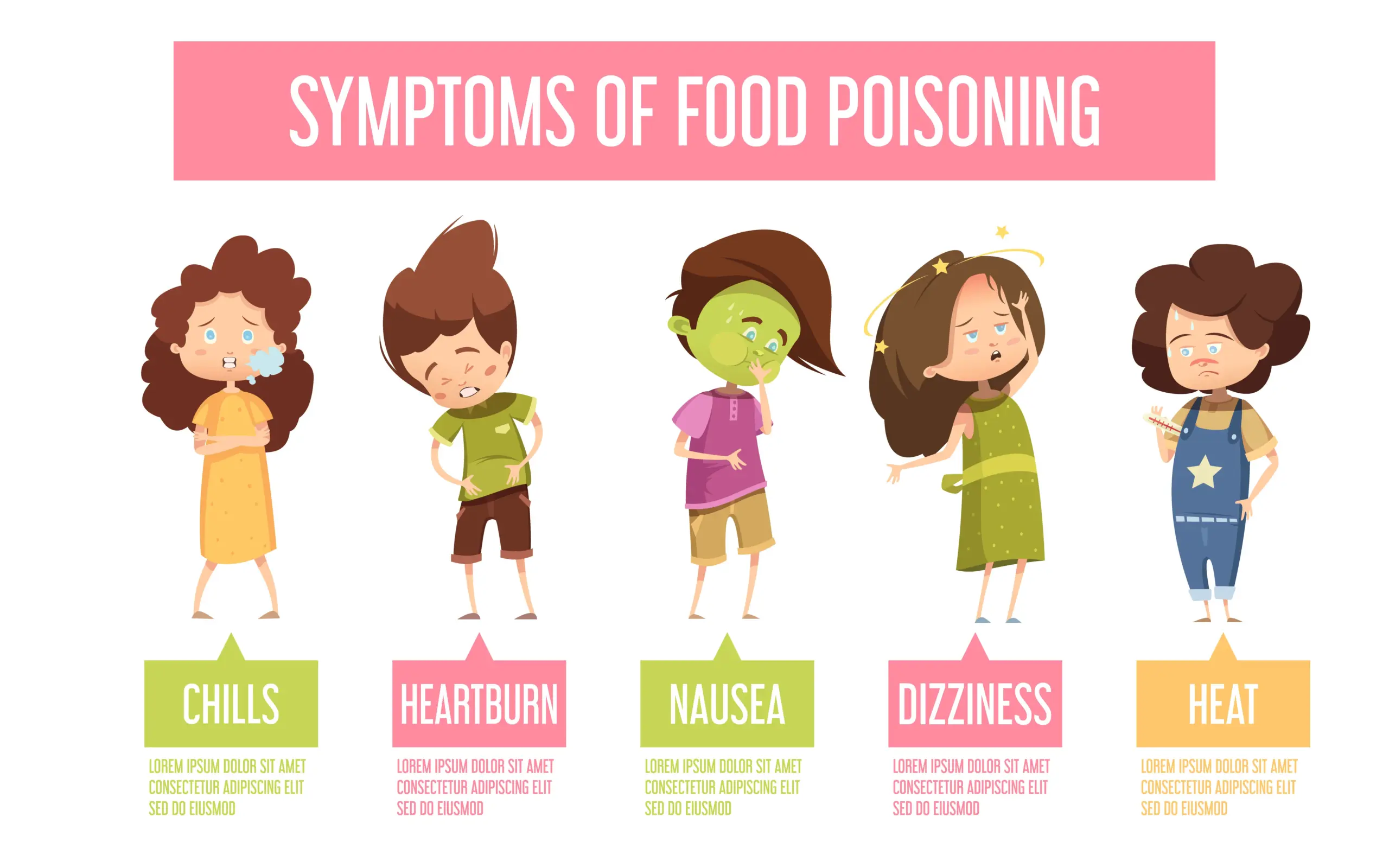
Many different conditions can trigger vomiting. Some are harmless and pass quickly, while others may require medical attention. One of the most common causes is food poisoning. When contaminated food enters the stomach, the body reacts quickly to remove it.
Stomach infections are another major cause. Viruses that affect the digestive system often cause nausea, vomiting, and diarrhea together. These infections spread easily, especially in schools, homes, and crowded places.
Motion sickness is also a frequent trigger. When the inner ear senses movement that the eyes do not see, the brain becomes confused. This confusion can lead to nausea and vomiting during car rides, flights, or boat trips.
Other causes include overeating, strong smells, alcohol consumption, migraines, and certain medications. Stress and anxiety may also upset the stomach and trigger nausea. In some cases, underlying health problems like digestive disorders can cause repeated vomiting episodes.
Understanding the cause is important because the treatment often depends on the reason behind the vomiting.
Food Poisoning and Vomiting
Food poisoning is one of the fastest ways puke and vomit can begin. It happens when someone eats food contaminated with bacteria, viruses, or toxins. The stomach quickly reacts to remove the harmful substances.
Symptoms usually appear within a few hours after eating spoiled or contaminated food. Nausea often comes first. Soon after, vomiting begins as the body attempts to clear the stomach. Diarrhea, stomach cramps, and fever may also occur.
Common sources of food poisoning include undercooked meat, raw eggs, unpasteurized dairy products, and food that has been left out too long at room temperature. Poor hygiene during cooking can also spread harmful bacteria.
Most mild cases improve within one or two days. The main treatment is rest and hydration. Drinking small amounts of water, electrolyte drinks, or clear soup helps prevent dehydration. Heavy meals should be avoided until the stomach feels stable again.
However, severe symptoms like high fever, blood in vomit, or continuous vomiting should be checked by a healthcare professional immediately.
Stomach Viruses and Infections
A stomach virus is another common reason people experience nausea and vomiting. These viruses attack the digestive system and cause inflammation in the stomach and intestines. This irritation leads to symptoms such as vomiting, diarrhea, cramps, and fatigue.
These infections spread very easily. They often pass through contaminated food, water, or surfaces. Touching an infected surface and then touching the mouth can also spread the virus.
The symptoms usually appear suddenly. A person may feel fine in the morning and begin vomiting by evening. The body tries to remove the infection quickly through vomiting and diarrhea.
Recovery usually takes one to three days. Rest is very important during this time. Drinking fluids slowly and eating bland foods like rice, toast, or bananas can help the stomach recover.
Good hygiene is the best prevention. Washing hands frequently, cleaning surfaces, and avoiding shared utensils during illness can stop the infection from spreading to others.
Vomiting Caused by Stress and Anxiety
The brain and stomach are closely connected. Emotional stress can directly affect digestion. When someone feels anxious, the body releases stress hormones. These hormones can slow digestion and irritate the stomach.
As a result, some people experience nausea or vomiting during stressful events. Exams, public speaking, travel anxiety, or emotional distress can all trigger this reaction.
In these situations, the stomach is not infected or poisoned. Instead, the body reacts to emotional pressure. Deep breathing, relaxation techniques, and calming activities can help reduce these symptoms.
Long-term stress may cause repeated nausea episodes. If this happens frequently, managing stress becomes very important. Regular exercise, good sleep, and mindfulness practices can help stabilize the body’s response.
Understanding this mind-body connection helps people realize that vomiting is not always caused by illness. Sometimes the body simply reacts to emotional overload.
Vomiting After Eating
Some people notice nausea or vomiting shortly after eating. This can happen for several reasons. Overeating is one common cause. When the stomach becomes too full, it struggles to digest the food properly.
Certain foods may also trigger vomiting. Extremely greasy, spicy, or heavy meals can irritate the stomach lining. Food allergies or intolerances may also cause nausea and vomiting after eating.
Another possible cause is acid reflux. In this condition, stomach acid moves back toward the throat, causing irritation and nausea.
Eating slowly and choosing lighter meals can help prevent this problem. Smaller portions allow the stomach to digest food more comfortably. Drinking too much liquid during meals may also increase stomach pressure, so moderation helps.
If vomiting after eating happens frequently, it may signal an underlying digestive issue. Medical advice may be necessary to identify the exact cause.
Signs of Dehydration From Vomiting
Repeated vomiting can quickly remove fluids from the body. When this happens, dehydration becomes a serious risk. The body loses not only water but also important electrolytes that keep organs functioning properly.
Early signs of dehydration include dry mouth, fatigue, dizziness, and dark urine. As dehydration worsens, symptoms may include rapid heartbeat, confusion, or severe weakness.
Children and older adults are especially vulnerable. Their bodies lose fluids faster and may struggle to recover quickly.
The best way to prevent dehydration is by drinking small sips of fluids frequently. Oral rehydration solutions, clear soups, and diluted fruit juices can help restore lost minerals.
Large drinks should be avoided because they may trigger more vomiting. Instead, slow and steady hydration allows the stomach to absorb fluids gradually.
If vomiting prevents someone from keeping fluids down for more than a day, medical care may be needed.
Home Remedies That May Help Stop Vomiting
Many mild vomiting episodes can improve with simple home remedies. Rest is one of the most important steps. Lying down with the head slightly elevated helps reduce stomach pressure.
Ginger is widely known for helping nausea. Ginger tea or small slices of fresh ginger may calm the stomach. Peppermint tea is another gentle remedy that many people find helpful.
Eating light foods also supports recovery. Plain rice, bananas, applesauce, and toast are easy for the stomach to digest. These foods provide energy without irritating the digestive system.
Cold foods sometimes work better than hot meals because they have less smell. Strong food smells can worsen nausea.
Fresh air can also make a difference. Sitting near an open window or stepping outside for a few minutes may reduce nausea symptoms.
These simple remedies often help the stomach recover naturally. However, persistent vomiting should always be monitored carefully.
When Vomiting Becomes Dangerous
Although vomiting is often harmless, some warning signs should never be ignored. Severe or continuous vomiting may indicate a more serious medical problem.
Vomiting that lasts longer than 24 hours in adults may require medical attention. In children, the time limit is usually shorter. High fever, severe stomach pain, or stiff neck are also concerning symptoms.
Blood in vomit is another serious warning sign. This may appear bright red or dark like coffee grounds. It may indicate bleeding inside the digestive tract.
Extreme dehydration, confusion, or fainting also require immediate medical care. These symptoms suggest the body is losing too many fluids.
Recognizing these warning signs early can prevent complications and ensure proper treatment.
How to Prevent Vomiting
Prevention is always better than treatment. Many vomiting episodes can be avoided by following simple habits.
Food safety is one of the most important steps. Cooking food thoroughly and storing it properly reduces the risk of food poisoning. Washing hands before meals also prevents infections.
Eating slowly and avoiding overeating can help protect the stomach. Drinking alcohol in moderation also reduces irritation.
People who experience motion sickness may benefit from sitting in stable areas during travel and focusing their eyes on the horizon.
Managing stress is another powerful prevention tool. Relaxation practices, exercise, and proper sleep help maintain digestive balance.
Small lifestyle choices can significantly reduce the chances of experiencing nausea and vomiting.
Listening to Your Body
The body often sends signals before vomiting occurs. Nausea, sweating, dizziness, and increased saliva are common warning signs.
Recognizing these early signals can help prevent a full vomiting episode. Sitting down, taking slow breaths, and drinking small sips of water may calm the stomach.
Ignoring these signals sometimes makes symptoms worse. The body communicates its needs through discomfort.
Respecting these signals helps people respond early and reduce stress during illness.
Finding Reliable Health Information
Health information online can sometimes feel overwhelming. Many websites share advice, but not all of it is reliable.
It helps to look for educational health resources that explain symptoms and solutions clearly. Platforms such as Cureaware provide general information about health concerns, including digestive symptoms, to help people understand their bodies better.
Access to accurate information allows people to make informed decisions about their health. It also helps reduce fear when common symptoms appear.
Learning about the body empowers individuals to respond calmly and wisely during health challenges.
Frequently Asked Questions
1. Why do people puke and vomit?
Vomiting happens when the body tries to remove harmful substances or respond to irritation in the stomach.
2. Is vomiting always a sign of illness?
No. Vomiting can occur from motion sickness, stress, overeating, or alcohol consumption.
3. How long does vomiting usually last?
Most mild cases improve within 24 hours.
4. What foods are safe after vomiting?
Bland foods like rice, bananas, toast, and applesauce are usually safe.
5. Can dehydration happen quickly from vomiting?
Yes. Repeated vomiting can cause dehydration, especially in children.
6. When should I see a doctor for vomiting?
Seek help if vomiting lasts more than a day or includes blood, severe pain, or high fever.
7. Can stress cause vomiting?
Yes. Emotional stress can trigger nausea and vomiting in some people.
8. Does ginger really help nausea?
Many people find ginger helpful in calming the stomach.
9. Can food poisoning cause vomiting quickly?
Yes. Symptoms often appear within a few hours after eating contaminated food.
10. How can vomiting be prevented?
Proper food hygiene, stress management, and healthy eating habits can reduce risk.
If you’d like, I can also help you with:
- SEO optimization for this blog (keyword density, NLP keywords)
- Internal linking structure
- Featured snippet optimization
- WordPress-ready formatting