


Finding a painful, raised bump on your tongue can be an alarming experience. While often referred to as a swollen taste bud, the medical term for this condition is often Transient Lingual Papillitis (TLP), also commonly known as “lie bumps.” These tiny structures on our tongue are essential for experiencing the five basic tastes, but when they become inflamed, they can transform a simple meal into a source of significant discomfort. Understanding why these bumps appear—ranging from minor irritation to underlying health conditions—is the first step toward finding relief and ensuring your oral health remains in peak condition.
1. The Anatomy of Your Tongue: Understanding Papillae
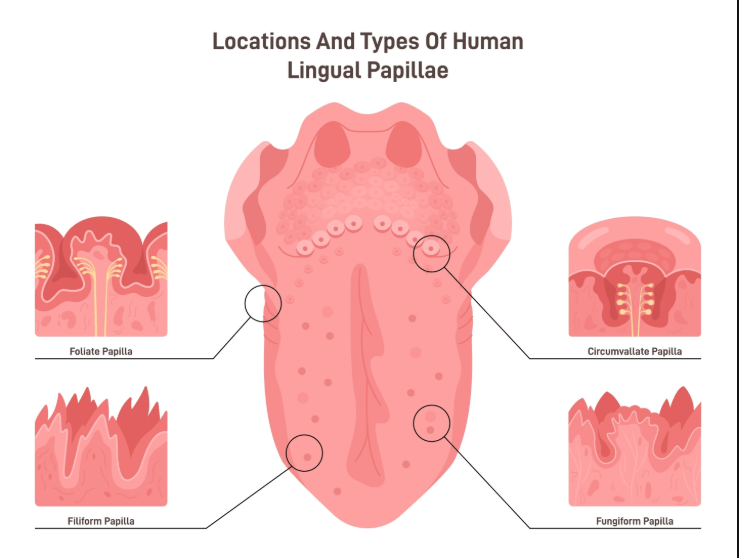
To understand why a taste bud swells, we must first look at the anatomy of the tongue. Most people use the terms “taste bud” and “papillae” interchangeably, but they are different. Papillae are the small, fleshy bumps you see on the surface of your tongue, while taste buds are microscopic structures nested within those papillae. There are four types of papillae: filiform, fungiform, foliate, and circumvallate. When we talk about a swollen taste bud, we are usually observing inflammation in the fungiform or foliate papillae, which can become red, white, or yellow when irritated.
- Filiform Papillae: The most numerous, providing texture but containing no taste buds.
- Fungiform Papillae: Mushroom-shaped bumps located on the tips and sides.
- Foliate Papillae: Located on the back edges of the tongue.
- Circumvallate Papillae: Large bumps at the very back of the tongue.
2. Common Triggers for Tongue Inflammation
Inflammation is the body’s natural response to injury or irritation. For a swollen taste bud, the trigger is often physical or chemical. Accidental trauma, such as biting your tongue while chewing or burning it on a hot cup of coffee, is the leading cause of localized swelling. Beyond physical injury, highly acidic or spicy foods can cause chemical irritation to the delicate tissue of the papillae. Stress and lack of sleep are also significant contributors, as they weaken the immune system and make the oral mucosa more susceptible to minor infections and inflammatory “lie bumps.”
- Physical Trauma: Accidental biting or aggressive tongue brushing.
- Thermal Burns: Consumption of high-temperature liquids or food.
- Chemical Irritants: Spicy, acidic (citrus/vinegar), or very salty foods.
- Psychological Factors: High cortisol levels from chronic stress.
3. The Mystery of “Lie Bumps” (Transient Lingual Papillitis)
Transient Lingual Papillitis is a common, non-contagious condition where one or more fungiform papillae become enlarged and painful. The nickname “lie bumps” comes from an old folktale suggesting they appear when someone tells a lie. In reality, medical science attributes them to local irritation or a mild viral reaction. These bumps usually appear suddenly, often on the tip of the tongue, and can be white or red. While they are annoying, they are generally harmless and resolve on their own within a few days without the need for intensive medical intervention.
- Symptoms: Sudden onset of a painful, raised bump; sensitivity to heat.
- Duration: Typically lasts between 24 hours and 3 days.
- Appearance: Usually looks like a small, pale pimple on the tongue surface.
- Demographics: Frequently seen in young women and children.
4. Nutritional Deficiencies and Oral Health
Your tongue is often a mirror of your internal health. A persistent swollen taste bud or a generally “cobblestoned” tongue appearance can signal that your body is lacking essential vitamins and minerals. B-complex vitamins, particularly B12 and Folate (B9), are crucial for cell regeneration in the mouth. Iron deficiency (anemia) can also cause the tongue to swell and the papillae to disappear, leading to a smooth, painful tongue known as glossitis. Ensuring a balanced diet is vital for maintaining the integrity of your oral tissues and preventing recurring inflammation.
| Nutrient | Role in Oral Health | Signs of Deficiency |
| Vitamin B12 | Red blood cell formation and nerve function | Bright red, swollen tongue; tingling sensation |
| Iron | Oxygen transport to tissues | Pale, smooth tongue; sores at mouth corners |
| Zinc | Immune support and taste perception | Loss of taste; slow healing of tongue bumps |
| Folic Acid | DNA synthesis and cell repair | Inflamed papillae; burning sensation |
5. Identifying Allergic Reactions and Sensitivities
Allergic Contact Stomatitis occurs when your mouth reacts to a specific substance. This can manifest as a swollen taste bud or general tongue swelling. Common culprits include ingredients in toothpastes (like Sodium Lauryl Sulfate or SLS), mouthwashes, and even certain types of chewing gum or cinnamon-flavored products. If you notice that your tongue becomes inflamed shortly after using a new dental product or eating a specific fruit (like pineapple or kiwi, which contain enzymes that break down proteins), you may be dealing with a localized allergic reaction or “Oral Allergy Syndrome.”
- SLS Sensitivity: A common foaming agent that can irritate sensitive oral lining.
- Cinnamic Aldehyde: Often found in cinnamon-flavored gums and toothpastes.
- Pineapple/Kiwi: Bromelain and actinidin enzymes can cause temporary swelling.
- Metal Allergies: Reactions to dental fillings or orthodontic appliances.
6. Infectious Causes: From Viruses to Fungi
Sometimes, the swelling isn’t just irritation—it’s an infection. The Herpes Simplex Virus (HSV-1) can cause small, painful blisters on the tongue that look like swollen papillae. Similarly, an overgrowth of Candida albicans, a fungus naturally present in the mouth, can lead to Oral Thrush. Thrush often appears as white patches that, when scraped away, reveal red, inflamed, and swollen taste buds underneath. If you have a weakened immune system, are taking antibiotics, or use steroid inhalers for asthma, you are at a higher risk for these types of infectious tongue swellings.
- Oral Thrush: White, creamy lesions that cause soreness and swelling.
- Viral Infections: Flu or cold viruses can occasionally cause systemic tongue inflammation.
- Hand, Foot, and Mouth Disease: Common in children; causes painful tongue sores.
- Bacterial Overgrowth: Poor hygiene leading to localized papillae infection.
7. When the Swelling is Chronic: Smoking and Alcohol
Chronic irritation from lifestyle habits is a major cause of long-term tongue issues. Tobacco use—whether smoking or chewing—introduces thousands of chemicals to the tongue, leading to a condition called “Smoker’s Melanosis” or chronic inflammation of the papillae. Alcohol, being a desiccant, dries out the mouth and irritates the delicate mucus membranes. This combination not only leads to a swollen taste bud but also increases the risk of Leukoplakia, which are white patches that can be a precursor to oral cancer. Reducing these habits is essential for long-term oral recovery.
- Dry Mouth: Alcohol reduces saliva flow, which is necessary to protect taste buds.
- Chemical Heat: Cigarette smoke burns and chemically irritates the tongue.
- Leukoplakia: Thickened, white patches that do not rub off.
- Oral Hygiene: Smoking promotes the buildup of plaque on the tongue surface.
8. Effective Home Remedies for Immediate Relief
Fortunately, most cases of a swollen taste bud can be managed effectively at home with simple, soothing treatments. The goal is to reduce inflammation and keep the area clean to prevent secondary infection. A warm salt water rinse is the gold standard; salt acts as a natural antiseptic and helps draw out excess fluid from the swollen papilla. Cold compresses, such as sucking on ice chips, can numb the pain and constrict blood vessels to reduce swelling quickly. Avoiding further irritation during the healing process is just as important as the treatment itself.
- Salt Water Rinse: 1/2 teaspoon of salt in 8oz of warm water, 3 times daily.
- Ice Therapy: Sucking on ice cubes or eating cold yogurt to soothe the area.
- Baking Soda Paste: A mix of baking soda and water applied to the bump to reduce acidity.
- Honey: Natural antibacterial properties can help soothe “lie bumps.”
9. Comparing Tongue Conditions: What’s Normal?
It is important to distinguish between a simple swollen taste bud and other tongue conditions that might look similar. For example, “Geographic Tongue” causes smooth, red patches with white borders that move around the tongue; it is harmless but can be sensitive. Canker sores (aphthous ulcers) are larger, crater-like sores that are much more painful than a single swollen papilla. Being able to identify these differences helps you determine if you need an over-the-counter treatment or a professional diagnosis from a dentist or doctor.
| Condition | Appearance | Pain Level | Usual Duration |
| Swollen Taste Bud | Small, red or white raised bump | Mild to Moderate | 1–3 Days |
| Canker Sore | Yellow/white center with red border | High | 7–14 Days |
| Geographic Tongue | Map-like red patches | Low/Sensitivity | Weeks (it shifts) |
| Oral Thrush | White, cottage-cheese patches | Moderate | Requires Meds |
10. When to See a Dentist or Doctor
While most tongue bumps are fleeting, some require professional attention. If a swollen taste bud does not resolve within two weeks, it is time to seek a medical opinion. You should also watch for “red flags” such as a bump that bleeds easily, a lump that feels hard or fixed, or persistent numbness in the tongue. These can occasionally be early signs of oral squamous cell carcinoma. Early detection is vital for successful treatment, so never hesitate to have a persistent or unusual tongue lesion evaluated by a professional.
- Duration: Any bump lasting longer than 14 days.
- Bleeding: Unexplained bleeding from the site of swelling.
- Systemic Symptoms: High fever or difficulty swallowing accompanying the bump.
- Texture: A bump that feels firm or “stuck” to the underlying tissue.
Take Control of Your Oral Health with CureAware
Oral health is a vital component of your overall physical well-being. At CureAware, we are dedicated to providing you with the most accurate, science-backed information to help you navigate minor ailments and major health decisions alike. Whether it’s a simple swollen taste bud or more complex nutritional advice, our goal is to empower you with the knowledge to live a healthier life.
Ready to dive deeper into your wellness? Visit CureAware today for more expert health tips and comprehensive guides!
Frequently Asked Questions (FAQs)
1. Why does my taste bud feel like a pimple?
A swollen taste bud (Transient Lingual Papillitis) often looks and feels like a pimple because the papilla has become inflamed and filled with fluid or immune cells. This happens due to local irritation, such as a minor bite or a reaction to acidic food.
2. Can stress cause a swollen taste bud?
Yes, stress is a major trigger. High levels of cortisol can weaken your mouth’s local immunity, making your tongue more susceptible to inflammation and the development of “lie bumps” or canker sores.
3. How do I get rid of a swollen taste bud overnight?
While it may not disappear entirely, you can significantly reduce swelling overnight by rinsing with warm salt water and avoiding spicy or acidic foods. Sucking on ice before bed can also help “calm” the inflammation.
4. Is a swollen taste bud a sign of oral cancer?
Usually, no. A typical swollen taste bud is small, painful, and heals within days. Oral cancer usually presents as a persistent, painless, or hard lump that doesn’t go away after two weeks and may bleed.
5. What vitamins am I lacking if my tongue is swollen?
Common deficiencies include Vitamin B12, Iron, Folate (B9), and Zinc. If your tongue is frequently swollen or sore, consider asking your doctor for a blood test to check your nutrient levels.
6. Can toothpaste cause tongue bumps?
Yes, many toothpastes contain Sodium Lauryl Sulfate (SLS), which can be an irritant for people with sensitive mouths. Switching to an SLS-free toothpaste often resolves chronic tongue irritation.
7. Why is the bump on my tongue white?
A white appearance usually means the tissue is thickened or that there is a slight accumulation of white blood cells as the body tries to heal the area. It can also occur if the tip of the papilla has been slightly cauterized by a thermal burn.
8. Does salt water really help a swollen tongue?
Absolutely. Salt water is an isotonic solution that helps reduce edema (fluid buildup) and acts as a mild antibacterial agent, keeping the irritated area clean and promoting faster healing.
9. Can I pop a swollen taste bud?
No, never try to pop or cut a swollen taste bud. This can lead to a serious infection, increased pain, and potential scarring of the tongue tissue. Let it heal naturally or see a dentist if it persists.
10. Can certain fruits cause my tongue to swell?
Yes, fruits like pineapple contain an enzyme called bromelain, which can irritate the tongue’s surface. Similarly, highly acidic fruits like lemons or oranges can cause chemical irritation to the papillae.