


Growing up with unexplained joint pain, unusual flexibility, frequent sprains, easy bruising, or symptoms that never seemed to have a clear explanation can be frustrating. Some people spend years assuming that these experiences are simply part of how their body works. For others, a pattern of symptoms may eventually raise questions about a connective tissue condition such as Ehlers-Danlos syndrome (EDS).
Ehlers-Danlos syndrome refers to a group of inherited connective tissue disorders. Connective tissue helps provide structure and support to the skin, joints, blood vessels, bones, and other parts of the body. Symptoms vary substantially by type, and having one or even several of the signs below does not mean that a person has EDS. Diagnosis requires an appropriate clinical assessment. citeturn0search0turn0search4
This guide looks at 23 signs that may have been noticeable during childhood, adolescence, or early adulthood. The goal is not to provide a self-diagnosis, but to help you recognize patterns worth discussing with a qualified healthcare professional.
What Is Ehlers-Danlos Syndrome?
Ehlers-Danlos syndrome is a group of inherited conditions involving connective tissue. Different types can affect the body in different ways. Common features can include joint hypermobility, unstable joints, stretchy or fragile skin, easy bruising, abnormal scarring, and chronic pain. Some rarer forms can affect blood vessels or internal organs and may have more serious complications. citeturn0search0turn0search4
Hypermobile EDS is characterized by generalized joint hypermobility together with other symptoms and clinical findings. Importantly, being flexible by itself does not establish an EDS diagnosis. Joint hypermobility is relatively common, and some people have symptomatic hypermobility without having EDS. citeturn0search4
23 Signs You Grew Up With Ehlers-Danlos Syndrome
1. You Were Extremely Flexible as a Child
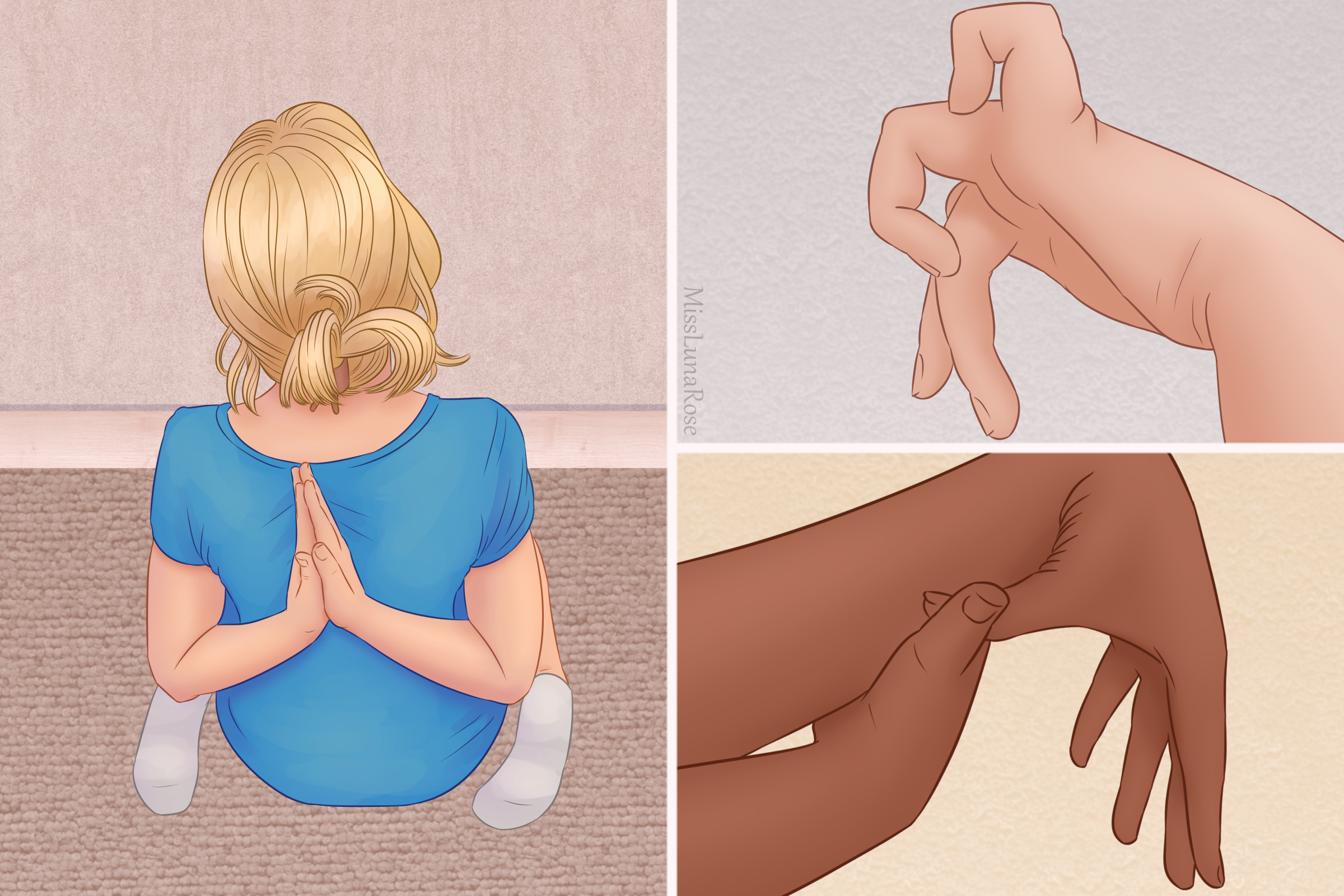
Could you bend your fingers, elbows, knees, or other joints farther than most children? You may have been described as unusually flexible or “double-jointed.” A large range of joint movement is one of the most recognizable features associated with EDS, although flexibility alone is not enough for diagnosis. citeturn0search0turn0search4
2. Your Joints Frequently Popped or Clicked
Frequent popping, clicking, or other joint noises can occur for many reasons and are common in the general population. However, if joint noises were accompanied by pain, instability, repeated injuries, or unusual mobility, they may be part of a broader pattern that deserves assessment.
3. You Sprained Your Joints Easily
Repeated ankle, wrist, knee, or other joint sprains may have seemed disproportionate to the activity that caused them. Unstable or excessively mobile joints can be more vulnerable to injury.
4. You Experienced Joint Dislocations or Subluxations
Some people with EDS experience joints that partially or completely move out of their normal position. A partial displacement is often called a subluxation, while a complete displacement is a dislocation. Recurrent instability is an important symptom to discuss with a healthcare professional. citeturn0search0turn0search1
5. You Had Persistent Joint Pain
Joint pain that started young and continued over time can be significant, particularly when there was no obvious injury. EDS can be associated with chronic joint pain, but persistent pain has many possible causes and should not automatically be attributed to a connective tissue disorder. citeturn0search1
6. You Had Frequent Unexplained Muscle Pain
Some people with symptomatic joint hypermobility experience muscle aches or fatigue because muscles may work harder to stabilize joints. Muscle pain can also have many other explanations, so the surrounding symptoms and medical history are important.
7. You Bruised More Easily Than Other People
Frequent bruising after minor bumps can be a feature of several EDS types. Skin and connective tissue abnormalities can contribute to increased bruising. However, easy bruising can also result from medications, nutritional issues, blood disorders, and other conditions. citeturn0search0turn0search1
8. Your Skin Was Unusually Soft or Velvety
Some people with EDS have skin described as unusually soft or velvety. This feature can occur alongside other connective tissue findings and may be useful information during a clinical evaluation. citeturn0search0turn0search4
9. Your Skin Stretched More Than Expected
Skin hyperextensibility means that the skin can stretch farther than typical. It is associated with several forms of EDS, although the degree and clinical significance vary by type. A clinician evaluates this finding together with other physical features rather than using it alone. citeturn0search0turn0search3
10. Cuts Took a Long Time to Heal
If minor cuts or wounds seemed slow to heal or repeatedly reopened, it may have stood out during childhood. Some forms of EDS can involve fragile skin, delayed wound healing, or abnormal scarring. citeturn0search1turn0search4
11. You Developed Unusual or Wide Scars
Abnormal scarring can occur in certain forms of EDS. Some people may notice scars that become unusually wide or thin after an injury. Not every unusual scar is related to EDS, but a history of abnormal scarring can be relevant when considered with other symptoms. citeturn0search0
12. You Had Flat Feet
Flat feet can occur for many reasons, but they are also reported among the physical findings associated with EDS. If flat feet were accompanied by joint instability, frequent sprains, foot pain, or generalized hypermobility, mention the combination during a medical evaluation. citeturn0search1
13. You Frequently Had Headaches or Neck Pain
Headaches and neck pain can have numerous causes. In someone with generalized hypermobility and other musculoskeletal symptoms, recurrent pain in the neck or head may be part of a broader pattern. Because these symptoms are nonspecific, they should be assessed rather than assumed to be caused by EDS.
14. You Felt Physically Unsteady
Some people with joint hypermobility describe a sense that their joints are unstable or difficult to control. This can show up as feeling awkward during movement, avoiding certain activities, or needing to consciously stabilize a joint.
15. You Avoided Certain Sports Because Your Body Hurt
If activities such as running, jumping, gymnastics, or other sports repeatedly caused pain or injuries, you may have adapted by avoiding them. A history of activity-related pain does not specifically diagnose EDS, but repeated injuries combined with other signs can be worth discussing with a clinician.
16. You Were Often Told You Were “Too Flexible”
Family members, teachers, coaches, or healthcare professionals may have commented on your unusual flexibility. This can be especially relevant when the flexibility was accompanied by pain, instability, dislocations, or repeated injuries.
17. You Experienced Significant Fatigue
People with hypermobile EDS may experience significant tiredness or fatigue. Fatigue is common across many medical conditions, however, so it is most useful when considered alongside other symptoms rather than treated as a specific sign by itself. citeturn0search4
18. You Had Digestive Symptoms
Some people with hypermobile EDS report digestive symptoms such as heartburn or constipation. Digestive complaints are common in the general population and have many possible causes, so they do not establish a diagnosis on their own. citeturn0search4
19. You Became Dizzy After Standing
Dizziness or an increased heart rate after standing has been reported among people with hypermobile EDS. These symptoms can also occur with dehydration, medication effects, anemia, autonomic disorders, and other conditions, so they warrant appropriate medical assessment when persistent or troublesome. citeturn0search4
20. You Had Bladder or Pelvic Floor Symptoms
Some people with hypermobile EDS experience bladder-control problems or pelvic organ prolapse. These symptoms have many other possible causes, but they can be relevant when they occur alongside generalized hypermobility and other connective tissue features. citeturn0search4
21. You Had Recurrent Joint or Back Problems Without a Clear Explanation
Repeated episodes of back pain, joint pain, or soft-tissue injuries beginning relatively early in life may form a recognizable pattern. A detailed history can help a healthcare professional determine whether the symptoms are connected or have separate causes.
22. Family Members Had Similar Joint or Skin Features
EDS is an inherited condition, and some forms can run in families. If close relatives have unusual joint flexibility, recurrent dislocations, stretchy or fragile skin, easy bruising, or other similar findings, that family history may be useful during an evaluation. Some cases can also result from genetic changes that are not inherited from a parent. citeturn0search0turn0search4
23. You Had a Long History of “Unexplained” Symptoms
Perhaps the biggest clue is not one symptom but a pattern. You may have grown up with several seemingly unrelated issues: unusual flexibility, frequent sprains, joint pain, easy bruising, fatigue, digestive symptoms, or skin differences. When multiple features occur together, documenting them and discussing the complete history with a healthcare professional can be more useful than focusing on a single symptom.
Do These 23 Signs Mean You Have Ehlers-Danlos Syndrome?
No. These signs can occur in people who do not have EDS, and EDS itself has different types with different clinical features. Joint hypermobility is relatively common, and some people with symptomatic hypermobility may instead have a hypermobility spectrum disorder or another condition. citeturn0search4
A diagnosis should be based on the appropriate clinical criteria, medical history, physical examination, and genetic testing when it is relevant to the suspected type. There is currently no single genetic test that confirms every case of hypermobile EDS. citeturn0search4
How Is Ehlers-Danlos Syndrome Diagnosed?
Evaluation generally begins with a detailed medical and family history and a physical examination. A clinician may assess joint mobility, skin characteristics, scarring, joint stability, and other relevant findings. Depending on the suspected type, genetic testing or other specialist investigations may be appropriate. citeturn0search1turn0search4
For hypermobile EDS, diagnosis is based on clinical assessment rather than a single confirmatory genetic test. This is one reason a complete symptom history can be particularly helpful.
What Should You Do If You Recognize These Signs?
If several of these signs sound familiar and they affect your daily life, consider keeping a symptom history before your appointment. Write down when symptoms started, which joints are affected, how often injuries occur, whether joints have dislocated, and whether close relatives have similar features.
Bring information about previous diagnoses, imaging, physical therapy, surgeries, recurring injuries, unusual scars, and medications if relevant. A clear timeline can help a healthcare professional see patterns that may be difficult to identify from one symptom at a time.
When Should You Seek Medical Care?
Speak with a healthcare professional if you have persistent or worsening joint pain, repeated dislocations, frequent injuries, unexplained easy bruising, significant skin fragility, or multiple symptoms that interfere with everyday activities.
Some rare forms of EDS can involve serious blood-vessel or organ complications. Sudden severe chest, abdominal, or other unusual pain, unexplained major bleeding, fainting, or other potentially serious symptoms require urgent medical evaluation rather than an online symptom checklist. citeturn0search0turn0search1
Living With Joint Hypermobility or Ehlers-Danlos Syndrome
There is no single treatment that works for every person with EDS. Care is generally tailored to the person’s symptoms and the specific type of condition. Management may involve physical therapy, strategies to protect and stabilize joints, pain management, and treatment of individual symptoms. citeturn0search1turn0search2
The goal is usually to improve function, reduce avoidable injuries, and manage symptoms rather than simply trying to eliminate flexibility. A qualified healthcare team can help determine which activities, exercises, supports, and treatments are appropriate for your situation.
Frequently Asked Questions
Can you grow up with Ehlers-Danlos syndrome without knowing it?
Yes. Some people may have symptoms for years before the underlying pattern is recognized. Symptoms can also vary significantly between people and between EDS types. citeturn0search0turn0search4
Is being double-jointed a sign of Ehlers-Danlos syndrome?
Joint hypermobility can be a feature of EDS, but being flexible or double-jointed by itself does not mean that you have the condition. A diagnosis considers additional clinical features and the overall pattern of symptoms. citeturn0search4
Can Ehlers-Danlos syndrome cause chronic pain?
Yes. Joint instability and other musculoskeletal problems can contribute to chronic pain, particularly in hypermobile forms. However, chronic pain has many possible causes and requires an individualized evaluation. citeturn0search0turn0search1
Can Ehlers-Danlos syndrome cause easy bruising?
Easy bruising is a recognized feature of several EDS types. If bruising is frequent, severe, or unexplained, it should be discussed with a healthcare professional because other conditions can also cause easy bruising. citeturn0search0turn0search1
Can Ehlers-Danlos syndrome affect children?
Yes. Depending on the type, children may show joint hypermobility, hypotonia, delayed motor development, unstable joints, stretchy or fragile skin, or other connective tissue features. The specific presentation varies widely. citeturn0search0
Is Ehlers-Danlos syndrome genetic?
EDS is a group of inherited disorders caused by genetic changes affecting connective tissue. The inheritance pattern differs by type, and some genetic changes can occur for the first time in an affected person rather than being inherited from a parent. citeturn0search0turn0search4
Can you have joint hypermobility without Ehlers-Danlos syndrome?
Yes. Joint hypermobility is common, and some people have symptoms related to hypermobility without meeting criteria for an EDS subtype. A healthcare professional can help distinguish among possible explanations. citeturn0search4
Final Thoughts
If you grew up feeling unusually flexible, frequently injured, easily bruised, or affected by unexplained joint and body symptoms, it can be helpful to look at the bigger picture. The 23 signs above are not a diagnostic checklist, but several occurring together may justify a conversation with a healthcare professional.
Most importantly, avoid trying to diagnose yourself based on flexibility alone. A proper evaluation can help determine whether your symptoms fit EDS, hypermobility spectrum disorder, another connective tissue condition, or an entirely different explanation.
Medical disclaimer: This article is for general educational purposes only and does not provide a diagnosis or replace professional medical advice. If you have severe, sudden, or worsening symptoms, seek appropriate medical care.