

Yes, eye dryness can cause blurred vision. Dry eye disease can make vision temporarily blurry or fluctuate because the tear film covering the surface of the eye helps keep the cornea smooth and optically clear. When tears are insufficient, evaporate too quickly, or do not function properly, the tear film can become unstable and affect the quality of vision.
According to the National Eye Institute, blurry vision is a recognized symptom of dry eye. The condition may also cause burning, stinging, redness, scratchiness, light sensitivity, and a gritty sensation. citeturn0search0
Can Eye Dryness Cause Blurred Vision?
Yes. Eye dryness can cause blurred or fluctuating vision, particularly when you read, use a computer or phone, watch television, or concentrate for a long time without blinking frequently. The tear film is an important part of the eye’s optical surface. When it breaks up between blinks, the surface of the cornea can become irregular, causing vision to temporarily lose clarity.
Dry-eye-related blurriness may come and go rather than remain constant. Some people notice that their vision becomes clearer after blinking several times or after using lubricating eye drops. However, persistent or significant blurred vision should not automatically be attributed to dry eye because other eye conditions can also affect vision.
Why Does Dry Eye Make Vision Blurry?
Your eyes are covered by a thin layer of tears called the tear film. This layer helps protect the ocular surface and contributes to a smooth optical surface. Dry eye occurs when the eyes do not produce enough tears, tears evaporate too quickly, or the tears do not work properly.
When the tear film becomes unstable, parts of the eye’s surface may dry between blinks. This can produce intermittent or fluctuating blur. The American Academy of Ophthalmology’s EyeWiki notes that an unhealthy tear film can lead to unstable, intermittently changing vision. citeturn0search2
What Does Dry-Eye Blurred Vision Feel Like?
People may describe dry-eye-related blurred vision in different ways. Common experiences include:
- Vision that becomes blurry and then clears after blinking
- Fluctuating clarity throughout the day
- Difficulty keeping text sharp while reading
- Blur that becomes more noticeable after prolonged screen use
- Eye fatigue or a heavy feeling around the eyes
- Temporary difficulty focusing
Blurred vision is more suggestive of dry eye when it occurs together with dryness, burning, grittiness, redness, excessive tearing, or light sensitivity.
Common Causes of Dry Eye That Can Affect Vision
Several factors can contribute to dry eye and associated blurred vision:
1. Prolonged Screen Use
When people concentrate on computers, tablets, or smartphones, they may blink less often. Reduced blinking can allow tears to evaporate more quickly and may worsen dry-eye symptoms. citeturn0search1
2. Dry, Windy, or Smoky Environments
Low humidity, wind, smoke, and air conditioning can increase tear evaporation. Spending extended periods in these environments may make dryness and intermittent blur more noticeable.
3. Contact Lens Wear
Contact lenses can contribute to dry-eye symptoms in some people. If contact lenses become uncomfortable or vision repeatedly becomes blurry while wearing them, an eye-care professional can assess the fit, wearing schedule, and health of the eye surface.
4. Aging
The likelihood of dry eye can increase with age. Hormonal changes and changes in tear production or tear-film stability can contribute to symptoms.
5. Certain Medicines and Health Conditions
Some medicines used for allergies, colds, depression, high blood pressure, and other conditions can contribute to dry eye. Certain health conditions, including thyroid disorders and autoimmune diseases, may also be associated with dry-eye symptoms. citeturn0search1
6. Eye Surgery
Dry-eye symptoms can occur after some forms of laser eye surgery. If you develop persistent dryness or blurred vision after an eye procedure, contact your eye-care professional for evaluation.
How to Relieve Blurred Vision Caused by Dry Eyes
Treatment depends on the cause and severity of dry eye. For mild symptoms, an eye-care professional may recommend lifestyle measures and lubricating eye drops.
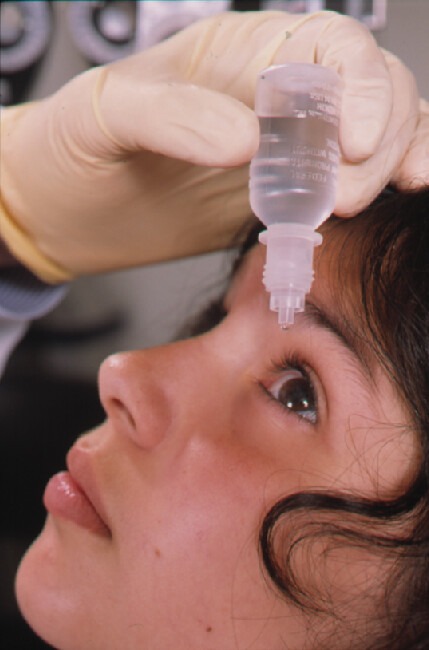
Use Artificial Tears
Over-the-counter artificial tears can help replace or supplement the eye’s natural tears. If you need drops frequently, ask an eye-care professional whether preservative-free artificial tears are appropriate for you. The American Academy of Ophthalmology notes that preservative-free tears may be preferable for people who use artificial tears frequently or who are sensitive to preservatives. citeturn0search25
Take Breaks From Screens
During extended computer or phone use, take regular breaks and consciously blink more often. Reducing uninterrupted screen time may help limit tear-film disruption.
Improve Indoor Humidity
A humidifier may help when indoor air is very dry. Avoid directing fans or air-conditioning vents toward your face when possible.
Protect Your Eyes Outdoors
Wraparound sunglasses can help reduce exposure to wind and environmental conditions that increase tear evaporation.
Follow Your Eye Doctor’s Treatment Plan
Moderate or severe dry eye may require prescription treatment or other therapies. Depending on the underlying cause, an eye doctor may recommend prescription eye drops, gels or ointments, tear-conserving treatments, or procedures such as punctal plugs. citeturn0search0turn0search25
How Is Dry Eye Diagnosed?
An eye doctor can evaluate the eye surface and tear film and determine whether dry eye is contributing to your symptoms. Testing may include a slit-lamp examination, a Schirmer test to assess tear production, and tear break-up time testing to evaluate how long the tear film remains stable after blinking. citeturn0search3
A proper eye examination is important because blurred vision can have many causes. Dry eye should not be assumed to be the reason for new or persistent vision changes without an appropriate evaluation.
When Should You See an Eye Doctor for Blurred Vision?
Make an appointment with an eye-care professional if blurred vision is persistent, recurrent, worsening, or interfering with reading, driving, work, or other daily activities. An evaluation is especially important if you also have significant eye discomfort or changes in vision.
Seek prompt medical attention for sudden or severe changes in vision, intense eye pain, or a very red and watery eye. These symptoms can indicate an eye problem that requires urgent assessment and should not simply be blamed on dry eye. citeturn0search4
Can Dry Eye Cause Permanent Blurred Vision?
Dry eye commonly causes temporary or fluctuating blurred vision. Severe, untreated dry eye can damage the corneal surface in some cases, so persistent symptoms should be evaluated and treated. The National Eye Institute notes that severe dry eye can sometimes damage the cornea. citeturn0search0
Permanent vision loss from dry eye itself is uncommon, but untreated ocular-surface disease can become more serious. More importantly, persistent blurred vision may be caused by another eye condition, which is why an eye examination is important when symptoms do not improve.
Can Eye Drops Help Blurry Vision From Dry Eyes?
Lubricating artificial tears may improve blur when dryness and tear-film instability are the cause. However, not every type of eye drop is appropriate for every person. Avoid relying on redness-relief drops as a treatment for chronic dry eye unless an eye-care professional recommends them.
If symptoms continue despite over-the-counter artificial tears, an eye doctor can determine whether you have a more significant form of dry eye or another condition requiring different treatment.
Frequently Asked Questions About Dry Eye and Blurred Vision
1. Can eye dryness cause blurred vision?
Yes. Dry eye can make vision blurry or fluctuate because an unstable tear film can interfere with the smooth optical surface of the cornea.
2. Why is my vision blurry when my eyes feel dry?
Dryness can destabilize the tear film between blinks. Because the tear film contributes to clear vision, this instability can temporarily reduce visual clarity.
3. Can dry eyes cause blurry vision that comes and goes?
Yes. Intermittent or fluctuating blur is common with tear-film instability, and vision may briefly improve after blinking or lubricating the eye.
4. Can screen time cause dry eyes and blurred vision?
Yes. Prolonged screen use can reduce blinking, which may increase tear evaporation and contribute to dry-eye symptoms and fluctuating vision.
5. Will artificial tears improve blurry vision?
They may improve blurred vision when dry eye is the underlying cause. If blur continues despite lubrication, an eye examination is recommended.
6. Can dry eye affect one eye more than the other?
Yes. Dry-eye symptoms do not always affect both eyes equally. However, persistent one-sided vision changes should be evaluated rather than automatically attributed to dryness.
7. How long does blurry vision from dry eyes last?
It varies. Some people experience brief episodes that improve after blinking or using artificial tears, while chronic dry eye can cause recurring symptoms. Persistent blur deserves an eye examination.
8. Can contact lenses make dry-eye blurred vision worse?
They can contribute to dryness or discomfort in some people. If your vision becomes blurry or your lenses become uncomfortable, stop wearing them as advised by your eye-care professional and seek evaluation if symptoms persist.
9. When is blurred vision not likely to be just dry eye?
Sudden, severe, persistent, or progressively worsening vision changes should not be assumed to be dry eye. Pain, marked redness, or other acute symptoms also warrant prompt professional assessment.
10. Should I see an eye doctor for dry eyes and blurred vision?
Yes, especially if symptoms are persistent, recurrent, worsening, or interfering with daily activities. An eye doctor can check for dry eye and rule out other causes of blurred vision.
Key Takeaway
Eye dryness can cause blurred vision, and the blur may fluctuate throughout the day. An unstable tear film can temporarily interfere with the eye’s optical surface, particularly during prolonged reading or screen use. Artificial tears, regular blinking, environmental changes, and appropriate medical treatment can help manage dry-eye symptoms. If blurred vision is persistent, severe, sudden, or accompanied by pain or significant redness, seek professional eye care promptly.
Medical information on CureAware is for educational purposes only and is not a substitute for an examination or individualized advice from a qualified eye-care professional.
Sources: National Eye Institute – Dry Eye; American Academy of Ophthalmology EyeWiki – Dry Eye Syndrome.