Sauna wellness is about using heat as part of a balanced approach to relaxation, recovery, and healthy lifestyle habits—not as a replacement for medical care, exercise, sleep, or nutrition. Regular sauna bathing can be a calming self-care routine, and research suggests that sauna use may support several aspects of physical and mental well-being when practiced safely.
If you are new to sauna bathing, this guide explains the potential sauna wellness benefits, different sauna options, hydration and safety tips, and practical ways to build a sensible routine.
What Is Sauna Wellness?
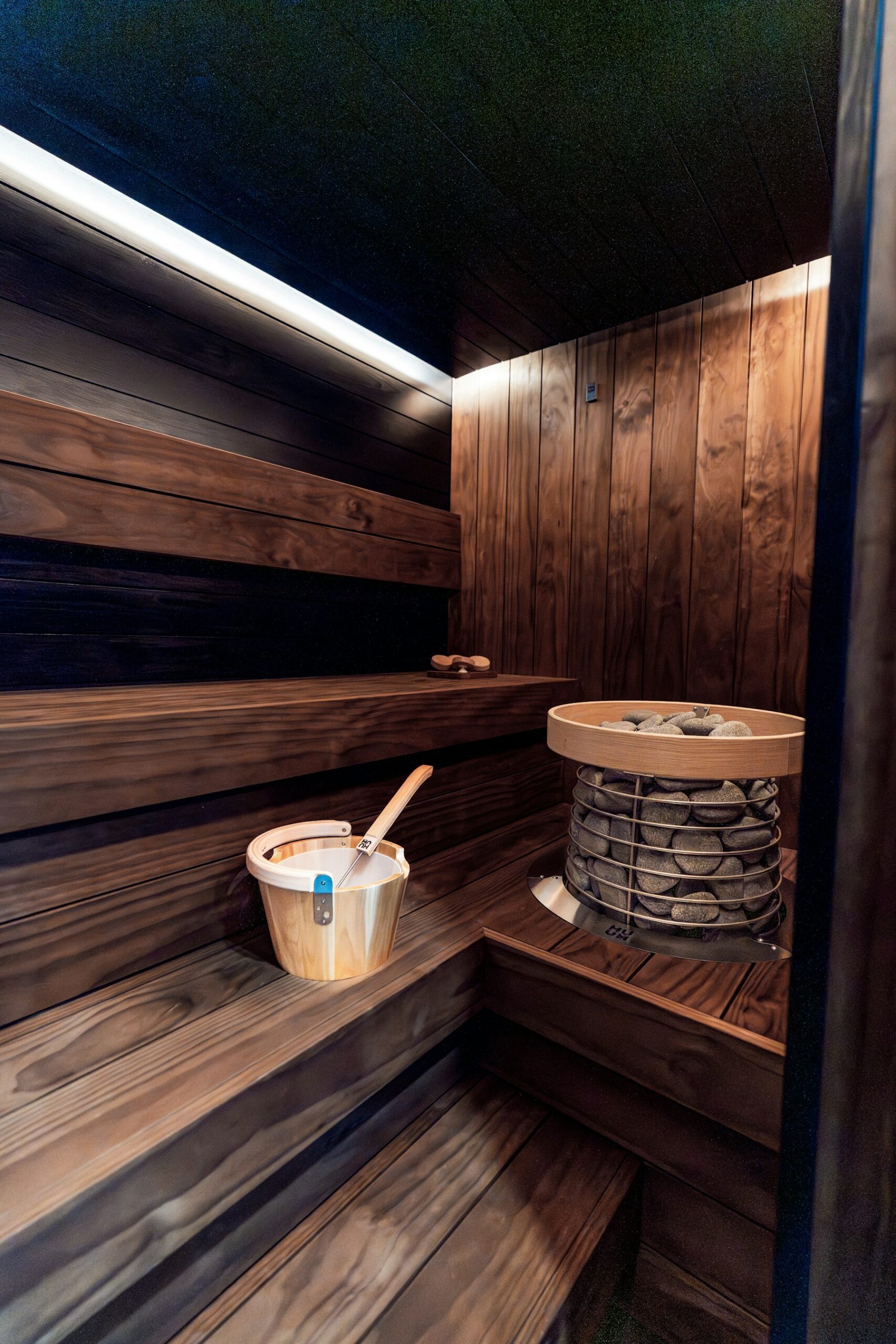
Sauna wellness refers to using sauna bathing as one component of an overall wellness routine. A sauna exposes the body to heat, which increases sweating and raises heart rate. The experience can also provide a quiet period away from daily distractions, making it useful for relaxation and recovery.
Sauna use has been studied for potential effects on cardiovascular health, stress, muscle soreness, sleep, and other areas. However, the strength of evidence varies by outcome, sauna type, and individual health status. Sauna bathing should therefore be viewed as a wellness practice rather than a treatment for a medical condition.
For additional background, see CureAware’s guide to what a sauna bath is and its potential benefits.
Potential Sauna Wellness Benefits
1. Relaxation and Stress Management
One of the most practical benefits of sauna bathing is the opportunity to slow down and relax. The warm environment may help you feel calmer after a busy day, while the quiet setting can encourage mindfulness and rest. Some clinical sources also report an association between sauna use and improvements in stress, anxiety, or sleep, although more research is needed for many specific claims.
2. Cardiovascular Response
Heat exposure causes the heart rate to rise and changes blood flow in response to the increased temperature. Research has linked sauna bathing with cardiovascular effects and possible heart-health benefits, particularly among people who use saunas regularly. These findings do not mean that sauna use replaces exercise or treatment for high blood pressure or heart disease.
The Cleveland Clinic’s overview of sauna benefits notes that sauna heat can produce physiological responses similar to some aspects of moderate exercise, while emphasizing the need for appropriate precautions.
3. Muscle Relaxation and Recovery
Heat can feel soothing when muscles are tired or stiff. For some people, a sauna session after physical activity may be a relaxing part of recovery. The perceived benefit may come from warmth, increased circulation, and simply allowing the body to rest. Sauna bathing should not be used immediately to treat an acute injury or severe pain without appropriate medical advice.
4. Sleep and Evening Relaxation
A relaxing sauna routine may complement good sleep habits. Some research has associated sauna use with better sleep, potentially because relaxation and the body’s response to heat can support the transition toward rest. If you use a sauna in the evening, leave enough time afterward to cool down, hydrate, and follow your normal bedtime routine.
5. A Dedicated Self-Care Routine
Wellness is not only about measurable physical outcomes. Creating regular time for relaxation can make healthy habits easier to maintain. A short, comfortable sauna session can become part of a broader routine that includes hydration, movement, nutritious food, stress management, and adequate sleep.
Traditional Sauna vs. Infrared Sauna
Traditional and infrared saunas both create a heated environment, but they do so differently.
- Traditional sauna: Heats the surrounding air, which then warms the body. Traditional Finnish-style saunas are commonly associated with higher temperatures and relatively low humidity.
- Infrared sauna: Uses infrared energy to heat the body more directly and generally operates at a lower ambient temperature than a traditional sauna.
The Mayo Clinic’s guidance on infrared saunas explains that infrared saunas can produce sweating and increased heart rate at lower temperatures, while also noting that larger and more rigorous studies are needed to confirm many proposed health benefits.
How to Use a Sauna Safely
Good sauna safety practices are more important than trying to stay in the heat for as long as possible. If you are new to sauna bathing, start with a short session and pay attention to how you feel.
Stay Hydrated
Sauna sessions cause sweating, which means your body loses fluid. Drink water before and after sauna use, and consider your individual hydration needs, especially if you have exercised or spent time in a hot environment.
Start Slowly
Beginners do not need long sessions. Cleveland Clinic guidance suggests starting with a short period and gradually increasing exposure based on comfort. There is no wellness benefit to forcing yourself to remain in a sauna when you feel uncomfortable.
Listen to Your Body
Leave the sauna if you feel dizzy, weak, nauseated, unusually short of breath, confused, or otherwise unwell. Heat-related symptoms should not be ignored.
Avoid Alcohol Around Sauna Sessions
Alcohol can increase dehydration and may impair judgment. Combining alcohol with significant heat exposure can increase safety risks, so it is best to avoid using a sauna while drinking alcohol.
Who Should Ask a Healthcare Professional Before Using a Sauna?
Sauna bathing is not appropriate for everyone. Talk with a healthcare professional before starting a sauna routine if you are pregnant, have a significant heart or blood-pressure condition, have certain neurological conditions, take medications that affect hydration or blood pressure, or have another medical concern that could make heat exposure risky.
Older adults and people with chronic health conditions may also need individualized advice. If you have recently experienced a serious cardiovascular event or are recovering from illness, ask your healthcare professional before using a sauna.
Does Sauna Use Help With Weight Loss or Detox?
Sauna sweating can cause a temporary drop in body weight because the body loses water. This is not the same as losing body fat. Once you rehydrate, that temporary water loss is generally restored.
Sauna use also should not be promoted as a substitute for the body’s normal detoxification systems. The liver and kidneys perform most of the body’s waste-processing and elimination functions. Sweating is primarily a temperature-regulation mechanism.
For this reason, a healthy sauna routine should focus on relaxation, recovery, and overall wellness rather than promises of rapid fat loss or “detoxification.”
How to Build a Simple Sauna Wellness Routine
- Hydrate: Drink water before and after the session.
- Start short: Begin with a comfortable, brief session if you are new to sauna use.
- Relax: Use the time for quiet breathing, mindfulness, or simply resting.
- Cool down: Allow your body to return toward its normal temperature gradually.
- Rehydrate: Replace fluids lost through sweating.
- Track how you feel: If you consistently experience dizziness, headaches, nausea, or unusual fatigue, stop and seek appropriate advice.
Sauna Wellness: Key Takeaways
- Sauna bathing can be a useful addition to a balanced wellness routine.
- Potential benefits include relaxation, stress management, muscle comfort, and cardiovascular responses.
- Research supports some promising associations, but not every claimed sauna benefit is firmly established.
- Infrared and traditional saunas use different methods of delivering heat.
- Hydration, gradual exposure, and listening to your body are essential sauna safety practices.
- Sauna sweating does not equal meaningful fat loss, and sauna use should not be treated as a detox cure.
- People with certain health conditions should ask a healthcare professional before using a sauna.
Frequently Asked Questions About Sauna Wellness
Is sauna wellness good for everyone?
No. Many healthy adults can use saunas safely when they follow sensible precautions, but certain medical conditions, medications, pregnancy, and recent serious illness may require professional guidance.
How long should you stay in a sauna?
There is no single ideal duration for everyone. Beginners should start with a short session and increase only if they remain comfortable. Leave immediately if you feel unwell.
Should you drink water before a sauna?
Yes. Starting a sauna session well hydrated and replacing fluids afterward can help reduce the risk of dehydration.
Can sauna use replace exercise?
No. Although sauna heat can increase heart rate and create some physiological responses associated with exercise, sauna bathing does not provide the same benefits as physical activity.
Can sauna use burn body fat?
Sauna use can reduce water weight temporarily through sweating, but that should not be confused with meaningful fat loss.
Is an infrared sauna safer than a traditional sauna?
Infrared saunas operate at lower ambient temperatures, which some people may find more comfortable. However, lower temperature does not automatically mean risk-free. Safe use still requires hydration, reasonable session lengths, and attention to individual health needs.
Final Thoughts
Sauna wellness works best when it is approached as one small part of a healthy lifestyle. A comfortable sauna session can provide time for relaxation and may offer additional wellness benefits, but it should complement—not replace—regular physical activity, good nutrition, sufficient sleep, hydration, and appropriate medical care.
Health information disclaimer: This article is for general educational purposes and is not a substitute for professional medical advice, diagnosis, or treatment. If you have a medical condition or are unsure whether sauna use is appropriate for you, speak with a qualified healthcare professional.