
High blood pressure (hypertension) is one of the most common health conditions worldwide. It often develops without obvious warning signs, which is why regular blood pressure checks are important. If blood pressure remains high over time, it can increase the risk of serious problems involving the heart, brain, kidneys, and other organs.
This guide explains high blood pressure symptoms, causes, risk factors, diagnosis, treatment, and prevention in straightforward language. It is intended for health education and does not replace advice from a qualified healthcare professional.
What Is High Blood Pressure?
Blood pressure is the force of blood pushing against the walls of your arteries as the heart pumps. A blood pressure reading has two numbers: systolic pressure, the upper number, and diastolic pressure, the lower number.
For adults, a healthcare professional interprets blood pressure readings using established clinical guidelines and the person’s overall health. A single elevated reading does not necessarily mean someone has hypertension. Repeated measurements, proper technique, and clinical assessment are important for diagnosis.
What Are the Symptoms of High Blood Pressure?
High blood pressure often has no noticeable symptoms. Many people can have elevated blood pressure for years without knowing it. This is sometimes why hypertension is called a “silent” condition.
When blood pressure becomes severely elevated, some people may experience symptoms such as:
- Severe headache
- Shortness of breath
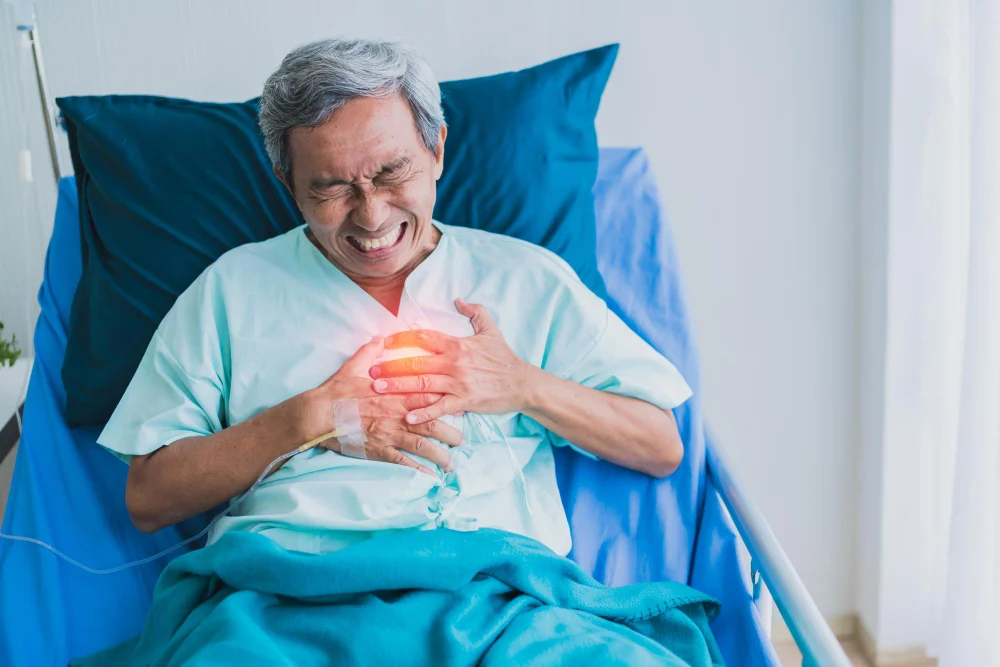
- Chest pain
- Vision changes
- Confusion or unusual weakness
- Neurological symptoms such as difficulty speaking
These symptoms can have many causes and should not be used to diagnose hypertension on their own.
When Is High Blood Pressure an Emergency?
Very high blood pressure accompanied by concerning symptoms can require urgent medical attention. If you have a markedly high reading and symptoms such as chest pain, severe shortness of breath, severe headache, confusion, fainting, weakness or numbness, vision loss, or difficulty speaking, seek emergency medical care rather than trying to manage the situation at home.
What Causes High Blood Pressure?
In many adults, there is no single identifiable cause. This is commonly called primary or essential hypertension. Blood pressure can be influenced by genetics, age, diet, physical activity, body weight, sleep, stress, alcohol use, tobacco exposure, and certain medications or health conditions.
Secondary hypertension occurs when another condition or medication contributes to high blood pressure. Possible contributors include kidney disease, certain hormonal disorders, sleep apnea, and some prescription or over-the-counter medicines.
Risk Factors for High Blood Pressure
Several factors can increase the likelihood of developing hypertension:
- Increasing age
- Family history of high blood pressure
- High-sodium dietary patterns
- Low physical activity
- Overweight or obesity
- Smoking or tobacco exposure
- Regular heavy alcohol use
- Long-term stress
- Sleep problems, including sleep apnea
- Diabetes, kidney disease, or other chronic conditions
How Is High Blood Pressure Diagnosed?
Blood pressure is measured with a cuff around the upper arm. For more reliable readings, sit quietly before measurement, keep your back supported, place your feet on the floor, support your arm at heart level, and avoid talking during the measurement.
A healthcare professional may recommend several readings over different days or use home or ambulatory monitoring before confirming a diagnosis. If your readings are repeatedly above the recommended range, discuss them with a healthcare professional.
How to Lower High Blood Pressure
Treatment depends on the blood pressure level, overall cardiovascular risk, other medical conditions, and individual circumstances. Common approaches include lifestyle changes, medication, or a combination of both.
1. Follow a Heart-Healthy Eating Pattern
Eating more vegetables, fruits, whole grains, beans, nuts, and other minimally processed foods can support cardiovascular health. Limiting excess sodium and highly processed foods may also help manage blood pressure.
2. Stay Physically Active
Regular physical activity can support healthy blood pressure and cardiovascular fitness. Adults should discuss an appropriate activity plan with a healthcare professional if they have health conditions or have been inactive for a long time.
3. Maintain a Healthy Weight
If you have overweight or obesity, gradual weight loss may help improve blood pressure and reduce cardiovascular risk. A sustainable eating and activity plan is generally more useful than rapid or extreme dieting.
4. Avoid Tobacco
Smoking and other tobacco exposure can damage blood vessels and increase cardiovascular risk. Quitting tobacco is an important part of protecting heart and blood-vessel health.
5. Limit Alcohol
Excessive alcohol intake can raise blood pressure. If you drink alcohol, staying within recommended limits can help reduce health risks.
6. Take Prescribed Medication as Directed
Some people need medication to control hypertension. Common classes include ACE inhibitors, angiotensin receptor blockers, calcium channel blockers, and diuretics. The right medication depends on the individual. Do not start, stop, or change blood pressure medicine without speaking with your healthcare professional.
Can High Blood Pressure Be Prevented?
Not every case can be prevented, particularly when genetics or other medical conditions play a role. However, healthy lifestyle habits can reduce risk and help maintain healthier blood pressure. Regular screening is also important because hypertension may not cause symptoms.
High Blood Pressure and Long-Term Health
When hypertension is uncontrolled over time, it can contribute to damage affecting the cardiovascular system and other organs. Potential complications include heart disease, stroke, kidney problems, and vision-related complications. Controlling blood pressure is therefore an important part of long-term health management.
Frequently Asked Questions About High Blood Pressure
1. What are the first signs of high blood pressure?
There may be no first signs. High blood pressure frequently causes no noticeable symptoms, so measurement is the most reliable way to identify it.
2. Can high blood pressure go away on its own?
A temporary elevation can sometimes return to a lower level, but persistent hypertension should not be assumed to resolve without evaluation. Lifestyle changes and, when needed, treatment can help control it.
3. What is considered high blood pressure?
The definition and treatment thresholds can vary by guideline and individual risk. Rather than relying on one number, repeated measurements should be interpreted with a healthcare professional.
4. Can stress cause high blood pressure?
Stress can temporarily raise blood pressure, and chronic stress may contribute to unhealthy behaviors or other factors associated with cardiovascular risk. Persistent high readings still require proper evaluation.
5. Does high blood pressure cause headaches?
Usually, hypertension does not cause noticeable symptoms. Severe blood pressure elevation can occur with symptoms such as headache, but a headache alone does not establish that blood pressure is high.
6. Can drinking water lower blood pressure?
Staying adequately hydrated is important for general health, but drinking extra water is not a treatment for chronic hypertension. People with certain heart or kidney conditions may have specific fluid recommendations.
7. What foods should people with high blood pressure eat?
A heart-healthy pattern emphasizing vegetables, fruits, whole grains, legumes, nuts, and minimally processed foods can support blood pressure management. Reducing excess sodium is also commonly recommended.
8. Should I check my blood pressure at home?
Home monitoring can provide useful information, especially when recommended by a healthcare professional. Use a validated upper-arm monitor and follow proper measurement technique.
9. Can young adults have high blood pressure?
Yes. Hypertension can occur in younger adults. Family history, weight, diet, inactivity, certain health conditions, medications, and other factors can contribute.
10. When should I see a doctor about high blood pressure?
If your blood pressure readings are repeatedly elevated, make an appointment with a healthcare professional for assessment. Seek emergency care for a very high reading accompanied by serious symptoms such as chest pain, severe shortness of breath, confusion, weakness, vision loss, or difficulty speaking.
Key Takeaway
High blood pressure often has no symptoms, making regular blood pressure checks essential. Healthy eating, physical activity, avoiding tobacco, moderating alcohol, maintaining a healthy weight, and taking prescribed treatment can help manage blood pressure and reduce long-term health risks. If you have repeated high readings or concerning symptoms, seek professional medical advice.
Medical disclaimer: This article is for general health education only. It is not a diagnosis or a substitute for personalized medical advice, examination, or treatment from a qualified healthcare professional.