

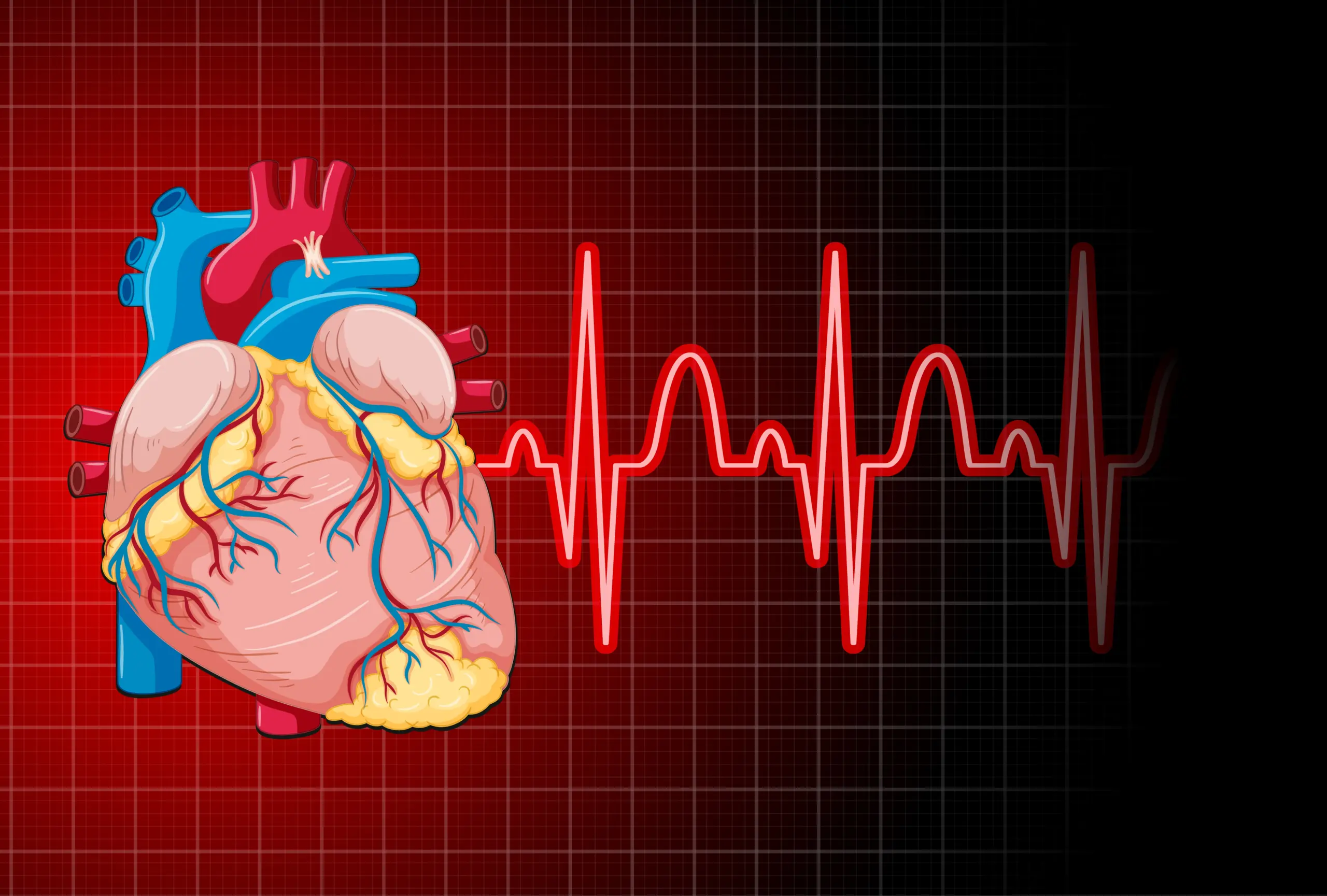
Heart rhythm problems can affect how the heart pumps blood. When the heartbeat becomes too slow or irregular, doctors may recommend a pacemaker. A pacemaker is a small medical device that helps control abnormal heart rhythms. It sends electrical signals to the heart to maintain a normal heartbeat.
Many people ask what heart conditions require a pacemaker. The answer depends on the type of heart rhythm disorder a person has. Conditions like Bradycardia, Heart Block, and Sick Sinus Syndrome are among the most common reasons for pacemaker implantation. These disorders affect the electrical signals that control heartbeats.
A healthy heart beats between 60 and 100 times per minute. However, when the heart beats too slowly or pauses unexpectedly, it can cause dizziness, fatigue, or fainting. In severe cases, it may reduce blood flow to vital organs. That is why doctors sometimes recommend a pacemaker to restore a normal rhythm.
This guide explains the heart conditions that require a pacemaker. It also covers symptoms, diagnosis, and treatment. By the end of this article, you will clearly understand when a pacemaker becomes necessary.
Understanding Pacemakers and Their Role in Heart Health
A pacemaker is a small electronic device implanted under the skin of the chest. It helps regulate abnormal heart rhythms. The device has two main parts. One part is the generator that produces electrical impulses. The other part includes wires called leads that deliver signals to the heart muscle.
Pacemakers are mainly used to treat conditions that cause the heart to beat too slowly. Doctors call this condition Bradycardia. When the heart beats too slowly, it cannot pump enough blood to the body. This can lead to fatigue, dizziness, and fainting spells.
The device monitors the heart’s rhythm continuously. If it detects a slow heartbeat or missed beat, it sends electrical signals to stimulate the heart. This keeps the heart beating at a safe and steady rate. Modern pacemakers are highly advanced and can adjust the heart rate according to physical activity.
Pacemakers are commonly used for people with electrical problems in the heart. These problems may be caused by aging, heart disease, or damage from a heart attack. While the idea of having a device inside the body may seem worrying, pacemakers have helped millions of people live longer and healthier lives.
Heart Conditions That Require a Pacemaker
Several heart conditions can disrupt the electrical signals that control the heartbeat. When these signals slow down or become blocked, doctors may recommend a pacemaker. The most common conditions include Heart Block, Sick Sinus Syndrome, and certain types of Heart Failure.
Heart block occurs when electrical signals cannot travel properly from the upper chambers of the heart to the lower chambers. This disruption causes a slow or irregular heartbeat. In severe cases, the heart may skip beats or stop briefly. A pacemaker helps restore normal communication between the chambers.
Sick sinus syndrome is another condition that affects the heart’s natural pacemaker. The sinus node normally controls the heart rate. When it becomes damaged or weak, it may send signals too slowly or irregularly. A pacemaker can replace this faulty rhythm control.
Some patients with heart failure also benefit from specialized pacemakers. These devices help coordinate the pumping action of the heart chambers. This improves blood flow and reduces symptoms like fatigue and shortness of breath. In many cases, pacemakers significantly improve quality of life for patients with heart rhythm disorders.
Bradycardia: One of the Most Common Reasons for Pacemakers
One of the most frequent answers to the question what heart conditions require a pacemaker is Bradycardia. This condition occurs when the heart beats fewer than 60 times per minute. While a slow heart rate can be normal in athletes, it can also indicate a serious heart rhythm problem.
Bradycardia reduces the amount of blood the heart pumps to the brain and body. When organs do not receive enough oxygen-rich blood, symptoms begin to appear. Common symptoms include fatigue, dizziness, weakness, and fainting. Some people may also experience confusion or difficulty concentrating.
This condition can occur for several reasons. Aging is one of the most common causes. As people grow older, the heart’s electrical system may weaken. Other causes include heart attacks, certain medications, and underlying heart diseases.
A pacemaker helps by sending electrical impulses to stimulate the heart when it beats too slowly. The device ensures that the heart maintains a safe and stable rhythm. For many patients, pacemaker implantation significantly improves energy levels and overall health.
Heart Block and Pacemaker Treatment
Another major condition that often requires a pacemaker is Heart Block. Heart block occurs when electrical signals from the heart’s upper chambers cannot reach the lower chambers properly. This disrupts the coordination of the heartbeat.
Doctors classify heart block into three levels. First-degree heart block is usually mild and may not require treatment. Second-degree heart block occurs when some signals fail to reach the lower chambers. Third-degree heart block is the most severe form. In this case, electrical signals cannot reach the lower chambers at all.
People with severe heart block may experience dizziness, fainting, or extreme fatigue. In some cases, the heart rate becomes dangerously slow. Without treatment, this condition can lead to serious complications.
Pacemakers are often the most effective treatment for moderate to severe heart block. The device bypasses the blocked electrical pathways. It sends signals directly to the heart muscles, ensuring that the chambers beat in the correct sequence. This restores a stable heartbeat and prevents dangerous rhythm disruptions.
Sick Sinus Syndrome and Pacemakers
Another important condition linked to pacemaker use is Sick Sinus Syndrome. This disorder affects the sinus node, which acts as the heart’s natural pacemaker. The sinus node generates electrical impulses that start each heartbeat.
When the sinus node does not function properly, the heart rhythm becomes abnormal. It may beat too slowly, pause for long periods, or alternate between slow and fast rhythms. These irregular patterns can reduce blood flow to the brain and other organs.
Symptoms often develop gradually. Patients may feel tired, dizzy, or short of breath. Some individuals experience fainting episodes or chest discomfort. Because these symptoms can appear mild at first, the condition may go undiagnosed for some time.
A pacemaker can replace the faulty rhythm control of the sinus node. The device monitors the heartbeat and provides electrical signals whenever the heart slows down or pauses. With the help of a pacemaker, many patients regain a steady heart rhythm and improved quality of life.
Pacemakers for Heart Failure Patients
Some patients with Heart Failure may also need a pacemaker. Heart failure occurs when the heart cannot pump blood effectively. This condition may develop due to coronary artery disease, high blood pressure, or previous heart attacks.
In certain heart failure cases, the heart chambers do not beat in a synchronized manner. The left and right ventricles may contract at different times. This reduces the efficiency of the heart’s pumping action.
Doctors may recommend a special pacemaker called cardiac resynchronization therapy (CRT). This device helps coordinate the contractions of the heart chambers. When the chambers beat together, the heart pumps blood more efficiently.
CRT pacemakers can significantly reduce symptoms like shortness of breath and fatigue. Many patients experience improved exercise tolerance and better overall health. While pacemakers do not cure heart failure, they can greatly improve daily life and help manage the condition effectively.
Symptoms That Indicate a Pacemaker May Be Needed
Many heart rhythm disorders share similar symptoms. Recognizing these warning signs can help people seek medical attention early. Symptoms often appear when the heart beats too slowly or irregularly.
Common symptoms include dizziness, fatigue, and fainting spells. Some people feel lightheaded or experience sudden weakness. Others may notice shortness of breath during simple activities like walking or climbing stairs.
Chest discomfort or irregular heartbeats can also occur. Some patients describe a fluttering or skipping sensation in the chest. These symptoms happen when the heart cannot maintain a stable rhythm.
Doctors evaluate these symptoms using tests such as electrocardiograms and heart monitoring devices. If the tests show a dangerous rhythm problem, they may recommend a pacemaker. Early diagnosis and treatment can prevent serious complications and improve long-term heart health.
How Doctors Diagnose Conditions That Require a Pacemaker
Diagnosing heart rhythm disorders requires careful medical evaluation. Doctors begin by reviewing the patient’s symptoms and medical history. They also perform physical examinations and specialized heart tests.
One of the most common diagnostic tools is an electrocardiogram. This test records the electrical activity of the heart. It helps doctors detect rhythm abnormalities such as Bradycardia or Heart Block.
Doctors may also use portable heart monitors. These devices track the heart rhythm over several hours or days. This helps capture irregular rhythms that may not appear during a short test.
In some cases, imaging tests like echocardiograms are used to examine heart structure and function. These tests help determine whether underlying heart diseases are contributing to the rhythm problem.
After reviewing all test results, doctors decide whether a pacemaker is necessary. If the heart rhythm disorder poses a risk to the patient’s health, pacemaker implantation may be recommended.
Life After Pacemaker Implantation
Living with a pacemaker is usually safe and comfortable. Modern pacemakers are small and designed to work automatically. Most patients return to normal activities within a few weeks after the procedure.
After implantation, doctors monitor the device regularly to ensure it functions correctly. These checkups can often be done remotely using wireless technology. This allows doctors to track heart rhythm and adjust settings if needed.
Patients with pacemakers should follow certain precautions. They should avoid strong electromagnetic fields and inform healthcare providers about the device before medical procedures. However, most everyday electronics like smartphones and microwaves are safe.
Exercise and healthy lifestyle choices remain important. Maintaining a balanced diet, staying active, and managing conditions like high blood pressure can improve heart health. With proper care, pacemakers can last many years and significantly improve quality of life.
Conclusion
Understanding what heart conditions require a pacemaker can help people recognize serious heart rhythm problems. Conditions such as Bradycardia, Heart Block, and Sick Sinus Syndrome often lead to pacemaker treatment. These disorders interfere with the heart’s electrical signals and can cause slow or irregular heartbeats.
Pacemakers play a vital role in restoring normal heart rhythms. By sending electrical impulses to the heart, these devices help maintain a safe and steady heartbeat. For many patients, pacemakers reduce symptoms like fatigue, dizziness, and fainting. They also improve blood circulation and overall quality of life.
Early diagnosis and treatment are essential for managing heart rhythm disorders. Anyone experiencing symptoms such as persistent fatigue, dizziness, or fainting should consult a healthcare professional. Timely medical care can prevent complications and protect long-term heart health.
With modern technology and proper medical care, pacemakers have become one of the most effective treatments for serious heart rhythm conditions.
Take Control of Your Heart Health with Cureaware
Heart rhythm problems should never be ignored. If you or a loved one experience symptoms like dizziness, slow heartbeat, or fainting, it is important to seek medical guidance.
Cureaware provides reliable health information and expert insights to help you understand heart conditions and available treatments. Our goal is to empower people with accurate medical knowledge so they can make informed healthcare decisions.
Explore Cureaware to learn more about heart health, treatment options, and prevention strategies. Stay informed and take proactive steps toward a healthier life.
FAQs
1. What heart conditions require a pacemaker?
Pacemakers are commonly used for conditions such as bradycardia, heart block, sick sinus syndrome, and some cases of heart failure where the heartbeat becomes slow or irregular.
2. How does a pacemaker help the heart?
A pacemaker sends electrical signals to the heart when it detects a slow or irregular heartbeat. These signals help maintain a normal heart rhythm.
3. Is pacemaker implantation a major surgery?
Pacemaker implantation is usually a minor surgical procedure. It is performed under local anesthesia and typically takes one to two hours.
4. How long does a pacemaker last?
Most pacemaker batteries last between 5 and 15 years. Doctors monitor the device regularly and replace the battery when necessary.
5. Can people with pacemakers live normal lives?
Yes. Most patients return to normal daily activities, including exercise and work, after recovering from pacemaker implantation.
6. What symptoms indicate the need for a pacemaker?
Symptoms may include dizziness, fainting, fatigue, shortness of breath, and irregular or slow heartbeats.
7. Are pacemakers safe?
Pacemakers are considered very safe. They have been used successfully for decades to treat heart rhythm disorders.
8. Can a pacemaker cure heart disease?
A pacemaker does not cure heart disease. However, it helps manage abnormal heart rhythms and improves heart function.
9. Are there lifestyle restrictions with a pacemaker?
Most everyday activities are safe. Patients should avoid strong magnetic fields and follow their doctor’s recommendations.
10. How do doctors check if a pacemaker is working properly?
Doctors use special monitoring devices to check pacemaker performance during regular follow-up visits or through remote monitoring systems.