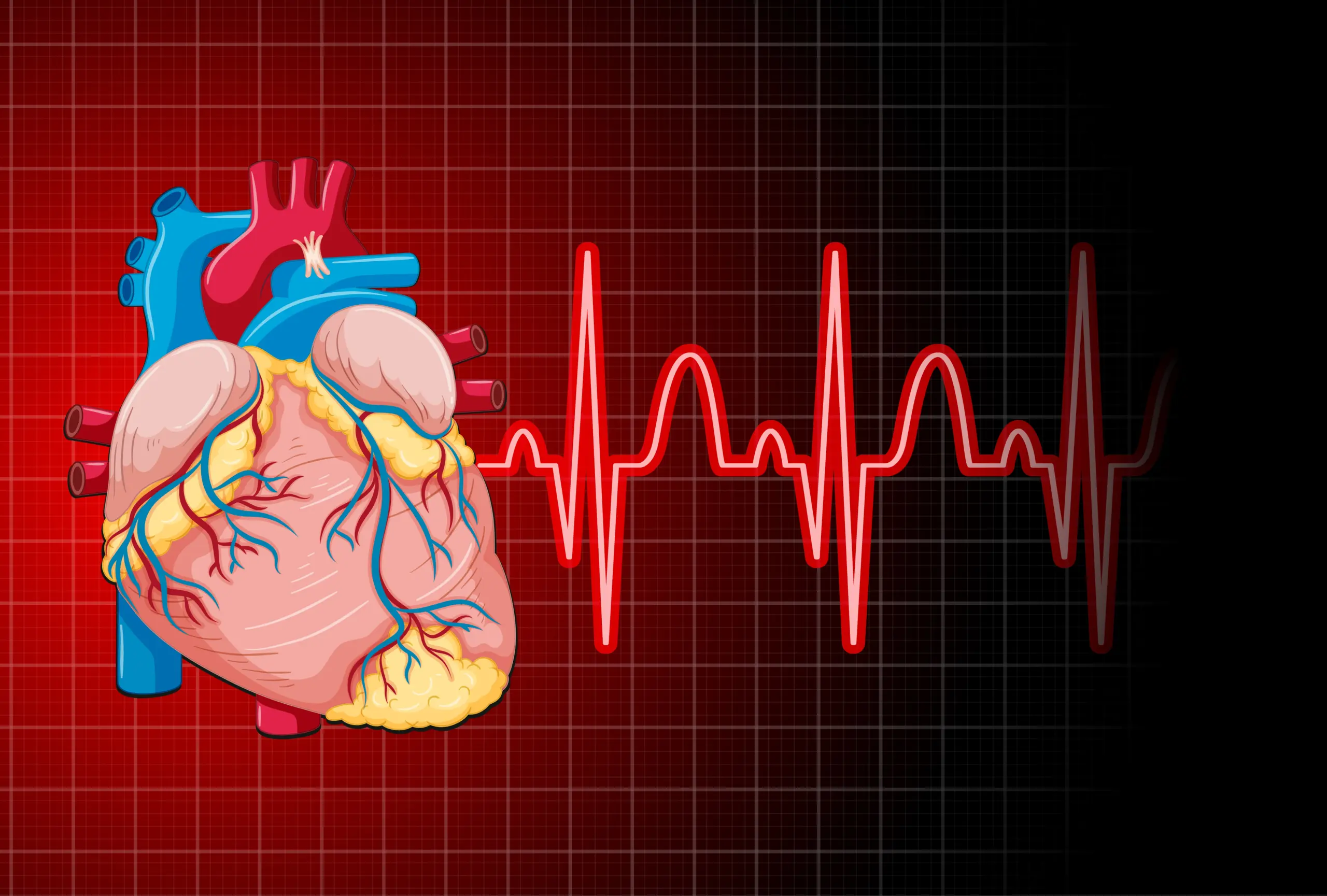



Angioplasty is a common procedure used to treat Coronary Artery Disease. In Coronary Artery Disease (CAD) the blood vessels of the heart get narrowed due to plaque build-up, which blocks the blood supply to the heart muscle. If not attended promptly, CAD becomes life-threatening because, due to the lack of oxygen-rich blood supply, the heart muscle starts dying. To restore the blood supply, an angioplasty procedure is performed.
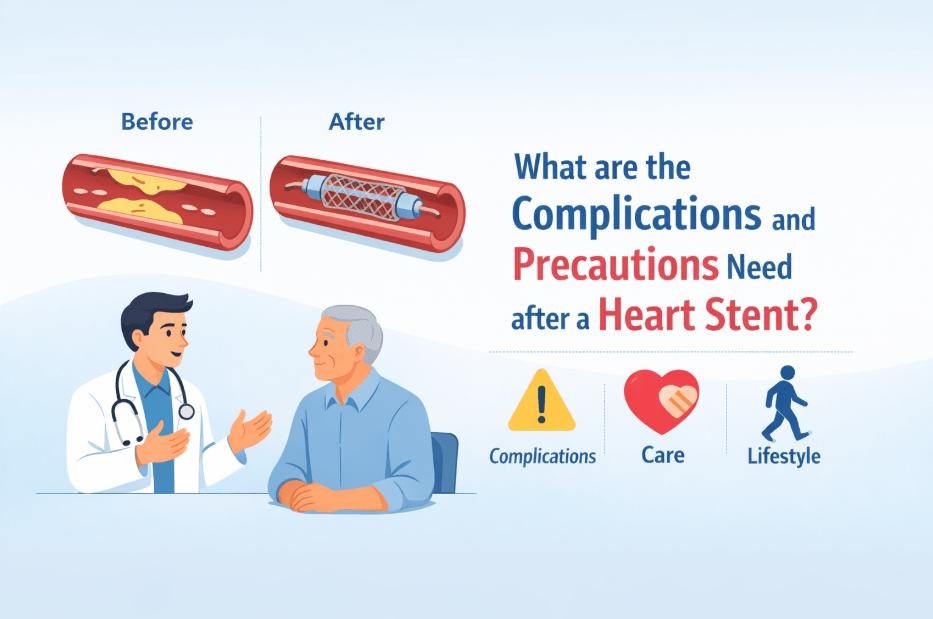
In the Angioplasty procedure, with the help of a catheter, a thin wire with a small balloon at its tip is guided toward the artery’s narrowed spot. The balloon is then inflated to remove the plaque, and a stent is placed to keep the artery open. The stent is a mesh-like metal tube thattube that is implanted to keep the artery open and reduce the chances of restenosis (re-narrowing of the artery) after the treatment.
Possible Complications After Angioplasty
While the procedure is generally safe, there is also the possibility of having complications after angioplasty, like any other medical procedure; there are several risks involved.
1. Restenosis
After Angioplasty, the artery can sometimes become narrow again, specifically if metal stents are implanted. This happens due to the build-up of scar tissue around the implant or cell proliferation inside the artery. Restenosis usually manifests in Angina (chest pain) and shortness of breath.
2. Blood Clots Formation
Though a relatively rare occurrence after Angioplasty, because of the blood-thinning medications that are prescribed post the procedure, there’s always a chance of blood clots forming inside or near the implant.
3. Damage to the Artery
During the procedure, the artery that is being treated gets damaged sometimes, possibly causing tearing or rupture. The possible risk is rare and requires emergency surgery.
4. Heart Attack or Stroke
Angioplasty procedure carries a small risk of triggering a heart attack or even a Stroke due to dislodged plaque or blood clots.
5. Irregular Heartbeats (Arrhythmias)
After Angioplasty, the heart may beat too fast, too slow, or irregularly during or after the procedure. Though it often resolves quickly and in case it does not it can always be managed with medications.
6. Incision Site Infection
Rare but possible risk of Angioplasty. Infections may develop at the incision site.
Warning Signs After Angioplasty Procedure:
In case you experience any of the following signs, seek immediate medical attention:
- Angina (pain, discomfort, or tightness felt in the chest)
- Numbness in the arms or legs or speech difficulty
- Bleeding or swelling or extreme pain at the incision site
- Sudden palpitations or breathlessness
- Fever or chills
Average Age For Stent
There is no fixed ‘average age for a stent.’ Thanks to modern-day lifestyles, even younger patients may also need heart stents, depending on the risk factors and the severity of the blockages. Angioplasty is performed to restore the blood flow to the heart and is not an age-specific procedure. After the age of 80, there are risks that need to be considered. In elderly patients, the arteries become hardened with calcified plaque, which makes it difficult for the Balloon Angioplasty to perform smoothly. Apart from that, the risk of infection is higher in elderly patients.
Precautions After Angioplasty:
Immediate Precautions –
First things first, rest! Avoid heavy lifting or strenuous physical activities.
If a stent is placed, the medication after Angioplasty must be observed exactly as they are prescribed to avoid the formation around the stent.
In case you feel chest pain, especially like the one that brought you to the hospital, contact your doctor immediately.
Long-Term Precautions
- Give up smoking, as it increases the chances of clotting in the arteries.
- A heart-healthy diet goes a long way and helps with long-term outcomes.
- Keep your Cholesterol, stress levels, diabetes, and Hypertension in check.
- Keep your alcohol intake to a moderate level. If your cardiologist asks, you might also have to cut it off completely.
- Maintain a healthy weight, as being overweight puts extra pressure on your heart.
- If your work stresses you out, it won’t work for your heart and might leave you with further complications.
Angioplasty: Restoring Blood Supply. Restoring Oxygen. Restoring Life.
Time and again, Angioplasty procedures have proven to restore hope in patients’ and their loved ones’ lives. The minimally invasive, highly effective treatment offers a fresh start to those who are stuck with the roadblocks, figuratively and quite literally. It is as important to collect knowledge about Angioplasty as it is to observe the prescribed medication, and most importantly, to follow a heart-healthy lifestyle. What makes the procedure a real success is the patient’s discipline and will to recover faster. In case you see warning signs after the procedure, you are advised to see your doctor immediately, as when it’s about the heart, every second saved is life-saving.