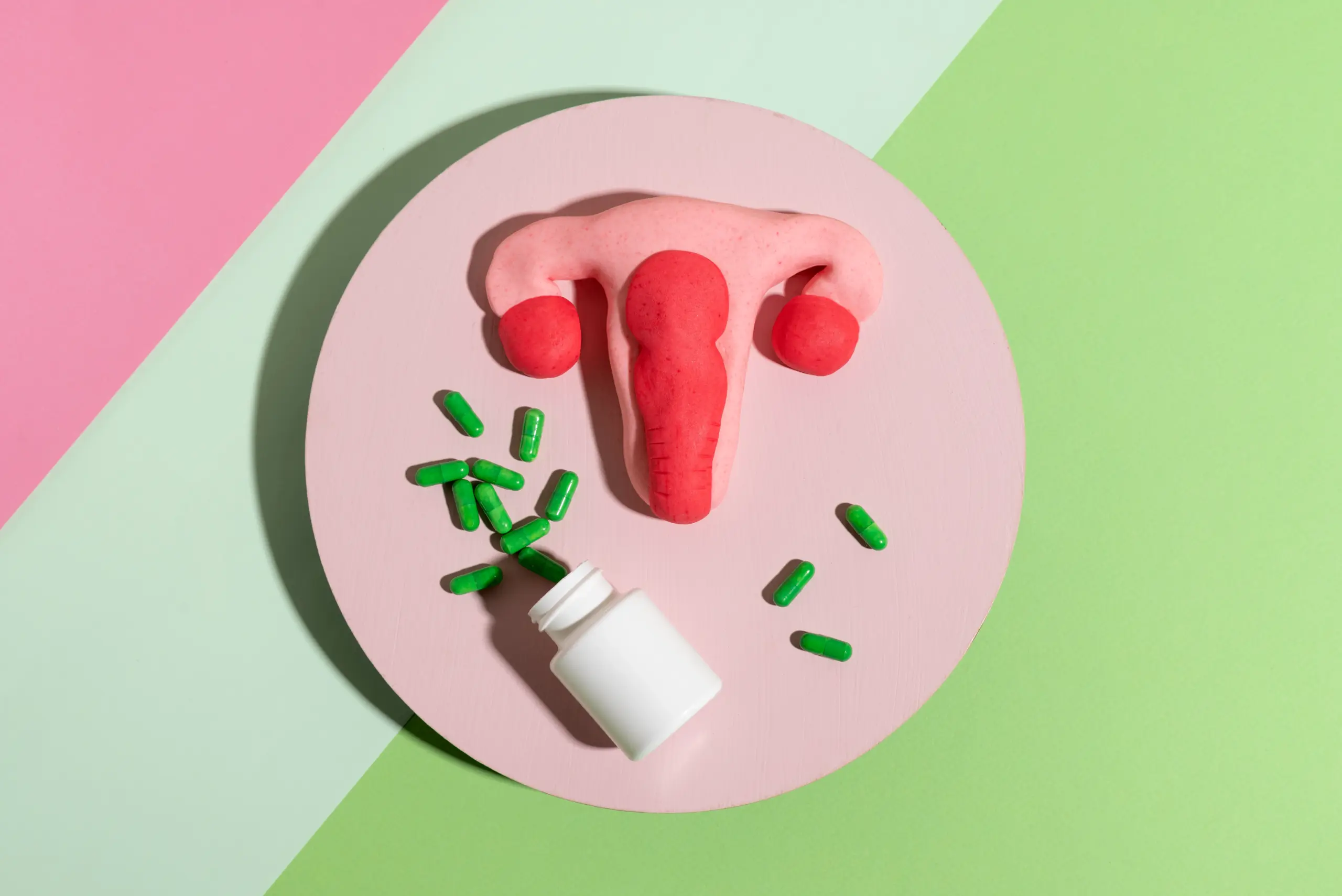


Pain during menstruation is common for many women. Some experience mild discomfort. Others feel intense cramps that affect daily life. This condition is medically known as Dysmenorrhea. Many women wonder: are painful periods a sign of good fertility? The answer is not always simple. Period pain may happen in women with normal fertility, but it does not guarantee strong reproductive health.
Fertility depends on many factors. Hormones, ovulation, reproductive organs, and lifestyle all play a role. Pain during periods may come from natural uterine contractions. However, severe pain can also be linked to conditions like Endometriosis, Polycystic Ovary Syndrome, or Uterine Fibroids. These conditions may affect fertility if not treated.
In this guide, we will explore 15 important facts about menstrual pain and fertility. You will learn what causes painful periods, whether they indicate ovulation, and when you should see a doctor. This article uses simple language so it is easy to understand. If you experience painful cycles, knowing the facts can help you make better health decisions.
1. Painful Periods Are Very Common
Many women experience pain during menstruation. This pain usually occurs in the lower abdomen. It may also spread to the back or thighs. Mild discomfort is normal for many people. The uterus contracts during menstruation to shed its lining. These contractions can cause cramps.
Doctors call this condition Dysmenorrhea. There are two types. Primary dysmenorrhea happens without an underlying disease. Secondary dysmenorrhea occurs due to medical conditions. Women often experience stronger cramps during their teenage years or early adulthood.
Hormones known as prostaglandins cause these contractions. Higher prostaglandin levels lead to stronger cramps. However, pain intensity varies between individuals. Some women experience only mild discomfort, while others struggle with severe pain.
Painful periods alone do not determine fertility. Many women with cramps have completely normal reproductive systems. But if pain becomes severe or persistent, it may signal another issue. Monitoring symptoms can help identify potential problems early.
2. Pain Does Not Always Mean Strong Fertility
Many people believe painful periods are a sign of good fertility. This belief is widespread but not always accurate. Fertility mainly depends on ovulation, hormone balance, and reproductive organ health.
Some women with painful periods ovulate regularly. This means their fertility may be normal. However, the pain itself is not a sign that fertility is better or stronger. It simply reflects how the uterus responds during menstruation.
For example, women with very mild periods can also have excellent fertility. On the other hand, severe pain could be linked to conditions that affect reproduction. Problems like Endometriosis can cause intense cramps and may reduce fertility.
Therefore, the question are painful periods a sign of good fertility does not have a simple yes or no answer. Pain alone cannot predict reproductive health. The best way to understand fertility is through medical evaluation, ovulation tracking, and hormonal assessment.
3. Hormones Play a Major Role in Menstrual Pain
Hormones regulate the menstrual cycle. They control ovulation, the growth of the uterine lining, and menstruation. During periods, the body releases prostaglandins. These hormone-like substances trigger uterine contractions.
High prostaglandin levels often cause stronger cramps. Some women naturally produce more prostaglandins. This leads to painful periods. However, hormone balance also affects fertility.
Hormones such as estrogen and progesterone support ovulation. When these hormones function normally, fertility is usually healthy. But hormonal disorders can cause both painful periods and fertility challenges.
For example, conditions like Polycystic Ovary Syndrome may cause irregular cycles, hormonal imbalance, and reproductive difficulties. This shows that menstrual pain does not always reflect fertility health.
Understanding hormone patterns can help women better manage their cycles. Doctors often evaluate hormone levels when fertility concerns arise.
4. Ovulation Is the Key Indicator of Fertility
Fertility depends largely on ovulation. Ovulation occurs when the ovary releases an egg. This usually happens once during each menstrual cycle. If ovulation occurs regularly, the chances of pregnancy increase.
Painful periods happen after ovulation. The uterus sheds its lining if pregnancy does not occur. Because of this timing, some people think pain indicates ovulation. However, cramps themselves do not confirm ovulation.
Some women feel mild pain during ovulation. This is called mittelschmerz. But this pain is different from menstrual cramps. Menstrual cramps occur later during bleeding.
To understand fertility, doctors focus on ovulation patterns. Regular cycles often suggest ovulation. But irregular cycles may signal hormonal issues. Tracking basal body temperature or using ovulation kits can provide more accurate information.
So when people ask are painful periods a sign of good fertility, the better question is whether ovulation happens consistently.
5. Severe Pain May Indicate Underlying Conditions
Mild cramps are common. However, severe pain should not be ignored. Intense cramps that disrupt daily activities may signal a medical condition.
One possible cause is Endometriosis. This condition occurs when tissue similar to the uterine lining grows outside the uterus. It often causes severe pain during menstruation. It can also lead to fertility challenges.
Another cause may be Uterine Fibroids. Fibroids are noncancerous growths in the uterus. They can cause heavy bleeding and painful cramps.
Sometimes infections or pelvic inflammation can also lead to severe menstrual pain. When pain becomes intense or unusual, medical evaluation is important.
Early diagnosis can prevent complications. Many women ignore severe cramps for years. However, persistent pain should always be investigated.
6. Painful Periods Do Not Guarantee an Easy Pregnancy
Some women believe that strong menstrual cramps indicate high fertility. This belief often spreads through cultural myths. But scientific evidence does not support this idea.
Pregnancy depends on many factors. Healthy eggs, sperm quality, hormonal balance, and reproductive organ function all matter. Painful periods alone do not influence these factors.
Many women with severe cramps conceive easily. At the same time, some women with painless periods may face fertility challenges. Every reproductive system is different.
Doctors evaluate fertility using multiple methods. These include hormone tests, ultrasound scans, and ovulation monitoring. These tests provide real insight into reproductive health.
Therefore, painful periods should not be used as a fertility indicator. It is simply one symptom of the menstrual cycle.
7. Lifestyle Factors Influence Menstrual Pain
Lifestyle habits can affect menstrual cramps. Diet, exercise, stress levels, and sleep all influence hormone balance. Women with high stress levels often experience stronger cramps.
Poor nutrition may also worsen menstrual pain. Diets low in magnesium or omega-3 fatty acids can increase inflammation. Inflammation often intensifies uterine contractions.
Regular exercise helps improve blood circulation. It also releases endorphins, which act as natural pain relievers. Many women notice reduced cramps when they maintain active lifestyles.
Hydration and balanced meals also support hormone regulation. When hormones function smoothly, menstrual cycles often become more manageable.
These lifestyle factors can improve both menstrual comfort and overall reproductive health.
8. Age Can Affect Menstrual Pain Patterns
Menstrual pain changes throughout life. Teenagers often experience stronger cramps. This happens because hormone levels fluctuate more during early reproductive years.
As women grow older, cycles may become more stable. Some women notice reduced cramps after childbirth. Hormonal changes during pregnancy can alter uterine sensitivity.
However, new pain appearing later in life may signal medical issues. Secondary dysmenorrhea often develops in women in their late twenties or thirties.
Conditions like Endometriosis or fibroids may develop over time. Monitoring changes in menstrual patterns helps detect problems early.
Understanding how age affects menstrual health can help women make informed decisions about fertility and treatment.
9. When Pain Becomes a Warning Sign
Occasional cramps are normal. But certain symptoms require medical attention. Severe pain that stops daily activities should not be ignored.
Heavy bleeding, nausea, dizziness, or fainting during periods may signal underlying conditions. Pain lasting longer than two days may also indicate a problem.
Doctors may perform ultrasound scans or blood tests to diagnose the cause. Early treatment can protect reproductive health and improve quality of life.
Ignoring symptoms can delay diagnosis. Many conditions are easier to treat when identified early.
Women should listen to their bodies and seek medical advice if menstrual pain becomes unusual or severe.
10. Treatments Are Available for Painful Periods
Fortunately, many treatments can reduce menstrual pain. Doctors often recommend anti-inflammatory medications. These medicines reduce prostaglandin levels and relieve cramps.
Hormonal birth control may also help regulate cycles. It reduces uterine lining buildup and decreases pain during menstruation.
In cases of underlying conditions, treatment depends on the diagnosis. Surgery, medication, or hormone therapy may be necessary.
Lifestyle changes can also help manage pain. Exercise, heat therapy, and stress reduction are effective strategies.
When properly treated, most women can manage menstrual pain successfully.
Support Your Reproductive Health with Cureaware
Understanding your body is the first step toward better health. If you struggle with severe menstrual cramps or fertility concerns, professional guidance can make a difference.
Cureaware provides reliable health insights, wellness guidance, and expert information to help you take control of your reproductive health. Their resources focus on natural wellness, prevention, and informed decision-making.
If painful periods are affecting your daily life, do not ignore them. Explore trusted health information and practical solutions through Cureaware. Taking action today can improve your comfort, confidence, and long-term reproductive wellness.
Frequently Asked Questions (FAQs)
1. Are painful periods a sign of good fertility?
Painful periods do not necessarily indicate good fertility. Fertility depends on ovulation, hormone balance, and reproductive health.
2. What causes severe menstrual cramps?
Severe cramps can result from high prostaglandin levels or medical conditions like endometriosis or fibroids.
3. Can painful periods affect fertility?
Sometimes. If pain is caused by conditions such as endometriosis, it may impact fertility.
4. Is it normal to have painful periods every month?
Mild cramps are common, but severe or disabling pain should be evaluated by a doctor.
5. Do painful periods mean you are ovulating?
Not necessarily. Ovulation occurs before menstruation, and cramps during periods do not confirm ovulation.
6. When should I see a doctor for menstrual pain?
You should seek medical advice if pain disrupts daily activities or becomes worse over time.
7. Can lifestyle changes reduce menstrual cramps?
Yes. Regular exercise, healthy diet, stress management, and proper sleep can reduce cramps.
8. Are teenagers more likely to have painful periods?
Yes. Younger women often experience stronger cramps due to hormonal fluctuations.
9. Can hormonal birth control help with painful periods?
Yes. Hormonal contraceptives often reduce menstrual cramps by regulating hormone levels.
10. Can painful periods be treated naturally?
Some natural methods include heat therapy, exercise, herbal support, and stress reduction techniques.