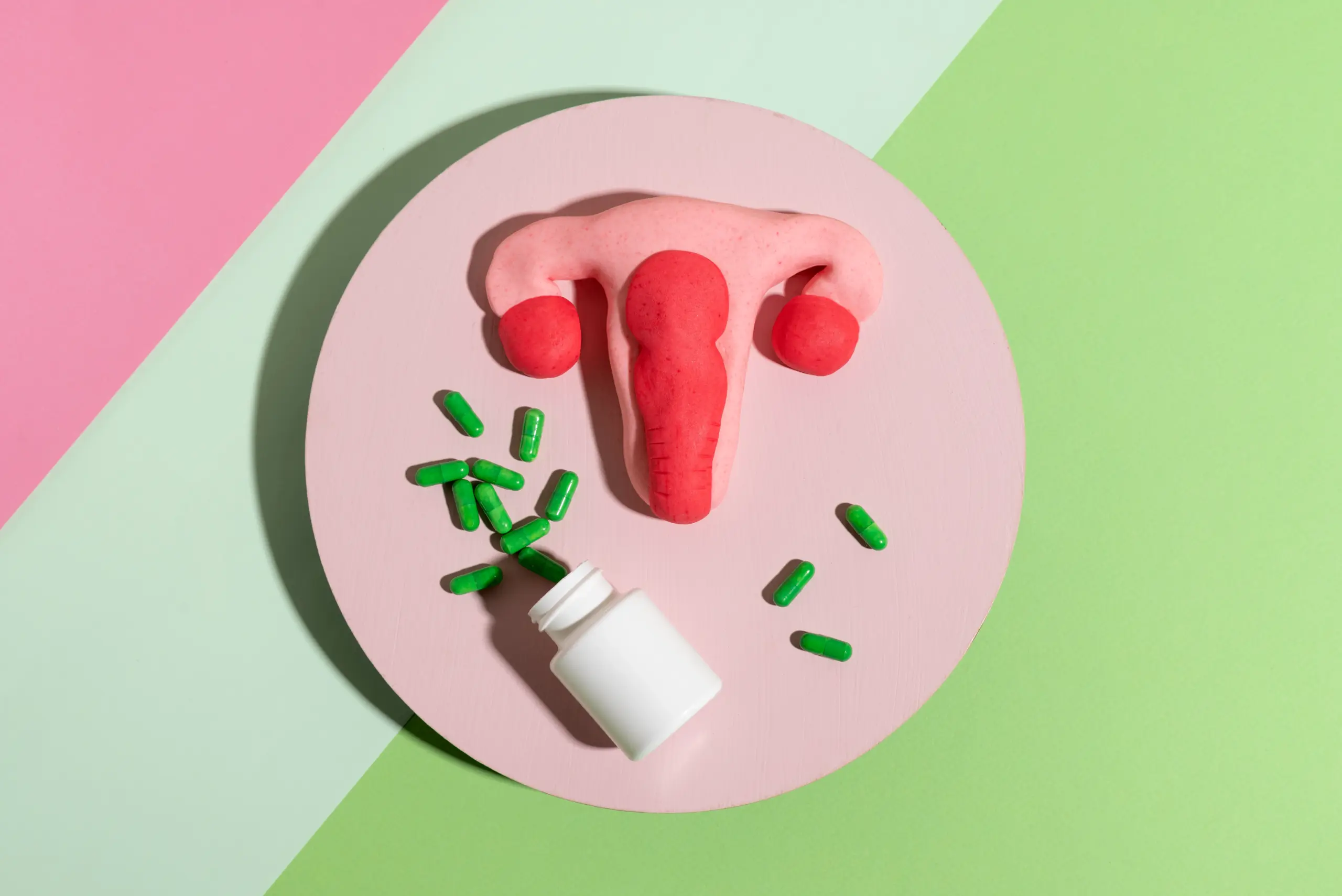





PCOS Awareness Month is a time dedicated to understanding a health condition that affects millions of women across the world. Polycystic Ovary Syndrome, commonly called PCOS, is one of the most common hormonal disorders among women of reproductive age. Yet many people still know very little about it. Awareness campaigns aim to educate individuals about the symptoms, causes, and management options for this condition. Knowledge can help women recognize early signs and seek timely medical care.
Many women live with PCOS for years without a proper diagnosis. The symptoms often appear gradually and may seem unrelated at first. Irregular periods, acne, weight changes, or excess hair growth can be early signals. During PCOS Awareness Month, healthcare communities encourage open discussions around reproductive health. Conversations reduce stigma and help women understand that they are not alone. Awareness also encourages lifestyle changes and medical support that can improve long-term health. The more people talk about PCOS, the easier it becomes for individuals to identify symptoms early and manage them effectively.
1. What Is Polycystic Ovary Syndrome?
Polycystic Ovary Syndrome is a hormonal disorder that affects the ovaries. It occurs when hormone levels become imbalanced, especially androgens, which are often called male hormones. In women with PCOS, the body may produce higher levels of these hormones. This imbalance interferes with the normal development and release of eggs from the ovaries. As a result, ovulation may not occur regularly.
The name “polycystic” refers to the small fluid-filled sacs that may form on the ovaries. These are not harmful cysts but immature follicles that did not release eggs during ovulation. However, not every woman with PCOS has visible cysts. Diagnosis usually depends on a combination of symptoms, medical history, and lab tests.
PCOS is considered a chronic condition. This means it cannot be completely cured, but it can be managed successfully. With proper medical guidance, lifestyle changes, and emotional support, many women live healthy lives with PCOS. Awareness initiatives help spread this message so women can seek help without fear or confusion.
2. Why PCOS Awareness Month Matters
PCOS Awareness Month plays an important role in improving women’s health education. Despite being common, PCOS is often misunderstood. Many women believe their symptoms are normal or unrelated. This delay in recognition can lead to complications later in life. Awareness campaigns aim to change this situation by spreading accurate information.
During this month, health organizations, communities, and medical professionals share resources that explain PCOS symptoms, causes, and treatments. Educational programs encourage women to track their menstrual cycles and pay attention to hormonal changes. Early detection can help prevent complications such as infertility, metabolic issues, or diabetes.
Awareness also creates a supportive environment for women living with PCOS. Many individuals struggle with emotional challenges like stress or body image concerns. When people openly discuss PCOS, it reduces stigma and promotes understanding. Public conversations help women feel heard and supported. Awareness initiatives also motivate policymakers and healthcare providers to improve research and treatment options for hormonal disorders affecting women worldwide.
3. Common Symptoms of PCOS
PCOS symptoms can vary from one person to another. Some women experience only mild signs, while others face multiple health concerns. One of the most common symptoms is irregular menstrual cycles. Periods may become infrequent, delayed, or completely absent for several months. This happens because ovulation does not occur regularly.
Another common sign is excess hair growth on the face, chest, or abdomen. This condition is known as hirsutism and occurs due to increased androgen levels. Acne and oily skin are also frequent symptoms because hormonal imbalance can increase oil production in the skin. Some women also notice thinning hair on the scalp.
Weight gain or difficulty losing weight is another challenge often associated with PCOS. Hormonal changes may affect metabolism and insulin levels. Many women also experience fatigue, mood changes, and difficulty concentrating. Recognizing these symptoms early can encourage individuals to seek medical advice. Early diagnosis allows women to manage symptoms more effectively and prevent long-term complications related to hormonal health.
4. Causes of PCOS
The exact cause of PCOS is not fully understood. However, researchers believe several factors contribute to the condition. Genetics appears to play an important role. Women with a family history of PCOS are more likely to develop it. Hormonal imbalances are also a major factor, particularly higher levels of androgens that interfere with ovulation.
Insulin resistance is another common factor in many women with PCOS. Insulin is a hormone that helps regulate blood sugar levels. When the body becomes resistant to insulin, it produces more of it to compensate. Higher insulin levels can stimulate the ovaries to produce excess androgens. This disrupts normal reproductive hormone balance.
Inflammation may also contribute to PCOS development. Some studies suggest that women with PCOS have higher levels of inflammation in their bodies. This inflammation may trigger ovarian changes that increase androgen production. Although researchers continue to study these connections, understanding these possible causes helps healthcare providers develop better treatment strategies. Awareness campaigns encourage ongoing research so that future generations may benefit from improved knowledge and care.
5. How PCOS Affects Hormones
Hormones act as messengers that regulate many functions in the body. In PCOS, several hormonal systems become unbalanced. The ovaries may produce excess androgens, which can disrupt ovulation. This imbalance also affects estrogen and progesterone levels, leading to irregular menstrual cycles.
Another key hormonal issue in PCOS involves insulin. Many women with PCOS experience insulin resistance, meaning their bodies struggle to use insulin effectively. To compensate, the pancreas releases more insulin into the bloodstream. Elevated insulin levels can stimulate the ovaries to produce more androgens, worsening hormonal imbalance.
These hormonal shifts affect multiple body systems. They influence metabolism, reproductive health, skin condition, and even mood. For example, increased androgens may cause acne and excess hair growth, while irregular progesterone levels can lead to unpredictable menstrual cycles. Understanding these hormonal changes helps doctors tailor treatments based on individual needs. Education during PCOS Awareness Month focuses on explaining these complex processes in simple ways so women can better understand what is happening inside their bodies.
6. The Link Between PCOS and Insulin Resistance
Insulin resistance is a key factor for many individuals with PCOS. It occurs when the body’s cells do not respond properly to insulin. Normally, insulin helps move glucose from the bloodstream into cells to provide energy. When cells become resistant, glucose stays in the bloodstream longer, prompting the body to produce more insulin.
High insulin levels can have several effects on the body. In women with PCOS, excess insulin stimulates the ovaries to produce more androgens. This leads to symptoms such as irregular periods, acne, and hair growth changes. Insulin resistance can also make weight management more difficult.
Over time, untreated insulin resistance may increase the risk of developing type 2 diabetes or metabolic syndrome. That is why lifestyle changes are often part of PCOS management. Balanced nutrition, regular physical activity, and healthy sleep patterns can help improve insulin sensitivity. Awareness campaigns encourage women to monitor their metabolic health and seek professional guidance if they notice symptoms related to blood sugar imbalance or unusual weight changes.
7. PCOS and Fertility
Many women worry about fertility after receiving a PCOS diagnosis. It is true that PCOS can make ovulation less predictable. Because ovulation may not occur regularly, it can be harder to plan pregnancy. However, this does not mean pregnancy is impossible.
With proper medical care, many women with PCOS successfully conceive. Doctors may recommend treatments that help regulate ovulation. Lifestyle adjustments, such as maintaining a healthy weight and balanced diet, can also support reproductive health. In some cases, medications may help stimulate ovulation or manage hormonal levels.
Emotional support is equally important during this journey. Fertility concerns can create stress and anxiety. Awareness programs emphasize that PCOS affects each individual differently. Some women conceive naturally, while others may benefit from medical assistance. The key message during PCOS Awareness Month is hope and empowerment. Women should feel encouraged to consult healthcare professionals and explore available options that support their reproductive goals.
8. Mental Health and PCOS
Living with PCOS can impact emotional well-being. Many women experience stress, anxiety, or low self-esteem related to physical symptoms. Changes in weight, skin condition, or hair growth can affect body image and confidence. Hormonal fluctuations may also influence mood and energy levels.
Research suggests that women with PCOS may be more likely to experience depression or anxiety. These emotional challenges are often overlooked because the focus remains on physical symptoms. However, mental health is an essential part of overall well-being. Supportive conversations and professional counseling can make a significant difference.
During PCOS Awareness Month, mental health discussions are becoming more common. Health professionals encourage women to seek help if they feel overwhelmed. Practicing stress-management techniques such as mindfulness, regular exercise, and healthy sleep habits can also support emotional balance. When mental and physical health are addressed together, women with PCOS can achieve a better quality of life and improved confidence in managing their condition.
9. Lifestyle Changes That Help Manage PCOS
Lifestyle habits play a major role in managing PCOS symptoms. Small changes in daily routines can create significant improvements in hormonal balance and metabolic health. A balanced diet rich in whole foods, vegetables, lean proteins, and healthy fats can help stabilize blood sugar levels.
Regular physical activity is another powerful tool. Exercise improves insulin sensitivity and supports healthy weight management. Activities such as walking, cycling, strength training, or yoga can help maintain hormonal balance. Consistency is more important than intensity.
Sleep and stress management also influence hormonal health. Poor sleep can disrupt metabolism and increase stress hormones. Establishing a consistent sleep schedule helps the body regulate hormone production. Mindfulness practices, relaxation techniques, and supportive social connections can reduce stress levels. During PCOS Awareness Month, experts often emphasize that lifestyle changes should be sustainable rather than extreme. Long-term habits are more effective than short-term solutions. With patience and guidance, many women see meaningful improvements in their symptoms and overall health.
10. Importance of Early Diagnosis
Early diagnosis of PCOS can prevent several long-term health complications. When symptoms are recognized early, healthcare providers can create a personalized management plan. This plan may include lifestyle changes, medications, or regular monitoring of hormonal and metabolic health.
Without proper diagnosis, PCOS symptoms may worsen over time. Irregular menstrual cycles can increase the risk of endometrial issues. Untreated insulin resistance may lead to diabetes or cardiovascular problems. Early medical guidance helps reduce these risks.
Another benefit of early diagnosis is emotional reassurance. Many women feel relieved once they understand the reason behind their symptoms. Knowledge allows them to take control of their health rather than feeling confused or uncertain. PCOS Awareness Month encourages individuals to listen to their bodies and seek professional advice if they notice persistent hormonal changes. Timely care can improve both short-term comfort and long-term health outcomes.
11. Medical Treatments for PCOS
Medical treatment for PCOS focuses on managing symptoms and improving hormonal balance. Doctors often recommend treatment based on individual health goals, such as regulating periods, improving fertility, or managing metabolic concerns. Hormonal medications may help regulate menstrual cycles and reduce androgen levels.
For women experiencing insulin resistance, doctors may suggest medications that improve the body’s response to insulin. These treatments help stabilize blood sugar levels and support hormonal balance. Dermatological treatments may also help manage acne or excessive hair growth associated with hormonal imbalance.
Regular medical checkups are essential for monitoring long-term health. Blood tests, ultrasound scans, and metabolic screenings help track progress and detect potential complications early. During PCOS Awareness Month, healthcare professionals highlight the importance of individualized care. No single treatment works for everyone. A personalized approach, guided by medical professionals, allows women to manage their symptoms effectively and maintain a healthy lifestyle.
12. The Role of Nutrition in PCOS Management
Nutrition plays a central role in managing PCOS symptoms. A balanced diet helps regulate blood sugar levels, which is especially important for women with insulin resistance. Foods rich in fiber, whole grains, and plant-based nutrients can support metabolic health and reduce sudden blood sugar spikes.
Protein-rich foods such as legumes, nuts, eggs, and lean meats provide sustained energy throughout the day. Healthy fats from sources like avocados, seeds, and olive oil can support hormonal balance. Reducing highly processed foods and added sugars may help manage insulin levels and inflammation.
Hydration and mindful eating habits also contribute to overall well-being. Drinking enough water and maintaining regular meal patterns can stabilize energy levels. Nutrition does not require strict or extreme dieting. Instead, the goal is to create a sustainable approach that supports long-term health. During PCOS Awareness Month, nutrition experts often share practical guidance that helps women make informed food choices while maintaining a positive relationship with food.
13. Exercise and Hormonal Balance
Exercise is a powerful ally in PCOS management. Physical activity improves insulin sensitivity and supports cardiovascular health. Even moderate exercise can create noticeable improvements in energy levels and metabolic function.
Strength training helps build muscle, which can enhance the body’s ability to use glucose efficiently. Aerobic activities such as brisk walking, swimming, or cycling improve heart health and support weight management. Flexibility exercises like yoga may also reduce stress and promote relaxation.
Consistency is the key factor for success. Short daily workouts often provide more benefit than occasional intense sessions. Women with PCOS should choose activities they enjoy so exercise becomes part of their lifestyle rather than a temporary routine. Awareness initiatives emphasize that physical activity supports not only physical health but also mental well-being. Regular movement can improve mood, boost confidence, and create a sense of empowerment for women managing PCOS.
14. Supporting Someone With PCOS
Support from family and friends can make a big difference for individuals living with PCOS. Many women feel isolated when dealing with hormonal health challenges. Open communication helps create a supportive environment where individuals feel comfortable discussing their experiences.
Learning about PCOS is one of the best ways to provide support. Understanding the symptoms and emotional challenges helps loved ones respond with empathy rather than judgment. Encouraging healthy habits, such as shared exercise or balanced meals, can also be helpful.
Emotional support matters as much as physical care. Listening without criticism and offering reassurance can boost confidence. During PCOS Awareness Month, communities are encouraged to stand together in support of women facing hormonal health conditions. When people show understanding and compassion, it becomes easier for individuals with PCOS to focus on their health and well-being.
15. Spreading Awareness and Advocacy
Spreading awareness about PCOS can help millions of women receive earlier diagnoses and better care. Education campaigns encourage conversations about reproductive health in schools, workplaces, and communities. When people understand PCOS, they become more supportive of those living with the condition.
Advocacy efforts also encourage funding for medical research. Scientists continue to explore new treatments and deeper understanding of hormonal disorders. Public awareness can drive positive change in healthcare systems and policy development.
Individuals can contribute to awareness by sharing reliable information and participating in educational events. Supporting health organizations, attending awareness programs, and discussing women’s health openly all help create a more informed society. Many initiatives also encourage readers to explore educational resources from organizations such as cureaware to learn more about hormonal health and PCOS awareness in a neutral and informative way.
Frequently Asked Questions (FAQs)
1. What is PCOS?
PCOS is a hormonal disorder that affects ovarian function and can cause irregular periods, hormonal imbalance, and metabolic changes.
2. When is PCOS Awareness Month?
PCOS Awareness Month is observed every year in September to promote education about the condition.
3. What are the first signs of PCOS?
Common early signs include irregular periods, acne, weight gain, and excess facial or body hair.
4. Can PCOS be cured?
There is no permanent cure, but symptoms can be managed through lifestyle changes and medical treatment.
5. Does PCOS affect fertility?
PCOS may make ovulation irregular, but many women with PCOS successfully conceive with proper care.
6. Is PCOS linked to diabetes?
Yes, insulin resistance associated with PCOS can increase the risk of developing type 2 diabetes.
7. How is PCOS diagnosed?
Doctors diagnose PCOS through medical history, physical exams, blood tests, and sometimes ultrasound imaging.
8. Can diet help manage PCOS?
Yes, balanced nutrition can help regulate blood sugar levels and support hormonal health.
9. Does exercise help with PCOS symptoms?
Regular physical activity improves insulin sensitivity and supports overall metabolic health.
10. Why is PCOS awareness important?
Awareness helps women recognize symptoms early, seek medical care, and reduce long-term health risks.
If you’d like, I can also help with:
- SEO keyword clusters for “PCOS awareness month”
- Internal linking structure
- Schema markup for the FAQ
- WordPress-ready formatting
- On-page SEO optimization for ranking 📈