





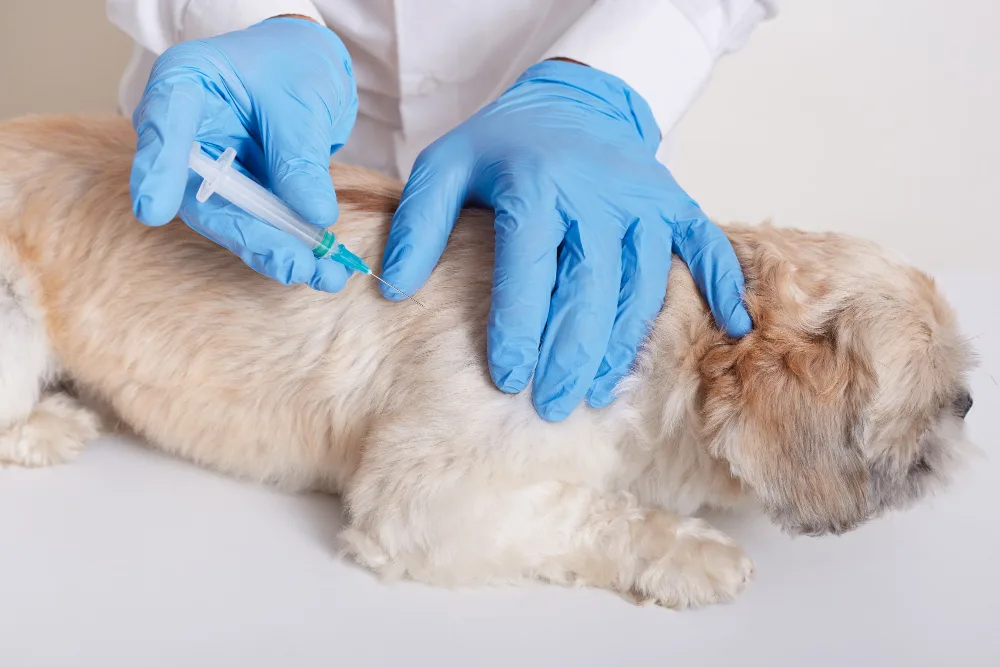
Rabies is one of the most serious viral diseases that can affect dogs and humans. It spreads through bites or saliva from infected animals. Because of this risk, rabies vaccination is legally required in many countries. Many dog owners ask a simple question: how often do dogs need rabies vaccine? The answer depends on factors like the dog’s age, vaccine type, and local laws.
Most dogs receive their first rabies vaccination when they are young puppies. After that, booster shots are required throughout their life. These boosters help maintain immunity and protect both pets and humans. Rabies prevention is not just a veterinary recommendation. In many regions it is a legal responsibility.
Understanding the rabies vaccination schedule helps dog owners protect their pets and stay compliant with local regulations. It also prevents serious health risks. In this guide, we will explore how often dogs need rabies vaccines, when boosters are required, and how vaccination supports long-term dog health.
1. When Puppies Get Their First Rabies Vaccine
Puppies usually receive their first rabies vaccine at around 12 to 16 weeks of age. This timing allows their immune system to develop enough to respond effectively to the vaccine. Before this age, puppies still carry some immunity from their mother. That protection slowly fades, which is why vaccination becomes important after the early weeks.
Veterinarians carefully schedule this first rabies shot as part of a puppy vaccination plan. This plan may include vaccines for distemper, parvovirus, and other diseases. The rabies vaccine is especially important because rabies is almost always fatal once symptoms appear.
After the first shot, puppies are considered partially protected. However, immunity does not last forever. That is why booster vaccinations are required later. Puppy owners should keep records of the vaccination date. These records are often needed for travel, boarding, or licensing.
Starting rabies vaccination early helps protect the puppy during its most vulnerable stage of life. It also builds a foundation for lifelong rabies protection.
2. The First Rabies Booster for Dogs
After the first rabies shot, dogs typically need their first booster one year later. This booster is very important. It strengthens the immune response and ensures longer protection against the virus.
Many dog owners think the first vaccine alone is enough. That is not correct. Without the booster, the immunity may fade sooner. The first booster helps the dog’s body remember the virus and fight it if exposure occurs.
Veterinarians usually remind pet owners when this booster is due. Some clinics provide vaccination reminders through messages or records. Keeping up with the booster schedule prevents lapses in protection.
Missing the first booster may require restarting the vaccination timeline in some regions. That is why pet owners should track vaccination dates carefully. Maintaining a consistent schedule ensures continuous immunity.
This booster also prepares the dog for future rabies vaccine intervals, which are often given every three years depending on regulations and vaccine type.
3. How Often Adult Dogs Need Rabies Vaccines
For adult dogs, rabies vaccination usually occurs every one to three years. The exact timing depends on the vaccine used and local laws. Some vaccines are designed to provide immunity for one year, while others protect dogs for three years.
Veterinarians often recommend the three-year vaccine if it is approved in the region. This option reduces the number of injections while maintaining protection. However, some areas still require annual rabies vaccination regardless of vaccine type.
Dog owners should always check with their veterinarian or local animal control authority. Regulations can vary by country, state, or city. Following the correct schedule ensures legal compliance.
Even if a dog rarely goes outside, vaccination is still necessary. Rabies exposure can occur through wildlife encounters or accidental contact with infected animals. Vaccination protects both the dog and the household.
Keeping up with adult dog rabies vaccines is one of the most responsible steps a pet owner can take.
4. Why Rabies Vaccination Is Legally Required
Rabies vaccination is not just a medical recommendation. In many regions it is required by law. Governments enforce these rules to prevent the spread of a deadly disease.
Rabies affects the nervous system and is almost always fatal once symptoms appear. It can spread from animals to humans through bites or scratches. Because of this risk, public health authorities require dog vaccinations to control outbreaks.
If a dog bites someone and its rabies vaccination is not current, the consequences can be serious. The dog may need quarantine or additional testing. Owners may also face legal penalties.
Maintaining up-to-date rabies vaccination records protects both the pet and the owner. It proves that the dog has received proper protection against the virus.
Following these laws helps communities reduce rabies risk and keep both animals and people safe.
5. Factors That Affect Rabies Vaccine Frequency
Several factors determine how often a dog needs rabies vaccination. The most important factor is the type of vaccine used. Some vaccines protect for one year, while others protect for three years.
Local regulations also play a major role. Even if a three-year vaccine exists, some regions still require annual vaccination. Dog owners should always follow official guidelines.
The dog’s health condition may also affect vaccination timing. Dogs with certain medical conditions may need adjusted schedules. Veterinarians evaluate each dog individually to ensure safe vaccination.
Travel requirements can also influence vaccine timing. Some countries require specific rabies vaccination records before allowing pets to enter.
Age, health, lifestyle, and legal requirements all combine to determine the best rabies vaccine schedule for each dog.
6. Signs of Rabies in Dogs
Understanding rabies symptoms helps pet owners recognize potential risks early. Rabies affects the brain and nervous system, leading to dramatic behavioral changes.
Early signs may include restlessness, anxiety, or unusual aggression. Some dogs may become overly friendly, while others become fearful or withdrawn. As the disease progresses, symptoms may include drooling, difficulty swallowing, and paralysis.
Dogs infected with rabies may also show extreme sensitivity to light or sound. In advanced stages, seizures and loss of coordination may occur.
Once clinical symptoms appear, rabies is almost always fatal. That is why prevention through vaccination is critical. There is no effective treatment once the disease develops.
Recognizing these symptoms and maintaining regular vaccination helps reduce the risk of rabies spreading among animals and humans.
7. Safety and Side Effects of Rabies Vaccines
Rabies vaccines are generally very safe for dogs. Millions of dogs receive them every year without serious problems. The vaccine stimulates the immune system to recognize and fight the rabies virus.
Some dogs may experience mild side effects after vaccination. These can include temporary tiredness, mild fever, or slight swelling at the injection site. These reactions usually disappear within a day or two.
Serious reactions are rare but possible. Signs may include vomiting, facial swelling, or difficulty breathing. If these occur, veterinary care should be sought immediately.
Veterinarians evaluate each dog before vaccination to reduce risks. They consider age, health status, and vaccination history.
Overall, the benefits of rabies vaccination far outweigh the risks. Preventing a fatal disease is far more important than the small chance of temporary side effects.
8. Importance of Rabies Vaccination Records
Keeping accurate vaccination records is an important responsibility for dog owners. These records show when the rabies vaccine was given and when the next booster is due.
Many places require proof of rabies vaccination for dog licensing. Boarding facilities, dog parks, and training centers may also request vaccination documents.
Traveling with a dog often requires official vaccination certificates. Without these records, pets may not be allowed to enter certain areas or countries.
Veterinarians usually provide vaccination certificates after each shot. Owners should store them safely and keep digital copies if possible.
Maintaining updated records ensures that the dog remains protected and compliant with regulations. It also helps veterinarians plan future vaccinations effectively.
9. Indoor Dogs Still Need Rabies Vaccines
Many dog owners believe indoor dogs do not need rabies vaccination. This is a common misconception. Even dogs that stay inside most of the time can still face rabies exposure.
Wild animals like bats, raccoons, or stray animals can enter homes or yards unexpectedly. If a dog interacts with an infected animal, the risk of rabies transmission increases.
Indoor dogs may also travel outside occasionally. Vet visits, walks, or grooming trips all create opportunities for contact with other animals.
Because rabies is so dangerous, vaccination remains essential regardless of lifestyle. Protection should never depend solely on a dog’s living environment.
Regular vaccination ensures that indoor dogs remain safe from unexpected exposure.
10. Rabies Prevention Tips for Dog Owners
Vaccination is the most effective way to prevent rabies. However, other precautions can also reduce risk. Dog owners should supervise pets when outdoors to prevent contact with wildlife.
Avoid allowing dogs to interact with unknown animals. Stray animals may carry diseases, including rabies. Reporting unusual wildlife behavior to local authorities is also helpful.
Secure trash containers and food sources that may attract wild animals. This reduces the chance of wildlife entering residential areas.
If a dog is bitten by another animal, veterinary care should be sought immediately. The veterinarian may recommend a booster vaccination depending on the situation.
Responsible pet ownership plays a major role in rabies prevention. Combining vaccination with safety practices provides strong protection.
11. What Happens If a Dog Misses a Rabies Vaccine
Sometimes dog owners accidentally miss a scheduled rabies vaccination. When this happens, the next step depends on how long the vaccine has been overdue.
If the delay is short, a booster shot may be enough to restore protection. However, longer delays may require restarting the vaccination schedule.
Local regulations may also require additional observation or documentation. This is especially important if the dog bites someone while its vaccination status is outdated.
Veterinarians help determine the safest approach when a vaccine has been missed. Scheduling the next vaccination quickly is the best solution.
Keeping reminders and maintaining records can help prevent missed rabies boosters in the future.
12. Lifelong Protection Through Rabies Vaccination
Rabies vaccination is not a one-time event. It is a lifelong commitment to protecting a dog’s health. Following the recommended schedule ensures consistent immunity.
Regular veterinary visits allow professionals to monitor a dog’s overall health. They also ensure vaccinations remain current.
Vaccination protects not only the dog but also family members and the community. Rabies is one of the few diseases that can pass easily from animals to humans.
Responsible dog owners understand the importance of prevention. By staying consistent with rabies vaccination, they reduce risk and promote safer communities.
Protecting dogs from rabies is a simple step that creates long-lasting benefits.
Frequently Asked Questions
1. How often do dogs need rabies vaccine?
Most dogs need a rabies vaccine every one to three years depending on the vaccine type and local regulations.
2. At what age do puppies get their first rabies shot?
Puppies usually receive their first rabies vaccine between 12 and 16 weeks of age.
3. Is rabies vaccination mandatory for dogs?
Yes, in many regions rabies vaccination is required by law for public health protection.
4. Can a dog get rabies even after vaccination?
Vaccination greatly reduces the risk, but no vaccine provides 100 percent protection.
5. Do indoor dogs need rabies vaccines?
Yes. Indoor dogs can still encounter wildlife or infected animals unexpectedly.
6. What happens if my dog misses a rabies booster?
A veterinarian may recommend a booster or restarting the vaccination schedule depending on the delay.
7. Are rabies vaccines safe for dogs?
Yes. Most dogs tolerate the vaccine well with only mild temporary side effects.
8. Can older dogs still receive rabies vaccines?
Yes, but veterinarians evaluate their health before vaccination.
9. How long does rabies immunity last in dogs?
Depending on the vaccine, immunity may last one to three years.
10. Why are rabies vaccination records important?
They prove legal compliance and may be required for travel, licensing, or boarding.
Learn More About Responsible Pet Health
Reliable information helps pet owners make better decisions for their animals. Platforms like CureAware share educational insights on pet wellness, preventive care, and responsible animal ownership. Exploring trusted resources can help dog owners stay informed about vaccination schedules and overall pet health practices.