


Gum disease is one of the most common oral health problems in adults. When it becomes severe, dentists may recommend osseous surgery to restore gum and bone health. Many patients search online to understand the procedure, recovery time, and expected results before undergoing treatment.
This guide explains everything in simple language. It covers what osseous surgery is, why it is needed, the procedure, cost factors, healing time, and long-term benefits. Each section focuses on important facts so that patients can make informed decisions about their oral health.
1. What Is Osseous Surgery?
Osseous surgery is a dental procedure used to treat advanced gum disease. It is also called periodontal pocket reduction surgery. The goal is to remove harmful bacteria and reshape the bone around teeth. This helps gums reattach to healthy structures and prevents further damage.
When gum disease progresses, bacteria form deep pockets between the gums and teeth. These pockets trap plaque and tartar. Regular cleaning cannot reach them. Over time, the infection spreads to the bone that supports the teeth. If untreated, this can lead to tooth loss.
During osseous surgery, a dental specialist gently lifts the gum tissue to clean infected areas. The bone surrounding the tooth is reshaped so that bacteria cannot hide in deep spaces. The gums are then placed back and stitched.
This procedure is commonly recommended for people with advanced periodontal disease. It helps stabilize teeth and restore gum health. Patients often notice improved oral hygiene and reduced inflammation after recovery.
2. Why Dentists Recommend Osseous Surgery
Dentists recommend osseous surgery when gum disease becomes severe and cannot be treated with basic cleaning procedures. Early stages of gum disease can often be managed with scaling and root planing. However, when infection spreads deeper into the bone, surgical treatment becomes necessary.
The main reason for the procedure is to reduce deep periodontal pockets. These pockets allow bacteria to grow and damage supporting bone. If the pockets remain untreated, the infection can worsen and cause teeth to become loose.
Osseous surgery helps remove infected tissue and reshape the bone so the gums can fit more tightly around the teeth. This prevents bacteria from accumulating in hidden areas.
The procedure also improves long-term oral health. Patients who undergo this treatment often find it easier to maintain proper dental hygiene. Brushing and flossing become more effective because the gum pockets are reduced.
In many cases, osseous surgery helps save natural teeth that might otherwise require extraction.
3. Understanding Osseous Surgery Dental Procedure
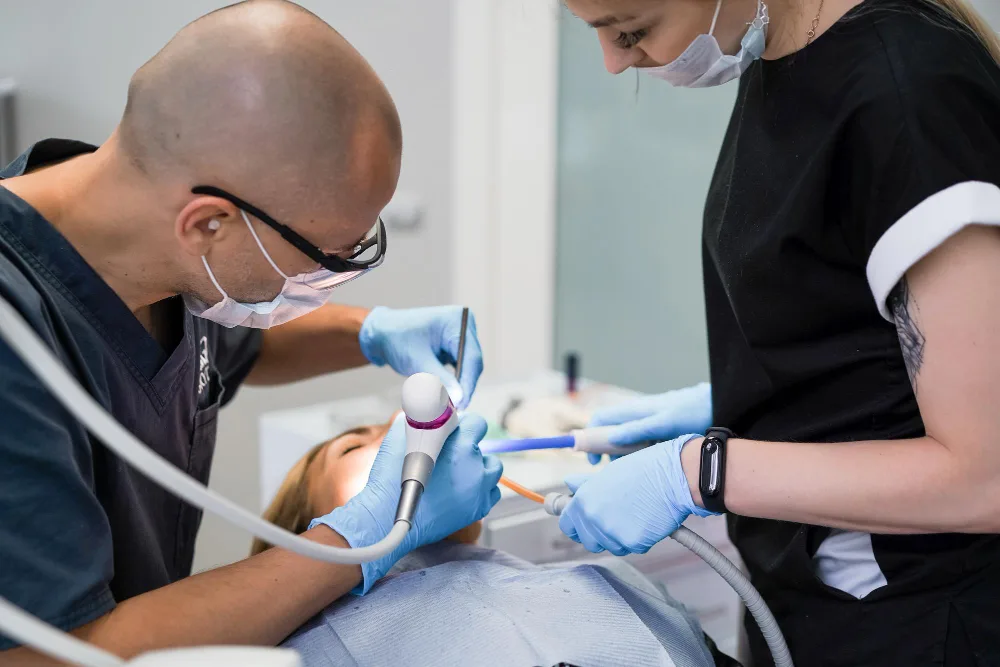
The osseous surgery dental procedure usually takes one to two hours, depending on the number of teeth involved. It is performed under local anesthesia to keep the patient comfortable during treatment.
First, the dentist numbs the affected area. Small incisions are made in the gums to gently lift the tissue away from the teeth. This allows the dentist to access the infected pockets and underlying bone.
Once the area is exposed, plaque, tartar, and bacteria are removed from the root surfaces. Specialized instruments are used to clean and smooth the bone structure. The goal is to eliminate irregular surfaces where bacteria could accumulate.
If necessary, the dentist reshapes the bone to create a healthier contour around the teeth. After the cleaning process is complete, the gum tissue is repositioned and sutured back into place.
A protective dressing may be placed over the surgical site. Patients usually return home the same day with instructions for recovery and oral care.
4. Who Needs Osseous Surgery
Not every patient with gum disease needs osseous surgery. Dentists recommend it only when periodontal disease becomes advanced. People with deep gum pockets that measure more than five millimeters may be candidates for the procedure.
Another sign is persistent gum inflammation that does not improve after deep cleaning treatments. Bleeding gums, gum recession, and loose teeth can also indicate severe periodontal damage.
Patients who have significant bone loss around their teeth often benefit from osseous surgery. The procedure helps reshape the bone and reduce the pockets where bacteria hide. This improves long-term stability for the teeth.
Individuals with chronic gum disease sometimes experience repeated infections. In such cases, surgery can help remove infected tissue and create a healthier environment for the gums to heal.
A dental examination and X-rays are usually required to determine whether osseous surgery is the best treatment option.
5. Osseous Surgery Cost and Factors That Affect It
The cost of osseous surgery can vary depending on several factors. These include the severity of gum disease, the number of teeth treated, and the complexity of the procedure.
In general, treatment costs increase when multiple areas of the mouth require surgery. Each quadrant of the mouth may be treated separately. This can affect the total expense.
Another factor is the experience of the dental specialist performing the procedure. Highly trained periodontal professionals may charge higher fees due to their expertise.
Diagnostic tests such as dental X-rays and follow-up visits can also add to the overall cost. Some patients may need additional treatments to support healing and maintain results.
Although the procedure may seem costly, it can help prevent more serious dental problems. Treating gum disease early often reduces the need for tooth replacement procedures in the future.
6. Before and After Osseous Surgery Results
Many patients are curious about before and after osseous surgery results. The goal of the procedure is to improve gum health and stabilize the teeth.
Before surgery, patients may experience symptoms such as swollen gums, bleeding during brushing, and persistent bad breath. Deep gum pockets can make it difficult to clean the teeth effectively.
After the procedure and proper healing, these symptoms often improve significantly. The gums become healthier and fit more tightly around the teeth. Reduced pocket depth makes it easier to maintain oral hygiene.
Patients may also notice less gum inflammation and improved comfort when chewing. Regular dental checkups and proper home care help maintain these results for many years.
While the surgery cannot completely reverse bone loss, it helps stop the progression of periodontal disease. This allows patients to preserve their natural teeth longer.
7. How Long Does Pain Last After Osseous Surgery
Pain and discomfort are normal after osseous surgery. However, most patients find that the discomfort is manageable. Pain usually peaks within the first few days after the procedure.
Dentists typically recommend pain relief medications to help control discomfort during the healing period. Swelling and mild tenderness may also occur around the treated area.
For many patients, the pain gradually decreases within three to five days. Complete healing may take several weeks, but significant discomfort usually improves within the first week.
Applying cold compresses during the first day can help reduce swelling. Following the dentist’s post-operative instructions is also important for a smooth recovery.
Most people can return to normal daily activities within a few days. Maintaining gentle oral hygiene and avoiding hard foods during the early recovery phase can help minimize irritation.
8. When Can I Brush My Teeth After Osseous Surgery
One common question patients ask is when they can brush their teeth after osseous surgery. Maintaining oral hygiene is important for healing, but the surgical area must be treated carefully.
In most cases, patients can brush their teeth the day after surgery. However, they should avoid brushing directly over the surgical site for the first few days. A soft-bristled toothbrush is recommended to prevent irritation.
Dentists often advise rinsing the mouth with a prescribed mouthwash or saltwater solution to keep the area clean. This helps reduce bacteria while the gums heal.
After about one week, gentle brushing around the treated area may be allowed. Patients should follow the instructions provided by their dentist because recovery times can vary.
Maintaining proper oral hygiene during healing is essential. It prevents infection and supports healthy gum tissue regeneration.
9. Do Gums Grow Back After Osseous Surgery
Many patients wonder whether gums grow back after osseous surgery. The answer depends on the condition of the gums before treatment.
Osseous surgery is designed to remove infected tissue and reshape the bone so the gums can reattach to healthier structures. While gum tissue does not completely regenerate in all cases, the procedure helps create a stable and healthier gum line.
After healing, the gums often become firmer and less inflamed. This allows them to fit more tightly around the teeth. The improved structure helps protect the underlying bone from further infection.
Some patients may notice minor changes in gum appearance after surgery. This is because the procedure removes diseased tissue and reduces pocket depth.
With good oral hygiene and regular dental care, the gums can remain healthy and stable for many years after the procedure.
10. Recovery Time After Osseous Surgery
Recovery time varies depending on the individual and the extent of the surgery. Most patients experience noticeable healing within one to two weeks.
During the first few days, mild swelling and tenderness are common. Patients are usually advised to eat soft foods and avoid chewing on the treated side of the mouth.
Stitches may dissolve on their own or be removed during a follow-up appointment. The dentist will monitor healing to ensure there are no complications.
Although initial healing occurs within a couple of weeks, complete tissue recovery may take several weeks. Maintaining good oral hygiene and attending scheduled dental visits are important during this period.
Following post-operative care instructions helps reduce the risk of infection and promotes faster healing.
11. Benefits of Osseous Surgery for Gum Health
Osseous surgery offers several important benefits for people with advanced gum disease. One of the main advantages is the reduction of deep gum pockets. This makes it harder for bacteria to accumulate around the teeth.
The procedure also helps eliminate infected tissue and smooth the bone surface. This creates a healthier environment for the gums to heal.
Another benefit is improved oral hygiene. After the surgery, patients often find it easier to brush and floss effectively. This helps prevent future periodontal problems.
Osseous surgery can also help preserve natural teeth by stopping the progression of gum disease. In many cases, it prevents the need for tooth extraction.
For individuals struggling with chronic gum infections, the procedure provides a long-term solution for improving oral health.
12. Risks and Possible Complications
Like any surgical procedure, osseous surgery carries some risks. However, complications are relatively rare when the procedure is performed by an experienced dental professional.
One possible risk is temporary gum sensitivity. Patients may notice increased sensitivity to hot or cold foods during the early healing phase.
Mild swelling and bleeding can also occur after surgery. These symptoms usually improve within a few days with proper care.
In rare cases, infection may develop at the surgical site. Following the dentist’s instructions and maintaining good oral hygiene can reduce this risk.
Patients should contact their dentist if they experience severe pain, persistent bleeding, or unusual swelling during recovery.
13. Diet After Osseous Surgery
Diet plays an important role in recovery after osseous surgery. Patients are usually advised to eat soft foods during the first few days after the procedure.
Examples include yogurt, soup, mashed vegetables, and smoothies. These foods are gentle on the gums and reduce irritation during chewing.
Hard, crunchy, or spicy foods should be avoided because they may irritate the surgical site. Hot foods and beverages may also cause discomfort during the early healing phase.
Drinking plenty of water helps maintain oral hydration and supports healing. Patients should also avoid using straws for a few days because suction can disturb the surgical area.
Gradually returning to a normal diet is usually possible after the first week, depending on healing progress.
14. Long-Term Care After Osseous Surgery
Long-term care is essential to maintain the results of osseous surgery. Patients must continue practicing good oral hygiene to prevent the return of gum disease.
Brushing twice a day with a soft toothbrush and flossing daily helps remove plaque buildup. Regular dental checkups are also important for monitoring gum health.
Professional dental cleanings help remove tartar that cannot be eliminated with brushing alone. Dentists may recommend more frequent cleanings for patients with a history of periodontal disease.
Lifestyle habits such as maintaining a balanced diet and avoiding tobacco products also support gum health. These habits reduce the risk of future infections and bone loss.
With proper care, the benefits of osseous surgery can last for many years.
15. Is Osseous Surgery Worth It?
For patients with advanced gum disease, osseous surgery can be a highly effective treatment option. It addresses the underlying cause of periodontal infection and helps prevent further damage to the teeth and bone.
Without treatment, severe gum disease can lead to tooth loss and other oral health complications. The surgery helps stabilize the affected teeth and improves the overall health of the gums.
Many patients report better oral hygiene and reduced gum inflammation after recovery. The ability to maintain healthier gums often leads to improved long-term dental outcomes.
Although the procedure requires a recovery period, the long-term benefits usually outweigh the temporary discomfort. Patients who follow proper oral care routines often experience lasting improvements in gum health.
For those dealing with severe periodontal disease, osseous surgery can be an important step toward restoring a healthy smile.
10 Engaging FAQs About Osseous Surgery
1. What is osseous surgery in dentistry?
Osseous surgery is a periodontal procedure used to treat advanced gum disease by removing infected tissue and reshaping the bone around teeth.
2. How long does osseous surgery take?
The procedure usually takes one to two hours, depending on how many teeth require treatment.
3. Is osseous surgery painful?
The procedure itself is performed under anesthesia, so patients typically feel minimal pain during treatment.
4. How long does it take to recover from osseous surgery?
Initial healing usually takes one to two weeks, but complete gum recovery may take several weeks.
5. When can I brush my teeth after osseous surgery?
Patients can usually brush their teeth the day after surgery but should avoid the surgical area for several days.
6. Do gums grow back after osseous surgery?
The procedure helps gums reattach to healthier structures, but complete regrowth of lost gum tissue is not always possible.
7. What foods should I eat after osseous surgery?
Soft foods such as yogurt, soup, and mashed vegetables are recommended during the first few days of recovery.
8. How long does pain last after osseous surgery?
Pain is usually mild to moderate and typically improves within three to five days.
9. Can osseous surgery save loose teeth?
Yes, the procedure can help stabilize teeth by removing infection and reducing gum pockets.
10. Is osseous surgery permanent?
The results can last many years if patients maintain good oral hygiene and attend regular dental checkups.