




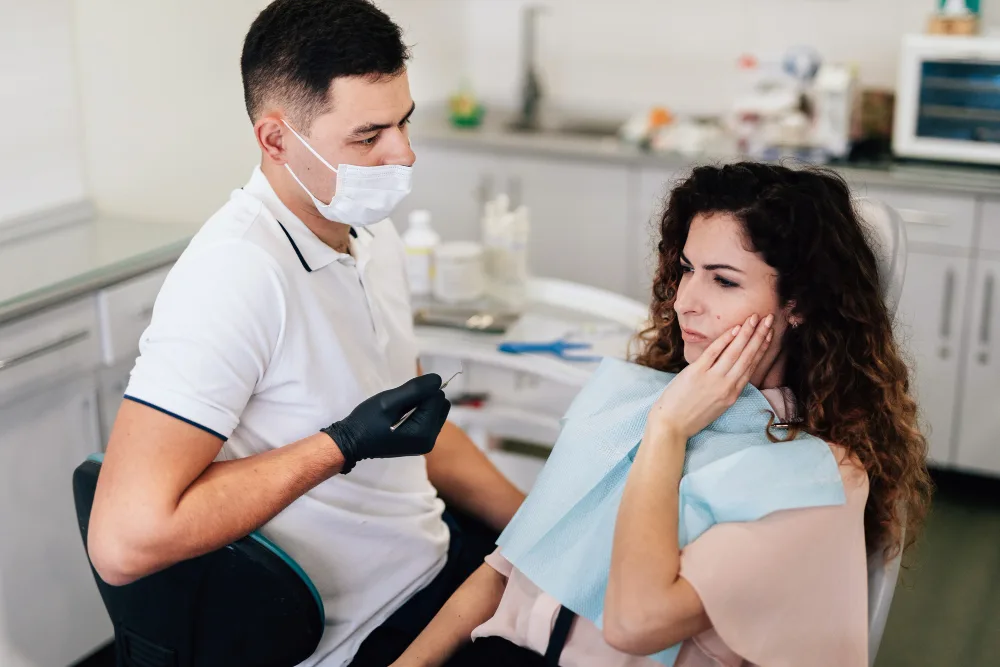
Dental crowns are designed to protect and restore damaged teeth. They are strong and durable. Most people expect them to feel just like natural teeth. However, some people notice discomfort after getting a crown. The pain may occur when chewing or applying pressure while eating. This often raises the question: why does my crown hurt when I put pressure on it?
This type of discomfort can happen for several reasons. Sometimes it is temporary and related to healing. In other cases, it may indicate an issue that requires dental attention. Understanding the possible causes can help you know when the problem is normal and when to seek treatment. In this guide, you will learn the most common reasons behind crown pain, symptoms to watch for, and what steps you can take to protect your tooth.
1. The Crown May Be Too High
One common reason people ask why does my crown hurt when I put pressure on it is that the crown may be slightly higher than the surrounding teeth. A crown that sits too high can affect your bite alignment. When you chew, the crown may receive more pressure than other teeth. This uneven pressure can cause discomfort, especially when biting hard foods.
Your bite should distribute pressure evenly across all teeth. If a crown is higher than the others, it becomes the first point of contact when the mouth closes. Over time, this extra force can irritate the tooth and surrounding ligaments. The discomfort usually appears when chewing or grinding food.
The good news is that this issue is usually easy to fix. A dental professional can adjust the crown by gently reshaping the surface. This process helps balance your bite and removes excess pressure. Once the adjustment is complete, the pain often disappears quickly. If you feel discomfort every time you bite down, it is important to get your bite checked as soon as possible.
2. Tooth Sensitivity After Crown Placement
Many people experience temporary sensitivity after a crown is placed. This sensitivity can cause discomfort when pressure is applied. If you recently had a crown procedure and you wonder why does my crown hurt when I put pressure on it, the tooth may still be adjusting.
During the crown procedure, the tooth structure is shaped to fit the new crown. This preparation can sometimes irritate the nerve inside the tooth. As a result, the tooth may become sensitive to pressure, temperature, or certain foods.
The sensitivity usually improves within a few days or weeks. The tooth gradually adapts to the crown, and the surrounding tissues recover from the procedure. During this healing phase, it is helpful to avoid extremely hard foods. Soft foods can reduce pressure on the tooth and support recovery.
However, if the pain becomes stronger or lasts longer than a few weeks, it may indicate another problem. Persistent discomfort should always be evaluated by a dental professional to ensure the crown and tooth are healthy.
3. Infection or Decay Under the Crown
Another important reason behind the question why does my crown hurt when I put pressure on it is possible infection or decay under the crown. Although crowns protect teeth, bacteria can sometimes enter through small gaps or damaged areas.
If decay develops under the crown, it can affect the inner part of the tooth. This may cause pain when biting or applying pressure. In some cases, an infection may spread to the root or surrounding tissues.
Signs of infection may include swelling, persistent pain, sensitivity, or a bad taste in the mouth. Some people also notice gum tenderness around the crowned tooth.
If an infection is present, treatment is necessary to stop the problem from worsening. A dental professional may need to remove the crown to clean the area and treat the tooth. Early treatment can prevent further complications and help preserve the tooth structure.
Regular dental checkups are important for detecting problems under crowns before they become severe.
4. Damage or Cracks in the Crown
Crowns are strong, but they are not completely indestructible. Over time, crowns can develop small cracks or damage. When this happens, pressure during chewing can create pain.
If you are asking why does my crown hurt when I put pressure on it, a damaged crown may be the reason. Cracks can expose sensitive parts of the tooth or create uneven pressure when biting.
Damage may occur from biting hard foods, teeth grinding, or accidental trauma. Sometimes the crack is small and difficult to notice. However, even a tiny fracture can cause discomfort when chewing.
A dental examination can identify whether the crown is damaged. If the crown is cracked, replacement is often recommended. A new crown restores protection and helps eliminate pressure-related pain.
Avoid chewing ice, hard candies, or extremely hard foods to reduce the risk of crown damage in the future.
5. Teeth Grinding or Clenching
Teeth grinding, also known as bruxism, can put excessive pressure on dental crowns. People who grind their teeth often wake up with jaw discomfort or tooth sensitivity. If grinding continues, it can also lead to crown pain.
Many people who experience grinding ask why does my crown hurt when I put pressure on it because the crown becomes sensitive during chewing. Grinding places strong forces on teeth and restorations. Over time, this can irritate the tooth structure and surrounding tissues.
Stress, sleep disorders, and jaw alignment issues can contribute to grinding habits. Because grinding often occurs during sleep, many people are unaware they are doing it.
Protective solutions are available to reduce pressure on crowns and natural teeth. Night guards are commonly recommended to cushion the teeth and absorb grinding forces. Managing stress and maintaining good sleep habits may also help reduce grinding episodes.
6. Gum Inflammation Around the Crown
Healthy gums play an important role in supporting dental crowns. If the gums around the crown become inflamed, the area may become sensitive to pressure.
People who notice tenderness when chewing often ask why does my crown hurt when I put pressure on it, and gum inflammation can sometimes be the cause. Plaque buildup around the crown can irritate the gum tissue and lead to swelling.
When gums become inflamed, pressure from chewing may trigger discomfort. Bleeding during brushing or flossing can also occur.
Improving oral hygiene habits can often resolve mild gum irritation. Regular brushing, flossing, and professional cleanings help keep the gums healthy. In some cases, additional treatment may be needed to reduce inflammation and restore gum health.
Healthy gums help maintain the stability and comfort of dental crowns.
7. Root Problems Beneath the Crown
Sometimes crown pain originates from deeper inside the tooth. The root of the tooth contains nerves and tissues that can become inflamed or infected.
If you frequently ask why does my crown hurt when I put pressure on it, the root structure may need evaluation. When the nerve inside the tooth becomes irritated, biting pressure can trigger sharp discomfort.
Root problems may develop due to deep decay, trauma, or untreated infections. In some cases, the tooth may require specialized treatment to address the issue.
Once the root is treated and the tooth is stabilized, the crown can continue protecting the tooth. Early diagnosis is important to prevent further damage and maintain oral health.
When Should You See a Dentist?
Pain under a crown should never be ignored. Temporary sensitivity may be normal after placement, but persistent discomfort needs attention. If the pain lasts more than a few weeks, becomes stronger, or is accompanied by swelling, professional evaluation is important.
Early treatment helps prevent complications such as infection, gum damage, or structural problems with the crown. Regular dental visits also ensure that crowns remain properly fitted and functioning.
How to Prevent Crown Pain
Preventing crown discomfort begins with good oral care habits. Brush twice daily and floss regularly to keep plaque from building around the crown. Avoid chewing extremely hard foods that can damage dental restorations.
If you grind your teeth, protective dental appliances can reduce pressure on crowns and natural teeth. Routine dental checkups help detect problems early and maintain long-term oral health.
Healthy habits not only protect your crown but also support overall dental wellness.
Take the Next Step Toward Better Oral Health
If you are experiencing discomfort and wondering why does my crown hurt when I put pressure on it, it is important to address the problem early. Ignoring dental pain can lead to more serious complications over time.
CureAware helps individuals access reliable health information and guidance so they can make informed decisions about their well-being. If you notice persistent crown pain, seeking a professional dental evaluation is the best way to protect your smile.
Visit CureAware to explore trusted health resources and learn more about maintaining strong teeth and gums.
Frequently Asked Questions
1. Why does my crown hurt when I bite down?
Pain when biting may occur if the crown is too high, the tooth is sensitive, or there is an issue beneath the crown such as infection or nerve irritation.
2. Is it normal for a new crown to hurt when chewing?
Mild sensitivity is common after crown placement. It usually improves within a few weeks as the tooth adjusts.
3. How long should crown sensitivity last?
Sensitivity typically lasts a few days to a few weeks. Persistent pain should be checked by a dental professional.
4. Can a crown become infected?
Yes. Bacteria can enter under the crown and cause infection if there is a gap or damage.
5. What happens if a crown is too high?
A high crown can create uneven bite pressure, causing pain while chewing.
6. Can teeth grinding cause crown pain?
Yes. Grinding or clenching places strong pressure on crowns and can lead to discomfort.
7. How do dentists fix a painful crown?
Treatment depends on the cause. It may involve adjusting the crown, treating infection, or replacing the crown.
8. Can gum disease cause pain around a crown?
Yes. Inflamed gums around the crown can make chewing uncomfortable.
9. Should I avoid hard foods with a crown?
Yes. Hard foods can damage crowns and increase pressure on the tooth.
10. When should I seek professional help for crown pain?
If the pain is severe, lasts longer than two weeks, or includes swelling, it is best to seek dental evaluation.