

Introduction
Early onset stroke is becoming more common among younger individuals. It often affects people under the age of 50. While lifestyle factors play a role, genetics is also a major contributor. Understanding the genetic link can help in early detection and prevention. Many people are unaware that inherited conditions can increase stroke risk. This makes awareness even more important.
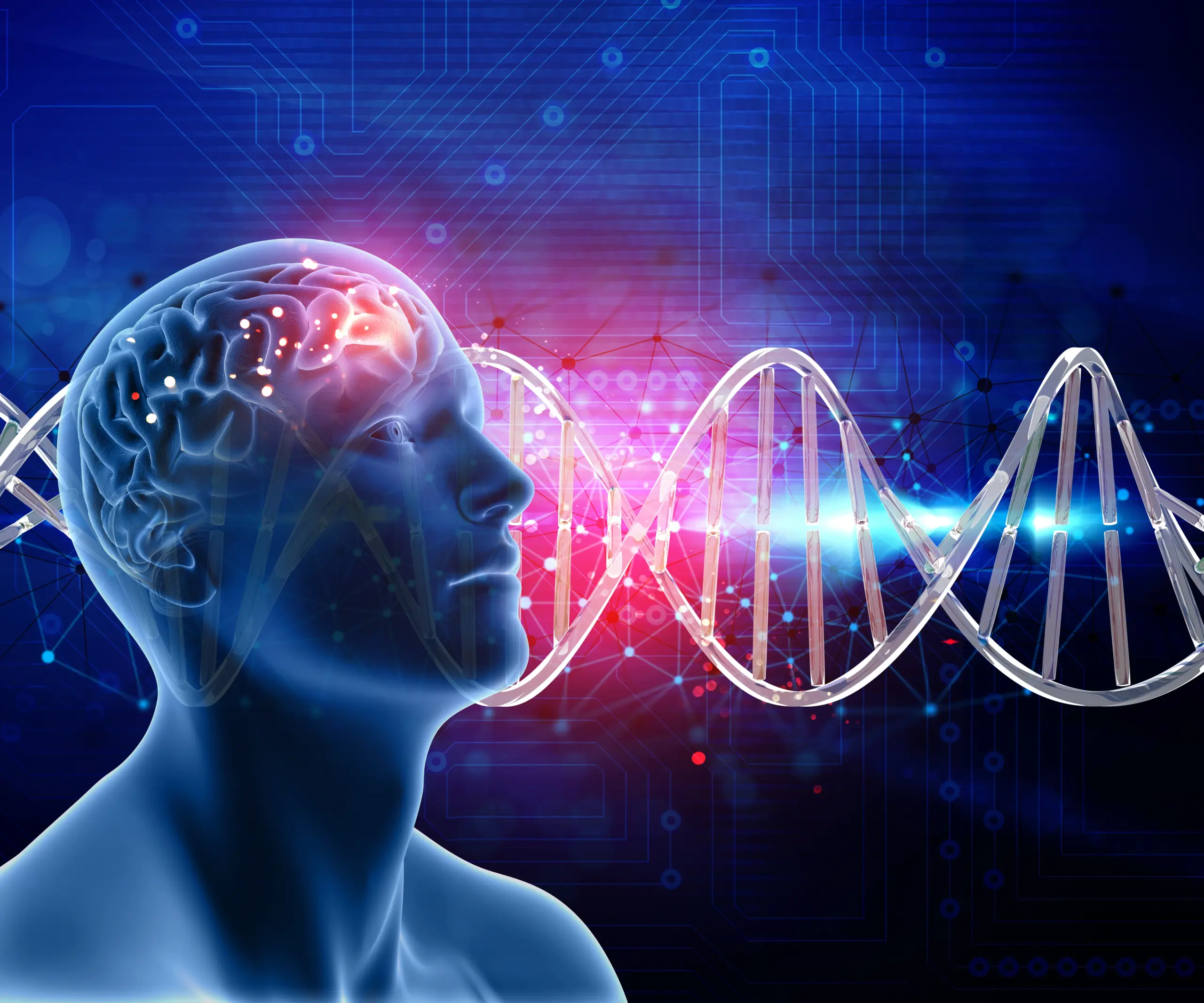
When we talk about early onset stroke genetics, we focus on how genes influence blood vessels, clotting, and brain health. Some people are born with genetic mutations that make them more vulnerable. Others may develop risk due to family history. Knowing these factors can help reduce complications.
This guide explains everything in simple language. It covers causes, symptoms, diagnosis, and prevention. It also includes useful keywords to help you understand the topic better.
What Is Early Onset Stroke Genetics?
Early onset stroke genetics refers to inherited factors that increase the risk of stroke at a younger age. Unlike strokes in older adults, these are often linked to genetic mutations or family history. These genetic factors can affect blood flow, clotting, and artery health.
Some individuals may carry genes that make their blood more likely to clot. Others may have weak blood vessels due to inherited conditions. These issues can lead to sudden blockage or bleeding in the brain.
Understanding genetic stroke risk is important for early diagnosis. It helps doctors identify high-risk individuals before symptoms appear. Genetic testing can also play a key role. Many people with a family history of stroke should consider screening.
In simple terms, early onset stroke genetics explains why some young people suffer strokes without obvious lifestyle risks. It highlights the importance of both inherited and environmental factors working together.
1. Genetic Causes of Early Onset Stroke
Genetic causes are one of the main reasons behind early strokes. Certain inherited conditions directly affect blood vessels. These include disorders that weaken arteries or disrupt blood circulation. Some genetic mutations can cause abnormal clot formation. Others can lead to inflammation in blood vessels. These issues increase the chances of stroke at a young age.
Family history plays a strong role. If close relatives had strokes early in life, the risk increases. This is why understanding family medical history is essential. In addition, rare genetic disorders can also contribute. These conditions may not show symptoms until a stroke occurs. That makes early testing very important. Identifying genetic causes early can help manage risk. Lifestyle changes and medical care can reduce complications. Awareness is the first step toward prevention.
2. Role of Family History in Stroke Risk
Family history is a major indicator of stroke risk. If parents or siblings had early strokes, the chances increase significantly. This is because genetic traits are passed from one generation to another.
Many families share similar health conditions. These include high blood pressure, diabetes, and cholesterol issues. When combined with genetic factors, the risk becomes higher. Understanding your family history can help in early prevention. It allows doctors to monitor symptoms closely. Regular health check-ups become more important in such cases. In some situations, people may not know their full medical history. Even then, awareness of symptoms can help. Early detection can prevent serious complications. Overall, family history provides valuable clues. It helps identify individuals who need extra care and attention.
3. Common Genetic Disorders Linked to Stroke
Several genetic disorders are linked to early onset stroke. These conditions affect blood vessels and brain function. Some disorders cause narrowing of arteries, while others lead to clot formation.
One common issue is inherited blood-clotting disorders. These increase the chances of blockage in the brain. Another condition involves damage to small blood vessels. These disorders are often rare but serious. They may not show symptoms until a stroke occurs. That is why early diagnosis is important. Doctors may recommend genetic testing for high-risk individuals. This helps identify underlying conditions before complications arise. Understanding these disorders can save lives. It allows for timely treatment and better management of stroke risk.
4. Symptoms of Early Onset Stroke
Recognizing symptoms early can make a big difference. Early onset stroke symptoms are similar to those in older adults. However, they may be ignored in younger people. Common signs include sudden weakness on one side of the body. Difficulty speaking or understanding speech is another symptom. Vision problems and severe headaches are also warning signs. Some people may experience dizziness or loss of balance. These symptoms can appear suddenly and worsen quickly. Immediate medical attention is crucial. Many young individuals ignore these signs. They may assume it is stress or fatigue. This delay can lead to serious complications. Knowing the symptoms can help save lives. Quick action can reduce brain damage and improve recovery chances.
5. Risk Factors Beyond Genetics
While genetics plays a major role, other risk factors also contribute. Lifestyle choices can increase stroke risk even in genetically healthy individuals. Smoking is one of the biggest risk factors. It damages blood vessels and increases clot formation. Poor diet and lack of exercise also contribute.
High blood pressure and diabetes are common triggers. These conditions can worsen genetic vulnerabilities. Stress and obesity further increase the risk. Combining genetic and lifestyle factors creates a higher risk. That is why a balanced approach is important. Managing lifestyle habits can significantly reduce stroke chances. Even those with genetic risk can stay healthy with proper care.
6. Importance of Genetic Testing
Genetic testing helps identify inherited stroke risks. It can detect mutations that may not show symptoms early. This allows for preventive measures. Testing is especially useful for people with a family history. It provides clear insights into potential risks. Doctors can then suggest personalized treatment plans. Early testing can prevent severe complications. It helps monitor health conditions closely. Regular check-ups become more effective. However, testing should be done under medical guidance. Proper interpretation of results is important. Overall, genetic testing is a powerful tool. It helps in early detection and better management of stroke risk.
7. Diagnosis and Medical Evaluation
Diagnosing early onset stroke requires a detailed evaluation. Doctors use imaging tests like MRI and CT scans. These help identify brain damage. Blood tests are also important. They check for clotting disorders and other conditions. Genetic tests may be recommended in some cases. Medical history plays a key role in diagnosis. Doctors consider family background and lifestyle factors. Early diagnosis improves treatment outcomes. It helps prevent further complications. Regular health check-ups are essential for high-risk individuals. They ensure timely detection and care.
8. Treatment Options for Early Stroke
Treatment depends on the type and cause of the stroke. Immediate medical care is crucial. It helps restore blood flow to the brain. Medications are often used to dissolve clots. In some cases, surgery may be required. Rehabilitation is also an important part of recovery. Lifestyle changes are necessary after treatment. These include a healthy diet and regular exercise. Long-term care focuses on preventing future strokes. Monitoring health conditions is essential.
With proper treatment, many individuals recover well. Early intervention makes a big difference.
9. Prevention Strategies
Prevention is the best way to reduce stroke risk. Even with genetic factors, lifestyle changes can help. Maintaining a healthy diet is important. Regular exercise improves blood circulation. Avoiding smoking and alcohol is also beneficial. Managing stress is another key factor. Regular health check-ups help monitor conditions. Early awareness can prevent serious complications. It allows individuals to take control of their health. Prevention is always better than treatment. Small changes can lead to long-term benefits.
10. Impact on Younger Population
Early onset stroke has a significant impact on young individuals. It affects their personal and professional lives. Recovery can be challenging. It may require long-term care and rehabilitation. Emotional stress is also common. Awareness is important to reduce stigma. Many young people feel isolated after a stroke. Support from family and healthcare professionals is crucial. It helps in faster recovery. Understanding the impact can improve care and support systems.
11. Recovery and Rehabilitation
Recovery after stroke varies from person to person. Some individuals recover quickly, while others need more time. Rehabilitation includes physical therapy and speech therapy. These help regain lost abilities. Mental health support is also important. Emotional well-being affects recovery. Consistency is key in rehabilitation. Regular exercises improve progress. With proper care, many individuals lead normal lives again.
12. Role of Diet and Nutrition
Diet plays a major role in stroke prevention. Healthy food supports heart and brain health. Fruits and vegetables are essential. They provide important nutrients. Whole grains and lean proteins are also beneficial. Avoiding processed food is important. It reduces cholesterol and blood pressure. Hydration is equally important. Drinking enough water supports overall health. A balanced diet can reduce stroke risk significantly.
13. Lifestyle Modifications
Simple lifestyle changes can make a big difference. Regular exercise improves blood circulation. Sleep is also important. Proper rest supports brain function. Stress management techniques like meditation can help. Avoiding harmful habits is essential. This includes smoking and excessive alcohol consumption. Healthy habits lead to long-term benefits.
14. Importance of Awareness
Awareness helps in early detection and prevention. Many people are unaware of genetic risks. Education can reduce complications. It encourages people to seek medical advice. Community programs can spread awareness. They help reach more people. Knowledge is power. It helps individuals make informed decisions. Increasing awareness can save lives.
15. Future of Genetic Research in Stroke
Research in genetics is growing rapidly. Scientists are discovering new risk factors. Advanced technology is improving diagnosis. It allows a better understanding of genetic mutations. Future treatments may focus on personalized medicine. This will improve outcomes. Ongoing research brings hope for better prevention. The future looks promising for managing early onset stroke.
FAQs
- What is early onset stroke genetics?
It refers to inherited factors that increase stroke risk at a younger age. - Can young people have a stroke due to genetics?
Yes, genetic mutations and family history can increase risk. - What are the early symptoms of stroke?
Sudden weakness, speech issues, and vision problems are common signs. - Is genetic testing necessary for stroke risk?
It is recommended for individuals with a strong family history. - Can early onset stroke be prevented?
Yes, lifestyle changes and early detection can reduce risk. - What lifestyle changes help prevent stroke?
Healthy diet, exercise, and avoiding smoking are key factors. - Are genetic strokes treatable?
Yes, early diagnosis and treatment improve outcomes. - How does family history affect stroke risk?
It increases the likelihood due to inherited traits. - What role does diet play in prevention?
A balanced diet supports heart and brain health. - Can recovery from early stroke be complete?
Many individuals recover with proper treatment and care.