




5 Tips for Instant Migraine Relief
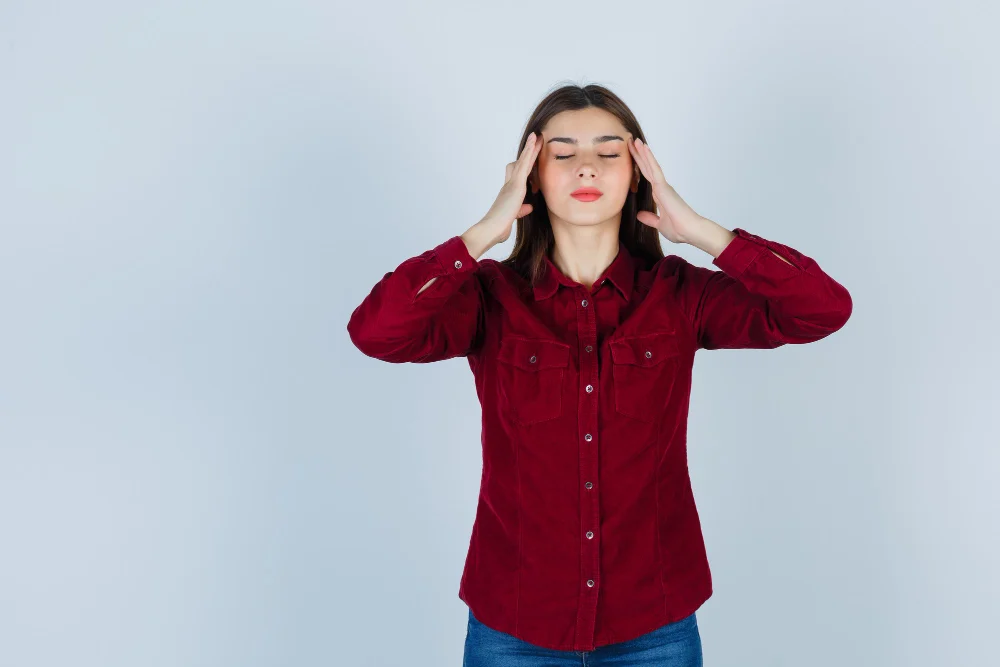
Migraines are not ordinary headaches. They arrive like an unexpected storm. The pain can throb on one side of the head. Bright lights feel sharper. Sounds seem louder. Even a simple conversation may feel exhausting. Many people search for instant migraine relief because migraine attacks can disrupt work, school, and daily routines.
Understanding migraines helps you control them better. A migraine usually involves intense head pain, sensitivity to light, nausea, and fatigue. Sometimes warning signs appear before the attack. These include mood changes, neck stiffness, or food cravings. When ignored, the pain can become severe.
The good news is that small actions can bring quick relief. You do not always need complex treatments. Often, simple lifestyle adjustments help calm the brain and reduce migraine intensity. Hydration, rest, and sensory control can make a big difference.
This guide explores 5 effective tips for instant migraine relief. These methods are easy to try and safe for most people. They focus on natural ways to reduce migraine pain quickly. You will also learn useful insights about migraine triggers and prevention strategies.
Let’s begin with the first powerful yet simple remedy.
1. Hydrate Your Body Immediately
One of the most overlooked migraine triggers is dehydration. The brain is highly sensitive to fluid levels. Even mild dehydration can cause headaches and worsen migraine symptoms. When the body lacks water, blood volume decreases. This affects oxygen supply to the brain, which may trigger migraine pain.
Drinking water is often the fastest step toward instant migraine relief. Start by sipping a glass of cool water slowly. Avoid drinking too quickly because sudden intake may cause nausea during migraines. Hydration works best when done gradually over time.
Electrolytes can also help restore balance. Foods rich in potassium and magnesium support nerve function and muscle relaxation. These minerals are often depleted during dehydration and stress. Replacing them may reduce migraine intensity.
It is helpful to keep water nearby throughout the day. Many migraine attacks begin because people forget to drink fluids during busy routines. Building a hydration habit is a powerful preventive step.
If migraines occur frequently, tracking daily water intake can help identify patterns. Some people notice that headaches appear after long hours without fluids.
Hydration may sound simple, but it is one of the most effective natural methods for quick migraine relief.
2. Rest in a Dark and Quiet Room
Migraines often amplify sensory signals. Lights seem brighter. Sounds feel sharper. Even mild noise may feel overwhelming. This sensory overload is one reason migraine attacks become so painful.
A quick way to find instant migraine relief is to move into a dark, quiet environment. This allows the brain to reduce stimulation and recover. Bright lights and loud sounds force the nervous system to work harder, which increases migraine intensity.
Lie down in a calm space. Close your eyes and relax your facial muscles. Deep breathing can help slow the nervous system. Each breath signals the brain to shift from stress mode to recovery mode.
Darkness helps regulate the brain’s pain pathways. Studies show that light exposure can worsen migraine symptoms. This is why many migraine sufferers naturally prefer resting in dim rooms during attacks.
Silence is equally important. Even small noises may trigger discomfort when migraines occur. Using soft earplugs or calming background sounds can sometimes help.
Short rest periods may reduce migraine severity within minutes. Even a brief break from screens, lights, and conversations can help the brain reset.
Creating a calm space is one of the simplest and most reliable methods for fast migraine relief.
3. Apply a Cold Compress to the Head
Temperature therapy is another powerful method for instant migraine relief. Cold compresses help narrow blood vessels and reduce inflammation in the head. This effect can calm throbbing migraine pain.
Place a cold pack or chilled cloth on the forehead, temples, or back of the neck. These areas contain important blood vessels connected to migraine pathways. Cooling them can reduce pressure and discomfort.
The cold sensation also distracts the brain from pain signals. This phenomenon is called sensory competition. When the brain focuses on cold stimulation, pain perception may decrease.
Many people find relief within 10 to 15 minutes of applying a cold compress. However, it is best to wrap ice packs in a cloth to protect the skin. Direct ice contact may cause irritation.
Some individuals prefer alternating cold and cool compresses. Experimenting with temperature levels can help determine what works best.
Cold therapy works especially well during the early stages of a migraine. Applying a compress as soon as symptoms begin may prevent the pain from intensifying.
This simple technique is easy to try at home, work, or while traveling. Keeping a reusable cold pack nearby can help manage migraines quickly when they appear.
4. Practice Deep Breathing and Relaxation
Stress is one of the most common migraine triggers. When the body experiences tension, muscles tighten and blood pressure rises. This creates the perfect environment for migraine attacks.
Relaxation techniques can provide instant migraine relief by calming the nervous system. Deep breathing is one of the most effective methods.
Start by inhaling slowly through the nose for four seconds. Hold the breath briefly. Then exhale gently through the mouth for six seconds. Repeat this cycle for several minutes.
This breathing pattern activates the body’s relaxation response. Heart rate slows. Muscle tension decreases. The brain receives signals that the body is safe and calm.
Meditation and mindfulness can also help reduce migraine intensity. Focusing attention on breathing shifts awareness away from pain signals.
Some people benefit from progressive muscle relaxation. This involves gently tightening and releasing different muscle groups. The process encourages full-body relaxation.
These techniques are especially useful when migraines are linked to stress, anxiety, or fatigue. Practicing them regularly may reduce migraine frequency over time.
Relaxation methods require no equipment and can be used anywhere. With practice, they become powerful tools for quick migraine relief.
5. Identify and Avoid Migraine Triggers
Long-term instant migraine relief strategies often involve understanding personal triggers. Migraines rarely appear without a cause. They usually follow specific patterns related to lifestyle, environment, or diet.
Common migraine triggers include lack of sleep, dehydration, stress, and certain foods. Bright lights, strong smells, and hormonal changes may also contribute.
Keeping a migraine diary can help identify patterns. Record when migraines occur, what you ate, your sleep schedule, and stress levels. Over time, patterns often become clear.
Once triggers are identified, prevention becomes easier. For example, if skipping meals causes migraines, maintaining regular eating habits can help. If screen exposure is a trigger, frequent breaks may reduce attacks.
Consistency is important. The brain prefers stable routines. Irregular sleep schedules or sudden dietary changes can disturb this balance and trigger migraines.
Preventive strategies do not eliminate migraines completely. However, they significantly reduce frequency and intensity.
Understanding your body is one of the most powerful ways to gain control over migraines and reduce the need for emergency relief methods.
Understanding Migraine Symptoms and Warning Signs
Migraines rarely appear without signals. Many people experience warning signs hours before the pain begins. Recognizing these symptoms can help you act quickly and seek instant migraine relief before the attack intensifies.
Common early symptoms include fatigue, irritability, and difficulty concentrating. Some individuals notice blurred vision or sensitivity to light. Others may experience neck stiffness or unusual food cravings.
These signals occur because brain activity changes before migraine pain starts. Blood flow shifts in certain areas of the brain. Nerve pathways become more sensitive to stimuli.
Taking action during this early phase can prevent severe migraine episodes. Drinking water, resting, and reducing screen exposure may slow the progression of symptoms.
Another stage called migraine aura affects some individuals. During this phase, visual disturbances such as flashing lights or zigzag patterns may appear. Although aura can be alarming, it often serves as a warning sign.
Understanding migraine symptoms helps individuals respond quickly and manage attacks more effectively.
Natural Lifestyle Habits That Help Prevent Migraines
Preventing migraines is often easier than treating them. Daily habits influence brain health more than many people realize. Consistency in sleep, diet, and stress management plays a crucial role in reducing migraine frequency.
Sleep is one of the most important factors. Irregular sleep schedules can disrupt brain chemistry and trigger migraines. Going to bed and waking up at the same time each day helps regulate the body’s internal clock.
Balanced nutrition also supports migraine prevention. Skipping meals may lower blood sugar levels and trigger headaches. Eating regular meals keeps energy levels stable.
Physical activity improves blood circulation and reduces stress hormones. Even light exercises such as walking or stretching can benefit migraine sufferers.
Limiting caffeine intake may also help some individuals. While caffeine sometimes relieves headaches, excessive consumption can lead to rebound migraines.
Adopting healthy routines may not eliminate migraines completely. However, these habits strengthen the body’s resilience and reduce the likelihood of severe attacks.
Prevention strategies work best when practiced consistently over time.
When to Seek Medical Attention
While home remedies often provide instant migraine relief, some situations require medical attention. Persistent or unusually severe headaches should never be ignored.
If migraine pain lasts longer than 72 hours, professional evaluation is recommended. This condition is sometimes called status migrainosus and requires medical care.
Sudden migraines accompanied by confusion, weakness, or vision loss should also be treated as urgent symptoms. These signs may indicate neurological conditions that require immediate attention.
Frequent migraines that interfere with daily life may benefit from medical guidance. Healthcare professionals can suggest preventive therapies, lifestyle adjustments, or specialized treatments.
Ignoring chronic migraines can affect productivity, mental health, and overall quality of life. Seeking professional advice helps individuals develop personalized management strategies.
Understanding when to seek help is an important part of responsible migraine care.
A Thoughtful Step Toward Better Migraine Awareness
Migraines affect millions of people worldwide. Yet many individuals still struggle to find reliable information and supportive guidance. Learning about migraine triggers, symptoms, and relief methods is an important step toward better health.
Reliable health education plays a key role in helping people make informed choices. Resources that focus on awareness and understanding can empower individuals to manage migraines more confidently.
Platforms like CureAware encourage learning about health conditions and exploring practical wellness knowledge. When people stay informed, they become better prepared to recognize symptoms and take proactive steps toward relief.
Small lifestyle adjustments combined with accurate knowledge can make a meaningful difference in migraine management.
Knowledge is often the first step toward relief.
Frequently Asked Questions (FAQs)
1. What causes migraines to start suddenly?
Migraines may begin due to triggers such as dehydration, stress, hormonal changes, bright lights, or irregular sleep patterns.
2. What is the fastest way to relieve a migraine?
Hydration, resting in a dark room, applying a cold compress, and practicing deep breathing are common methods for quick migraine relief.
3. Can dehydration trigger migraines?
Yes. Lack of fluids can affect blood flow and brain function, which may lead to migraine headaches.
4. Are migraines different from normal headaches?
Yes. Migraines often involve severe throbbing pain along with symptoms like nausea, light sensitivity, and visual disturbances.
5. How long do migraines usually last?
Migraine attacks can last anywhere from a few hours to several days depending on severity and treatment.
6. Can sleep help relieve migraines?
Yes. Resting in a quiet and dark environment can help reduce brain stimulation and ease migraine symptoms.
7. What foods commonly trigger migraines?
Certain foods like aged cheese, processed meats, and foods with artificial additives may trigger migraines in some individuals.
8. Are migraines hereditary?
Research suggests genetics can play a role. People with family members who experience migraines may have a higher risk.
9. Can stress cause migraines?
Yes. Emotional stress and tension are among the most common migraine triggers.
10. When should someone see a doctor for migraines?
Medical attention is recommended if migraines are severe, frequent, or accompanied by unusual neurological symptoms.