

Introduction
Knee replacement surgery can transform a person’s life. It often removes years of pain and stiffness. Many people finally regain the freedom to walk, climb stairs, and move without discomfort.
But the surgery is only one part of the journey.
Recovery plays an equally important role. What patients do after the procedure can decide how successful the outcome will be. Even small mistakes during recovery may slow healing or create complications.
Many patients assume the surgery alone fixes everything. In reality, the body needs time, patience, and proper care to adapt to the new joint.
Ignoring medical advice, skipping rehabilitation, or pushing the knee too hard can affect the final results. Understanding common post-surgery mistakes helps patients avoid setbacks. It also improves mobility, reduces pain, and protects the artificial joint for many years.
This guide explains the top 5 mistakes after knee replacement and how to avoid them. It also covers recovery tips, precautions, and simple habits that support healing. When patients stay informed and careful, recovery becomes smoother and more comfortable.
Understanding Knee Replacement Recovery
Knee replacement recovery is a gradual process. The body needs time to heal tissues, muscles, and ligaments around the new joint. Immediately after surgery, swelling and stiffness are normal. The knee may feel tight or uncomfortable for a few weeks.
Doctors usually recommend physical therapy within the first few days. Gentle movement helps restore flexibility and improve blood flow. Most patients begin walking with support soon after surgery. However, full recovery can take several months.
Following the correct recovery plan is crucial during this phase. Patients must balance rest, exercise, and medical care. Ignoring instructions may lead to delayed healing. On the other hand, overexertion may cause pain or inflammation.
Proper recovery habits include medication adherence, physiotherapy, wound care, and safe movement practices. Lifestyle factors also influence healing. Nutrition, sleep, and hydration support tissue repair and reduce fatigue.
Understanding the recovery timeline helps patients stay patient and motivated. With consistent care, most people gradually return to normal daily activities.
Mistake #1: Skipping Physical Therapy
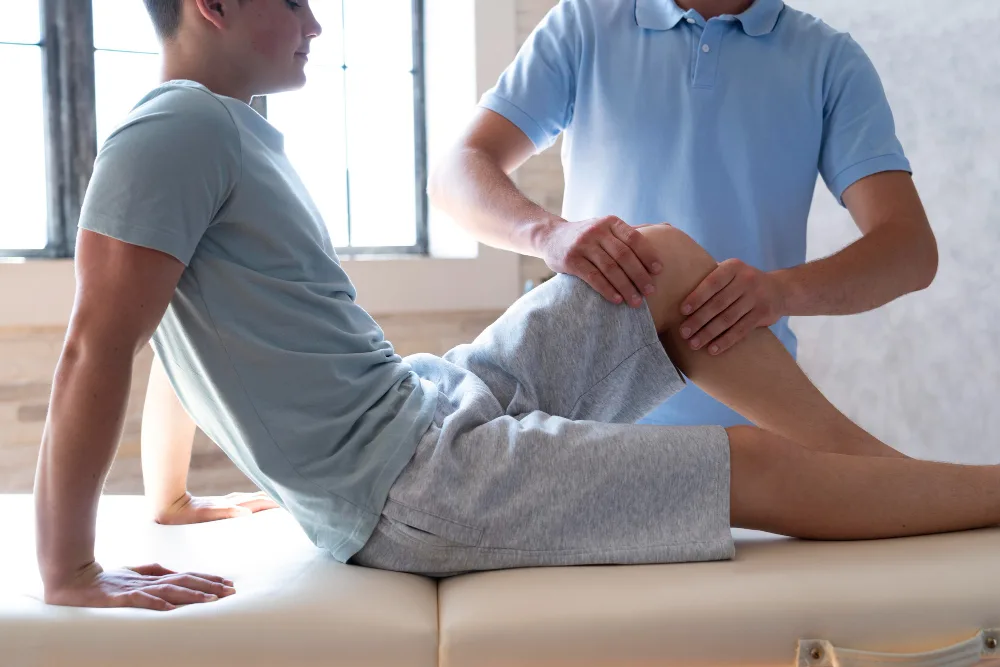
Physical therapy is one of the most important parts of recovery. Yet many patients underestimate its value. Some people stop therapy early once the pain decreases. Others skip exercises because they feel uncomfortable or tired.
This is a major mistake.
Physical therapy helps strengthen muscles around the knee. Strong muscles stabilize the joint and improve movement. Without therapy, stiffness may increase. The knee might lose flexibility, making walking and bending difficult.
Regular physiotherapy also prevents scar tissue buildup. Scar tissue can restrict movement if not managed properly. Therapists guide patients through safe exercises. These movements gradually improve balance, strength, and coordination.
Another benefit is restoring a natural walking pattern. Many people develop abnormal walking habits due to long-term knee pain before surgery. Therapy helps correct those habits.
Patients who stay consistent with physiotherapy usually recover faster. They also regain better range of motion. Skipping sessions may delay progress and reduce long-term mobility. Recovery exercises might seem slow at first. But consistency leads to steady improvement.
Mistake #2: Ignoring Pain or Overusing the Knee
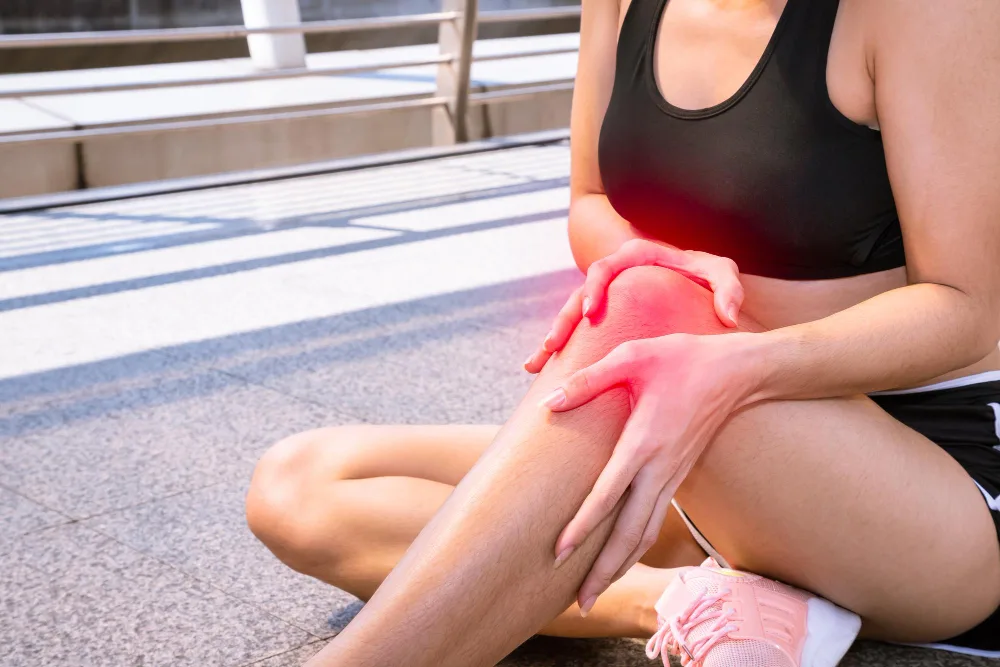
Pain after knee replacement is normal during the early recovery period. However, patients must understand the difference between normal discomfort and warning signs.
Some individuals ignore severe pain and continue pushing through activities. Others believe that using the knee aggressively will speed up recovery.
This approach can cause serious problems.
Overusing the knee may increase swelling and inflammation. The surrounding tissues are still healing, and excessive stress may damage them. Walking long distances too early can strain muscles. It may also cause joint irritation. Patients should follow activity limits recommended by their surgeon or therapist.
Listening to the body is important. Persistent or sharp pain should not be ignored. Pain may signal infection, implant issues, or improper movement patterns.
Resting when needed helps the body repair itself. Ice packs and elevation can reduce swelling and discomfort.
Balanced activity is key.
Gentle movement encourages healing. But excessive activity may slow recovery. A steady, controlled rehabilitation plan always produces better results than pushing the knee too hard.
Mistake #3: Not Following Post-Surgery Precautions
Post-surgery precautions exist for a reason. They protect the knee joint while tissues heal.
Unfortunately, some patients become careless after leaving the hospital. They may sit incorrectly, twist the knee suddenly, or attempt difficult movements too soon. These actions can stress the new joint.
Doctors usually provide a list of precautions. These instructions may include avoiding deep squats, sudden kneeling, or heavy lifting. Ignoring these guidelines can increase the risk of complications.
Another common mistake is poor wound care. The surgical incision must stay clean and dry to prevent infection. Patients should monitor the wound regularly. Signs like redness, unusual swelling, or discharge require immediate medical attention.
Proper sleeping positions also matter. Placing a pillow under the knee incorrectly may cause stiffness or improper alignment. Simple precautions protect the implant during the early recovery phase.
Following medical instructions carefully helps avoid unnecessary setbacks. Patients who stay cautious during the first few months usually experience smoother healing and stronger joint stability.
Mistake #4: Avoiding Movement Completely
Some patients take the opposite approach to recovery.
They become afraid of moving the knee.
Fear of pain or injury may cause them to stay inactive for long periods.
While rest is important, complete inactivity can be harmful.
The knee joint needs gentle movement to stay flexible. Without motion, stiffness develops quickly.
Muscles around the knee may also weaken. Weak muscles cannot support the new joint effectively.
This can delay recovery and affect walking ability.
Movement improves blood circulation as well. Good circulation helps reduce swelling and prevents complications like blood clots.
Doctors usually encourage light activity soon after surgery.
Short walks, gentle stretches, and guided therapy exercises are safe and beneficial.
The key is controlled movement.
Patients should avoid extreme bending or sudden twisting.
But they should not avoid movement entirely.
Gradual activity helps restore strength and confidence.
Over time, the knee becomes more flexible and stable.
Balanced activity ensures steady progress during recovery.
Mistake #5: Neglecting Healthy Lifestyle Habits
Recovery after knee replacement is not only about the joint.
The whole body must support healing.
Many patients overlook lifestyle factors that influence recovery speed.
Nutrition plays a major role in tissue repair. The body needs protein, vitamins, and minerals to rebuild muscles and heal surgical wounds.
Poor diet may slow down recovery.
Hydration is equally important. Drinking enough water helps maintain circulation and reduces fatigue.
Sleep is another essential factor.
The body performs most of its healing during rest. Lack of sleep can increase inflammation and delay progress.
Weight management also matters.
Excess body weight puts extra pressure on the new knee joint. This stress may shorten the lifespan of the implant.
Patients should adopt healthy habits during recovery.
Balanced meals, regular sleep, and moderate physical activity support long-term joint health.
When lifestyle habits improve, the body responds better to therapy and healing becomes smoother.
Tips for a Smooth Knee Replacement Recovery
Recovering from knee replacement requires patience and discipline. Small daily habits can make a big difference.
Patients should follow medical instructions carefully. Doctors and physiotherapists design recovery plans based on each individual’s condition.
Regular physiotherapy remains the most effective way to restore strength and flexibility.
Pain management should also be handled responsibly. Medications must be taken exactly as prescribed.
Applying ice packs helps control swelling during the early weeks.
Elevating the leg may also reduce inflammation.
Patients should maintain a safe home environment. Removing obstacles and using support rails can prevent accidental falls.
Comfortable footwear with good grip improves walking stability.
Balanced nutrition supports healing and energy levels.
Foods rich in protein, calcium, and vitamins promote tissue repair.
Mental health matters too. Recovery can feel slow, but staying positive helps maintain motivation.
Family support and consistent care often make the journey easier.
Most importantly, patients should stay patient with the process.
Gradual progress leads to lasting results.
When to Contact a Doctor
Some symptoms after knee replacement require medical attention.
Patients should never ignore unusual signs.
Persistent swelling, severe pain, or high fever may indicate infection or complications.
Sudden difficulty in moving the knee should also be evaluated.
Unusual warmth or redness around the incision can signal inflammation.
Shortness of breath or severe calf pain may indicate a blood clot and requires urgent care.
Regular follow-up appointments help doctors monitor recovery.
These visits allow adjustments to therapy and medication when necessary.
Early detection of problems prevents serious complications.
Patients should always communicate openly with their healthcare provider.
Timely medical guidance ensures safe and effective healing.
Final Thoughts
Knee replacement surgery offers a second chance at comfortable movement.
However, the success of the procedure depends heavily on recovery habits.
Avoiding the top 5 mistakes after knee replacement can protect the new joint and improve long-term mobility.
Patients should remain committed to physiotherapy and follow medical advice carefully.
Balanced activity, proper rest, and healthy lifestyle choices support the healing process.
Recovery may take time, but steady progress leads to strong results.
When patients stay informed and proactive, they often return to daily activities with greater comfort and confidence.
Reliable health resources can also help patients understand recovery better and stay aware of proper care practices.
Platforms like Cureaware provide educational insights that help people learn more about recovery journeys and post-surgery wellness.
Frequently Asked Questions (FAQs)
1. What are the most common mistakes after knee replacement?
The most common mistakes include skipping physical therapy, overusing the knee, ignoring medical precautions, avoiding movement completely, and neglecting healthy lifestyle habits.
2. How long does knee replacement recovery take?
Most patients recover within three to six months, although complete healing and strength improvement may continue for up to a year.
3. Is it normal to feel pain weeks after knee replacement surgery?
Yes. Mild discomfort and stiffness are common during recovery. However, severe or persistent pain should be evaluated by a doctor.
4. When can I start walking after knee replacement?
Many patients begin walking with support within a few days after surgery. Doctors usually recommend gradual activity under supervision.
5. Why is physical therapy important after knee replacement?
Physical therapy strengthens muscles, improves flexibility, restores walking patterns, and prevents stiffness around the joint.
6. What activities should be avoided after knee replacement?
High-impact activities, deep squatting, sudden twisting, and heavy lifting should be avoided during the early recovery phase.
7. How can I reduce swelling after knee replacement?
Applying ice, elevating the leg, staying hydrated, and following recommended exercises can help reduce swelling.
8. Can weight affect knee replacement recovery?
Yes. Excess weight increases stress on the new joint and may slow recovery or reduce the lifespan of the implant.
9. When should I contact a doctor after knee replacement?
Patients should seek medical help if they experience severe pain, persistent swelling, fever, wound redness, or breathing difficulties.
10. How can patients stay informed during recovery?
Reading reliable health resources and consulting medical professionals helps patients understand safe recovery practices and avoid complications.