



What Is Deep Veins?
Deep veins are veins located deep inside the body. They usually run through muscles and alongside major arteries. Their job is simple but essential. They carry blood back to the heart after the body has used oxygen. Unlike surface veins that you can see under the skin, deep veins are hidden within muscle layers. These veins handle most of the blood returning to the heart.
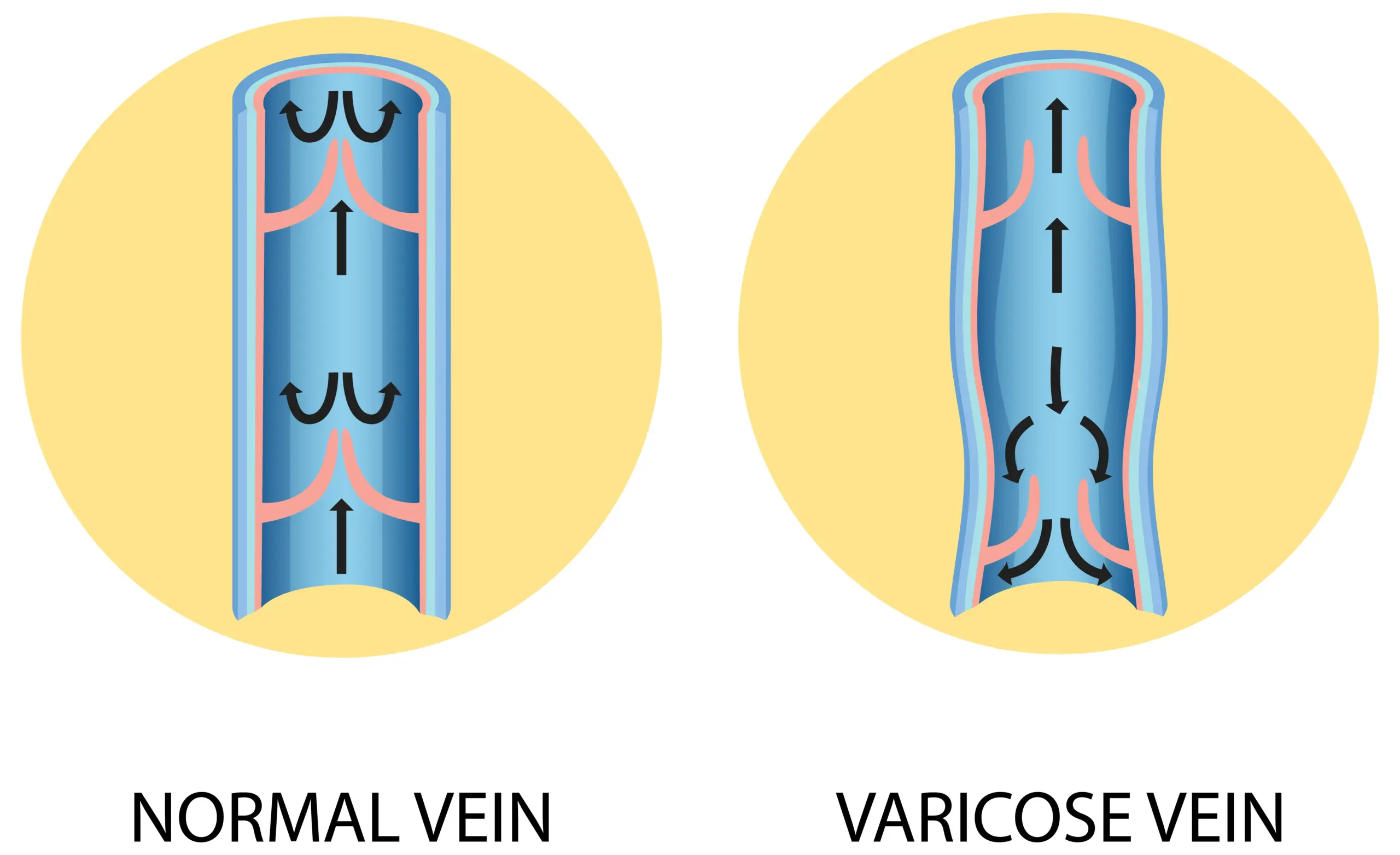
The circulatory system depends heavily on them. Without deep veins, blood would struggle to move from the legs and arms back toward the heart. Gravity constantly pulls blood downward, especially when a person stands or sits for long periods. Deep veins have special valves that prevent blood from flowing backward. These valves keep blood moving in the right direction. The muscles around the veins also help push blood upward when you walk or move. Because of this, physical activity plays a big role in healthy circulation.
Understanding deep veins helps people better understand how circulation works and why certain conditions can become dangerous. Problems in these veins can affect overall health, sometimes in serious ways.
Learning the basics is the first step toward prevention and awareness.
- The Structure of Deep Veins
Deep veins are built to handle pressure and movement. Their walls are thicker than superficial veins. They sit deeper inside muscles, often next to arteries. This positioning protects them and helps them function efficiently. When muscles contract, they squeeze the veins. That pressure pushes blood upward toward the heart.
Inside deep veins are small one-way valves. These valves open to let blood flow upward and close to stop it from falling backward. Without these valves, gravity would cause blood to pool in the legs. Over time that pooling could cause swelling and other circulation problems.
Deep veins exist throughout the body. However, they are especially important in the legs. The legs are farthest from the heart. That means blood must travel a longer distance upward. Some major deep veins in the legs include the femoral vein, popliteal vein, and deep calf veins. These veins handle a large portion of blood return.
Because they are hidden under layers of tissue, problems in deep veins are not always easy to detect. Symptoms can develop slowly. That is why understanding their structure and role can help people recognize warning signs earlier and take better care of their vascular health.
- The Role of Deep Veins in Blood Circulation
Deep veins play a key role in the circulatory system. Their main responsibility is to return deoxygenated blood from tissues back to the heart. Once the blood reaches the heart, it travels to the lungs. There it picks up oxygen again. Then the cycle continues throughout the body.
This process happens constantly. Every second, blood is moving through arteries, capillaries, and veins. Arteries deliver oxygen-rich blood to organs and muscles. Capillaries allow oxygen and nutrients to enter tissues. After that exchange, veins collect the used blood and send it back to the heart.
Deep veins handle most of that return flow. In fact, the majority of blood from the legs travels through these deeper channels. When a person walks or exercises, leg muscles contract repeatedly. These contractions squeeze deep veins like a pump. This pumping action pushes blood upward.
When movement stops for long periods, circulation slows. Blood may move sluggishly through the veins. This is why sitting for long hours, such as during travel or desk work, can affect circulation. Regular movement keeps the muscle pump active. That simple action helps deep veins maintain healthy blood flow throughout the body.
- Deep Veins vs Superficial Veins
Not all veins are the same. The body has two main types: deep veins and superficial veins. Superficial veins sit just beneath the skin. These are the veins you can sometimes see on the arms, hands, or legs. They are often used for blood tests or IV lines because they are easy to access.
Deep veins, on the other hand, are buried inside muscles and tissues. They are larger and carry most of the blood returning to the heart. Superficial veins carry only a small portion of the total blood flow.
Another difference is protection. Deep veins are surrounded by muscles. This helps support them and assists with circulation. Superficial veins lack that muscular support. As a result, they are more likely to expand or become visible.
However, both systems are connected. Small veins called perforator veins link superficial veins with deep veins. These connections help balance blood flow between the two systems.
Understanding this difference is important when learning about vein health. Many common vein conditions start in superficial veins but can sometimes involve deeper ones. Because deep veins carry more blood, problems in them can have more serious effects on circulation and overall health.
- Common Problems Affecting Deep Veins
Deep veins can develop several medical conditions. One of the most well-known is deep vein thrombosis. This occurs when a blood clot forms in a deep vein. The clot blocks normal blood flow. Most clots develop in the legs.
When blood flow slows or becomes stagnant, clotting risk increases. Long periods of sitting, injury, surgery, or certain medical conditions can contribute to this problem. The body normally forms clots to stop bleeding. But when clots form inside deep veins without injury, they can interfere with circulation.
Symptoms may include swelling, warmth, pain, or redness in the affected limb. However, some cases produce few noticeable symptoms. That makes awareness especially important.
Another issue involving deep veins is chronic venous insufficiency. In this condition, the valves inside the veins do not work properly. Blood begins to flow backward and pool in the legs. Over time, this can lead to swelling, skin changes, and discomfort.
Although these conditions can sound alarming, many risk factors are manageable. Healthy habits, regular movement, and awareness of symptoms can make a significant difference in maintaining good vein health throughout life.
- Risk Factors for Deep Vein Problems
Several factors can increase the risk of issues in deep veins. Age is one of them. As people grow older, vein walls and valves may weaken. This makes circulation less efficient. Genetics also plays a role. Some individuals inherit a tendency for weaker vein valves or abnormal clotting patterns.
Lifestyle habits matter as well. Sitting for extended periods can slow blood circulation in the legs. Office work, long flights, and long car rides are common examples. Lack of physical activity can contribute to sluggish blood flow. On the other hand, regular movement helps the muscles push blood through the veins.
Injury or surgery can also increase risk. When the body heals from trauma, clotting mechanisms become more active. This natural process helps stop bleeding but may sometimes lead to clot formation inside the veins.
Other risk factors include dehydration, certain medications, and underlying health conditions that affect circulation. Even simple habits like staying hydrated and moving regularly can support healthy blood flow.
Understanding these risk factors helps people make informed decisions about their health. Awareness allows individuals to take practical steps that support circulation and reduce the chances of deep vein complications.
- Signs That May Indicate Deep Vein Issues
Deep vein problems often develop quietly. Because the veins are deep inside the body, symptoms may not always be obvious at first. However, certain warning signs can appear. Recognizing these signs early can help people seek medical advice sooner.
One common sign is swelling in one leg. This swelling may appear suddenly or gradually. Pain or tenderness in the leg may also occur, especially while standing or walking. Some people describe the pain as a cramp or soreness.
Another symptom may be warmth in the affected area. The skin over the vein may feel warmer than the surrounding areas. In some cases, the skin may become red or slightly discolored.
Sometimes symptoms remain mild or vague. That uncertainty is why it is important to pay attention to changes in the body. Persistent swelling or unexplained discomfort should not be ignored.
Health professionals use different tools to diagnose vein problems. Ultrasound imaging is one common method. It allows doctors to see blood flow and detect blockages.
Being aware of potential symptoms helps people respond sooner. Early evaluation often leads to better management and improved health outcomes.
- Ways to Support Healthy Deep Veins
Taking care of vein health does not require complicated steps. Many habits that support overall health also benefit deep veins. Regular physical activity is one of the most effective strategies. Walking, stretching, and light exercise activate the muscle pump in the legs.
Hydration also plays a role. Proper fluid levels help maintain healthy blood flow and circulation. When the body is dehydrated, blood can become thicker and move more slowly.
Maintaining a healthy weight can reduce pressure on leg veins. Excess weight can increase strain on the circulation, especially in the lower body. Balanced nutrition supports vascular health and overall wellness.
Avoiding long periods of inactivity is another helpful step. When sitting for extended periods, taking short walking breaks can help keep blood moving. Even simple ankle movements can stimulate circulation.
Good posture and comfortable clothing can also help. Tight clothing around the waist or legs may restrict circulation.
Awareness is key. Understanding how deep veins work encourages people to pay attention to their circulation. When people combine knowledge with healthy habits, they support their vascular system and overall well-being.
Conclusion
Deep veins are an essential part of the circulatory system. They carry large amounts of blood from the body back to the heart. Their structure, valves, and connection with muscles allow blood to travel upward against gravity.
Although they are hidden beneath the surface, their role is powerful. Problems in these veins can affect circulation and overall health. Learning how deep veins function helps people recognize potential risks and take preventive steps.
Healthy circulation often depends on simple habits. Movement, hydration, and awareness all contribute to strong vascular health. When individuals understand their bodies, they are better equipped to support long-term well-being.
Reliable health information also plays an important role in awareness. Educational platforms like CureAware help people explore health topics and understand medical conditions in a clear and informative way. Access to trustworthy knowledge allows individuals to make informed decisions about their health and lifestyle.
Frequently Asked Questions (FAQs)
- What are deep veins?
Deep veins are veins located within the muscles of the body. They carry most of the blood back to the heart after oxygen has been delivered to tissues.
- Where are deep veins found in the body?
They are present throughout the body but are most prominent in the legs and arms, especially alongside major arteries.
- Why are deep veins important?
They transport deoxygenated blood back to the heart and help maintain efficient circulation throughout the body.
- What is the difference between deep veins and superficial veins?
Superficial veins lie just under the skin, while deep veins are located within muscle layers and carry the majority of blood flow.
- What is deep vein thrombosis?
It is a condition where a blood clot forms inside a deep vein, usually in the leg, affecting normal blood flow.
- What causes problems in deep veins?
Common causes include prolonged inactivity, surgery, injury, certain health conditions, and genetic factors.
- What symptoms may suggest deep vein issues?
Swelling, leg pain, warmth, redness, and tenderness may indicate a problem in a deep vein.
- How can people support healthy deep veins?
Regular movement, hydration, balanced nutrition, and maintaining a healthy lifestyle support good circulation.
- Are deep vein problems preventable?
While not all cases can be prevented, healthy habits and awareness can significantly reduce risk.
- When should someone seek medical advice?
Medical attention should be considered if persistent swelling, unexplained leg pain, or other unusual symptoms appear.