

Introduction: Understanding Novocaine and Its Effects
Dental procedures can feel stressful. One common concern patients have is numbness. Many people ask, how long does it take for novocaine to wear off. This is a very important question. It helps you plan your day better.
Novocaine is a local anesthetic. Dentists use it to numb a specific area. It blocks pain signals from reaching the brain. This makes dental procedures comfortable and pain-free.
After the treatment, numbness continues for some time. This is completely normal. The effect does not disappear immediately. It fades gradually.
Some people feel normal within a few hours. Others may take longer. The duration depends on many factors. These include dosage, body type, and metabolism.
In this complete guide, you will learn everything. From how long novocaine lasts to how to recover quickly. This will help you stay calm and prepared after your dental visit.
1. What Is Novocaine and How Does It Work?
Novocaine is a local anesthetic. It is commonly used in dental treatments. It numbs a specific part of your mouth. This allows dentists to work without causing pain.
It works by blocking nerve signals. These signals normally carry pain information to the brain. When blocked, you do not feel pain in that area.
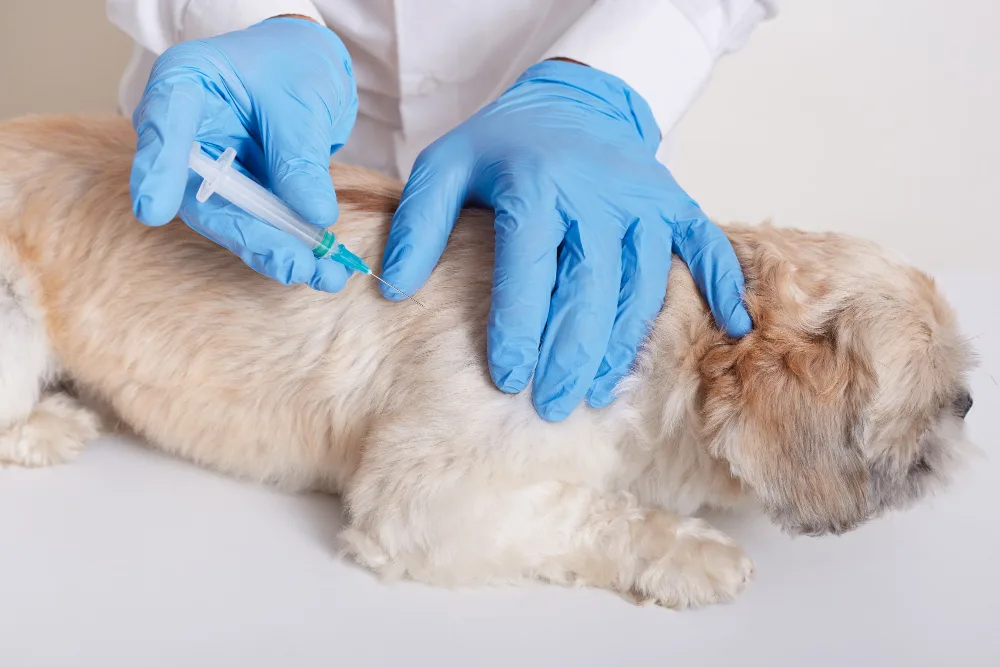
The dentist injects novocaine near the treatment area. It starts working within minutes. You may feel slight tingling or pressure. Then numbness sets in.
The numbing effect is temporary. It is designed to wear off after the procedure. This ensures safety and comfort.
Even though modern dentistry uses newer anesthetics, people still use the term novocaine commonly. Understanding how it works helps reduce anxiety before treatment.
2. How Long Does It Take for Novocaine to Wear Off?
The most common question is clear. How long does it take for novocaine to wear off? In most cases, it takes around 1 to 3 hours.
For some people, numbness may last up to 4 hours. This depends on the amount used and the area treated.
Teeth procedures in the lower jaw may last longer. Upper jaw numbness usually fades faster.
You may first notice tingling. Then sensation slowly returns. This is a sign that the anesthesia is wearing off.
Each person is different. Some people metabolize it quickly. Others take more time.
It is important to avoid eating until numbness fades. This prevents accidental biting.
3. Factors That Affect How Long Novocaine Lasts
Several factors affect how long novocaine stays in your system. One key factor is dosage. Higher doses last longer.
Your body metabolism also plays a role. Faster metabolism means quicker recovery.
The location of injection matters. Areas with more blood flow recover faster.
Age can also influence duration. Younger individuals may recover quicker.
Stress and anxiety can affect how your body reacts. Calm patients often recover smoothly.
Medications you take may also impact the effect. Always inform your dentist about your medical history.
4. What Does It Feel Like When Novocaine Wears Off?
As novocaine starts to wear off, you may feel tingling. This is a common sign. It shows that sensation is returning.
You may also feel slight itching. This is part of nerve reactivation.
Gradually, numbness reduces. You begin to feel normal again.
Some people experience mild discomfort. This is usually due to the dental procedure, not the anesthesia.
Your lips, tongue, and cheeks regain movement slowly. Speaking and eating become easier.
This process is natural. It should not cause concern.
5. Common Side Effects After Novocaine
Most people do not experience serious side effects. But mild effects are possible.
You may feel numbness longer than expected. This is normal in some cases.
Slight swelling at the injection site can occur. It usually fades quickly.
Some people feel dizziness. This is rare but possible.
Headache or fatigue may occur. These effects are temporary.
If you experience unusual symptoms, contact your dentist. It is always better to be cautious.
6. How to Make Novocaine Wear Off Faster
Many people want numbness to go away quickly. There are a few simple tips.
Stay active. Light movement increases blood flow. This helps the body process anesthesia faster.
Drink water. Hydration supports metabolism.
Massage the area gently. This can improve circulation.
Avoid lying down for long periods. Sitting upright may help recovery.
However, do not rush the process. Let your body recover naturally.
7. What to Avoid While Still Numb
It is important to be careful while numb. Avoid eating solid food. You may bite your tongue or cheek.
Do not drink very hot beverages. You may not feel the heat.
Avoid chewing gum. It can damage soft tissues.
Do not touch the numb area repeatedly. This can cause irritation.
Being cautious prevents injury.
8. Eating After Novocaine: When Is It Safe?
You should wait until numbness fades completely. This ensures safe eating.
Start with soft foods. Avoid hard or crunchy items.
Eat slowly. Pay attention to your bite.
Choose lukewarm food. Avoid extreme temperatures.
This helps protect your mouth during recovery.
9. When Should You Be Concerned?
In most cases, numbness fades within hours. But sometimes it lasts longer.
If numbness continues beyond 5–6 hours, consult your dentist.
Severe pain is not normal. It needs attention.
Persistent swelling or infection signs should be checked.
Always monitor your condition. Early action prevents complications.
10. Novocaine vs Other Dental Anesthetics
Modern dentistry uses different anesthetics. These may last longer than novocaine.
Some anesthetics provide extended numbness. This is useful for longer procedures.
However, the basic function remains the same. They block pain signals.
Understanding the difference helps you know what to expect.
11. Tips for a Comfortable Recovery
Recovery is simple with proper care. Stay hydrated and relaxed.
Avoid stress. It helps your body recover faster.
Follow your dentist’s instructions carefully.
Rest if needed. Allow your body to heal.
Being mindful ensures a smooth recovery experience.
Looking for safe and comfortable dental treatments?
Choose CureAware for expert care, advanced procedures, and personalized guidance. Book your appointment today and experience stress-free dental care.
FAQs
1. How long does it take for novocaine to wear off?
It usually takes 1 to 3 hours, but may last up to 4 hours.
2. Can novocaine last longer than expected?
Yes, depending on dosage and individual factors.
3. Is it safe to eat while numb?
No, wait until numbness fades to avoid injury.
4. Can I speed up recovery?
Yes, staying active and hydrated may help.
5. Is numbness normal after dental work?
Yes, it is expected after anesthesia.
6. What should I avoid while numb?
Avoid eating, hot drinks, and chewing gum.
7. Can novocaine cause side effects?
Mild side effects like dizziness or swelling may occur.
8. When should I call a dentist?
If numbness lasts more than 6 hours or severe pain occurs.
9. Does everyone react the same?
No, effects vary from person to person.
10. Is novocaine still used today?
Modern anesthetics are more common, but the term is still widely used.