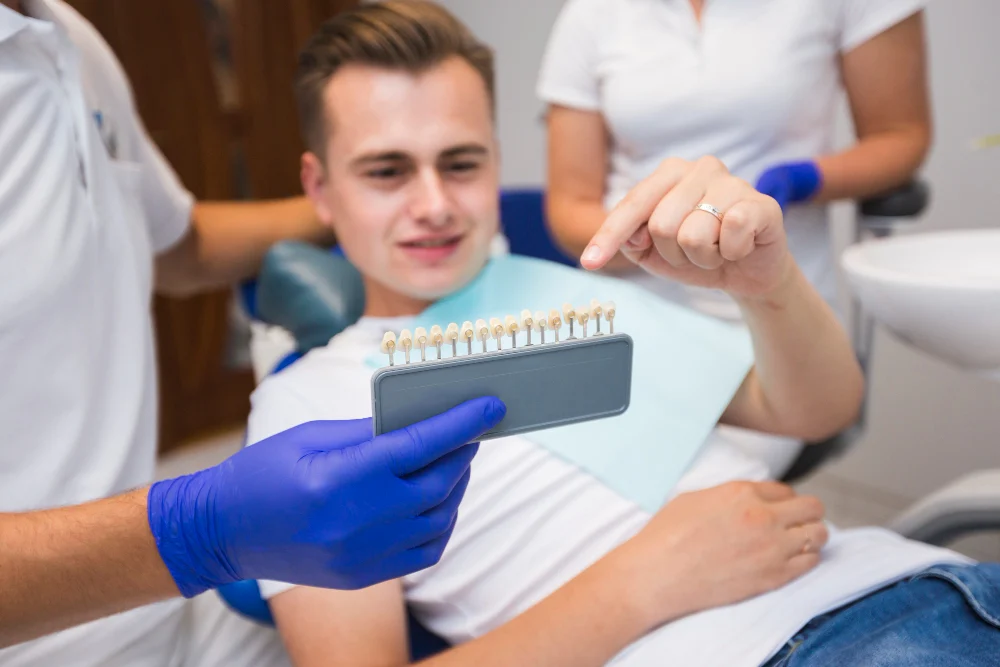





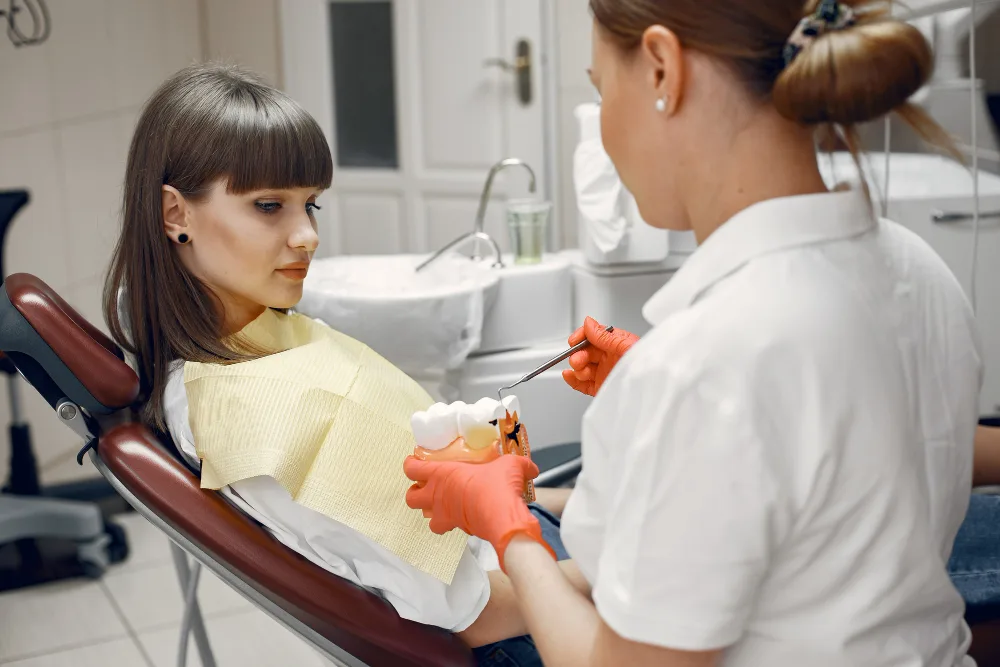
Introduction: Why Understanding Temporary Crowns Matters
Dental treatments can feel overwhelming for many people. One of the most common concerns is understanding temporary crowns. Patients often ask, how long will a temporary crown last and what they should expect during the waiting period.
A temporary crown is not just a placeholder. It plays a very important role in protecting your tooth. After a dentist prepares your tooth for a permanent crown, the structure becomes sensitive. Without protection, the tooth can get damaged easily.
Many people assume temporary crowns are strong enough for regular use. This is not true. They are designed for short-term protection only. This is why proper care becomes very important.
In this guide, you will learn everything in simple language. From lifespan and care tips to risks and common mistakes. This will help you avoid problems and ensure a smooth dental experience.
1. What Is a Temporary Crown and Why Is It Used?
A temporary crown is a short-term dental cap. It is placed over a prepared tooth. This happens while your permanent crown is being made.
After shaping the tooth, it becomes exposed. It may feel sensitive to air, food, and temperature. The temporary crown protects it from damage. It also helps maintain the shape of your bite.
Temporary crowns are made from materials like acrylic or composite. These materials are softer compared to permanent crowns. This makes them easier to remove later.
They also help maintain spacing between teeth. Without a temporary crown, nearby teeth may shift. This can affect the fit of your permanent crown.
Even though it is temporary, it is very important. It ensures comfort, protection, and proper alignment during your treatment.
2. How Long Will a Temporary Crown Last?
The main question patients ask is clear. How long will a temporary crown last? In most cases, it lasts between one to three weeks.
This timeline depends on how quickly your permanent crown is ready. Some dental labs take longer. In such cases, the temporary crown may stay longer.
With proper care, it can last a few weeks without problems. However, it is not designed for long-term use. Using it for too long can cause issues.
The material used in temporary crowns is not very strong. It can wear down or break over time. This is why dentists recommend replacing it as soon as possible.
Every patient’s case is different. Your dentist will guide you based on your treatment plan. Always follow their timeline for the best results.
3. What Factors Affect How Long a Temporary Crown Lasts?
Several factors influence how long a temporary crown lasts. One major factor is your eating habits. Hard and sticky foods can damage the crown easily.
Oral hygiene is another important factor. Poor cleaning can weaken the temporary cement. This may cause the crown to loosen.
Teeth grinding is also a concern. Many people grind their teeth at night. This puts extra pressure on the crown. Over time, it may crack or fall off.
The placement of the crown also matters. A well-fitted crown lasts longer. Proper dental work ensures stability.
Finally, daily habits play a role. Biting nails or opening packages with teeth can damage the crown. Avoiding these habits can increase its lifespan.
4. What Happens During the First Few Days?
The first few days after getting a temporary crown are important. Your mouth needs time to adjust. You may feel slight discomfort or sensitivity.
The crown may feel different at first. This is normal. Your tongue will take time to get used to it.
You may also experience mild sensitivity to hot and cold foods. This usually reduces within a few days. Avoid extreme temperatures during this time.
Eating may feel slightly different. It is best to chew slowly. Try to avoid using the side with the crown.
These early days are crucial. Proper care during this time ensures better stability and comfort.
5. Common Signs That Your Temporary Crown Has a Problem
It is important to recognize warning signs early. A loose crown is one of the most common issues. It may move slightly when you chew.
Pain or sensitivity can also indicate a problem. This may mean the tooth underneath is exposed.
If the crown cracks or chips, it needs attention. Even small damage can worsen quickly.
A bad taste or smell can be a sign of infection. This should not be ignored.
If you notice any of these signs, contact your dentist immediately. Early treatment can prevent bigger problems.
6. What Should You Do If Your Temporary Crown Falls Off?
A temporary crown falling off can be stressful. But it is not uncommon. The cement used is designed to be temporary.
If it falls off, keep the crown safe. Do not throw it away. Your dentist may reattach it.
Avoid chewing on the exposed tooth. It can become sensitive or damaged.
You can use temporary dental adhesive as a short-term fix. But this is only a temporary solution.
Visit your dentist as soon as possible. Quick action helps prevent complications.
7. How to Take Proper Care of a Temporary Crown
Taking care of your temporary crown is very important. Good habits can prevent damage.
Brush your teeth gently. Use a soft toothbrush. Avoid applying too much pressure.
Floss carefully. Instead of pulling floss upward, slide it out gently. This prevents the crown from coming loose.
Avoid chewing hard foods. Stick to softer options. This reduces pressure on the crown.
Maintain good oral hygiene. Rinse your mouth regularly. This keeps the area clean.
Simple care steps can make a big difference. They help extend the life of your temporary crown.
8. Foods You Should Avoid During This Period
Food choices play a big role in protecting your crown. Some foods can damage it easily.
Avoid sticky foods like chewing gum and caramel. They can pull the crown off.
Hard foods like nuts and ice can crack the crown. These should be avoided completely.
Very hot or cold foods may cause discomfort. Stick to moderate temperatures.
Soft foods are the best choice. They reduce pressure on the crown.
Being careful with your diet helps prevent unnecessary dental visits.
9. Temporary Crown vs Permanent Crown: Key Differences
Temporary crowns and permanent crowns are very different. Temporary crowns are made for short-term use.
Permanent crowns are stronger. They are made from durable materials like porcelain or metal.
Temporary crowns are easier to remove. Permanent crowns are fixed securely.
The fit of a permanent crown is more precise. It offers better protection and comfort.
Understanding this difference helps you manage expectations. Temporary crowns are just a step in the process.
10. Can a Temporary Crown Last Longer Than Expected?
In some cases, a temporary crown may last longer than expected. This depends on how well it is cared for.
However, it is not designed for long-term use. Extending its use can cause problems.
The crown may weaken over time. It may also loosen or break.
Delaying the permanent crown can affect the tooth underneath. It may lead to sensitivity or infection.
Always follow your dentist’s advice. Timely replacement is important for your dental health.
11. Risks of Delaying Permanent Crown Placement
Delaying your permanent crown can lead to serious issues. The temporary crown may not provide enough protection.
The exposed tooth can become sensitive. It may also get infected.
The temporary crown may shift. This can affect the alignment of your teeth.
Long delays can increase treatment costs. More dental work may be needed.
Timely action is always the best choice. It ensures long-term dental health.
12. When Should You Contact Your Dentist?
Knowing when to contact your dentist is important. Do not ignore serious symptoms.
If your crown falls off, call your dentist immediately. Do not delay.
Severe pain is another warning sign. It may indicate deeper problems.
Swelling or infection needs urgent care. It should not be ignored.
If the crown feels loose, get it checked. Early fixes are easier and safer.
Regular communication with your dentist ensures a smooth treatment process.
13. Final Thoughts: Is a Temporary Crown Reliable?
Temporary crowns are reliable when used correctly. They provide short-term protection and comfort.
However, they are not meant for long-term use. Proper care is essential during this period.
Understanding how long will a temporary crown last helps you plan better. It also reduces stress during treatment.
Following your dentist’s advice is key. It ensures a smooth transition to a permanent crown.
With the right care, you can avoid complications. This leads to better results and healthier teeth.
Looking for expert dental care and guidance?
Choose CureAware for trusted dental solutions, personalized treatment, and professional care. Book your consultation today and ensure your dental journey is smooth, safe, and stress-free.
FAQs
1. How long will a temporary crown last?
It usually lasts 1 to 3 weeks with proper care.
2. Can a temporary crown last longer than a month?
It can, but it is not recommended for long-term use.
3. Is it normal for a temporary crown to feel different?
Yes, it may feel slightly unusual at first.
4. What should I do if my crown falls off?
Keep it safe and visit your dentist immediately.
5. Can I eat normally with a temporary crown?
Avoid hard and sticky foods to prevent damage.
6. Is sensitivity normal after getting a crown?
Mild sensitivity is normal for a few days.
7. How do I clean a temporary crown?
Brush gently and floss carefully.
8. Can a temporary crown break easily?
Yes, it is made from softer material.
9. Why is a permanent crown necessary?
It provides long-term protection and durability.
10. When should I contact my dentist?
If you feel pain, looseness, or if the crown falls off.