

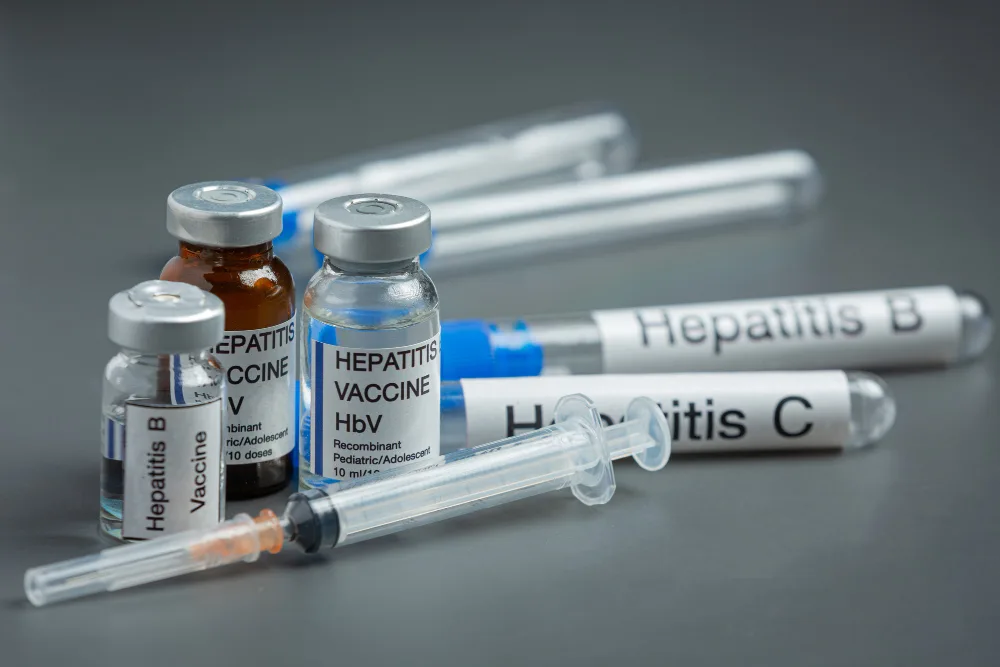
Hepatitis A is a liver infection caused by a virus. It spreads mainly through contaminated food, water, or close contact with an infected person. Many countries recommend vaccination as the best protection. But one common question people ask is simple: how long does the vaccine for hepatitis A last?
The answer matters because vaccines are part of long-term health planning. People want to know if they need boosters or repeat doses later in life. The hepatitis A vaccine has been studied for decades. Researchers have looked closely at immunity levels and how long protection stays in the body.
In most cases, the vaccine provides long-lasting immunity. For many people, it may even last for life. However, the duration depends on several factors. These include the number of doses received, age during vaccination, and overall immune health.
This guide explains everything clearly. You will learn about the hepatitis A vaccine duration, recommended doses, and immunity timeline. We will also explore whether booster shots are necessary and who benefits most from vaccination.
Understanding Hepatitis A and Why Vaccination Matters
Hepatitis A affects the liver. The virus spreads easily in areas with poor sanitation or contaminated food and water. Travelers and people living in crowded conditions face higher risks.
Symptoms usually appear two to six weeks after infection. These include fatigue, nausea, abdominal pain, fever, and jaundice. In some cases, especially in adults, the illness can become severe and require hospitalization.
Unlike some other forms of hepatitis, hepatitis A does not usually cause chronic infection. However, the illness can still disrupt daily life and cause serious complications in older adults or those with existing liver disease.
Vaccination offers strong protection against this virus. The vaccine works by stimulating the immune system to recognize the virus. Once the body develops antibodies, it can quickly fight the virus if exposure happens later.
Public health experts widely recommend hepatitis A vaccination for children, travelers, and people at higher risk of infection. Understanding how long the hepatitis A vaccine protection lasts helps individuals make informed decisions about their health and vaccination schedules.
How the Hepatitis A Vaccine Works in the Body
Vaccines train the immune system to recognize harmful viruses. The hepatitis A vaccine contains an inactive form of the virus. It cannot cause disease but can trigger an immune response.
When the vaccine enters the body, immune cells identify the virus particles as foreign. They begin producing antibodies designed to attack the virus. These antibodies stay in the body long after vaccination.
The immune system also develops memory cells. These cells remember the virus structure. If exposure occurs in the future, the body quickly produces more antibodies to stop the infection before it spreads.
This immune memory is why vaccines offer long-term protection. After the complete hepatitis A vaccine series, the body maintains strong immunity.
Researchers have tracked antibody levels in vaccinated individuals for many years. Studies show that the immune system continues to respond effectively decades after vaccination. This is the reason experts believe protection lasts much longer than originally expected.
Understanding this process helps answer the key question about hepatitis A vaccine immunity duration and why vaccination remains the most reliable way to prevent infection.
How Long Does the Vaccine for Hepatitis A Last?
The hepatitis A vaccine provides long-lasting protection. For people who complete the full two-dose series, immunity can last at least 20 years and possibly a lifetime.
The first dose starts building protection within a few weeks. However, the second dose strengthens and extends immunity. It acts as a booster that locks in long-term immune memory.
Research studies have followed vaccinated individuals for more than two decades. Antibody levels remained protective throughout the observation period. Based on these results, scientists believe immunity could last for life.
Children who receive the vaccine often remain protected well into adulthood. Adults vaccinated later in life also develop strong and lasting immunity.
The key factor is completing the recommended vaccine schedule. Missing the second dose may reduce the duration of protection.
Overall, when people ask how long hepatitis A vaccine protection lasts, the evidence suggests it is extremely durable. This long-term protection is one of the major advantages of hepatitis A vaccination programs worldwide.
Recommended Hepatitis A Vaccine Schedule
The hepatitis A vaccine is usually given in two doses. The schedule is designed to maximize immunity and ensure long-term protection.
The first dose is typically given at 12 months of age for children. The second dose follows six months later. This gap allows the immune system to strengthen its response after the initial exposure.
Adults who have never been vaccinated can also receive the vaccine. They follow the same two-dose schedule. The second dose remains essential for lasting protection.
Travelers planning to visit areas with higher infection rates should get vaccinated at least a few weeks before travel. Even one dose provides short-term protection, but the second dose completes the series.
Some combination vaccines also protect against hepatitis A and another liver virus. These vaccines follow slightly different schedules but still require multiple doses.
Completing the full series is the best way to ensure long-term hepatitis A immunity. Skipping the second dose may still offer partial protection, but full vaccination provides the strongest defense against infection.
Do You Need a Hepatitis A Booster Shot?
Many people wonder whether a booster shot is needed years after vaccination. Current evidence suggests that most individuals do not need additional boosters after completing the two-dose series.
Studies show that protective antibodies remain in the body for decades. Even if antibody levels slowly decrease, immune memory cells still recognize the virus. This means the body can quickly produce new antibodies if exposure occurs.
Because of this immune memory, health experts believe routine boosters are unnecessary for most people. The two-dose schedule already provides long-lasting immunity.
However, certain individuals with weakened immune systems may require medical advice regarding additional protection. Healthcare professionals sometimes monitor antibody levels in these cases.
For the general population, the standard vaccination series remains sufficient. When discussing hepatitis A vaccine booster requirements, most guidelines confirm that boosters are rarely needed after full vaccination.
This makes hepatitis A vaccination convenient and effective for long-term protection.
Factors That Influence Vaccine Duration
Although the hepatitis A vaccine offers strong protection, several factors may influence how long immunity lasts.
Age at the time of vaccination plays an important role. Children vaccinated early often maintain strong immune memory for decades. Adults also develop lasting immunity, though immune responses can vary slightly with age.
Overall health also affects immune response. People with compromised immune systems may not develop the same level of antibodies as healthy individuals.
Completing the full vaccine schedule is another major factor. Receiving only one dose may provide short-term protection but may not guarantee long-term immunity.
Lifestyle and exposure risks can also influence vaccination recommendations. For example, frequent travelers to high-risk regions may receive additional medical advice.
Despite these variables, research consistently shows strong protection after the full vaccine series. Understanding these factors helps explain why hepatitis A vaccine effectiveness over time remains high for most vaccinated individuals.
Hepatitis A Vaccine Effectiveness
The hepatitis A vaccine is considered one of the most effective vaccines available. Studies report more than 95 percent effectiveness after the complete two-dose series.
Even the first dose provides strong short-term protection. Within two to four weeks, most people develop protective antibodies.
The second dose strengthens the immune response. It ensures the body maintains long-term immunity and memory against the virus.
High effectiveness has helped reduce hepatitis A outbreaks in many countries. Regions that introduced routine childhood vaccination have seen significant declines in infection rates.
The vaccine’s success also supports global public health goals. By preventing infection, vaccination reduces transmission within communities.
When discussing hepatitis A vaccine protection duration and effectiveness, research consistently shows reliable and long-lasting results. This reliability makes vaccination the most effective strategy for preventing hepatitis A infection.
Who Should Get the Hepatitis A Vaccine
The hepatitis A vaccine is recommended for several groups. Children usually receive the vaccine as part of routine immunization programs.
Travelers visiting regions with higher infection rates should also get vaccinated. Many countries in Asia, Africa, and parts of South America report higher hepatitis A transmission.
Healthcare workers and people working with contaminated materials may also benefit from vaccination. Individuals with chronic liver disease are especially encouraged to receive the vaccine because hepatitis A infection can worsen liver health.
Food service workers and people living in crowded environments may also consider vaccination as an extra precaution.
Adults who missed childhood vaccination can still receive the vaccine at any age. The immune response remains strong even when the vaccine is given later in life.
Knowing who should get vaccinated helps communities maintain strong protection against the virus and supports long-term public health goals.
Safety and Side Effects of the Hepatitis A Vaccine
The hepatitis A vaccine has a strong safety record. Millions of doses have been given worldwide with very few serious complications.
Most side effects are mild and temporary. These may include soreness at the injection site, mild fever, fatigue, or headache. Symptoms usually disappear within a day or two.
Severe allergic reactions are extremely rare. Healthcare providers typically monitor individuals for a short time after vaccination to ensure safety.
The vaccine does not contain live virus capable of causing infection. This makes it safe for most people, including children and many individuals with chronic health conditions.
Pregnant individuals should consult healthcare professionals before vaccination, although the vaccine is generally considered safe when needed.
Overall, the benefits of vaccination greatly outweigh potential risks. The strong safety profile contributes to widespread trust in hepatitis A vaccination programs.
The Role of Awareness and Reliable Health Information
Access to accurate health information helps people make better decisions about vaccination. Understanding how vaccines work and how long they last encourages responsible health practices.
Public awareness also helps prevent the spread of misinformation about vaccines. Reliable resources allow individuals to learn about vaccine schedules, safety, and long-term protection.
Health education platforms such as CureAware aim to simplify medical information so people can understand it more easily. Learning about diseases and prevention strategies empowers individuals to protect themselves and their communities.
Staying informed also helps people recognize symptoms early and seek medical advice when necessary. Preventive healthcare remains one of the most effective ways to reduce disease burden globally.
By encouraging education and awareness, communities can strengthen public health and support vaccination efforts that protect millions of people every year.
FAQs
1. How long does the vaccine for hepatitis A last?
The hepatitis A vaccine usually provides protection for at least 20 years and possibly for life after completing the full two-dose schedule.
2. Is one dose of hepatitis A vaccine enough?
One dose provides short-term protection, but two doses are recommended for long-term immunity.
3. Do adults need a hepatitis A booster shot?
Most adults do not need a booster after completing the two-dose vaccine series.
4. How quickly does the hepatitis A vaccine work?
Protection usually begins within two to four weeks after the first dose.
5. Can hepatitis A vaccination provide lifetime immunity?
Research suggests that full vaccination may provide lifelong protection.
6. Is the hepatitis A vaccine safe?
Yes. The vaccine has been widely studied and has a strong safety record worldwide.
7. Who should get vaccinated against hepatitis A?
Children, travelers to high-risk areas, healthcare workers, and people with liver disease are commonly advised to receive the vaccine.
8. What happens if the second dose is delayed?
The second dose can still be taken later. It completes the series and strengthens long-term immunity.
9. Can vaccinated people still get hepatitis A?
It is very rare. The vaccine is highly effective when both doses are completed.
10. Where can people learn more about hepatitis prevention?
Trusted health information platforms like CureAware provide educational resources about diseases, vaccines, and preventive healthcare.