




Introduction to Artificial Tears for Subconjunctival Hemorrhage
A sudden red patch in the white part of the eye can be alarming. Many people immediately think something serious has happened. In reality, a subconjunctival hemorrhage is usually harmless. It happens when a tiny blood vessel breaks under the clear surface of the eye.
This condition often looks worse than it feels. Most people notice little or no pain. Vision usually stays normal. However, the redness can make the eye look irritated or injured.
Because the eye surface may feel slightly dry or uncomfortable, many people search for relief options. One common option is artificial tears. These lubricating eye drops help keep the surface of the eye moist and comfortable. Artificial tears for subconjunctival hemorrhage do not cure the bleeding itself. The body naturally absorbs the blood over time. However, these drops can reduce dryness, soothe irritation, and improve overall eye comfort during recovery.
Understanding when and how to use artificial tears is important. It ensures safe use and prevents unnecessary worry. In this guide, you will learn what causes subconjunctival hemorrhage, how artificial tears help, and what steps support healthy eye healing.
1. What Is a Subconjunctival Hemorrhage?
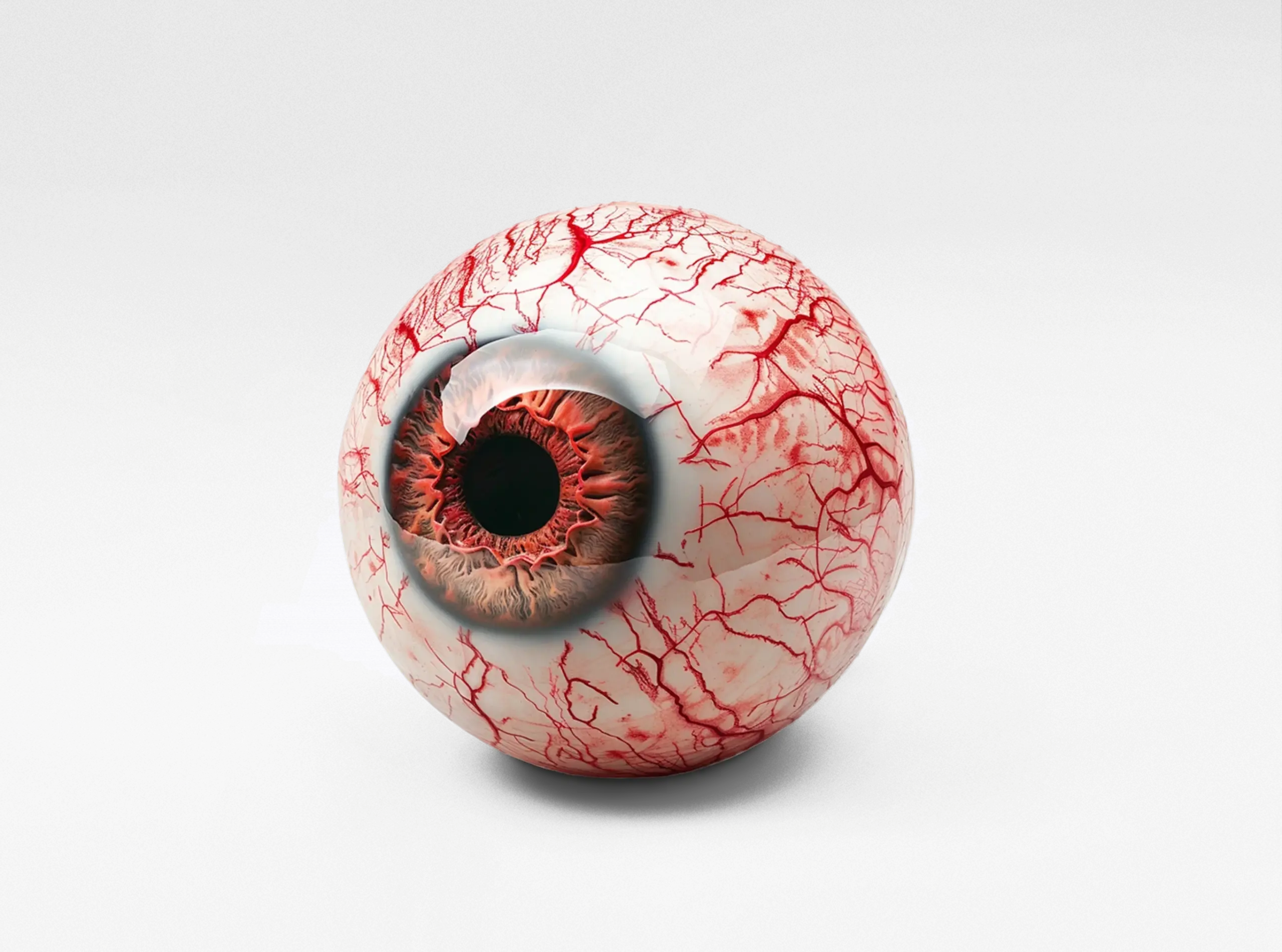
A subconjunctival hemorrhage occurs when a tiny blood vessel breaks beneath the conjunctiva. The conjunctiva is the thin, transparent layer that covers the white part of the eye. When the vessel breaks, blood becomes trapped between the conjunctiva and the sclera. The sclera is the white portion of the eye. Because the conjunctiva cannot absorb blood quickly, the red patch becomes clearly visible.
The redness may appear suddenly. Many people notice it while looking in the mirror. Others discover it when someone points it out. Despite its dramatic appearance, the condition is often painless. There is usually no swelling or discharge. Vision also remains unchanged in most cases.
The red spot may look bright at first. Over time, it gradually fades. The healing process can take one to two weeks. In some cases, it may last slightly longer.
During this period, people sometimes experience mild dryness or a gritty feeling. Lubricating eye drops, often called artificial tears, are commonly used to relieve this discomfort. They help maintain moisture and protect the eye surface while the body heals naturally.
2. Common Causes of Subconjunctival Hemorrhage
A subconjunctival hemorrhage can occur for many reasons. Often, it happens suddenly without a clear cause. However, certain everyday actions can increase the chance of a small blood vessel breaking in the eye.
Sudden pressure changes are a common trigger. Sneezing, coughing, vomiting, or heavy lifting can temporarily increase pressure in the tiny blood vessels of the eye. This pressure may cause a vessel to rupture. Eye rubbing is another possible cause. The delicate vessels in the eye can break when the eye is rubbed aggressively. Even minor irritation may lead someone to rub their eyes repeatedly.
Minor injuries can also cause this condition. A small bump near the eye or accidental contact during sports may lead to bleeding under the conjunctiva.
Some health conditions can increase the risk. High blood pressure and diabetes may make blood vessels more fragile. Certain medications that affect blood clotting can also contribute.
Although the bleeding looks dramatic, it usually heals on its own. Artificial tears are often recommended to maintain eye moisture and reduce surface irritation during the healing period.
3. Symptoms You May Notice
Most people first notice a subconjunctival hemorrhage when they see a bright red patch on the white part of their eye. The color can range from bright red to dark crimson.
The redness usually appears sharply defined. Unlike other eye conditions, it does not spread across the entire eye. Instead, it stays confined to one section. Pain is uncommon. Many individuals feel no discomfort at all. Others may experience mild irritation or a slightly gritty feeling in the eye.
Vision typically remains normal. There is no blurring or sensitivity to light in most cases. If vision changes occur, medical attention should be considered.
Some people notice dryness or a mild sensation of pressure in the affected eye. This feeling is usually temporary and mild. Artificial tears are often used to relieve these minor symptoms. They provide lubrication and help maintain the natural moisture balance of the eye. While they do not speed up the absorption of blood, they can make the eye feel more comfortable during the healing process.
4. Why Artificial Tears Help Eye Comfort
Artificial tears are lubricating eye drops designed to mimic natural tears. They help maintain moisture on the surface of the eye and protect delicate tissues. When a subconjunctival hemorrhage occurs, the eye may feel dry or slightly irritated. This happens because the surface of the eye can become sensitive during the healing process.
Using artificial tears can help restore the tear film. The tear film is a thin layer of moisture that protects the eye and keeps it comfortable.
These drops reduce dryness and friction when blinking. They also wash away small particles or irritants that may worsen discomfort. Artificial tears do not remove the red patch. The body absorbs the trapped blood gradually. However, the drops help maintain a soothing environment for the eye.
Many eye care professionals suggest preservative-free artificial tears when lubrication is needed frequently. These are gentler for sensitive eyes and reduce the risk of irritation from additives.
Using artificial tears correctly can help support comfort and maintain healthy eye hydration during recovery.
5. Types of Artificial Tears Available
Artificial tears come in different formulations. Each type serves a slightly different purpose depending on the needs of the eye. Basic lubricating drops are the most common. They provide quick moisture and relief for mild dryness. These drops are often suitable for occasional use.
Preservative-free artificial tears are recommended for sensitive eyes. They usually come in small single-use containers. These drops minimize the chance of irritation caused by preservatives.
Some artificial tears are designed for longer-lasting lubrication. They contain thicker ingredients that stay on the eye surface for a longer time. These may be helpful for people who experience frequent dryness.
Gel-based artificial tears provide even stronger lubrication. However, they may cause temporary blurred vision. Because of this, many people use them before sleep rather than during the day.
Choosing the right type often depends on personal comfort and eye sensitivity. Consulting an eye care professional can help determine the most suitable option for maintaining eye moisture during recovery.
6. How to Use Artificial Tears Safely
Using artificial tears correctly ensures the best results and reduces the chance of contamination. Proper technique is simple but important. Start by washing your hands thoroughly. Clean hands help prevent bacteria from entering the eye.
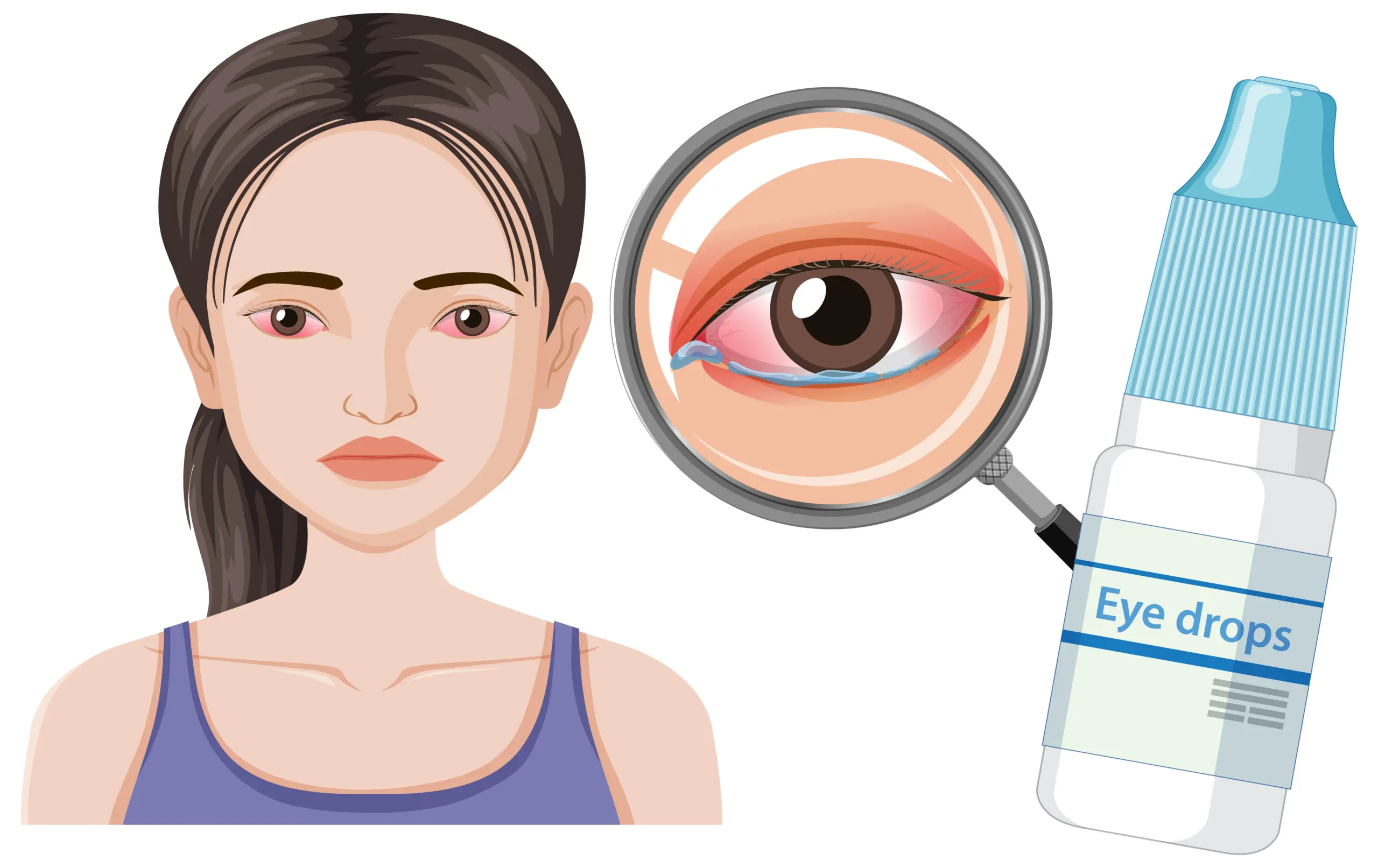
Tilt your head slightly backward. Gently pull down the lower eyelid to create a small pocket. Hold the dropper above the eye and place one drop inside the pocket.
Avoid touching the tip of the bottle to the eye or eyelashes. This helps keep the solution clean. After placing the drop, blink several times slowly. Blinking spreads the liquid evenly across the eye surface.
Most people use artificial tears three to four times per day. However, the frequency can vary depending on dryness levels. If symptoms continue or worsen, it is important to consult an eye care professional. Artificial tears support comfort, but persistent eye issues may require medical evaluation.
7. How Long Does a Subconjunctival Hemorrhage Take to Heal
A subconjunctival hemorrhage usually heals naturally. The body slowly absorbs the trapped blood beneath the conjunctiva.
In most cases, the redness begins to fade within several days. The entire healing process typically takes one to two weeks. Sometimes it may last up to three weeks. As the blood breaks down, the color may change. It can shift from bright red to brown, yellow, or pink. This change is normal and part of the healing process.
Artificial tears can be used during this time to maintain eye comfort. They keep the surface moist and reduce minor irritation. It is important to avoid rubbing the eye while it heals. Rubbing may cause further irritation or damage delicate vessels.
If the redness spreads, causes pain, or affects vision, medical advice should be sought promptly. Most cases, however, resolve completely without treatment.
8. Lifestyle Habits That Support Eye Healing
Simple lifestyle habits can support healthy eye recovery. These habits help reduce strain and protect delicate eye tissues. Adequate sleep is important. Rest allows the body to repair damaged blood vessels more efficiently.
Hydration also plays a role. Drinking enough water helps maintain natural tear production and eye moisture. Limiting screen time can reduce eye strain. Prolonged digital device use can cause dryness and irritation.
Using artificial tears during screen work may help maintain lubrication. This is particularly helpful for individuals who blink less while focusing on screens. Avoiding eye rubbing is also essential. Rubbing can worsen irritation and may damage fragile blood vessels.
Maintaining these habits promotes overall eye health and supports a comfortable healing process.
9. When to See an Eye Care Professional
Although subconjunctival hemorrhage is usually harmless, certain situations require medical evaluation. Seek professional advice if the redness occurs repeatedly. Frequent bleeding may indicate underlying health concerns.
Pain, vision changes, or sensitivity to light should also be evaluated. These symptoms may suggest another eye condition. If the red patch appears after a significant eye injury, immediate medical attention is recommended.
People who take blood-thinning medications may also benefit from professional guidance. Artificial tears may relieve dryness, but they cannot treat underlying conditions. A qualified eye specialist can determine the exact cause and recommend appropriate care.
Early evaluation helps ensure proper diagnosis and protects long-term eye health.
10. Preventing Future Eye Irritation
Preventing irritation can reduce the chance of eye discomfort and possible vessel damage. Practicing gentle eye care is important. Avoid rubbing the eyes, especially when they feel dry or itchy.
Protective eyewear can help during sports or activities that may expose the eyes to injury. Maintaining regular eye checkups allows professionals to detect early signs of eye problems.
Using artificial tears occasionally may help keep the eyes hydrated, especially in dry environments. Balanced nutrition also supports eye health. Foods rich in vitamins A, C, and omega-3 fatty acids contribute to healthy tissues.
By combining healthy habits with proper eye care, many people can reduce the likelihood of recurring irritation or dryness.
Conclusion
A subconjunctival hemorrhage can look alarming. However, it is usually harmless and temporary. The body gradually absorbs the trapped blood without the need for major treatment.
Artificial tears for subconjunctival hemorrhage help maintain comfort during recovery. They keep the eye surface lubricated and reduce dryness or irritation. While these drops do not remove the red patch, they support a soothing environment for healing. Proper use and healthy eye habits can make the recovery period easier.
Reliable eye health information and supportive care resources can also guide individuals toward better understanding their eye conditions. Platforms such as Cureaware provide helpful insights that encourage informed decisions about eye care and overall wellness.
Frequently Asked Questions
1. Can artificial tears heal subconjunctival hemorrhage?
No. Artificial tears do not heal the bleeding. They only relieve dryness and discomfort while the eye heals naturally.
2. How often should artificial tears be used?
Most people use them three to four times daily. However, the frequency may vary depending on dryness levels.
3. Is subconjunctival hemorrhage dangerous?
In most cases, it is harmless and resolves within one to two weeks without treatment.
4. Can stress cause subconjunctival hemorrhage?
Stress alone usually does not cause it, but activities linked to stress, such as coughing or straining, may trigger it.
5. Can I wear contact lenses with this condition?
It is usually best to avoid contact lenses until the eye heals and feels comfortable again.
6. Do artificial tears reduce eye redness?
They may reduce dryness and irritation but typically do not remove the red patch itself.
7. Can high blood pressure cause eye bleeding?
Yes. High blood pressure can increase the risk of fragile blood vessels breaking in the eye.
8. Is it safe to use artificial tears daily?
Yes. Most artificial tears are safe for daily use, especially preservative-free formulas.
9. Should I avoid exercise during recovery?
Light activities are usually fine, but heavy lifting or straining should be avoided temporarily.
10. When should I see a doctor?
Consult an eye professional if redness is accompanied by pain, vision changes, or repeated episodes.