



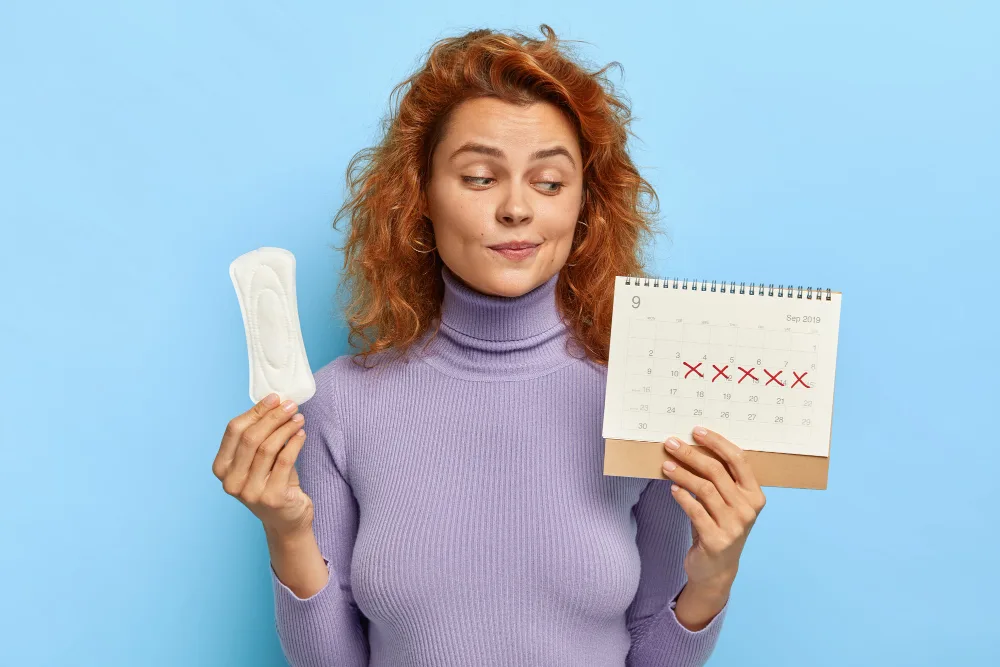
Understanding the Menstrual Cycle Before Trying to Speed It Up
Before thinking about how to make your period come faster, it helps to understand how the menstrual cycle actually works. The cycle is controlled by hormones released by the brain and ovaries. Most cycles last between 21 and 35 days. During this time, the body prepares for a possible pregnancy. If pregnancy does not occur, the uterus sheds its lining. That shedding is what we call a period.
Sometimes the cycle feels unpredictable. Stress, illness, travel, exercise changes, or diet shifts can delay bleeding. Many people search for ways to start their period earlier because they want relief from symptoms like bloating or cramps. Others want their cycle to begin before an event such as travel or sports competitions.
However, it is important to remember that the body runs on its own rhythm. There is no guaranteed trick that instantly starts menstruation. Most natural approaches only support hormonal balance or improve blood circulation. When used responsibly, these habits may encourage the body to start a period naturally.
Common Reasons People Want Their Period to Start Earlier
There are many everyday reasons someone might search for natural ways to induce menstruation. One common reason is discomfort before a period. Premenstrual symptoms can include mood changes, breast tenderness, bloating, fatigue, and headaches. When those symptoms linger without the period arriving, it can feel frustrating.
Another reason is scheduling. Many people prefer not to have their period during vacations, exams, or important events. Starting it earlier can sometimes make planning easier. Athletes or performers may also want their cycle to begin sooner to avoid competing while experiencing cramps or fatigue.
Delayed periods may also create anxiety. When the cycle runs late, people often worry about hormonal imbalance, stress, or lifestyle changes. Searching for home remedies for delayed periods becomes a way to regain a sense of control.
Still, it is wise to stay realistic. Most natural methods gently support the body rather than forcing it. Understanding this helps avoid unrealistic expectations and protects long-term reproductive health.
Can You Actually Make Your Period Come Faster?
The honest answer is: sometimes yes, but not instantly. When people search for how to make your period come faster naturally, they often expect a quick result. In reality, the menstrual cycle is a hormone-driven process. Hormones take time to respond to changes in lifestyle, nutrition, and stress levels.
Some habits can encourage uterine contractions or improve blood circulation. Others may reduce stress hormones that interfere with the menstrual cycle. These small changes might help the body move toward menstruation if it is already close to starting.
However, if the cycle is delayed because of major hormonal shifts, illness, or pregnancy, natural methods will not immediately trigger bleeding. In those situations, patience or medical guidance is necessary.
A healthy approach is to think of these strategies as supportive tools. They may help regulate the cycle over time. When practiced consistently, they promote better hormonal balance and reproductive health.
1. Managing Stress Levels
Stress is one of the biggest reasons periods become delayed. When stress levels rise, the body releases hormones that can disrupt the normal cycle. These stress hormones signal the brain to slow down reproductive functions. As a result, ovulation may happen later than usual, which delays menstruation.
If you are searching for how to make your period come faster, reducing stress is one of the most powerful steps. Relaxation techniques can help the body return to its normal hormonal rhythm. Activities like deep breathing, meditation, or gentle stretching encourage calmness in the nervous system.
Spending time outdoors can also help reset stress levels. Sunlight and fresh air support mood regulation. Even short daily walks can improve emotional balance. Another helpful habit is maintaining regular sleep. Poor sleep increases stress hormones and disrupts the cycle.
When the mind relaxes, the body often follows. Lower stress may allow the hormonal signals that trigger menstruation to occur naturally.
2. Gentle Exercise and Physical Movement
Exercise plays a major role in overall reproductive health. Regular movement improves circulation throughout the body, including the pelvic region. Increased blood flow can support the uterine lining and hormonal balance.
For those researching how to make your period come faster at home, moderate physical activity may help. Activities like yoga, light jogging, stretching, or cycling encourage circulation and reduce stress. Some yoga poses focus specifically on the abdominal and pelvic areas. These poses gently stimulate muscles around the uterus.
However, balance is important. Extremely intense workouts can have the opposite effect. Overtraining places stress on the body and may delay menstruation even more. The goal is gentle consistency rather than extreme effort.
A good routine might include 20 to 30 minutes of moderate exercise most days of the week. Over time, this habit supports a healthier cycle and may encourage a delayed period to begin.
3. Warm Baths and Heat Therapy
Heat has been used for centuries to relax muscles and improve circulation. When applied to the lower abdomen, warmth may encourage uterine muscles to relax and contract naturally. This process can sometimes help initiate menstrual flow.
If you are looking into home remedies to start your period, a warm bath is one of the simplest options. Sitting in warm water allows the body to relax completely. It also increases blood circulation to the pelvic region. Many people notice that cramps feel less intense after heat exposure.
Another method is using a warm compress or heating pad on the lower abdomen. This can be done for short periods during the day. The warmth soothes muscles and reduces tension.
While heat alone does not guarantee immediate results, it can create conditions that support the body’s natural timing. Combined with relaxation and hydration, it may encourage the cycle to progress.
4. Staying Hydrated
Water might not seem like a direct solution when thinking about how to make your period come faster, but hydration plays a quiet yet important role in hormonal health. The body depends on water for almost every biological function, including circulation and hormone transport.
When the body is dehydrated, systems slow down. Blood flow becomes less efficient, and fatigue increases. Drinking enough water helps maintain healthy circulation throughout the reproductive organs. This may indirectly support the menstrual process.
Hydration also helps reduce bloating and digestive discomfort often associated with delayed periods. Warm beverages like herbal teas can be especially soothing. Many traditional cultures recommend warm fluids because they relax the body and improve blood flow.
Making hydration a daily habit is simple but powerful. Carrying a water bottle and sipping throughout the day helps maintain balance in the body. Over time, consistent hydration supports overall menstrual wellness.
5. Maintaining a Balanced Diet
Nutrition strongly influences hormonal balance. When the body lacks key nutrients, the menstrual cycle may become irregular. People searching for natural remedies for delayed periods often overlook the impact of daily diet.
A balanced eating pattern supports hormone production. Foods rich in vitamins, minerals, and healthy fats help regulate reproductive hormones. Fruits, vegetables, whole grains, and plant proteins provide essential nutrients that keep the body functioning properly.
Iron-rich foods are especially helpful because the body loses iron during menstruation. Maintaining healthy iron levels supports energy and blood health. Healthy fats from foods like nuts and seeds also play a role in hormone regulation.
Skipping meals or following extremely restrictive diets can disrupt the cycle. The body senses energy shortage and slows reproductive functions. Regular, nourishing meals send a signal of stability to the body. Over time, this stability may encourage the cycle to return to its natural rhythm.
6. Improving Sleep Habits
Sleep and hormonal balance are deeply connected. During sleep, the body regulates many hormones that influence the menstrual cycle. Poor sleep patterns can disturb these signals and delay menstruation.
If you are researching how to make your period come faster naturally, improving sleep may be a surprisingly effective step. Aim for consistent sleep and wake times every day. This routine helps regulate the body’s internal clock.
Avoiding bright screens before bedtime also supports healthy sleep. Phones and tablets emit blue light that interferes with melatonin production. Melatonin helps control the body’s circadian rhythm. When melatonin is balanced, other hormones often follow.
A calm bedtime routine can also help. Reading, stretching, or listening to relaxing music signals the body that it is time to rest. Quality sleep allows hormonal cycles to function more smoothly and may help regulate menstruation over time.
7. Maintaining a Healthy Body Weight
Body weight can influence hormone levels in subtle ways. Both very low body weight and excessive weight gain may disrupt the menstrual cycle. Hormones responsible for ovulation depend on adequate energy reserves in the body.
People searching for ways to induce a period naturally sometimes discover that lifestyle balance is the key factor. Maintaining a stable and healthy weight supports regular ovulation. When ovulation happens normally, menstruation usually follows on schedule.
Sudden weight changes may confuse the body’s hormonal signals. Crash diets, extreme workouts, or rapid weight gain can all affect reproductive hormones. Instead of quick fixes, gradual and sustainable habits work best.
Eating balanced meals, staying active, and getting enough rest creates stability. Over time, this stability helps the body maintain predictable cycles.
8. Tracking Your Cycle
One of the most practical steps in understanding how to make your period come faster is simply tracking the menstrual cycle. Many people feel their period is late when it is actually within a normal range.
Tracking helps identify patterns. Recording symptoms, cycle length, and mood changes can reveal when menstruation is likely to begin. This awareness reduces unnecessary stress and confusion.
Today, many apps and calendars make tracking simple. By observing cycles over several months, you may notice patterns linked to stress, travel, or diet. Understanding these triggers helps manage delays in the future.
Knowledge is powerful. The more you understand your own cycle, the easier it becomes to support it naturally.
9. When to Seek Medical Advice
Sometimes a delayed period is simply the result of lifestyle factors. However, persistent delays may require medical attention. If a period has not arrived for several months, professional guidance becomes important.
Doctors can evaluate hormone levels and overall health. Certain conditions can affect menstruation and may require treatment. Early evaluation helps prevent complications and supports long-term reproductive health.
If you frequently search for how to make your period come faster, it may be helpful to discuss your cycle with a healthcare professional. They can identify underlying causes and suggest safe options.
Listening to the body is important. When something feels consistently unusual, seeking advice is a responsible step toward maintaining health.
Conclusion
Searching for how to make your period come faster is common. Many people experience delays at some point in life. While there is rarely an instant solution, supportive habits can encourage the body’s natural rhythm.
Managing stress, exercising gently, staying hydrated, eating balanced meals, and getting good sleep all contribute to hormonal balance. These practices may help the menstrual cycle regulate itself over time.
Patience is important. The body follows its own biological timing. Instead of forcing change, supporting overall health often brings the best results.
If you want to continue learning about menstrual health, lifestyle balance, and wellness insights, you can explore educational resources and discussions available on cureaware for broader awareness around everyday health topics.
Frequently Asked Questions
1. Is it really possible to make your period start earlier?
Sometimes it may happen naturally if the body is already close to menstruation. Lifestyle changes like stress reduction or improved circulation may support the process, but there is no guaranteed instant method.
2. What causes a delayed period?
Common causes include stress, travel, illness, hormonal changes, sleep disruption, and sudden weight changes. These factors can affect ovulation and shift the cycle timing.
3. Can exercise help start a period?
Moderate exercise may improve blood circulation and reduce stress. These benefits can support hormonal balance and sometimes help a delayed cycle begin.
4. Does stress affect menstruation?
Yes. Stress hormones can interfere with reproductive hormones. When stress decreases, the body often returns to a more regular cycle pattern.
5. Can diet influence the menstrual cycle?
Nutrition plays a role in hormone production. A balanced diet with essential nutrients helps maintain regular menstrual cycles.
6. Are warm baths useful for delayed periods?
Warm baths relax muscles and improve blood circulation. While they do not guarantee results, they may support the body’s natural process.
7. When should someone see a doctor about a late period?
If menstruation is absent for several months or cycles become consistently irregular, medical advice is recommended.
8. Can sleep patterns affect the menstrual cycle?
Yes. Sleep helps regulate hormones that influence ovulation and menstruation. Poor sleep may disrupt the cycle.
9. Is hydration important for menstrual health?
Staying hydrated supports circulation and overall body function. Good hydration may indirectly support menstrual health.
10. Is a slightly irregular cycle normal?
Yes. Many people experience occasional variations in cycle length. Small changes are common and often linked to lifestyle factors.