





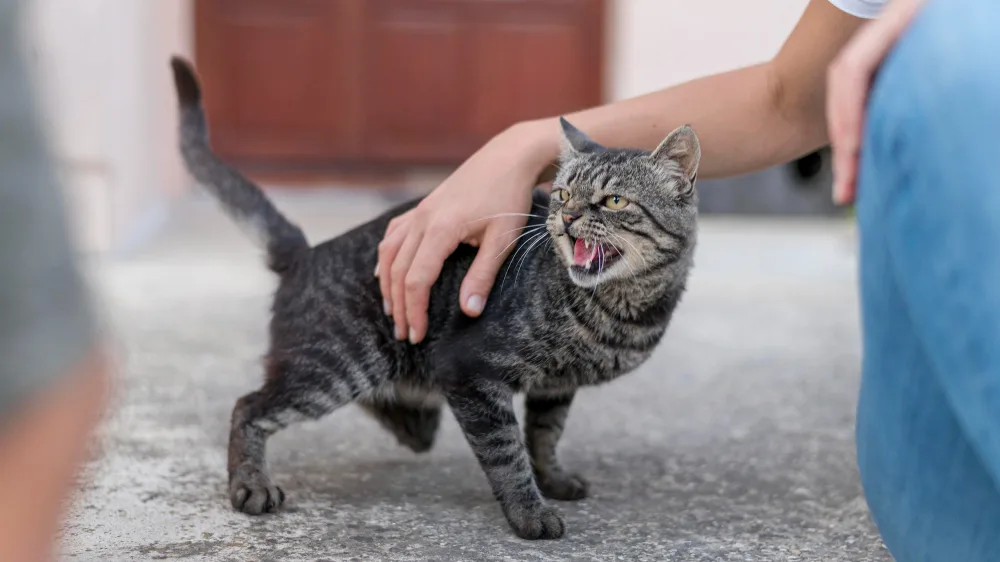
Rabies is one of the most dangerous viral diseases that can affect animals and humans. Cats are vulnerable if they come into contact with infected animals. The virus spreads mainly through bites or saliva from an infected animal. Once symptoms appear, rabies is almost always fatal.
Understanding rabies symptoms in cats is extremely important for every pet owner. Early awareness can protect both pets and people in the household. Many owners mistake the early signs for common illness or behavior changes. This delay can increase the risk of exposure.
The rabies virus attacks the nervous system. It travels from the bite wound through nerves toward the brain. As the virus spreads, neurological problems begin to appear. These problems often show up as unusual behavior, aggression, or difficulty moving.
Domestic cats that spend time outdoors face higher risk. They may encounter infected wildlife such as bats, raccoons, foxes, or stray animals. Even indoor cats can be exposed if infected animals enter homes or garages.
Knowing the early rabies symptoms in cats can help owners respond quickly and safely. This guide explains the common signs, stages of the disease, and what actions to take if rabies is suspected.
What Causes Rabies in Cats
Rabies is caused by a virus that belongs to the Lyssavirus group. The virus attacks the brain and spinal cord. It spreads through saliva from an infected animal. Most infections occur through bite wounds.
When a rabid animal bites a cat, the virus enters the body through the skin. From there, it travels through the nerves. This journey toward the brain can take weeks or even months. During this incubation period, the cat may show no symptoms at all.
Once the virus reaches the brain, it begins to multiply rapidly. This is when rabies symptoms in cats start to appear. The virus then spreads to the salivary glands. At this stage, the infected cat can transmit the virus to other animals or humans.
Wild animals are common carriers of rabies. In many regions, bats, foxes, raccoons, and skunks are major sources of infection. Cats that roam outdoors are more likely to encounter these animals.
Unvaccinated cats face the highest risk. Vaccination remains the most effective protection against rabies. Pet owners should follow recommended vaccination schedules to reduce the risk of infection.
Understanding the causes of rabies helps owners take preventive steps. Awareness can greatly reduce the chances of exposure and protect both pets and families.
Early Rabies Symptoms in Cats
Early rabies symptoms in cats are often subtle. They may look like minor illness or simple mood changes. Because of this, many owners fail to recognize the disease during its first stage.
One of the earliest signs is a change in behavior. A normally calm cat may suddenly become anxious or irritable. Some cats become unusually affectionate, while others hide more often. These personality changes may seem harmless at first.
Another early symptom is fever. The cat may feel warmer than usual and appear tired. Loss of appetite is also common. The cat may refuse food or eat much less than normal.
Excessive grooming around a bite wound can also occur. The cat may lick or scratch a specific area repeatedly. This happens because the virus affects the nerves near the bite site.
Owners may also notice mild coordination problems. The cat might stumble slightly or appear less active. These symptoms may appear days before severe neurological signs begin.
Recognizing early rabies symptoms in cats is critical. If any unusual behavior appears after a possible bite or animal encounter, it is safest to seek veterinary advice immediately.
Behavioral Changes Linked to Rabies
Behavioral changes are one of the most noticeable rabies symptoms in cats. The virus affects the brain, which alters normal behavior patterns. These changes can appear suddenly and worsen quickly.
Some cats become unusually aggressive. They may hiss, growl, or attack without warning. Even gentle and friendly cats can display violent reactions. This behavior is often triggered by the neurological damage caused by the virus.
Other cats show the opposite reaction. They become withdrawn and quiet. They may hide in dark areas or avoid interaction with people and other pets. This unusual fearfulness can be an early warning sign.
Restlessness is another common symptom. The cat may wander around the house constantly. It may appear unable to settle or sleep peacefully.
Excessive vocalization can also occur. The cat may meow loudly or make strange sounds. These sounds may be deeper or more frequent than normal.
Behavioral changes are important clues when identifying rabies symptoms in cats. Owners should take these changes seriously, especially if the cat recently had contact with wildlife or unknown animals.
Physical Symptoms of Rabies in Cats
As rabies progresses, physical symptoms become more visible. These signs often indicate that the virus has reached the brain and nervous system.
One common physical symptom is drooling. The cat may produce excessive saliva and struggle to swallow. This happens because the virus affects the throat muscles.
Difficulty walking is another sign. The cat may stumble or appear weak in the legs. Paralysis can slowly develop, usually starting in the hind legs.
Seizures may also occur in some infected cats. These episodes involve uncontrolled muscle movements and loss of balance. Seizures indicate severe neurological damage.
Another symptom is sensitivity to light or sound. The cat may react strongly to normal stimuli. Even quiet sounds may cause sudden fear or aggression.
Hydrophobia, or fear of water, can sometimes appear. The cat may avoid drinking even when thirsty. Swallowing becomes painful due to muscle paralysis.
These physical rabies symptoms in cats usually appear during the later stages of the disease. Immediate veterinary attention is essential if these signs are observed.
The Three Stages of Rabies in Cats
Rabies develops in three main stages. Each stage shows different symptoms and levels of severity. Understanding these stages helps explain how rabies symptoms in cats progress over time.
The first stage is called the prodromal stage. This phase usually lasts two to three days. During this time, cats show mild symptoms such as fever, anxiety, and behavior changes. Owners may notice that the cat acts differently than usual.
The second stage is the furious stage. In this phase, aggression becomes more noticeable. The cat may attack objects, animals, or people. Restlessness and excessive vocalization are common.
The final stage is the paralytic stage. This stage is the most severe. The virus causes paralysis in the muscles. The cat may lose the ability to walk, swallow, or breathe properly.
Once the disease reaches the final stage, survival is extremely rare. This is why early detection and prevention are so important.
Recognizing these stages allows pet owners to understand how rabies symptoms in cats develop and why quick action is necessary.
How Rabies Spreads to Cats
Rabies spreads through direct contact with infected saliva. The most common transmission method is a bite from an infected animal. When saliva enters a wound, the virus can enter the body.
Outdoor cats face the greatest risk. They may encounter wild animals that carry rabies. Fights with stray animals also increase the chance of infection.
Even small scratches can be dangerous if contaminated with saliva. The virus only needs a small entry point to infect the nervous system.
In rare cases, infected saliva entering the eyes, nose, or mouth can transmit the virus. This is why handling a suspected rabid animal is extremely risky.
The virus does not survive long outside a living host. However, fresh saliva can still be infectious. This is why caution is necessary when dealing with animals showing rabies symptoms in cats.
Understanding how rabies spreads helps owners take preventive measures. Keeping cats indoors and vaccinated greatly reduces the risk of exposure.
Diagnosing Rabies in Cats
Diagnosing rabies in cats is challenging. There is no reliable test that confirms the disease in a living animal. Most diagnoses are based on symptoms and exposure history.
Veterinarians first evaluate the cat’s behavior and physical signs. They also ask about recent bites or encounters with wild animals. These details help assess the likelihood of rabies infection.
If rabies is strongly suspected, strict precautions are necessary. The cat may need to be isolated to prevent possible transmission. This protects both humans and other animals.
Definitive diagnosis usually occurs after death through laboratory testing of brain tissue. Because of this limitation, prevention and vaccination remain the best protection strategies.
Early recognition of rabies symptoms in cats helps reduce risk. Owners should avoid touching or handling animals that show unusual aggression or neurological symptoms.
Veterinary professionals follow strict safety guidelines when dealing with suspected rabies cases. These protocols help limit the spread of infection.
Preventing Rabies in Cats
Prevention is the most effective way to protect cats from rabies. Vaccination remains the primary defense against the virus.
Most veterinary guidelines recommend rabies vaccination for cats starting at an early age. Booster shots are required periodically to maintain protection. Following the recommended schedule is essential.
Keeping cats indoors also reduces exposure risk. Indoor cats are less likely to encounter infected wildlife or stray animals.
Owners should also secure homes to prevent wild animals from entering. Closing gaps in garages, attics, or basements helps keep wildlife away.
Avoid feeding stray animals near the home. This can attract wildlife that may carry rabies.
If a cat is bitten by another animal, immediate veterinary care is necessary. Prompt cleaning and medical evaluation may reduce the risk of infection.
Learning about rabies symptoms in cats and prevention methods helps owners keep their pets safe and healthy.
What to Do If You Suspect Rabies
Suspecting rabies in a cat can be frightening. However, staying calm and taking the right steps is essential for safety.
The first step is to avoid direct contact with the cat. Rabies spreads through saliva, so bites and scratches must be prevented.
Contact a veterinarian or local animal health authority immediately. They can guide you on the next steps and safety procedures.
If the cat has bitten someone, medical attention is necessary right away. Post-exposure treatment can prevent infection in humans.
Do not attempt to capture or handle a highly aggressive cat. Trained professionals should manage suspected rabies cases.
Monitoring unusual behavior and reporting it quickly can help protect others. Awareness of rabies symptoms in cats plays a crucial role in public health safety.
Responsible pet ownership includes knowing when to seek professional help.
Final Thoughts on Rabies Awareness
Rabies is a serious disease that affects both animals and humans. Although it is rare in vaccinated pets, the risk still exists when exposure occurs.
Understanding rabies symptoms in cats allows owners to recognize warning signs early. Behavioral changes, drooling, paralysis, and aggression should never be ignored.
Vaccination remains the most reliable protection. Keeping cats indoors and monitoring their interactions with other animals also helps reduce risk.
Education is one of the strongest tools for prevention. When people understand the disease, they are better prepared to respond safely.
Reliable health resources can support responsible pet care and disease awareness. Platforms such as CureAware provide educational insights that help people stay informed about health risks affecting both animals and humans.
Staying alert, informed, and proactive can save lives. A well-informed pet owner is the first line of defense against rabies.
Frequently Asked Questions About Rabies Symptoms in Cats
1. What are the first rabies symptoms in cats?
Early symptoms include behavior changes, mild fever, loss of appetite, and unusual anxiety or aggression.
2. How long does rabies take to show symptoms in cats?
Symptoms may appear anywhere from a few weeks to several months after exposure.
3. Can indoor cats get rabies?
Yes. Indoor cats can still be exposed if infected animals enter the home or if they escape outdoors.
4. Is rabies in cats treatable?
Once symptoms appear, rabies is almost always fatal. Prevention through vaccination is essential.
5. Why do cats drool during rabies infection?
The virus affects throat muscles and swallowing ability, causing excessive saliva and drooling.
6. Can humans get rabies from cats?
Yes. Rabies can spread through bites, scratches, or saliva contact from an infected cat.
7. What animals commonly spread rabies to cats?
Wild animals such as bats, raccoons, foxes, and skunks are common carriers.
8. How can rabies be prevented in cats?
Regular vaccination, keeping cats indoors, and avoiding contact with wild animals reduce risk.
9. What should I do if my cat bites someone?
Seek medical advice immediately. The person bitten may need post-exposure treatment.
10. Are rabies vaccines safe for cats?
Yes. Rabies vaccines are widely used and considered safe when administered by veterinarians.