





Introduction
The human tongue looks simple. Yet it is a complex organ. It helps with taste, speech, and digestion. Many people become worried when they notice bumps on back of tongue. At first glance, these bumps may seem unusual or even alarming. But in most cases, they are normal structures. The tongue naturally contains several types of papillae. These are small structures that hold taste buds. Some papillae sit on the tip and sides of the tongue. Others sit at the back. The ones located near the throat are larger. Because of their size, they can look unusual to someone who has never noticed them before. This often leads people to search for answers online. Questions about swollen papillae on tongue or red bumps on back of tongue are very common. The good news is that most bumps are harmless. However, changes in size, color, or pain can sometimes signal irritation or infection. Understanding the causes and symptoms can help people respond calmly and wisely.
Understanding the Structure of the Tongue
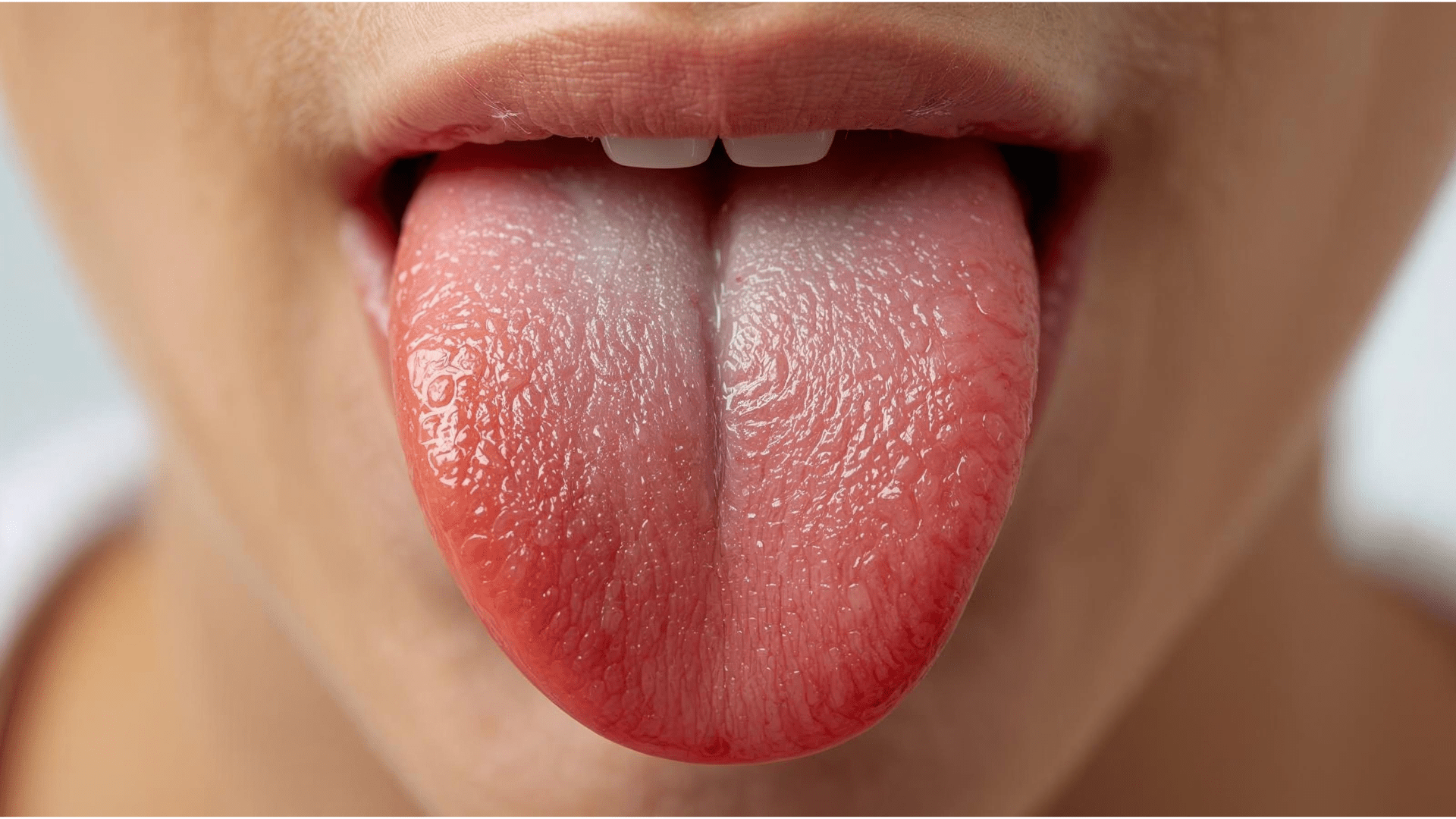
Before discussing tongue bumps, it helps to understand the tongue itself. The surface of the tongue is covered with tiny structures called papillae. These structures contain taste buds. They also help the tongue grip food while chewing. There are several types of papillae. Filiform papillae cover most of the tongue. They help with texture and movement of food. Fungiform papillae are round and contain taste buds. Circumvallate papillae are much larger. These sit in a row at the back of the tongue. They are the bumps many people notice when looking in a mirror. Because these bumps are larger than others, they may appear swollen even when they are completely normal. Sometimes people confuse them with infections or unusual growths. But these bumps have an important role in taste perception. They detect bitter flavors and send signals to the brain. When people search for large bumps on back of tongue, they are often noticing these natural structures.
1. Natural Taste Bud Structures
One of the most common reasons for bumps on back of tongue is simply normal anatomy. The tongue contains a row of large taste buds called circumvallate papillae. These bumps are positioned in a V shape near the throat. They are larger than other papillae on the tongue. Because of their size, they are easy to see in a mirror. Many people become worried when they first notice them. But these bumps are completely natural. They play a role in detecting bitter tastes. This helps the body avoid harmful foods or toxins. These papillae can sometimes appear slightly raised. Their color may also vary from pink to reddish. This is still considered normal. Only when these bumps become painful, swollen, or produce discharge should they be examined by a professional. In most situations, these bumps are simply part of the tongue’s natural design. Understanding this fact can reduce unnecessary worry.
2. Temporary Irritation of the Tongue
Sometimes bumps on back of tongue become more visible due to irritation. The tongue is sensitive and reacts quickly to changes in the mouth. Eating very spicy food can irritate taste buds. Extremely hot drinks can also cause swelling. Even acidic foods such as citrus fruits may trigger temporary inflammation. When irritation occurs, papillae may become red and swollen. This condition is often called inflamed papillae tongue. It can make the tongue feel tender or slightly painful. However, the condition is usually temporary. The bumps often return to normal within a few days. Drinking water and avoiding irritating foods can help the tongue recover. Gentle oral hygiene also supports healing. Many people experience this at some point in life. It is rarely a serious problem.
3. Swollen Papillae
Swollen papillae are another common reason people notice bumps on back of tongue. Papillae can swell when the tongue becomes inflamed. This can happen due to irritation, minor injury, or infection. When papillae swell, they may look larger than usual. They may also appear red or white. In some cases, they feel sore when eating or speaking. This condition is sometimes referred to as transient lingual papillitis. It is usually harmless and temporary. Stress and fatigue can sometimes trigger this reaction. Poor oral hygiene may also contribute to irritation. Fortunately, swollen papillae often heal on their own. Drinking plenty of water and maintaining oral hygiene can help speed recovery. Avoiding spicy or rough foods may also reduce discomfort. Most cases resolve within a few days without medical treatment.
4. Oral Infections
Some infections can also cause bumps on back of tongue. Bacterial infections may lead to inflammation of the papillae. Viral infections can also affect the tongue. These infections sometimes cause redness, swelling, and discomfort. In some cases, people may notice white patches or sores. Oral thrush is one example. It is caused by a fungal infection. This condition may produce white bumps or patches on the tongue surface. Another example is viral infections that cause sore throat symptoms. When the immune system is weakened, infections may become more noticeable. Symptoms such as fever, pain, or difficulty swallowing may appear alongside tongue bumps. In these situations, medical evaluation may be helpful. Treatment often focuses on eliminating the infection and supporting healing.
5. Allergic Reactions
Food allergies can sometimes cause bumps on back of tongue. When the body reacts to an allergen, the tissues in the mouth may become inflamed. The tongue can swell slightly, making papillae appear larger. Some people may also experience itching or burning sensations. Common triggers include certain fruits, nuts, or spices. Artificial food additives can also cause reactions in sensitive individuals. These reactions may appear quickly after eating the triggering food. Fortunately, the symptoms often improve once the allergen is removed from the diet. Drinking water and avoiding irritants can help soothe the tongue. If swelling becomes severe or affects breathing, medical attention is important. But mild allergic reactions often settle down once the trigger is avoided.
6. Poor Oral Hygiene
Oral hygiene plays a major role in tongue health. When bacteria build up in the mouth, the tongue surface can become irritated. This irritation may cause bumps on back of tongue to appear more noticeable. Food particles and bacteria can accumulate between papillae. Over time, this buildup can cause inflammation. The tongue may look coated or slightly discolored. Some people also experience bad breath. Regular brushing and tongue cleaning help remove bacteria. This keeps the papillae healthy and reduces swelling. Using a gentle tongue scraper can also support oral hygiene. Maintaining a clean mouth environment helps prevent many minor tongue issues.
7. Acid Reflux Effects
Acid reflux can also affect the tongue. When stomach acid travels upward into the throat, it may irritate the mouth. This irritation can cause swollen papillae on tongue. People with acid reflux often notice a burning sensation in the throat. Some may also experience a sour taste in the mouth. Repeated exposure to acid can inflame the tongue tissues. This may cause bumps on back of tongue to appear red or swollen. Managing acid reflux can help reduce these symptoms. Lifestyle adjustments such as avoiding late meals may help. Drinking water and maintaining oral hygiene also support recovery.
8. Nutritional Deficiencies
Certain vitamins are essential for tongue health. Deficiencies can sometimes lead to changes in the tongue surface. Vitamin B deficiencies are commonly linked with tongue inflammation. Iron deficiency may also affect the tongue. When the body lacks important nutrients, the tongue may become sensitive. Papillae may appear swollen or irritated. People may also experience soreness or burning sensations. Balanced nutrition helps maintain healthy tissues. Eating a variety of fruits, vegetables, and whole foods supports oral health. When nutritional balance is restored, the tongue often returns to normal.
9. Stress and Hormonal Changes
Stress affects many parts of the body. The tongue is no exception. During periods of high stress, some people notice tongue bumps symptoms appearing more often. Hormonal changes can also influence inflammation levels in the body. These factors may cause papillae to swell temporarily. Stress can also weaken the immune system. This may increase the risk of minor oral infections or irritation. Managing stress through healthy habits can help maintain oral health. Adequate sleep, hydration, and balanced nutrition all play supportive roles.
10. When to Seek Medical Advice
Most bumps on back of tongue are harmless. However, some situations may require medical attention. Persistent pain is one warning sign. Bumps that bleed or grow larger should also be evaluated. Difficulty swallowing or breathing is another serious symptom. In rare cases, unusual growths may require examination. A healthcare professional can inspect the tongue and determine the cause. Early evaluation helps rule out more serious conditions. Fortunately, the vast majority of tongue bumps are benign.
Simple Care Tips for Tongue Health
Maintaining tongue health is simple and practical. Regular oral hygiene helps prevent irritation. Brushing the tongue gently removes bacteria and food debris. Drinking enough water keeps the mouth hydrated. Avoiding extremely spicy or acidic foods can also reduce irritation. A balanced diet supports healthy tissues. Regular dental checkups help monitor oral health. Small lifestyle habits can make a big difference in preventing discomfort.
A Gentle Reminder for Oral Awareness
Paying attention to changes in the mouth is important. The tongue can provide clues about overall health. Observing bumps on back of tongue occasionally is normal. But persistent symptoms should not be ignored. Awareness helps people respond calmly rather than panic. Reliable health information can make a big difference in understanding symptoms. Platforms such as Cureaware often discuss everyday health questions in simple language. Learning from trustworthy resources encourages informed decisions about oral health and general well-being.
Frequently Asked Questions
1. Are bumps on the back of the tongue normal?
Yes. Many bumps are normal taste bud structures called circumvallate papillae.
2. Why do I suddenly notice bumps on my tongue?
They may have always been there. Irritation or swelling can make them more visible.
3. Can spicy food cause tongue bumps?
Yes. Spicy or acidic foods can irritate papillae and cause temporary swelling.
4. How long do swollen tongue bumps last?
Most minor irritation resolves within a few days.
5. Are red bumps on the back of the tongue dangerous?
Usually not. They often result from irritation or inflamed papillae.
6. Can dehydration cause tongue irritation?
Yes. Lack of hydration can make the tongue more sensitive.
7. Should I brush my tongue daily?
Gentle tongue cleaning can help maintain oral hygiene.
8. When should I see a doctor for tongue bumps?
If bumps are painful, growing, bleeding, or lasting longer than two weeks.
9. Can allergies cause bumps on the tongue?
Yes. Food allergies may trigger swelling and irritation.
10. Do vitamin deficiencies affect the tongue?
Yes. Deficiencies in vitamins like B12 and iron can cause tongue inflammation.