





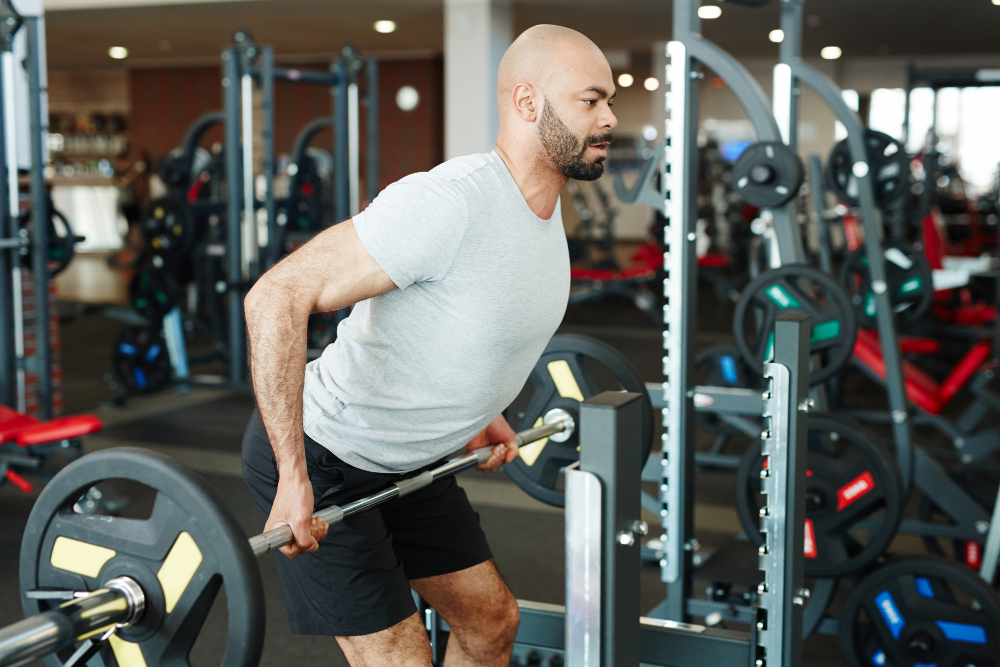
Deadlifts are one of the most powerful strength-training exercises. They help build muscle, improve posture, and strengthen the entire posterior chain, including the glutes, hamstrings, and back. However, many lifters experience lower spine pain after deadlift, especially when the exercise is performed incorrectly or with excessive weight.
Lower back discomfort after lifting can range from mild soreness to sharp pain that limits movement. Understanding the causes of lower back pain after deadlift, learning proper lifting techniques, and following recovery strategies can help prevent injuries and keep your workouts safe.
In this guide, we will explore why your lower back hurts after deadlifts, common mistakes, prevention tips, and exercises to relieve lower spine pain.
What Is Lower Spine Pain After Deadlift?
Lower spine pain after deadlift refers to discomfort or soreness in the lumbar region of the back following a deadlift workout. The lumbar spine supports most of the body’s weight during lifting movements, making it particularly vulnerable to strain if the technique is incorrect.
Some lifters may experience muscle soreness, while others may feel sharp lower back pain after deadlift, which could indicate muscle strain or improper form.
Common symptoms include:
- Tightness in the lower back
- Sharp or stabbing pain in the lumbar spine
- Difficulty bending or standing straight
- Pain that increases during movement
- Stiffness the day after deadlift training
Why Does My Lower Back Hurt After Deadlift?
If you’re asking “why does my lower back hurt after deadlift?”, several factors may be responsible. Deadlifts involve multiple muscles and require proper coordination, posture, and core strength.
Here are the most common causes of lower spine pain after deadlift.
1. Poor Deadlift Form
Incorrect lifting technique is the leading cause of deadlift lower back pain. When the spine rounds or the hips rise too quickly, excessive stress is placed on the lumbar spine.
Common form mistakes include:
- Rounding the lower back
- Lifting with the back instead of the hips
- Improper bar positioning
- Not engaging the core muscles
Maintaining a neutral spine throughout the movement is essential to avoid lower back strain.
2. Lifting Too Much Weight
Using weights beyond your strength capacity can overload the lumbar spine and cause lower back strain from deadlift.
Heavy weights may lead to:
- Loss of proper technique
- Increased spinal compression
- Muscle strain or injury
Progressive overload should always be gradual.
3. Weak Core Muscles
The core stabilizes the spine during heavy lifts. If the abdominal muscles are weak, the lower back compensates, leading to lumbar pain after deadlift.
A strong core distributes weight evenly and reduces pressure on the spine.
4. Lack of Proper Warm-Up
Skipping warm-up exercises can make muscles stiff and prone to injury. Tight muscles increase the risk of lower back pain day after deadlift.
A proper warm-up prepares the body for heavy lifting and improves mobility.
5. Tight Hamstrings and Hip Flexors
Limited flexibility in the hamstrings and hips can force the lower back to bend during deadlifts, causing lower back tightness after deadlift workouts.
Stretching and mobility exercises help maintain proper movement patterns.
Is Lower Back Pain Normal After Deadlift?
Mild soreness in the lower back muscles can be normal, especially for beginners. However, sharp lower back pain after deadlift is not normal and may indicate a strain or injury.
Normal muscle soreness:
- Appears within 24–48 hours
- Feels like dull muscle stiffness
- Improves with movement
Injury-related pain:
- Sharp or stabbing sensation
- Pain during bending or walking
- Persistent discomfort
If severe pain occurs, it’s important to rest and seek professional advice.
Common Deadlift Mistakes That Cause Lower Back Pain
Avoiding common mistakes can significantly reduce the risk of deadlift back injury.
1. Rounding the Back
A rounded spine places extreme pressure on the lumbar discs.
2. Bar Too Far From the Body
When the bar drifts away from the legs, the lower back must work harder.
3. Jerking the Weight Off the Floor
Sudden movements increase spinal stress.
4. Not Engaging the Core
Without core stability, the spine becomes vulnerable.
5. Poor Hip Hinge Movement
Deadlifts should involve the hips and glutes, not just the lower back.
How to Prevent Lower Spine Pain After Deadlift
Preventing lower back pain after deadlift requires proper technique, strength training, and body awareness.
1. Maintain a Neutral Spine
Keep your back straight and chest up throughout the movement.
Tips:
- Look forward
- Engage the core
- Avoid rounding the back
2. Strengthen the Core
Strong core muscles protect the spine and improve lifting stability.
Effective core exercises include:
- Planks
- Dead bugs
- Bird dogs
- Hanging leg raises
3. Use Proper Deadlift Technique
Correct technique reduces the risk of deadlift lower back pain.
Key steps:
- Stand with feet hip-width apart
- Keep the bar close to your shins
- Push through the heels
- Engage the glutes at the top
4. Start With Lighter Weights
Gradually increase the weight to avoid excessive strain on the lumbar spine.
Beginners should focus on mastering form before adding heavy loads.
5. Warm Up Before Lifting
A proper warm-up prepares muscles and joints for intense exercise.
Effective warm-up exercises:
- Hip mobility drills
- Bodyweight squats
- Glute bridges
- Dynamic stretching
Exercises to Relieve Lower Back Pain After Deadlift
Certain exercises can help reduce lower spine pain after deadlift and strengthen supporting muscles.
1. Child’s Pose Stretch
This stretch gently decompresses the lower spine and relieves tension.
2. Cat-Cow Stretch
Improves spinal mobility and reduces stiffness.
3. Glute Bridges
Strengthen the glutes to reduce lower back strain during lifting.
4. Bird Dog Exercise
Improves core stability and spinal alignment.
5. Hamstring Stretch
Relieves tension that may contribute to lower back tightness.
How Long Does Lower Back Pain Last After Deadlift?
The recovery time depends on the severity of the strain.
Typical recovery timeline:
- Mild soreness: 1–3 days
- Muscle strain: 1–2 weeks
- Moderate injury: Several weeks
Rest, stretching, and light movement can speed up recovery.
When Should You Stop Deadlifting?
Stop deadlifting immediately if you experience:
- Severe or sharp lower back pain
- Pain radiating to the legs
- Numbness or tingling
- Difficulty standing or walking
These symptoms may indicate a more serious injury that requires medical evaluation.
Tips for Safe Deadlifting
Follow these tips to protect your spine during training.
- Always warm up before lifting
- Maintain proper form
- Strengthen the core muscles
- Avoid lifting excessive weight
- Use proper footwear for stability
- Take rest days between heavy workouts
Consistent attention to technique and recovery will reduce the chances of lower back pain after deadlift.
Conclusion
Experiencing lower spine pain after deadlift can be frustrating, but it is often preventable. Most cases occur due to poor technique, lifting excessive weight, weak core muscles, or lack of proper warm-up.
By improving deadlift form, strengthening the core, and gradually increasing training intensity, you can reduce the risk of injury and enjoy the benefits of this powerful exercise safely.
Remember, your lower back should support your training—not suffer because of it. Listening to your body and practicing proper lifting habits will ensure long-term strength and performance.
FAQs
1. Why does my lower spine hurt after deadlift?
Lower spine pain after deadlift usually occurs due to poor lifting form, lifting excessive weight, weak core muscles, or tight hamstrings. These factors increase pressure on the lumbar spine and may lead to muscle strain or discomfort after workouts.
2. Is lower back pain normal after deadlifts?
Mild soreness can be normal after intense workouts. However, sharp lower back pain after deadlift is not normal and may indicate improper form or injury. Persistent pain should be evaluated by a healthcare professional.
3. How can I prevent lower back pain during deadlifts?
To prevent lower back pain, maintain a neutral spine, strengthen your core muscles, warm up properly, start with lighter weights, and practice correct deadlift technique to reduce stress on the lumbar spine.
4. What exercises help relieve lower back pain after deadlift?
Exercises such as child’s pose, cat-cow stretch, bird dog, glute bridges, and hamstring stretches can help relieve lower back tension, improve flexibility, and strengthen the muscles supporting the spine.
5. Should I stop deadlifting if my lower back hurts?
If you experience severe or sharp pain, stop deadlifting immediately and allow your body to recover. Continuing to lift with pain may worsen the injury and lead to more serious spinal issues.