



## Quick Answer
Yes. A swollen tonsil can cause ear pain, even when the ear itself is healthy. The tonsils and parts of the ear share nerve pathways, so inflammation in the throat can sometimes be felt as pain in one or both ears. This is called referred ear pain. A viral infection, tonsillitis, or a bacterial infection such as strep throat may cause swollen tonsils and discomfort when swallowing. Severe one-sided throat pain, difficulty opening the mouth, drooling, a muffled voice, or trouble breathing needs urgent medical assessment.
## Can Swollen Tonsils Cause Ear Pain?
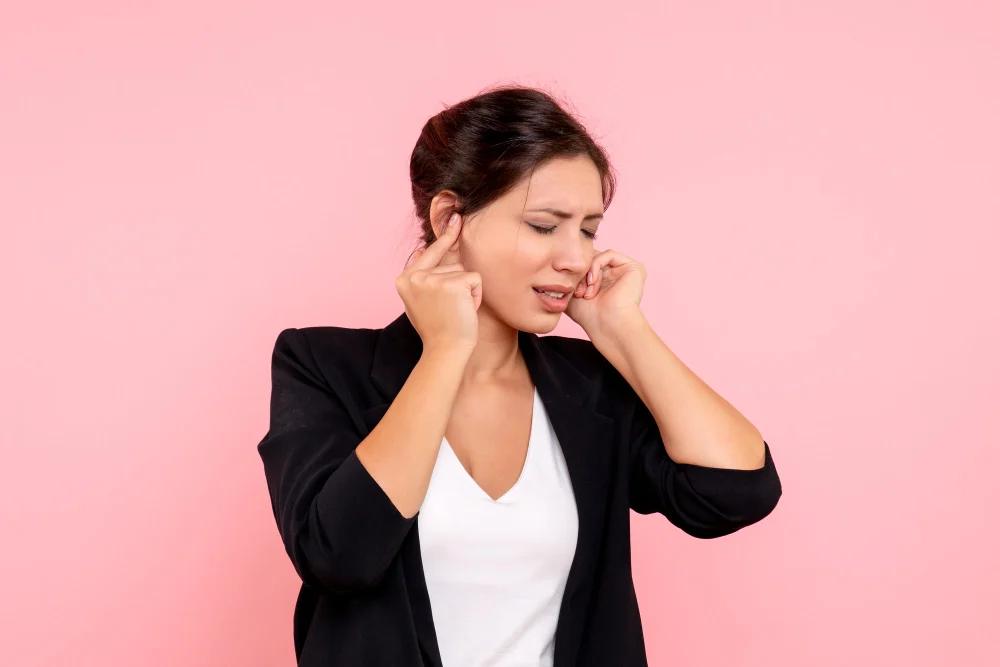
Yes. Swollen or inflamed tonsils can cause pain that seems to travel toward the ear. This happens because nerves that carry sensation from the throat and tonsil area also connect with pathways that serve parts of the ear. The brain may interpret pain signals from the throat as ear pain.
This is known as referred otalgia. It can happen even if there is no infection inside the ear. The discomfort may affect one ear or both, depending on where the inflammation is.
## Why Do Tonsils Become Swollen?
The tonsils are two small areas of tissue at the back of the throat. They help the immune system respond to germs that enter through the mouth and nose. They can become enlarged or inflamed for several reasons.
### 1. Viral tonsillitis
Viruses that cause colds, flu, and other respiratory infections can inflame the tonsils. Symptoms may include a sore throat, swollen tonsils, cough, runny nose, hoarseness, and sometimes fever.
### 2. Strep throat
Group A Streptococcus bacteria can cause strep throat. Symptoms may include sudden throat pain, painful swallowing, fever, tender glands in the neck, and swollen tonsils that may have white patches. A clinician may recommend a rapid test or throat culture to confirm the cause.
### 3. Other throat infections
Other infections can irritate the throat and surrounding tissues. The right treatment depends on the cause, so it is not possible to tell whether antibiotics are needed just by looking at symptoms.
### 4. Tonsil stones or local irritation
Tonsil stones can cause bad breath, a feeling that something is stuck in the throat, or mild discomfort. They are not the same as acute tonsillitis, but irritation around the tonsils may sometimes coexist with throat or ear discomfort.
## Symptoms That May Occur Alongside Ear Pain
If swollen tonsils are causing referred ear pain, you may also notice:
– Sore throat or pain when swallowing
– Red or enlarged tonsils
– Fever or chills
– Tender or swollen lymph nodes in the neck
– White spots or patches on the tonsils
– Bad breath
– Headache or feeling generally unwell
– Pain that feels stronger on one side of the throat or ear
Symptoms vary according to the cause. Ear pain can also result from an ear infection, dental problem, jaw joint disorder, or another condition, so persistent pain should not automatically be blamed on the tonsils.
## How Can You Tell Whether Ear Pain Is Coming From the Tonsils?
Pain that gets worse when swallowing and occurs with a sore throat or visibly swollen tonsils may suggest referred pain from the throat. The ear may feel painful even without discharge or a change in hearing.
An ear infection is more likely when there is ear discharge, reduced hearing, a blocked sensation, or pain that is clearly centered in the ear, although symptoms can overlap. A healthcare professional can examine the throat and ear to help identify the source.
If you have a sore throat and ear pain together, see our related guide: [Reasons why your ear is hurting and your throat feels sore](/reasons-why-your-ear-hurting-and-throat-feels-sore/).
## How Are Swollen Tonsils and Ear Pain Diagnosed?
A healthcare professional may:
1. Ask when the pain started and whether it affects one or both ears.
2. Examine the tonsils, throat, mouth, neck, and ears.
3. Check for fever, swollen lymph nodes, or signs of an abscess.
4. Recommend a rapid strep test or throat culture when strep throat is suspected.
5. Arrange further assessment if symptoms are persistent, recurrent, or unusual.
Antibiotics are used for certain bacterial infections, not for ordinary viral tonsillitis. Do not take leftover antibiotics or start them without a clinician’s advice.
## What Can Help Relieve Tonsil-Related Ear Pain?
For mild symptoms, supportive care may help while the underlying illness improves:
– Drink water regularly to avoid dehydration.
– Try warm or cool drinks, whichever feels more soothing.
– Gargle with warm salt water if you can do so safely and are old enough to gargle without swallowing it.
– Rest and avoid smoke or other throat irritants.
– Choose soft foods if swallowing is uncomfortable.
– Ask a pharmacist or healthcare professional which pain relief is appropriate for your age, health conditions, and any medicines you take.
Do not put oil, drops, or objects into the ear unless a healthcare professional recommends them. These measures may ease discomfort but do not treat the cause of a bacterial infection or an abscess.
## When Should You Seek Medical Care?
Arrange a medical assessment if throat and ear pain are severe, getting worse, keep returning, or do not begin to improve. You should also seek advice if you have a high fever, a rash, dehydration, or difficulty swallowing fluids.
**Get urgent medical help** if you have any of the following:
– Difficulty breathing
– Inability to swallow saliva or drooling
– Severe or rapidly worsening pain, especially on one side
– Difficulty opening your mouth
– A muffled or unusual voice
– Significant swelling in the throat or neck
These can be warning signs of a peritonsillar abscess or another complication that needs prompt treatment.
## Key Takeaways
– Swollen tonsils can cause ear pain through shared nerve pathways, even when the ear is not infected.
– Viral tonsillitis and strep throat are possible causes of swollen tonsils.
– Pain when swallowing alongside a sore throat may point to referred ear pain, but an examination is needed to confirm the cause.
– Antibiotics only help certain bacterial infections and should be prescribed by a healthcare professional.
– Breathing difficulty, drooling, inability to swallow, a muffled voice, or trouble opening the mouth requires urgent assessment.
## Frequently Asked Questions
### 1. Can swollen tonsils cause pain in one ear?
Yes. Inflammation on one side of the throat can cause referred pain in the ear on the same side. Persistent or severe one-sided pain should be assessed.
### 2. Can tonsillitis cause ear pain without an ear infection?
Yes. Shared nerve pathways can make throat pain feel as though it is coming from the ear. An examination can help rule out an ear infection.
### 3. Does ear pain mean I have strep throat?
No. Ear pain can accompany viral tonsillitis, strep throat, and several other conditions. A strep test may be needed when the symptoms and examination suggest it.
### 4. Why does my ear hurt more when I swallow?
Swallowing moves muscles and tissues in the throat. If the tonsils or nearby tissues are inflamed, this movement can worsen throat pain that is referred toward the ear.
### 5. Can swollen tonsils cause pain in both ears?
They can. Referred pain may affect one or both ears, depending on the location and extent of inflammation.
### 6. How long does ear pain from tonsillitis last?
It depends on the cause and how quickly the inflammation settles. If pain is worsening, severe, persistent, or accompanied by warning signs, seek medical advice rather than waiting for a set number of days.
### 7. Do I need antibiotics for swollen tonsils and ear pain?
Not always. Viral infections do not improve with antibiotics. A healthcare professional can decide whether testing or antibiotic treatment is appropriate.
### 8. Can tonsil stones cause ear pain?
Tonsil stones more commonly cause bad breath, irritation, or a sensation of something stuck in the throat. Ear pain should be assessed if it is persistent or significant because other causes may be involved.
### 9. What is a peritonsillar abscess?
It is a collection of pus in the tissues near a tonsil, often following tonsillitis. Severe one-sided pain, difficulty opening the mouth, drooling, and a muffled voice can be warning signs and need urgent medical assessment.
### 10. When should I go to the emergency department?
Seek emergency care for difficulty breathing, inability to swallow saliva, drooling, or rapidly increasing throat or neck swelling. These symptoms can signal a serious problem.
## Medical Disclaimer
This article is for general educational purposes only and is not a substitute for diagnosis or treatment from a qualified healthcare professional. Seek urgent care for breathing or swallowing difficulties.
## Sources
– [NHS: Tonsillitis](https://www.nhs.uk/conditions/tonsillitis/)
– [NHS: Sore throat](https://www.nhs.uk/conditions/sore-throat/)
– [MedlinePlus: Tonsillitis](https://medlineplus.gov/tonsillitis.html)
– [Cleveland Clinic: Referred Pain](https://my.clevelandclinic.org/health/symptoms/25238-referred-pain)