


## Quick Answer
Yes. A car accident can cause a hernia, although this is uncommon. A strong impact, seat-belt compression or sudden rise in pressure inside the abdomen can injure the abdominal wall and, in rare cases, allow tissue to push through a tear. An accident may also make a pre-existing hernia noticeable. New abdominal or groin pain, swelling or a bulge after a crash should be assessed by a healthcare professional.
## Can a car accident cause a hernia?
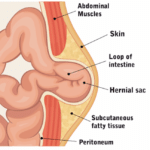
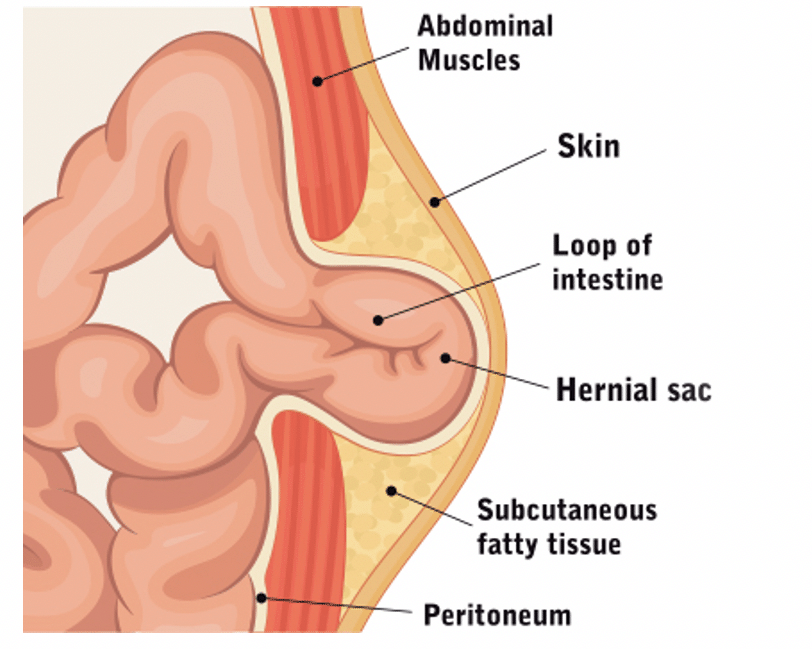
A hernia develops when tissue, often fat or part of the intestine, pushes through a weak spot or opening in the muscle or connective tissue that normally holds it in place. Most hernias develop gradually because of tissue weakness, previous surgery, age, repeated strain or other risk factors.
A high-impact collision can cause direct blunt trauma to the abdomen. In rare cases, the force may damage the abdominal muscles or fascia and create a traumatic abdominal wall hernia. A seat belt can also concentrate force across the abdomen during a crash.
Not every hernia discovered after an accident was caused by the collision. The impact may make an existing weakness painful or reveal a bulge that had not previously been noticed. A clinician needs to assess the timing, symptoms, examination findings and imaging before determining the likely cause.
## How might a collision lead to a hernia?
Several mechanisms may be involved:
– **Direct abdominal impact:** The steering wheel, dashboard, seat belt or another object may injure the abdominal wall.
– **Sudden compression:** Rapid deceleration can place substantial force on the abdomen and its supporting tissues.
– **Muscle or fascia injury:** A tear or defect in the abdominal wall may allow fat or bowel to protrude.
– **An existing weak spot:** The crash may aggravate symptoms from an umbilical, inguinal, incisional or other pre-existing hernia.
A traumatic hernia can occur without an obvious skin wound. That is one reason new symptoms after a collision should not be dismissed.
## Symptoms to watch for after a car accident
Possible signs of an abdominal wall hernia include:
– A new lump or bulge in the abdomen, groin or near the belly button.
– Pain, tenderness or pressure that becomes more noticeable when coughing, standing or straining.
– Swelling or bruising around the impact or seat-belt area.
– Discomfort when bending, lifting or changing position.
– A bulge that appears or becomes more prominent when standing.
These symptoms are not proof of a hernia. Bruising, muscle strain, internal injury and other trauma-related conditions can cause similar symptoms.
## When is it an emergency?
Seek emergency medical care immediately if you develop severe or worsening abdominal pain, repeated vomiting, a swollen or very tender abdomen, fever, inability to pass stool or gas, or a bulge that becomes firm, discoloured or cannot be gently reduced. These can be warning signs of an incarcerated or strangulated hernia or another serious abdominal injury.
Do not try to force a painful or stuck bulge back into place. If you have significant pain or feel faint after a collision, call emergency services rather than driving yourself.
## How do doctors diagnose a hernia after a crash?
A clinician will ask how the collision happened, where the pain is located, when the symptoms began and whether you noticed a bulge before the accident. They may examine the abdomen and groin while you are lying down and standing.
Depending on the injury and examination, imaging may be needed. Ultrasound can help assess some abdominal wall defects. A CT scan may be used when clinicians need to evaluate a traumatic injury, define a suspected hernia or check for other internal damage. The appropriate test depends on the clinical situation.
Tell the medical team about any seat-belt marks, direct abdominal impact, previous hernia diagnosis or abdominal surgery.
## Treatment options
Treatment depends on the hernia’s location, size, symptoms and whether bowel or other tissue is trapped. Some uncomplicated hernias may be monitored after a clinician confirms the diagnosis. Others need planned surgical repair.
A traumatic hernia or a hernia with signs of obstruction or strangulation may require urgent surgical assessment. Do not resume heavy lifting or strenuous exercise until your treating clinician has advised that it is safe. Follow the recovery instructions given for any other injuries from the collision as well.
## Can you prove that the accident caused the hernia?
A hernia diagnosed after a collision does not automatically establish that the crash caused it. Medical records from the first assessment, details of the impact, previous symptoms, physical examination and imaging can help clinicians assess whether the injury is new or whether an existing hernia became symptomatic.
If the diagnosis may be relevant to an insurance or legal claim, keep copies of medical reports and follow-up records. Medical causation should be assessed by qualified professionals; an online article cannot determine responsibility for an individual injury.
## Frequently asked questions
### Can a seat belt cause a hernia?
A seat belt can create substantial force across the abdomen during a collision. Rarely, blunt seat-belt trauma may contribute to an abdominal wall injury or traumatic hernia. A seat-belt bruise alone does not mean a hernia has occurred.
### How soon can a hernia appear after a car accident?
Symptoms may be noticed soon after the collision, but timing varies. Swelling or pain can become more apparent later. Any new or worsening abdominal or groin symptoms after a crash deserve medical assessment.
### Can a car accident make an old hernia worse?
The impact may make a pre-existing hernia painful or more noticeable. A clinician can assess whether the hernia has changed and whether treatment is needed.
### Should I go to the hospital for a bulge after a crash?
Yes, arrange prompt medical assessment for a new bulge after a collision. Go to an emergency department immediately if it is accompanied by severe pain, vomiting, fever, skin colour change or inability to pass stool or gas.
## Key Takeaway
A car accident can rarely cause a traumatic hernia, and it may also reveal or aggravate a hernia that was already present. A new lump, pain or swelling after a collision should be checked rather than self-diagnosed. Severe pain, vomiting or a firm, discoloured bulge requires emergency care.
*This article is for general education and does not replace an examination or medical advice. If you have been injured in a collision, seek care based on your symptoms and the advice of your healthcare professional.*