

Quick answer: Treatments for evaporative dry eye are not automatically suitable for every person or every skin type. Options such as warm compresses, eyelid hygiene, lubricating drops, thermal pulsation, and intense pulsed light (IPL) may help selected patients, especially when meibomian gland dysfunction is involved. IPL is a light-based treatment, so skin tone, photosensitivity, eye protection, medications, and the device’s approved settings matter. An eye specialist should examine the eyelids and tear film before recommending a procedure.
If you are searching for “blink evaporative treatments suitable for all skin types,” you may be asking whether treatments for evaporative dry eye can be used safely across different skin tones. The answer depends on the treatment. Some approaches do not depend on skin pigmentation, while light-based procedures need individual assessment. This guide explains the options and what to discuss with an eye care professional.
What is evaporative dry eye?
Evaporative dry eye occurs when tears evaporate too quickly from the surface of the eye. A common contributing problem is meibomian gland dysfunction (MGD). These small glands along the eyelid margins produce oils that help slow tear evaporation. If the oils are poor quality or the glands become blocked, the tear film can become unstable.
Symptoms may include burning, stinging, grittiness, redness, watery eyes, light sensitivity, and vision that fluctuates or briefly clears after blinking. Evaporative dry eye can occur on its own or alongside reduced tear production, so symptoms alone cannot confirm the subtype.
Are evaporative dry eye treatments suitable for all skin types?
No single treatment is suitable for everyone. The phrase “all skin types” is especially important when discussing IPL because it uses light energy that interacts with pigment and blood vessels. Suitability can depend on skin tone, the specific device and settings, eye protection, recent tanning, photosensitising medicines, and other health factors.
Other treatments, such as warm compresses, eyelid hygiene, lubricating drops, and thermal pulsation, are not selected on the basis of skin colour in the same way. They still require assessment because eye conditions, eyelid anatomy, prior surgery, inflammation, and symptom severity can affect whether they are appropriate.
Common treatments for evaporative dry eye
1. Warm compresses and eyelid hygiene
Warm compresses can soften thickened oils in the meibomian glands, while gentle eyelid cleaning helps remove debris from the lid margins. These are common conservative measures for MGD. Use a comfortably warm—not hot—compress and follow the eye clinician’s instructions. Excessive heat or vigorous rubbing can irritate the eyelids.
2. Artificial tears and lipid-based eye drops
Lubricating eye drops can improve comfort and support the tear film. Some formulations contain lipid components intended to reduce evaporation. Preservative-free products may be preferred when drops are needed frequently or the ocular surface is sensitive. The best option depends on the type and severity of dry eye.
3. Thermal pulsation treatment
Thermal pulsation devices apply controlled heat to the inner eyelids and pressure or massage to the outer eyelids to help clear blocked meibomian glands. This treatment is generally not chosen according to skin tone, but it is not appropriate for every patient. An eye care professional should review eyelid health, active inflammation or infection, recent eye procedures, and other relevant history first.
4. Intense pulsed light (IPL)
IPL delivers controlled pulses of light to the skin around the eyes and may be used in selected patients with MGD-related evaporative dry eye. It may help reduce abnormal blood vessels and inflammation around the eyelids, but it is not a universal solution and is not suitable for everyone.
Because IPL interacts with skin pigment, the clinician must consider skin phototype, the particular IPL system, treatment settings, eye shields, recent sun exposure or tanning, and medicines or conditions that increase light sensitivity. Some clinical protocols discuss IPL in combination with low-level light therapy for a wider range of skin types, but that should not be interpreted as a guarantee that every IPL device or protocol is safe for every person. Ask the treating clinician which device and protocol they use and why it is suitable for your skin and eye health.
5. Prescription treatment
Some people need prescription eye drops or other treatment to address inflammation or associated eyelid disease. Antibiotics or anti-inflammatory medicines may be considered in selected cases. These medicines should only be used under professional guidance; do not use leftover eye drops or steroid drops without an eye examination.
How does an eye doctor decide which treatment is right?
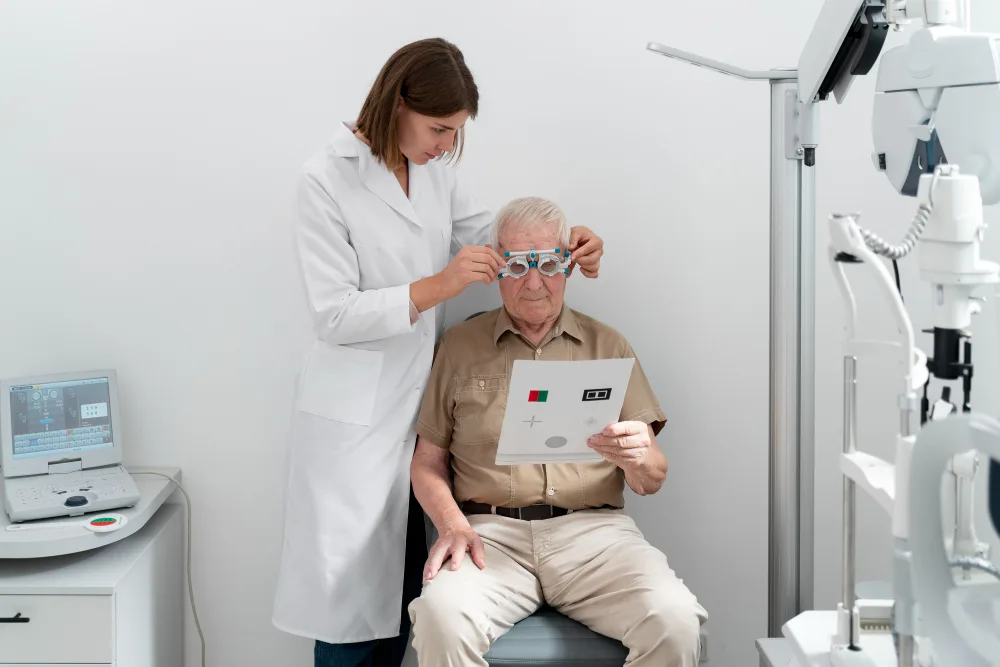
The assessment usually starts with your symptoms, medical and medication history, contact lens use, previous eye procedures, and examination of the eyelids and ocular surface. Depending on the findings, the clinician may assess:
- Tear film stability, including tear break-up time.
- Tear quantity, sometimes using a Schirmer test.
- Meibomian gland openings and the quality of the oils they release.
- Signs of inflammation or damage on the cornea and conjunctiva.
- Whether incomplete blinking, eyelid position, rosacea, or environmental factors contribute.
This helps distinguish evaporative dry eye from aqueous-deficient or mixed dry eye. The distinction matters because a procedure aimed at the meibomian glands may not address every cause of dryness.
Who may need extra caution with IPL?
Tell the clinician if you have a darker skin phototype, a recent tan or sunburn, a history of photosensitivity, or take medicines that can increase sensitivity to light. Also mention pregnancy, active skin or eye inflammation, a history of eye disease, and any previous eye surgery. The relevance of each factor depends on the device, protocol, and individual circumstances.
Never look directly at an IPL flash. Appropriate protective eye shields and trained clinical supervision are essential. Do not attempt to use cosmetic IPL devices near the eyes to treat dry eye.
Can lifestyle changes help evaporative dry eye?
They may reduce triggers and support treatment, although they do not replace an examination when symptoms persist. Consider taking regular breaks during prolonged screen use, blinking fully and regularly, avoiding direct airflow from fans or air conditioners, and using a humidifier if indoor air is very dry. Avoid smoke and remove contact lenses if they worsen discomfort, following advice from your eye care professional.
If you also experience fluctuating eyesight, our guide on whether eye dryness can cause blurred vision explains why tear-film changes can affect clarity.
When should you seek eye care?
Arrange an eye examination if dryness, burning, redness, or fluctuating vision continues, keeps returning, or interferes with daily activities. Seek urgent eye care for sudden vision loss or a marked change in vision, severe eye pain, significant light sensitivity, an eye injury, or a very red eye with pain. These symptoms should not be assumed to be ordinary dry eye.
Frequently asked questions
Are all evaporative dry eye treatments suitable for every skin tone?
No. Warm compresses, eyelid hygiene, lubricating drops, and thermal pulsation are not generally selected by skin tone. IPL requires a more individual assessment because light energy interacts with skin pigment and device settings.
Is IPL safe for darker skin?
It depends on the device, settings, treatment protocol, and the individual’s skin and medical history. Do not assume that every IPL system is suitable for every skin tone. Ask an experienced eye care professional to assess your skin phototype and explain the eye-protection measures.
Is LipiFlow or thermal pulsation suitable for all skin types?
Skin pigmentation is not usually the main factor in selecting thermal pulsation. However, the procedure may not be appropriate for every eye or eyelid condition. An examination is needed to determine whether it is suitable.
Can evaporative dry eye go away permanently?
It depends on the underlying cause. Symptoms may improve with consistent eyelid care, treatment of contributing conditions, and environmental changes, but meibomian gland dysfunction can be chronic and may need ongoing management.
How do I know if I have evaporative or aqueous-deficient dry eye?
The symptoms can overlap. An eye care professional may assess tear production, tear-film stability, eyelid margins, and meibomian gland function to identify the main type or whether both are present.
Key takeaway
Evaporative dry eye treatments are not all interchangeable, and “suitable for all skin types” is not a blanket promise. Conservative care and thermal pulsation are not usually chosen by skin tone, while IPL requires careful assessment of skin phototype, device settings, eye protection, and medical history. A proper dry eye examination is the safest way to choose a treatment plan.
Medical information notice: This article is for general education and does not replace an eye examination or personalised medical advice.