


Introduction
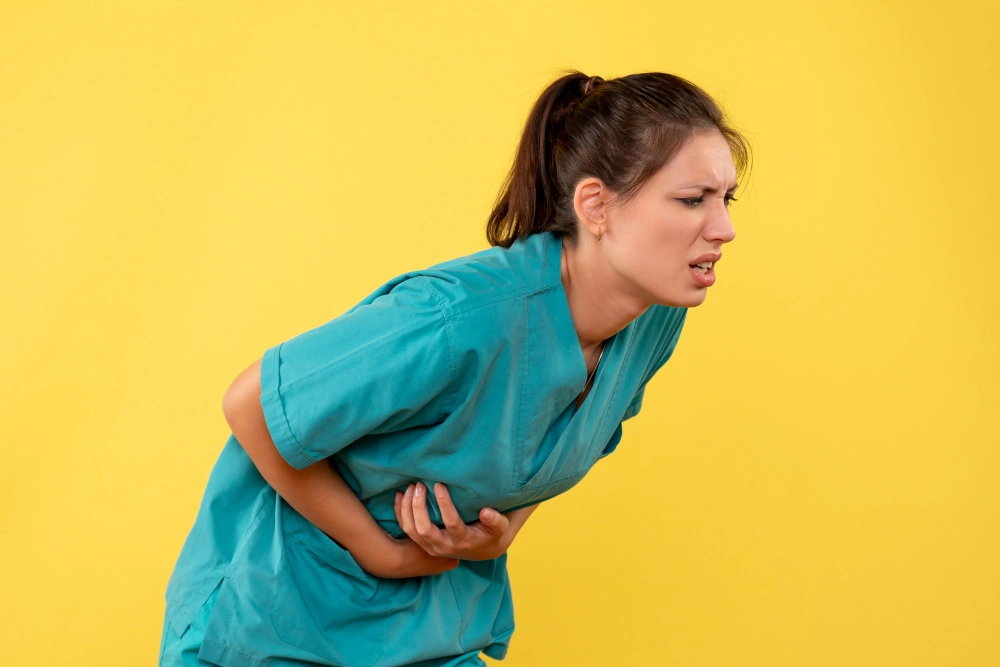
Many people experience both digestive discomfort and body aches at the same time. One common question is whether Constipation can actually lead to back pain. The answer is yes, and it is more common than you might think. When bowel movements become irregular, it can create pressure in the abdomen. This pressure can affect nearby muscles and nerves. Over time, it may lead to discomfort in the lower back.
Understanding this connection is important for early care. Many people ignore constipation, thinking it is a minor issue. However, untreated digestive problems can lead to complications. Back pain linked to constipation may feel dull, sharp, or persistent. It can worsen if the root cause is not addressed.
In this blog, you will learn how constipation and Back Pain are connected. You will also explore symptoms, causes, treatments, and prevention methods. This guide uses simple language and short sentences. It is designed to help you take better care of your health.
What Is Constipation?
Constipation is a common digestive condition. It happens when bowel movements become less frequent or difficult to pass. Many people experience it occasionally. For others, it can become a chronic issue. Normally, a healthy person should have regular bowel movements. When stools become hard and dry, it becomes painful to pass them.
The causes of constipation vary. It can happen due to poor diet, low fiber intake, dehydration, or lack of physical activity. Some medications can also slow down digestion. Stress and lifestyle habits also play a major role. When stool stays in the colon for too long, it absorbs excess water. This makes it harder and more difficult to pass.
Constipation can lead to several discomforts. These include bloating, abdominal pain, and a feeling of incomplete evacuation. In some cases, it may also lead to back pain. This happens due to pressure buildup inside the body. Understanding constipation is the first step toward managing it effectively.
Can Constipation Cause Back Pain?
Yes, constipation can cause back pain. The connection is often overlooked. When stool builds up in the intestines, it creates pressure in the abdomen. This pressure can extend to the lower back. The intestines are located close to the spine. When they become distended, they can push against surrounding muscles and nerves.
This pressure may lead to discomfort or pain in the back. In some cases, the pain can feel like muscle strain. In others, it may feel deep and persistent. The severity depends on how severe the constipation is. Chronic constipation is more likely to cause back pain.
Another factor is posture. When people feel bloated or uncomfortable, they tend to sit or stand differently. Poor posture can add extra strain to the back. This makes the pain worse. Treating constipation often helps relieve back pain. That is why it is important to address the root cause rather than just the symptoms.
11 Important Facts About Constipation and Back Pain
1. Pressure Build-Up Can Trigger Pain
When stool accumulates in the colon, it creates internal pressure. This pressure can press against nearby structures. The lower back is especially vulnerable. This can lead to discomfort and stiffness. The pain may increase after meals or long periods of sitting.
2. Bloating Can Affect the Spine
Bloating is a common symptom of constipation. It causes the abdomen to expand. This expansion can shift your body posture. When posture changes, the spine may experience extra strain. This often results in back pain.
3. Nerve Compression Is Possible
The digestive system is closely linked to the nervous system. Severe constipation can put pressure on nerves. These nerves may send pain signals to the back. This can create a radiating pain effect.
4. Muscle Strain from Straining
Straining during bowel movements can affect your muscles. It puts pressure on the abdominal and lower back muscles. Over time, this can lead to soreness and pain in the back area.
5. Chronic Constipation Increases Risk
Occasional constipation may not cause back pain. However, chronic constipation increases the risk. Long-term pressure and strain can lead to ongoing discomfort. Early treatment is important.
6. Dehydration Plays a Role
Lack of water can worsen constipation. Dehydration also affects muscle function. It can lead to muscle stiffness and cramps. This can make back pain worse.
7. Poor Diet Is a Common Cause
Low fiber intake is one of the main causes of constipation. Without enough fiber, digestion slows down. This increases the chances of stool buildup and pressure.
8. Lack of Movement Affects Digestion
Physical activity helps the digestive system function properly. A sedentary lifestyle slows down bowel movements. It also weakens muscles, including those supporting the back.
9. Stress Can Worsen Both Conditions
Stress affects both digestion and muscle tension. It can lead to constipation. At the same time, it can cause tightness in the back muscles. This combination can increase pain.
10. Medications Can Contribute
Certain medications can cause constipation. Painkillers and supplements are common examples. These can indirectly lead to back pain by affecting digestion.
11. Relief Is Possible with Proper Care
The good news is that both constipation and back pain can be managed. Lifestyle changes, proper diet, and hydration can help. In most cases, treating constipation reduces back pain significantly.
Symptoms to Watch For
Recognizing symptoms early can help prevent complications. Constipation-related back pain often comes with other signs. These include bloating, abdominal discomfort, and difficulty passing stool. You may also feel pressure in the lower abdomen. This pressure can extend toward the back.
The back pain is usually located in the lower region. It may feel dull or aching. In some cases, it can become sharp. The pain may worsen after long periods of sitting. It can also increase when you strain during bowel movements.
Other symptoms may include fatigue and discomfort. Some people may also feel a sense of fullness. If these symptoms occur together, constipation may be the cause. Paying attention to these signs is important. Early action can help prevent long-term issues.
Causes of Constipation-Related Back Pain
Several factors contribute to this condition. Diet is one of the biggest factors. A low-fiber diet slows down digestion. This leads to stool buildup. Dehydration also plays a key role. Without enough water, stool becomes hard and difficult to pass.
Lack of exercise is another cause. Movement helps stimulate the digestive system. Without it, bowel movements become irregular. Stress and lifestyle habits also affect digestion. Hormonal changes can also play a role.
Certain medical conditions can contribute as well. These include digestive disorders and nerve-related issues. Identifying the cause is essential for proper treatment. Addressing these factors can help reduce both constipation and back pain.
How to Treat Constipation and Back Pain
Treatment focuses on improving digestion. Increasing fiber intake is one of the most effective methods. Foods like fruits, vegetables, and whole grains can help. Drinking enough water is equally important. Hydration softens stool and makes it easier to pass.
Regular exercise can improve bowel movements. Even simple activities like walking can help. Maintaining good posture is also important. It reduces strain on the back. Over-the-counter remedies may provide relief in some cases.
However, natural methods are often more effective long term. Stress management techniques can also help. Relaxation and proper sleep improve overall health. Treating constipation usually reduces back pain as well. A holistic approach works best.
Prevention Tips
Preventing constipation is the best way to avoid related back pain. A balanced diet is essential. Include fiber-rich foods in your daily meals. Drink plenty of water throughout the day. Avoid processed and low-fiber foods.
Stay active and avoid sitting for long periods. Regular exercise keeps the digestive system healthy. Maintain a consistent routine for meals and bathroom habits. Do not ignore the urge to have a bowel movement.
Managing stress is also important. Practice relaxation techniques like meditation. Good posture can prevent back strain. Small lifestyle changes can make a big difference. Prevention is always better than treatment.
When to See a Doctor
In most cases, constipation can be managed at home. However, some situations require medical attention. If constipation lasts for several weeks, consult a doctor. Severe back pain should not be ignored.
Seek help if you notice blood in stool. Unexplained weight loss is another warning sign. Persistent pain may indicate a serious condition. Early diagnosis can prevent complications.
Doctors may recommend tests to identify the cause. Treatment may include medications or therapy. Do not delay seeking help if symptoms worsen. Your health should always be a priority.
Conclusion
So, can constipation cause back pain? The answer is yes. The connection is real and common. Pressure buildup, muscle strain, and nerve compression all play a role. Understanding this link helps in early treatment.
Simple lifestyle changes can make a big difference. A healthy diet, hydration, and exercise are key. Addressing constipation often relieves back pain. Ignoring the problem can lead to complications.
Taking care of your digestive health is essential. It affects your overall well-being. By making small changes, you can prevent discomfort and improve your quality of life.
If you are struggling with constipation and back pain, it is time to take action. Get expert guidance and personalized solutions with Cureaware. Start your journey toward better digestive and overall health today.
FAQs
1. Can constipation really cause back pain?
Yes, constipation can create pressure in the abdomen. This pressure can affect the lower back and cause discomfort.
2. Where is constipation-related back pain felt?
It is usually felt in the lower back. The pain may be dull or aching and can worsen with prolonged sitting.
3. How long does constipation-related back pain last?
It depends on the severity. Once constipation is relieved, the back pain usually improves.
4. Can bloating cause back pain?
Yes, bloating can change posture and create pressure. This can lead to back discomfort.
5. What foods help relieve constipation?
Fiber-rich foods like fruits, vegetables, and whole grains help improve digestion.
6. Does drinking water help with constipation?
Yes, hydration softens stool and makes it easier to pass.
7. Can exercise reduce constipation?
Regular physical activity stimulates bowel movements and improves digestion.
8. When should I see a doctor?
If constipation lasts more than a few weeks or pain is severe, consult a doctor.
9. Can stress cause constipation and back pain?
Yes, stress affects digestion and muscle tension, which can lead to both conditions.
10. Is constipation a serious condition?
Occasional constipation is common, but chronic constipation should be treated to avoid complications.