
Introduction
Dental health is not only about clean teeth and fresh breath. It also connects with safety, hygiene, and prevention. One topic that people often overlook is dental dam dental protection. Many people have heard the term, but they are not fully sure what it means or how it works. A dental dam is a thin sheet. Dentists and healthcare professionals use it to create a barrier. This barrier helps prevent the spread of bacteria and infections. It can also be used in different health and dental procedures. The idea is simple. Create separation between areas that should not mix. That way, treatment becomes safer and cleaner. Dental professionals have relied on this method for many years. Yet awareness outside dental clinics is still limited. Understanding this tool can help people make informed choices. It also encourages better hygiene practices. Knowledge around dental dam dental protection continues to grow as people learn more about preventive care. When individuals understand the role of such tools, they become more proactive about their health and safety.
What Is Dental Dam Dental Protection?
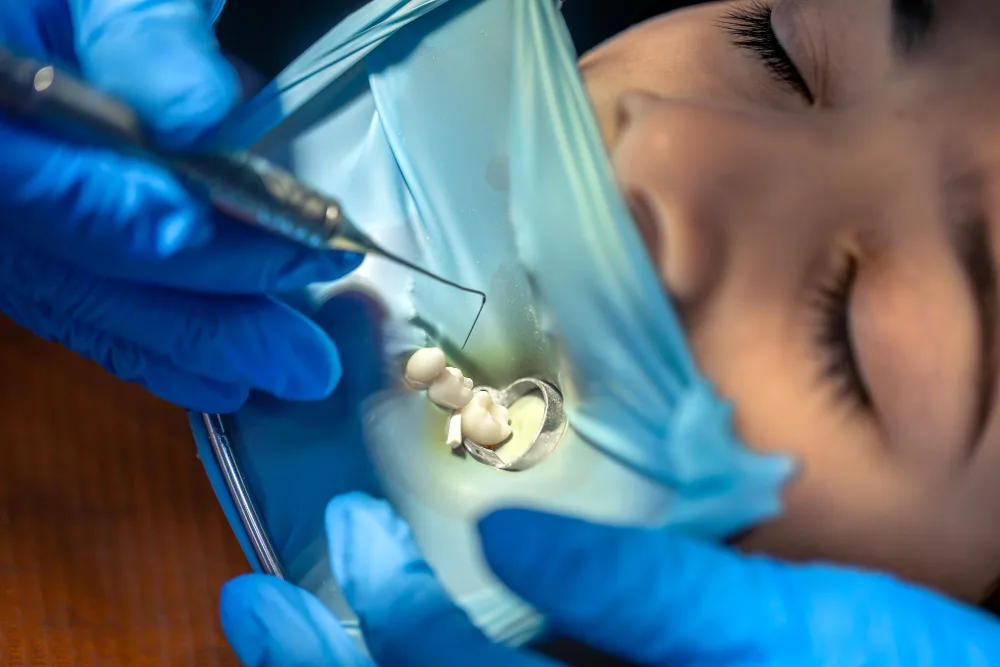
Dental dam dental protection refers to the use of a thin barrier sheet. This sheet is usually made from latex or similar materials. It acts as a protective layer between the mouth and other surfaces during dental procedures or health-related activities. The main goal is to stop the transfer of bacteria, saliva, and other fluids. In dental clinics, dentists place a dental dam around the tooth they are working on. This isolates the tooth and keeps the working area dry. A dry surface helps dental procedures become more precise and effective. It also prevents contamination from saliva. Outside clinical use, dental dam dental barriers are also recognized for reducing the risk of infection during oral contact. Public health experts often highlight barrier methods as part of safe health practices. Because the sheet is flexible and easy to use, it provides a practical solution for protection. Despite its simple design, it plays an important role in hygiene and infection prevention.
Why Dental Dams Are Important for Oral Health
Dental dam dental protection supports better oral health in several ways. First, it helps dentists work more efficiently. When the tooth is isolated, it becomes easier to focus on treatment. Saliva and bacteria from other parts of the mouth cannot interfere. This improves accuracy during procedures like fillings or root canal treatments. Second, dental dams reduce contamination. The mouth naturally contains many microorganisms. While most are harmless, they can complicate certain procedures. By creating a barrier, the dentist limits the chance of unwanted bacteria entering the treatment area. Third, dental dam dental barriers help patients feel more comfortable. Many people worry about swallowing dental tools or debris. The sheet acts as a protective layer that reduces this risk. Another advantage is improved infection control. Modern dentistry emphasizes sterile environments. Dental dams support this standard by separating treated areas from surrounding tissues. Over time, such practices help maintain high-quality dental care and patient safety.
How Dental Dams Work
The working principle of dental dam dental barriers is straightforward. A dentist first places a small frame around the sheet to hold it steady. Then a tiny hole is made in the material. The tooth being treated passes through this opening. Once positioned, the sheet stretches gently around the tooth. The rest of the mouth stays covered. This setup isolates the treatment area. Saliva cannot easily reach the tooth. The dentist can use instruments without worrying about contamination. Because the tooth stays dry, dental materials bond better. Adhesives and fillings perform more effectively in dry conditions. Another benefit is improved visibility. The dentist sees only the tooth being treated. This helps with precision and reduces errors. Patients may notice that the procedure feels different at first. However, most people quickly adapt to the barrier. The result is a safer and more controlled environment for dental treatment.
Common Uses of Dental Dam Dental Barriers
Dental dam dental protection has many applications in dentistry and healthcare. One of the most common uses is during root canal treatment. Root canal therapy requires a clean environment. Even small amounts of saliva can introduce bacteria into the treated area. Dental dams prevent this issue. They also protect patients from swallowing dental instruments or chemicals used during treatment. Another common use is during restorative procedures such as fillings and crowns. These treatments require dry conditions for materials to bond properly. A dental dam helps maintain that dryness. Dental dams may also be used in preventive treatments or specialized procedures where isolation is essential. Outside dental clinics, barrier methods similar to dental dams may be recommended for health safety practices. These methods support infection prevention and hygiene awareness. The flexibility and simplicity of dental dam dental sheets make them a useful tool across different settings.
Materials Used in Dental Dams
Dental dam dental sheets come in different materials. The most traditional option is latex. Latex sheets are flexible and strong. They stretch easily without tearing. This flexibility helps dentists fit the sheet securely around teeth. However, some patients have latex allergies. For these individuals, non-latex alternatives are available. These may include materials such as nitrile or other synthetic compounds. Non-latex sheets offer similar protection and flexibility. Another difference among dental dams is thickness. Thinner sheets provide better flexibility. Thicker sheets offer stronger resistance and durability. Dentists choose the type based on the procedure and patient needs. Some dental dam dental sheets are also flavored. This small feature improves patient comfort during longer procedures. Regardless of material, the primary function remains the same. The sheet acts as a protective barrier that isolates the treatment area and maintains hygiene.
Benefits of Using Dental Dam Dental Protection
The benefits of dental dam dental protection go beyond basic hygiene. One key advantage is infection control. By isolating the treatment area, dentists reduce the spread of bacteria. This helps protect both patients and dental professionals. Another benefit is improved treatment accuracy. When the working area is dry and visible, dental procedures become more precise. Dental materials also perform better in controlled environments. This can lead to longer-lasting results. Dental dams also enhance patient safety. The barrier prevents small instruments or debris from entering the throat. For many patients, this reduces anxiety during procedures. Comfort is another benefit. The sheet keeps the tongue and cheeks away from the working area. This means fewer interruptions during treatment. Overall, dental dam dental barriers contribute to a more efficient dental experience. They support safety, hygiene, and treatment success in a simple yet effective way.
Misconceptions About Dental Dams
Despite their usefulness, several misconceptions exist about dental dam dental protection. One common myth is that dental dams are uncomfortable. In reality, most patients adjust quickly once the sheet is placed. Another misconception is that they are unnecessary for simple procedures. However, many dentists prefer using them whenever isolation is important. Some people also believe dental dams are only used in rare cases. The truth is that they are common in modern dental practices. Another misunderstanding relates to hygiene. Some assume that regular dental tools already provide enough protection. While tools are sterilized, saliva can still introduce bacteria during treatment. Dental dams add an extra layer of safety. Education helps correct these myths. When patients understand the purpose of dental dam dental barriers, they are more likely to accept their use during treatment. Clear communication between dentists and patients improves trust and overall care.
Dental Dam Dental Use in Preventive Health
Preventive healthcare continues to gain attention around the world. Dental dam dental protection fits into this preventive mindset. By acting as a barrier, the sheet helps reduce exposure to bacteria and other microorganisms. Public health professionals often emphasize barrier methods as part of responsible health practices. Education about such tools can improve awareness and safety. When people understand how barrier methods work, they are more likely to adopt preventive habits. Dental dam dental sheets represent one example of a simple yet effective preventive tool. Their design is straightforward, but their impact can be meaningful. Preventive care often focuses on small actions that reduce risk. Using protective barriers is one of those actions. Over time, increased awareness can encourage safer health behaviors and better understanding of hygiene practices.
Tips for Proper Dental Dam Usage
Proper use of dental dam dental sheets is essential for effectiveness. Dentists receive specific training on how to apply them correctly. The sheet must fit securely around the tooth or area being isolated. A tight seal prevents saliva from entering the treatment space. Another important step is using a stable frame. The frame keeps the sheet stretched and stable during the procedure. Dentists also check for tears or damage before use. A damaged sheet may not provide full protection. Patients should follow the dentist’s instructions during treatment. Keeping the mouth relaxed helps the sheet stay in place. Good communication also helps. If the patient feels discomfort, the dentist can adjust the sheet. Proper technique ensures that dental dam dental protection works as intended and provides maximum safety during treatment.
The Future of Dental Dam Dental Technology
Dental technology continues to evolve. Even simple tools like dental dam dental sheets benefit from innovation. Manufacturers are exploring new materials that improve flexibility and durability. Some modern sheets offer better resistance to tearing while maintaining comfort. New designs also aim to simplify placement for dentists. Faster application means shorter procedure times for patients. Another area of development involves improved patient comfort. Flavored or textured sheets can make the experience more pleasant. Research also focuses on materials that are environmentally friendly. Sustainable healthcare tools are becoming more important as the world addresses environmental concerns. Dental dam dental technology may continue evolving with these goals in mind. While the concept remains simple, improvements in design and materials can enhance effectiveness and usability.
How Awareness Can Improve Public Health
Public awareness plays a major role in health outcomes. Many people are unfamiliar with dental dam dental protection until they encounter it during a dental visit. Educational resources can help bridge this knowledge gap. When patients understand the purpose of protective tools, they feel more confident in dental treatments. Awareness also encourages preventive thinking. People who learn about hygiene barriers often become more conscious of infection control. Public health campaigns sometimes highlight barrier methods as part of broader safety strategies. Education does not need to be complex. Clear explanations and accessible information can make a big difference. Over time, greater awareness may lead to better acceptance of dental dam dental barriers and other protective measures that support overall health.
Supporting Better Dental Hygiene Practices
Dental hygiene involves more than brushing and flossing. Professional care plays a critical role in maintaining oral health. Dental dam dental protection contributes to safer clinical environments. When dentists use isolation techniques, procedures become more effective and hygienic. Patients also benefit from understanding these practices. Knowing why certain tools are used builds trust between patients and dental professionals. Trust encourages regular dental visits and better long-term care. Hygiene practices continue to evolve as research provides new insights. Tools like dental dams demonstrate how simple solutions can improve treatment quality. By supporting modern dental practices, patients and professionals work together toward healthier smiles and safer healthcare experiences.
A Helpful Resource for Learning More
People often search for reliable information when exploring dental health topics. Educational platforms and health resources can help explain preventive tools and hygiene practices. One example is cureaware, which provides informational content related to health awareness and protective practices. Exploring reliable resources allows individuals to learn about topics such as dental dam dental protection, oral hygiene, and preventive care. The goal of such platforms is to make health knowledge easier to understand. When information is accessible, people can make better decisions about their wellbeing. Learning from trusted sources also reduces confusion around common health topics.
Conclusion
Dental dam dental protection represents a simple yet powerful tool in modern dentistry. Its purpose is clear. Create a barrier that protects both patients and dental professionals. By isolating treatment areas, dental dams improve hygiene, safety, and treatment accuracy. They also reduce contamination and support infection control. Although the concept is straightforward, the benefits are significant. Many dental procedures rely on controlled environments to achieve successful outcomes. Dental dam dental sheets help create those conditions. Increased awareness can help more people understand their value. Education encourages acceptance and confidence in dental care. As technology continues to improve materials and design, dental dams will likely remain an important part of professional dental practice. Small tools often make a big difference, and dental dams are a clear example of how simple innovations support better healthcare.
Frequently Asked Questions
1. What is a dental dam in dentistry?
A dental dam is a thin protective sheet used to isolate a tooth during dental procedures and maintain a clean working area.
2. Why do dentists use dental dams?
Dentists use them to keep the treatment area dry, improve accuracy, and reduce contamination from saliva and bacteria.
3. Are dental dams safe to use?
Yes. Dental dams are widely used in dentistry and are considered safe when applied correctly.
4. Do dental dams hurt or feel uncomfortable?
Most patients adapt quickly. The sheet may feel unusual at first but usually does not cause pain.
5. What materials are dental dams made from?
They are commonly made from latex or non-latex materials such as nitrile for people with allergies.
6. Are dental dams used in all dental procedures?
They are most commonly used in procedures that require a dry and isolated tooth, such as root canals or fillings.
7. Can dental dams help prevent infection?
Yes. They reduce the spread of bacteria and fluids during dental treatments.
8. Are dental dams disposable?
Yes. Dental dams are typically single-use items that are discarded after each procedure.
9. Do dental dams improve dental treatment results?
They can improve results because dental materials often bond better in a dry environment.
10. Where can I learn more about dental health protection methods?
Reliable health education platforms and dental professionals can provide guidance on protective tools and preventive dental care.