


Introduction
Brazilian laser hair removal has become one of the most talked-about cosmetic treatments in recent years. People everywhere are searching for smoother skin and longer-lasting hair reduction. Traditional methods like shaving and waxing often feel like an endless routine. The hair grows back quickly. The skin can become irritated. And the process repeats again and again.
Laser technology offers a different approach. It targets hair follicles using focused light energy. The goal is to reduce hair growth over time. Many people choose this treatment for the bikini area because it provides a cleaner and more long-lasting result.
The topic can feel intimidating at first. Many people have questions about safety, pain levels, preparation, and results. That is completely normal. Understanding the process helps remove fear and confusion.
This guide explores the most important things to know about brazilian laser hair removal. It explains the procedure in simple language. It also answers common questions people ask before booking a session. By the end, you will have a clear understanding of how it works and whether it may be the right choice for you.
What Brazilian Laser Hair Removal Actually Means
Brazilian laser hair removal refers to the removal or reduction of hair from the intimate bikini region using laser technology. The treatment focuses on the entire pubic area. This includes the front, sides, and sometimes the back area as well.
Unlike shaving or waxing, the laser does not simply remove hair from the surface. Instead, it targets the hair follicle beneath the skin. The light energy from the laser converts into heat. This heat weakens the follicle and slows down future hair growth.
The procedure is performed in multiple sessions. Hair grows in cycles, so the laser works best when the hair is in the active growth stage. Because of this, treatments are spaced several weeks apart.
Many people notice that hair becomes thinner and lighter after each session. Over time, the growth becomes slower. Some follicles stop producing hair entirely.
The result is smoother skin with far less maintenance. This makes brazilian laser hair removal appealing for people who want a long-term solution rather than a temporary fix.
Why Many People Choose Laser Hair Removal
One of the biggest reasons people choose laser hair removal is convenience. Shaving the bikini area frequently can be frustrating. Razor bumps, ingrown hairs, and skin irritation are very common problems.
Waxing lasts longer than shaving, but it can be painful. Hair must also grow to a certain length before waxing again. This means dealing with visible hair growth between appointments.
Laser treatments aim to reduce hair growth over time. As the number of sessions increases, hair regrowth usually decreases. This means less frequent grooming.
Another reason people consider this option is skin comfort. Repeated shaving or waxing can damage sensitive skin. Laser technology is designed to target the hair follicle while minimizing damage to surrounding skin.
Many individuals also appreciate the precision of the treatment. The laser can focus on specific hair follicles without affecting nearby areas.
Because of these benefits, brazilian laser hair removal is often viewed as a practical solution for long-term hair management rather than a temporary beauty routine.
How the Laser Hair Removal Process Works
Laser hair removal relies on a simple scientific principle. The laser emits a concentrated beam of light that targets pigment in the hair. This pigment absorbs the energy and turns it into heat.
The heat travels down the hair shaft into the follicle. When the follicle is exposed to enough heat, it becomes damaged. This damage reduces its ability to produce new hair.
Hair grows in different phases. The laser works most effectively during the active growth phase. Because not all hairs are in this phase at the same time, multiple treatments are required.
Each session typically treats the area quickly. Modern laser systems often include cooling technology to help protect the skin and reduce discomfort.
Over time, the treated follicles become weaker. Some stop producing hair completely. Others may produce thinner hair.
This gradual reduction is why patience is important during the treatment process. Results usually improve steadily after each session.
Preparing for a Brazilian Laser Hair Removal Session
Preparation plays an important role in achieving good results from laser treatments. Proper preparation helps the laser focus on the hair follicle without unnecessary interference.
Most specialists recommend shaving the area about twenty-four hours before the appointment. Shaving leaves the hair follicle intact while removing hair from the surface of the skin.
Avoid waxing, tweezing, or threading before treatment. These methods remove the hair root, which prevents the laser from targeting the follicle effectively.
Sun exposure should also be limited before the procedure. Tanned skin can increase the risk of irritation during laser treatment.
Skin should be clean on the day of the appointment. Lotions, creams, and oils should be avoided because they can affect how the laser interacts with the skin.
Wearing loose clothing after the session can also help reduce friction and discomfort.
Taking these simple steps ensures that brazilian laser hair removal treatments work more efficiently and safely.
What Happens During the Treatment
Many people feel nervous before their first laser session. Understanding the process helps reduce anxiety and makes the experience easier.
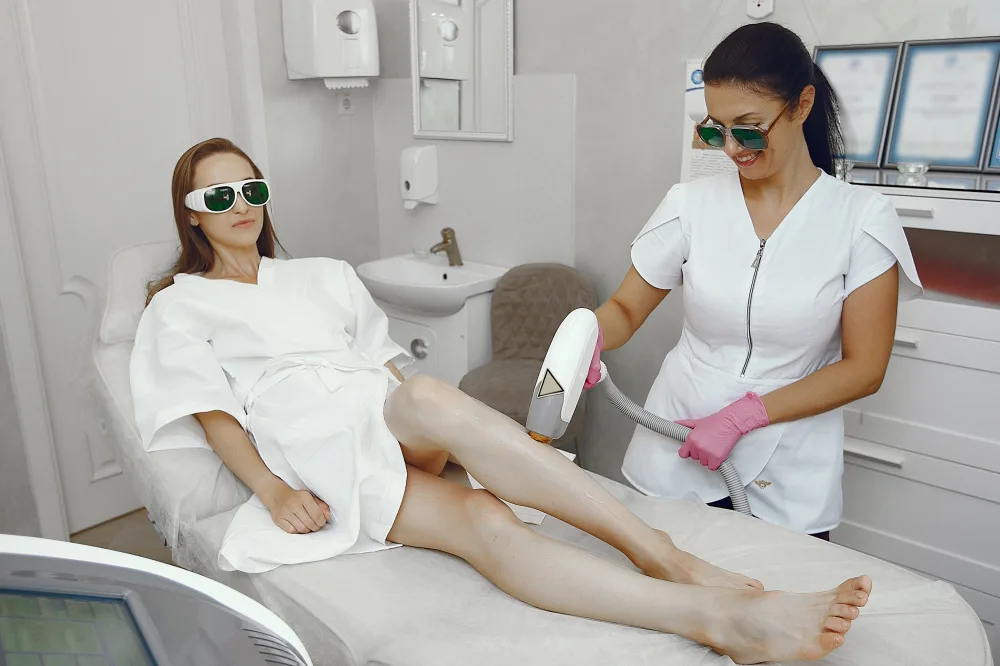
During the appointment, the treatment area is cleaned and prepared. A trained technician uses a handheld laser device that glides across the skin. The device emits quick pulses of light.
Each pulse targets multiple hair follicles at once. The sensation is often described as a mild snapping feeling on the skin. Some individuals compare it to the snap of a rubber band.
The duration of the treatment usually depends on the size of the area. Brazilian treatments are generally completed within a short period of time.
Modern laser systems often include cooling mechanisms. These features help protect the skin and reduce discomfort during the procedure.
After the session, the skin may appear slightly red or sensitive. This reaction is usually temporary and fades within a few hours.
Understanding what happens during the procedure helps people approach brazilian laser hair removal with confidence.
Pain Level and Comfort Expectations
Pain tolerance varies from person to person. Because of this, experiences during laser hair removal can differ. However, most individuals describe the sensation as manageable.
Compared with waxing, many people find laser treatment less painful. Waxing removes hair from the root, which can create intense discomfort. Laser pulses are quick and localized.
Sensitive areas may feel slightly more intense than other parts of the body. However, sessions are typically short, which helps reduce overall discomfort.
Some clinics apply numbing cream before treatment to improve comfort. Cooling systems built into the laser device also help calm the skin during the process.
Breathing techniques and relaxation can also make the experience easier. Many clients say the anticipation feels worse than the actual treatment.
After a few sessions, hair becomes thinner. This often makes later treatments feel even more comfortable.
Overall, brazilian laser hair removal is considered a tolerable procedure for most people.
Expected Results and Timeline
Results from laser hair removal do not appear instantly. The treatment works gradually as multiple sessions weaken the hair follicles.
After the first session, some hairs begin to shed within a few weeks. This shedding is a sign that the follicles have been affected by the laser.
Hair that grows back often appears finer and lighter. Over time, regrowth becomes slower and less noticeable.
Most individuals require several sessions spaced weeks apart. The exact number depends on factors like hair thickness, skin tone, and hormonal influences.
Maintenance treatments may occasionally be recommended in the future. These sessions help maintain smooth skin by targeting any remaining active follicles.
Patience is important during the process. Consistency with appointments helps achieve better long-term results.
Many people find that brazilian laser hair removal significantly reduces their need for traditional hair removal methods.
Skin Care After the Treatment
Proper aftercare helps the skin recover comfortably after laser treatment. The treated area may feel warm or sensitive for a short period.
Applying a soothing gel or cool compress can help calm the skin. Gentle skincare products are usually recommended during the recovery period.
Sun exposure should be avoided for several days. Sensitive skin is more vulnerable to irritation and pigmentation changes when exposed to strong sunlight.
Hot baths, saunas, and intense workouts may also be avoided for a short time after the session. These activities can increase skin sensitivity.
Loose clothing can help prevent friction against the treated area. Tight fabrics may cause unnecessary irritation.
If redness or mild swelling appears, it usually fades quickly. However, following proper aftercare instructions helps minimize discomfort and supports healthy healing.
Consistent aftercare ensures that brazilian laser hair removal treatments deliver smoother and safer results.
Who Is a Good Candidate for the Procedure
Laser hair removal technology has improved significantly over the years. It can now work effectively on a wider range of skin tones and hair types.
The treatment works best when there is a strong contrast between hair color and skin tone. Dark hair absorbs laser energy more effectively than very light hair.
However, modern devices can still provide good results for many individuals with different characteristics.
People considering the treatment should also have healthy skin in the treatment area. Open wounds or infections may require postponing the session.
A consultation with a trained professional can help determine whether the procedure is appropriate for a specific individual.
Hormonal conditions may influence hair growth patterns. In some cases, additional sessions may be recommended.
Understanding whether you are a good candidate helps set realistic expectations before beginning brazilian laser hair removal treatments.
Potential Risks and Safety Considerations
Laser hair removal is generally considered safe when performed by trained professionals. However, like any cosmetic procedure, it carries some potential risks.
Temporary redness, swelling, or mild irritation can occur after treatment. These reactions usually disappear within a short time.
Incorrect laser settings may increase the risk of burns or pigmentation changes. This is why professional supervision is important.
Following preparation and aftercare instructions significantly reduces potential complications.
People with certain skin conditions should consult a specialist before undergoing laser treatments.
Patch testing is often performed before the first session. This helps determine how the skin responds to the laser energy.
When proper precautions are taken, brazilian laser hair removal remains a widely used and trusted method for long-term hair reduction.
Cost Factors to Consider
The cost of laser hair removal can vary depending on several factors. These factors include the location of the clinic, the technology used, and the number of sessions required.
Some individuals may need more sessions than others. Hair thickness, density, and growth cycles all influence the treatment plan.
While the upfront cost may seem higher than shaving or waxing, many people view it as a long-term investment. Over time, the need for frequent grooming products and salon visits may decrease.
Package plans are sometimes offered to cover multiple sessions. These plans may help reduce the cost per treatment.
When evaluating cost, it is important to focus on quality and safety rather than choosing the cheapest option available.
Reliable information about treatments and skin care decisions can help individuals make informed choices. Educational platforms such as Cureaware often share helpful insights about wellness and personal care topics.
Final Thoughts
Brazilian laser hair removal has become a popular option for individuals seeking a long-lasting solution to unwanted hair. The treatment uses focused light energy to target hair follicles and gradually reduce hair growth.
Understanding how the process works helps people feel more comfortable about the procedure. Preparation, proper aftercare, and realistic expectations are all important parts of the experience.
The treatment requires patience because results appear gradually over multiple sessions. However, many individuals find the long-term benefits worthwhile.
Reduced hair growth, smoother skin, and fewer grooming routines are some of the main advantages people notice over time.
Before starting any cosmetic treatment, it is always wise to gather reliable information and consult trained professionals.
With the right knowledge and guidance, brazilian laser hair removal can become a practical option for those looking to simplify their personal care routine.
Frequently Asked Questions
1. How many sessions are needed for brazilian laser hair removal?
Most individuals require between six and eight sessions. Hair grows in cycles, so multiple treatments ensure that follicles are targeted during their active growth phase.
2. Is brazilian laser hair removal permanent?
The treatment provides long-term hair reduction rather than complete permanent removal. Many follicles stop producing hair, while others grow finer and lighter.
3. Does laser hair removal hurt?
The sensation is usually mild and brief. Many people describe it as a small snapping feeling on the skin.
4. Can I shave between laser sessions?
Yes, shaving is allowed between treatments. However, waxing or tweezing should be avoided because they remove the hair follicle.
5. Is the procedure safe for sensitive skin?
When performed by trained professionals, laser treatments are generally safe for sensitive skin with proper care and preparation.
6. How long does each session take?
Brazilian treatments are relatively quick and often completed within a short appointment depending on the clinic and equipment used.
7. When will I see results?
Some hair shedding may appear within a few weeks after the first session. Gradual reduction becomes more noticeable after several treatments.
8. Can all skin tones receive laser hair removal?
Modern laser technology can treat a wider range of skin tones, though results may vary depending on hair color and skin type.
9. What should I avoid after treatment?
Avoid strong sun exposure, hot baths, and tight clothing for a short time after the session to reduce irritation.
10. Can laser hair removal cause ingrown hairs?
Laser treatments often reduce the risk of ingrown hairs because they weaken the hair follicle and slow regrowth.