

Yes. An automated external defibrillator can generally be used on a person with a pacemaker when the person is in cardiac arrest. A pacemaker is not a reason to withhold lifesaving defibrillation.
What to Do
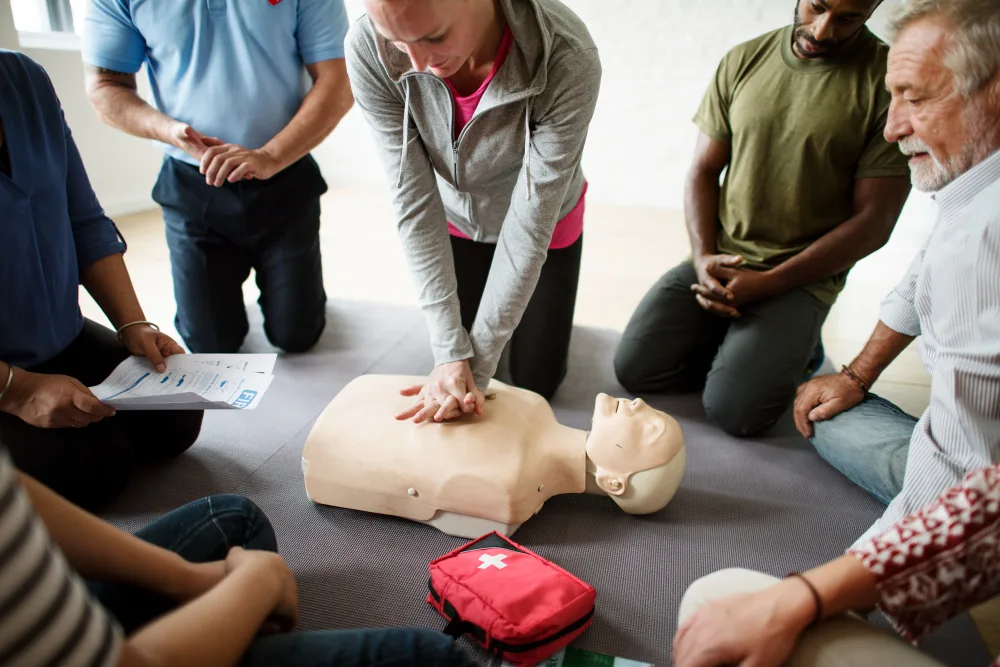
If an adult is unresponsive and not breathing normally, call emergency services, begin CPR and use an AED as soon as one is available. Follow the device’s spoken or visual instructions.
Where Should the Pads Go?
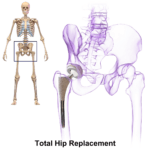
Do not place an AED pad directly over a visible or implanted pacemaker or other implanted electronic device. If you can see or feel the device under the skin, position the pad according to the AED instructions while keeping it away from the device. Follow the pad diagrams and do not delay defibrillation trying to determine the exact device type.
Why Defibrillation Still Matters
Cardiac arrest is a life-threatening emergency. An implanted pacemaker does not normally prevent an AED from analyzing the heart rhythm or delivering a shock when indicated. The AED determines whether a shock is appropriate.
Important Reminder
Do not remove the pacemaker or delay CPR and AED use. If the person is conscious, an AED is not used simply because they have a pacemaker.
FAQ
Can an AED damage a pacemaker?
The priority during cardiac arrest is restoring a potentially survivable heart rhythm. Correct pad placement and following the AED instructions help reduce avoidable problems, and the presence of a pacemaker should not delay lifesaving treatment.