

Seasonal allergies can cause sneezing, congestion, runny nose, itchy eyes and fatigue. Acupuncture is sometimes used as a complementary approach for allergy symptoms. Research has explored whether it may help some people, but results are mixed and it should not replace proven allergy treatment when symptoms are significant.
How Acupuncture May Be Used
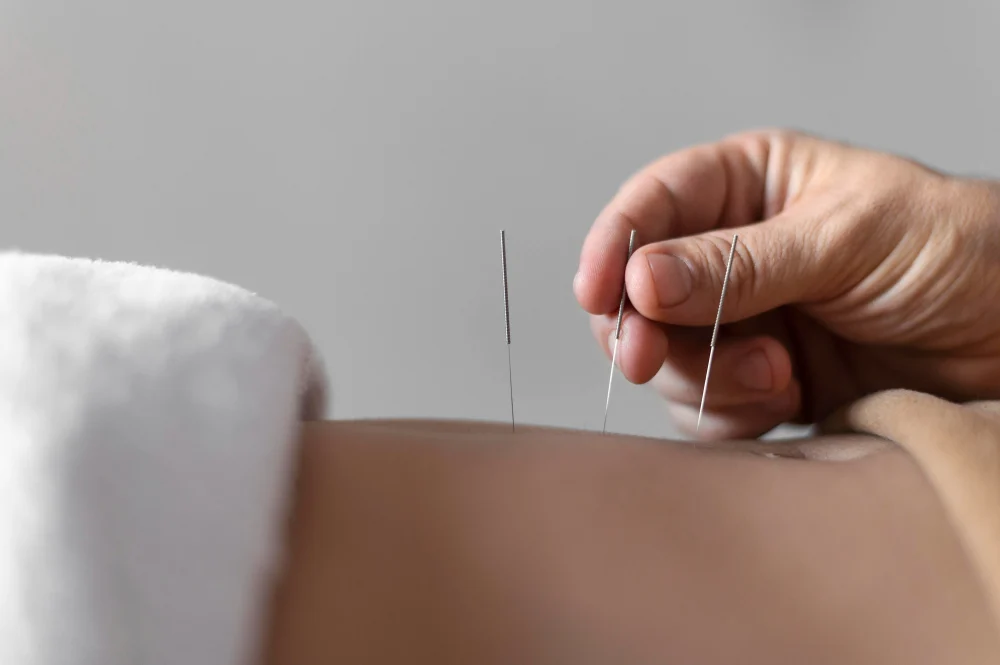
During acupuncture, very thin needles are placed at selected points on the body by a trained practitioner. Some people use it alongside standard allergy care rather than instead of it.
What Does the Evidence Show?
Studies have reported possible improvements in some allergic rhinitis symptoms, but evidence is not uniform. Benefits may vary by person, condition and treatment approach. There is no reliable set of pressure points that can cure allergies.
Other Ways to Manage Allergies
- Reduce exposure to known triggers when practical.
- Use saline nasal rinses correctly when appropriate.
- Ask a healthcare professional about antihistamines or nasal treatments.
- Keep indoor environments clean and reduce exposure to known allergens.
Safety
Acupuncture is generally considered low risk when performed by a properly trained practitioner using sterile, single-use needles. Bruising, minor bleeding and temporary soreness can occur. People taking blood-thinning medicines or with certain medical conditions should discuss acupuncture with their healthcare professional first.
When to Seek Care
Severe breathing difficulty, swelling of the lips or tongue, fainting or rapidly worsening allergic symptoms can indicate a serious allergic reaction and require emergency care.