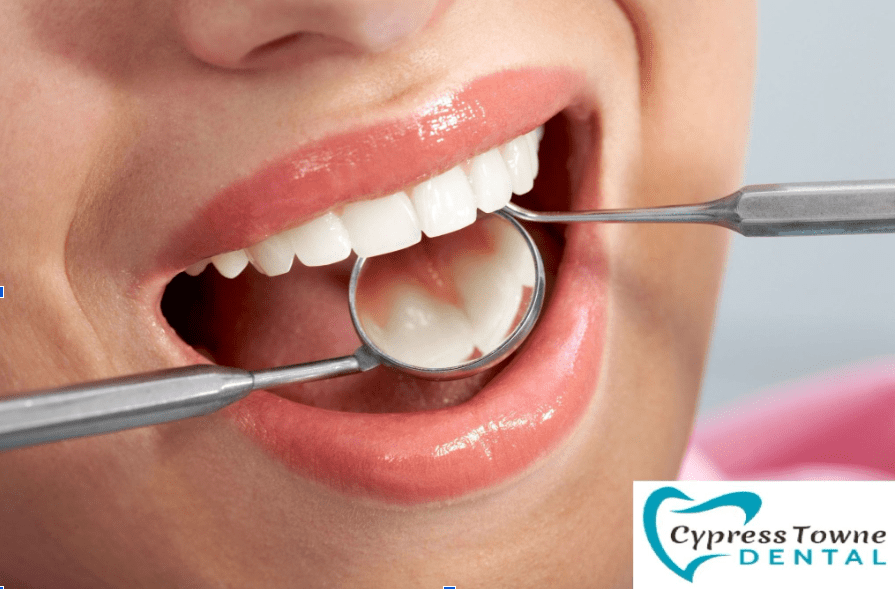




Small dental problems can become harder to treat when they are ignored. A cavity may start without pain, early gum disease may cause only mild bleeding, and tooth sensitivity can be easy to dismiss. Regular dental care helps identify these changes early and supports long-term oral health.
Why Preventive Dental Care Matters
Preventive care is designed to identify oral-health problems before they become more extensive. Routine examinations allow a dental professional to check teeth, gums, bite, existing restorations, and other changes in the mouth. Professional cleaning can also remove plaque and calculus that cannot be completely removed with ordinary brushing.
Common Problems That Can Be Caught Early
- Tooth decay and early cavities
- Gum inflammation and periodontal disease
- Enamel wear and tooth sensitivity
- Cracked or damaged teeth
- Problems with existing fillings or crowns
- Changes in the mouth that need further evaluation
Daily Habits Still Matter
Professional visits work best alongside daily care. Brush twice a day with fluoride toothpaste, clean between the teeth every day, limit frequent sugary foods and drinks, and avoid tobacco. The right routine can vary depending on age, oral-health history, medications, and individual risk.
When to Arrange a Dental Visit
Do not wait for severe pain before seeking care. Persistent toothache, swelling, bleeding gums, loose teeth, broken teeth, sensitivity that does not settle, or sores that do not heal should be assessed. Urgent attention is particularly important when swelling affects the face or neck or when breathing or swallowing becomes difficult.
How Often Should You Have a Dental Checkup?
There is no single schedule that suits everyone. Some people may need more frequent monitoring because of gum disease, frequent cavities, dry mouth, orthodontic treatment, medical conditions, or other risk factors. Follow the interval recommended for your individual needs.
Final Takeaway
Regular dental care is not only about treating problems after they appear. It is also about prevention, early detection, personalized advice, and protecting natural teeth for as long as possible.
FAQs
Can a cavity exist without pain?
Yes. Early tooth decay may cause no noticeable symptoms, which is one reason routine examinations matter.
Is bleeding while brushing normal?
Bleeding can be a sign of gum inflammation and should not simply be ignored if it continues. A dental professional can help identify the cause.