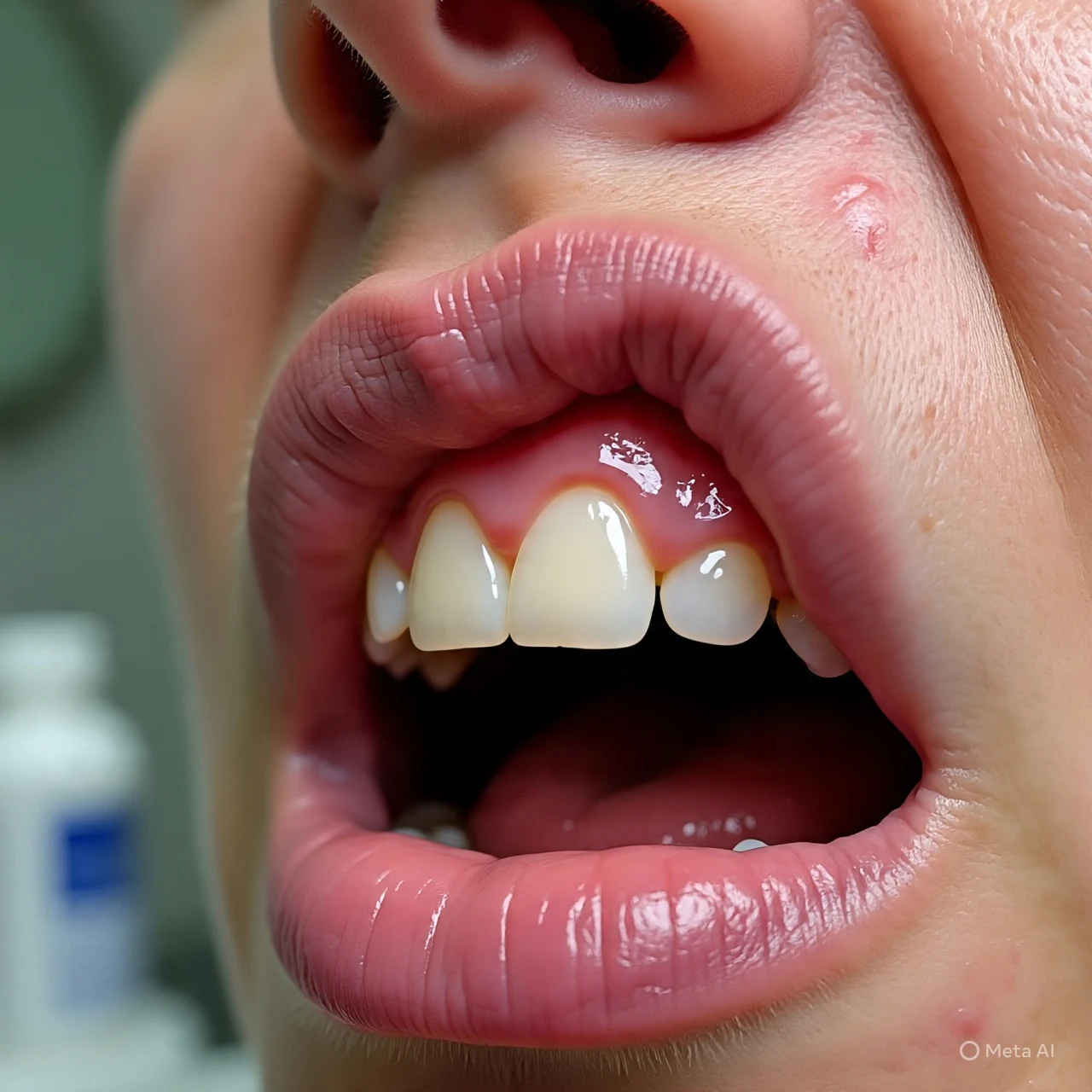




Does Sleeping With Mouth Open Cause a Sore Throat?
Yes, sleeping with your mouth open can absolutely cause a sore throat. In fact, it’s one of the most common reasons people wake up with a dry, scratchy, or painful throat.
When you breathe through your mouth during sleep, air continuously passes over the tissues in your mouth and throat. Unlike your nose, your mouth doesn’t effectively warm, filter, or humidify the air. This causes the throat to lose moisture, leaving it dry and irritated by morning.
While occasional mouth breathing isn’t usually a serious concern, frequent or chronic mouth breathing may indicate an underlying health condition such as nasal congestion, allergies, sleep apnea, or a deviated septum.
In this guide, you’ll learn:
- Whether sleeping with your mouth open causes a sore throat
- Why mouth breathing dries out the throat
- Common causes of sleeping with your mouth open
- How to treat and prevent morning sore throat
- When it’s time to see a doctor
- Frequently asked questions
Quick Answer
| Question | Answer |
|---|---|
| Does sleeping with your mouth open cause sore throat? | Yes. Mouth breathing dries out the throat, causing irritation and soreness. |
| Is it dangerous? | Usually not, but frequent mouth breathing may signal an underlying problem. |
| Can dehydration make it worse? | Yes. |
| Should you see a doctor? | If symptoms occur regularly, worsen, or are accompanied by loud snoring or breathing pauses. |
Why Does Sleeping with Your Mouth Open Cause a Sore Throat?
Your nose is naturally designed for breathing.
It performs several important functions:
- Filters dust and allergens
- Warms incoming air
- Adds moisture to inhaled air
- Protects the throat and lungs
When you breathe through your mouth instead:
- Air enters dry.
- Moisture evaporates from throat tissues.
- Saliva production decreases.
- The throat lining becomes irritated.
- Inflammation develops overnight.
By morning, many people experience:
- Scratchy throat
- Dry mouth
- Pain when swallowing
- Hoarse voice
- Bad breath
The longer you sleep with your mouth open, the more moisture your throat loses.
What Happens to Your Throat Overnight?
Imagine leaving a sponge under a fan all night.
Eventually, it dries out.
Your throat behaves similarly.
During sleep:
- Mouth remains open.
- Dry air continuously passes through.
- Saliva decreases.
- Protective mucus dries.
- Throat tissues become inflamed.
This explains why symptoms are often worst immediately after waking and improve after drinking water.
Common Causes of Sleeping with Your Mouth Open
Mouth breathing is usually a symptom rather than the root problem.
1. Nasal Congestion
A blocked nose forces your body to breathe through your mouth.
Common reasons include:
- Common cold
- Flu
- Sinus infection
- Swollen nasal passages
2. Seasonal Allergies
Allergies can inflame nasal tissues and restrict airflow.
Common allergens include:
- Pollen
- Dust mites
- Mold
- Pet dander
People with allergies often wake up with:
- Dry throat
- Congestion
- Sneezing
- Itchy eyes
3. Deviated Septum
A deviated septum narrows one side of the nose, making nasal breathing difficult.
People may unknowingly breathe through their mouth while sleeping.
4. Enlarged Tonsils or Adenoids
Especially common in children, enlarged tonsils or adenoids can partially block the airway, leading to mouth breathing.
Signs include:
- Loud snoring
- Restless sleep
- Mouth breathing during the day
5. Obstructive Sleep Apnea
Sleep apnea causes repeated interruptions in breathing during sleep.
Many people with sleep apnea sleep with their mouth open.
Symptoms include:
- Loud snoring
- Gasping for air
- Morning headaches
- Dry mouth
- Chronic sore throat
- Daytime fatigue
6. Dry Bedroom Air
Low humidity can worsen throat dryness.
This is especially common:
- During winter
- In air-conditioned rooms
- With indoor heating
7. Certain Medications
Some medications reduce saliva production.
Examples include:
- Antihistamines
- Antidepressants
- Blood pressure medications
- Decongestants
This increases throat dryness overnight.
Symptoms Associated with Mouth Breathing During Sleep
Besides a sore throat, you may also notice:
- Dry mouth
- Chapped lips
- Morning cough
- Bad breath
- Thick saliva
- Hoarse voice
- Difficulty swallowing
- Increased thirst
- Snoring
- Poor sleep quality
Is Waking Up with a Sore Throat Always Caused by Mouth Breathing?
No.
Several other conditions can also cause a sore throat.
| Cause | Typical Signs |
|---|---|
| Mouth breathing | Dry mouth, symptoms improve after drinking water |
| Viral infection | Fever, fatigue, body aches |
| Strep throat | Severe pain, swollen lymph nodes, white patches |
| Acid reflux | Burning sensation, sour taste, nighttime coughing |
| Allergies | Sneezing, itchy eyes, congestion |
| Smoking | Persistent throat irritation |
| Dry air | Symptoms worse during winter |
If the sore throat lasts more than a few days or worsens, another cause may be responsible.
How to Stop Sleeping with Your Mouth Open
Treatment depends on the underlying cause.
Clear Nasal Congestion
Use:
- Saline nasal spray
- Steam inhalation
- Warm showers
- Appropriate allergy medications (when recommended)
Stay Hydrated
Drink plenty of water throughout the day.
Proper hydration helps maintain moisture in throat tissues.
Use a Humidifier
Adding moisture to bedroom air reduces throat dryness overnight.
Aim for indoor humidity between 30% and 50%.
Sleep on Your Side
Back sleeping often increases mouth breathing and snoring.
Side sleeping may improve airflow.
Treat Allergies
Managing allergies can improve nasal breathing.
This may include:
- Avoiding allergens
- Keeping bedrooms dust-free
- Washing bedding weekly
- Using air purifiers
Improve Sleep Hygiene
Better sleep habits support healthier breathing.
Tips include:
- Maintain a consistent sleep schedule.
- Avoid alcohol before bed.
- Maintain a healthy weight.
- Exercise regularly.
Get Evaluated for Sleep Apnea
If you:
- Snore loudly
- Stop breathing during sleep
- Wake gasping
- Feel exhausted every morning
Speak with a healthcare provider for evaluation.
Home Remedies for a Sore Throat Caused by Mouth Breathing
Most mild cases improve with simple care.
Drink Warm Fluids
Examples:
- Warm water
- Herbal tea
- Warm broth
Gargle with Salt Water
Mix:
- ½ teaspoon salt
- 8 ounces warm water
Gargle several times daily.
Honey (Adults and Children Over 1 Year)
Honey can soothe throat irritation.
Avoid giving honey to infants under one year.
Stay Hydrated
Water replaces moisture lost overnight.
Use Sugar-Free Lozenges
These stimulate saliva production and reduce dryness.
Avoid Irritants
Temporarily avoid:
- Smoking
- Alcohol
- Very spicy foods
- Excess caffeine
Can Mouth Breathing Cause Other Health Problems?
Yes.
Chronic mouth breathing has been linked with:
- Dry mouth
- Increased cavities
- Gum disease
- Bad breath
- Poor sleep quality
- Snoring
- Sleep apnea
- Reduced oxygen efficiency
- Frequent throat infections
Children who chronically breathe through their mouths may also experience changes in facial and dental development, making early evaluation important.
When Should You See a Doctor?
Seek medical advice if:
- Your sore throat lasts longer than one week.
- You frequently wake with a dry throat.
- You snore loudly every night.
- Someone notices breathing pauses while you sleep.
- You have difficulty swallowing.
- You develop fever or swollen glands.
- You cough up blood.
- Symptoms keep returning.
Medical evaluation can identify conditions such as allergies, nasal obstruction, chronic sinus problems, or sleep apnea.
How Doctors Diagnose the Cause
Depending on your symptoms, your healthcare provider may recommend:
- Physical examination
- Nasal examination
- Allergy testing
- Sleep study (polysomnography)
- Imaging for sinus or nasal problems
- Throat swab if infection is suspected
Treatment is then tailored to the underlying cause.
Tips to Prevent Morning Sore Throat
Follow these habits consistently:
- Drink enough water every day.
- Use a humidifier if your room is dry.
- Treat allergies promptly.
- Keep your nose clear before bed.
- Sleep on your side.
- Avoid smoking.
- Limit alcohol before bedtime.
- Practice good oral hygiene.
- Replace air filters regularly.
- Seek treatment for persistent snoring.
Frequently Asked Questions (FAQs)
Does sleeping with your mouth open always cause a sore throat?
Not always, but it’s one of the most common causes of waking up with a dry, scratchy throat. The risk increases if the room is dry or you’re dehydrated.
Why is my throat sore only in the morning?
Morning-only soreness often suggests overnight mouth breathing, dry air, snoring, or mild acid reflux rather than an infection.
Can dehydration make mouth breathing worse?
Yes. When you’re dehydrated, saliva production decreases, making your throat more vulnerable to irritation from mouth breathing.
Does snoring cause a sore throat?
Yes. Snoring increases airflow turbulence, which can dry and irritate the throat. Many people who snore also breathe through their mouths during sleep.
Is mouth breathing bad for sleep quality?
Yes. Chronic mouth breathing may reduce sleep quality and is commonly associated with snoring and obstructive sleep apnea.
Can children develop sore throats from sleeping with their mouths open?
Yes. Allergies, enlarged tonsils, enlarged adenoids, or chronic nasal congestion commonly cause mouth breathing in children.
Can a humidifier help?
Yes. A humidifier adds moisture to the air, reducing overnight throat dryness, especially during winter or in air-conditioned rooms.
Should I tape my mouth shut while sleeping?
Mouth taping has gained attention online, but it isn’t appropriate or safe for everyone—especially people with nasal blockage or suspected sleep apnea. Talk to a healthcare professional before trying it.
Key Takeaways
Sleeping with your mouth open is a common reason people wake up with a sore throat. Mouth breathing allows dry, unfiltered air to pass over the throat all night, leading to dryness, irritation, and discomfort. Occasional episodes are usually harmless and improve with hydration, humidified air, and treating temporary nasal congestion.
However, if mouth breathing happens regularly or is accompanied by loud snoring, pauses in breathing, or excessive daytime tiredness, it may indicate an underlying condition such as allergies, nasal obstruction, or sleep apnea. Identifying and treating the root cause can improve both your throat health and your overall sleep quality. This not only helps relieve morning discomfort but also supports better long-term respiratory and oral health.