


Orthodontic treatment has evolved greatly over the years. Today, braces do more than just straighten teeth. They help improve bite alignment, jaw function, and overall dental health. One important component often used during orthodontic treatment is power chain braces.
Power chain braces are small elastic chains attached to traditional braces. They help close gaps between teeth and move teeth into their correct position faster. Orthodontists commonly use them during specific stages of treatment to apply continuous pressure.
Many patients feel curious or even nervous when their orthodontist introduces power chains. Questions often arise about how they work, whether they cause pain, and how long they must be worn.
This comprehensive guide explains everything you need to know about power chain braces. You will learn how they function, when orthodontists use them, the different types available, and tips for caring for them properly.
By the end of this guide, you will clearly understand how power chain braces contribute to achieving a healthy and beautiful smile.
1. What Are Power Chain Braces?
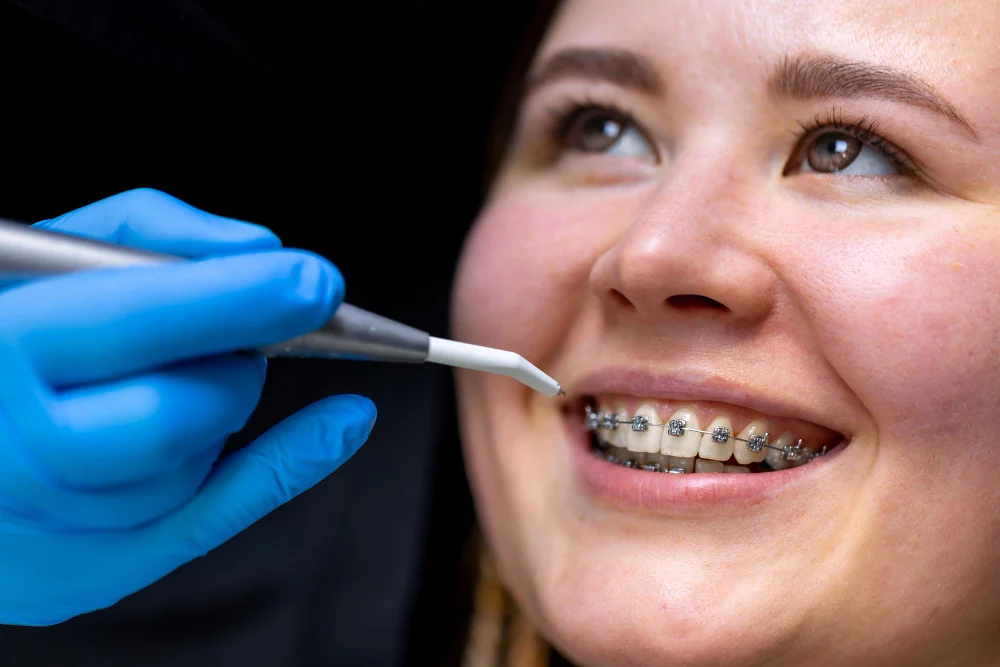
Power chain braces are elastic connectors used with traditional braces. They connect several brackets together using a continuous chain-like structure. These chains are made of flexible orthodontic elastics designed to apply consistent pressure across multiple teeth.
The main purpose of power chain braces is to close spaces between teeth. Orthodontists frequently use them after initial tooth alignment is completed. At this stage, small gaps may remain that require additional pressure to close properly.
Power chains differ from regular elastic ligatures. Instead of holding a wire to one bracket, power chains connect several brackets together. This design creates stronger and more controlled force across a section of teeth.
Many orthodontists use power chains to speed up the treatment process. They help move teeth more efficiently while maintaining proper alignment.
Power chains also come in different colors. Some patients enjoy choosing colors that match their personal style. Others prefer clear or neutral shades for a more subtle look.
Although they may feel tight initially, power chain braces play a vital role in achieving a properly aligned smile.
2. How Power Chain Braces Work
Power chain braces work by applying continuous pressure across multiple teeth. This pressure gradually moves teeth into their ideal positions. The process relies on the natural ability of bone tissue to adapt when pressure is applied over time.
When an orthodontist attaches a power chain, it stretches slightly across several brackets. This stretching creates tension that pulls teeth closer together. As the teeth move, the surrounding bone tissue slowly reshapes to support their new positions.
Orthodontists carefully calculate the amount of force needed. Too much pressure could cause discomfort or damage, while too little pressure may slow the treatment process.
Power chains often replace individual elastic ties once teeth are mostly aligned. At this stage, the focus shifts toward closing gaps and improving bite alignment.
Patients may feel mild soreness during the first few days after power chains are placed. This sensation usually fades as the teeth adjust to the pressure.
Consistent adjustments during orthodontic visits ensure the chains continue to provide effective movement.
3. Types of Power Chain Braces
There are several types of power chain braces. Each type is designed for different orthodontic needs. The orthodontist selects the appropriate chain based on the patient’s treatment plan.
Closed power chains are the most common type. In this design, the elastic loops connect closely together. This structure creates strong and consistent pressure for closing larger gaps.
Short power chains connect every other bracket. They provide moderate pressure and are useful for adjusting the spaces between teeth.
Long power chains connect brackets with more spacing between loops. These chains create lighter pressure and are often used for fine adjustments toward the end of treatment.
The choice of chain type depends on several factors. These include the size of gaps, the position of teeth, and the stage of treatment.
Each type works toward the same goal: guiding teeth into proper alignment while maintaining consistent orthodontic force.
4. Benefits of Power Chain Braces
Power chain braces provide several benefits during orthodontic treatment. One of the biggest advantages is faster gap closure. The connected design allows pressure to be distributed across multiple teeth simultaneously.
This feature helps orthodontists move teeth more efficiently. As a result, treatment time may be reduced in some cases.
Power chains also improve overall tooth alignment. They help maintain consistent spacing between teeth while correcting bite issues.
Another benefit is their versatility. Orthodontists can use different types of chains depending on treatment needs.
Patients also appreciate the aesthetic options available. Power chains come in many colors. Some individuals enjoy changing colors during each orthodontic visit.
Clear or neutral chains are also available for those who prefer a less noticeable appearance.
Overall, power chain braces provide a reliable and effective method for achieving well-aligned teeth.
5. When Orthodontists Use Power Chains
Orthodontists usually introduce power chains during the middle or later stages of orthodontic treatment. By this point, initial alignment has already been achieved using wires and elastic ligatures.
The main goal at this stage is to close the remaining gaps between teeth. Power chains are ideal for this purpose because they apply continuous pressure across several brackets.
They may also be used to improve bite alignment. By guiding teeth into precise positions, power chains help ensure upper and lower teeth fit together correctly.
In some cases, power chains help reposition teeth after tooth extractions. They assist in closing the spaces left behind.
Orthodontists carefully monitor progress during each adjustment appointment. If needed, they may tighten or replace the chain to maintain proper pressure.
This strategic use helps ensure the treatment continues progressing efficiently toward the final result.
6. Do Power Chain Braces Cause Pain?
Many patients worry about discomfort when they first receive power chain braces. It is normal to feel mild soreness during the first few days after they are placed.
This discomfort occurs because the chains apply pressure to move the teeth. As the teeth shift slightly, the surrounding tissues adapt to the new position.
Most patients describe the sensation as pressure rather than sharp pain. The feeling usually decreases within three to five days.
Soft foods can help reduce discomfort during this adjustment period. Examples include soups, yogurt, smoothies, and mashed vegetables.
Over-the-counter pain relief methods may also help if recommended by a dental professional.
Maintaining good oral hygiene during this time is important. Proper brushing and flossing help prevent irritation caused by trapped food particles.
With time, most patients adapt quickly and hardly notice the power chains.
7. How Long Power Chain Braces Are Worn
The duration for wearing power chain braces varies from person to person. The length of time depends on the individual’s orthodontic condition and treatment goals.
Some patients may wear power chains for only a few weeks. Others may need them for several months.
Orthodontists regularly replace the chains during adjustment appointments. Elastic materials gradually lose tension over time, so new chains are necessary to maintain proper pressure.
Each replacement helps continue the movement of teeth toward the final position.
Patients should attend every scheduled orthodontic appointment. Missing appointments can delay progress and extend the treatment timeline.
Following the orthodontist’s instructions also plays a significant role in achieving the desired outcome.
With consistent care and regular adjustments, power chains help ensure efficient tooth movement throughout treatment.
8. Power Chain Braces Colors and Appearance
One aspect many patients enjoy is choosing the color of their power chain braces. Orthodontic elastics are available in a wide variety of colors.
Some patients prefer bright colors to express their personality. Others choose colors that match seasonal themes or personal style.
Clear or transparent chains are also available. These options are popular among adults who want a more subtle orthodontic appearance.
However, lighter colors may stain more easily if exposed to certain foods or drinks.
Orthodontists usually replace the chains during adjustment visits. This means patients can select a different color each time if they wish.
This small choice can make orthodontic treatment feel more enjoyable and personalized.
9. Foods to Avoid With Power Chain Braces
Diet plays an important role in protecting braces and power chains. Certain foods can damage orthodontic components or cause chains to stretch excessively.
Hard foods such as nuts, popcorn kernels, and ice should be avoided. These foods can break brackets or weaken elastic chains.
Sticky foods are also problematic. Items like chewing gum and caramel may become trapped in the braces.
Crunchy foods such as raw carrots or hard candies can also cause issues. Cutting foods into smaller pieces can help reduce the risk of damage.
Sugary foods should be limited as well. Sugar can increase the risk of plaque buildup around brackets and chains.
Maintaining a braces-friendly diet helps ensure the treatment continues smoothly without unnecessary delays.
10. Oral Hygiene With Power Chain Braces
Maintaining proper oral hygiene is essential when wearing power chain braces. Food particles can easily become trapped between brackets, wires, and elastic chains.
Patients should brush their teeth after every meal whenever possible. A soft-bristled toothbrush works best for cleaning around orthodontic appliances.
Flossing is equally important. Special floss threaders or orthodontic floss tools can help reach areas between teeth.
Mouthwash may also help reduce bacteria and keep the mouth fresh.
Regular dental checkups during orthodontic treatment help monitor oral health and prevent complications.
Good oral hygiene ensures the teeth remain healthy while they are being moved into their correct positions.
11. Power Chains vs Regular Braces Elastics
Power chain braces are often confused with traditional elastic bands. However, they serve different purposes in orthodontic treatment.
Regular elastic ligatures attach the archwire to individual brackets. Their main function is to hold the wire in place.
Power chains, on the other hand, connect several brackets together. Their design allows them to apply continuous pressure across multiple teeth.
This pressure helps close spaces and improve tooth alignment more efficiently.
Both components play important roles during treatment. Orthodontists use them strategically at different stages.
Understanding this difference helps patients appreciate how each element contributes to achieving the final result.
12. Common Problems With Power Chains
Although power chains are highly effective, some minor issues may occur during treatment. One common problem is stretching. Elastic chains gradually lose tension over time.
When this happens, the orthodontist replaces them during adjustment visits.
Another issue may involve food getting stuck between the chain loops. Proper brushing and rinsing can help prevent buildup.
In rare cases, chains may break or detach from brackets. If this happens, patients should contact their orthodontic clinic for guidance.
Avoiding hard or sticky foods greatly reduces the risk of damage.
With proper care and regular appointments, most patients experience minimal problems with power chain braces.
13. Tips for Adjusting to Power Chain Braces
Adjusting to power chain braces becomes easier with a few helpful habits. Eating soft foods during the first few days can reduce discomfort.
Cold beverages or chilled foods may help soothe sore areas in the mouth.
Using orthodontic wax can protect sensitive spots if brackets rub against the cheeks.
Maintaining good oral hygiene also helps prevent irritation and inflammation.
Patients should follow their orthodontist’s instructions carefully. Wearing additional orthodontic components correctly ensures the treatment progresses as planned.
Most people adapt quickly to power chains. Within a short time, they become just another part of daily orthodontic care.
14. Power Chains and Orthodontic Progress
Power chain braces play a major role in advancing orthodontic treatment. They help move teeth closer together while maintaining proper alignment.
The steady pressure applied by the chain encourages gradual movement. Over time, gaps close and teeth shift into their ideal positions.
Orthodontists monitor this progress during regular appointments. They adjust wires and replace chains as needed.
Patients often begin to notice visible improvements during this stage of treatment.
These improvements can be very motivating. Seeing gaps close and alignment improve encourages patients to stay committed to the treatment plan.
Power chains are therefore an important step toward achieving the final orthodontic result.
15. Final Results After Power Chain Treatment
The final stage of orthodontic treatment focuses on stabilizing the new tooth positions. Once gaps are closed and alignment is achieved, power chains are usually removed.
At this point, orthodontists may introduce retainers to maintain the new smile.
Retainers prevent teeth from shifting back to their previous positions. Wearing them as instructed is essential for long-term results.
Patients who complete treatment with power chains often enjoy significant improvements in both appearance and dental health.
Straight teeth are easier to clean and maintain. They also contribute to improved bite function and overall oral comfort.
With patience and proper care, power chain braces help create lasting orthodontic results and a confident smile.
10 Engaging FAQs About Power Chain Braces
1. What are power chain braces used for?
Power chain braces are used to close gaps between teeth and improve overall alignment during orthodontic treatment.
2. Do power chain braces work faster than regular braces?
They can help accelerate certain stages of orthodontic treatment, especially when closing spaces between teeth.
3. Are power chain braces painful?
Some mild soreness may occur after placement, but it usually disappears within a few days.
4. How often are power chains replaced?
Orthodontists typically replace them during regular adjustment visits every few weeks.
5. Can power chains break easily?
They are durable, but hard or sticky foods may damage them.
6. Are power chains available in different colors?
Yes, many orthodontic elastics come in multiple colors and clear options.
7. Can I eat normally with power chain braces?
You can eat most foods, but hard, sticky, and crunchy foods should be avoided.
8. How long will I need to wear power chains?
The duration depends on your treatment plan and orthodontic needs.
9. Do power chains stain easily?
Light-colored chains may stain from foods like coffee or curry.
10. Do power chains help close extraction gaps?
Yes, they are commonly used to close spaces created after tooth extractions.
Improve Your Oral Health With CureAware
Taking care of your dental health is essential for a confident smile and long-term well-being. If you are exploring orthodontic treatments like power chain braces, reliable information can help you make informed decisions.
CureAware is dedicated to helping people understand health topics through clear and educational resources. From dental care guides to wellness insights, CureAware provides helpful information that supports better health choices.