

Sauna bathing has been practiced for centuries as a way to relax, cleanse the body, and support overall wellness. Today, saunas are commonly found in homes, gyms, spas, and wellness centers around the world.
People often search for terms like “what is a sauna bath,” “sauna bath benefits,” and “steam sauna benefits” because they want to understand how sauna bathing works and whether it can improve their health.
This guide explains the differences between traditional sauna baths and steam saunas, their potential benefits, how to use them safely, and who should be cautious.
Quick Answer
- A sauna bath involves sitting in a heated room with dry or moderately humid air to encourage sweating and relaxation.
- Sauna bath benefits may include relaxation, improved circulation, temporary relief from muscle soreness, and a sense of well-being.
- Steam sauna benefits come from warm, humid air and may include temporary nasal congestion relief, skin hydration, and muscle relaxation.
- Saunas are generally considered a wellness practice rather than a medical treatment and should not replace professional healthcare.
What Is a Sauna Bath?
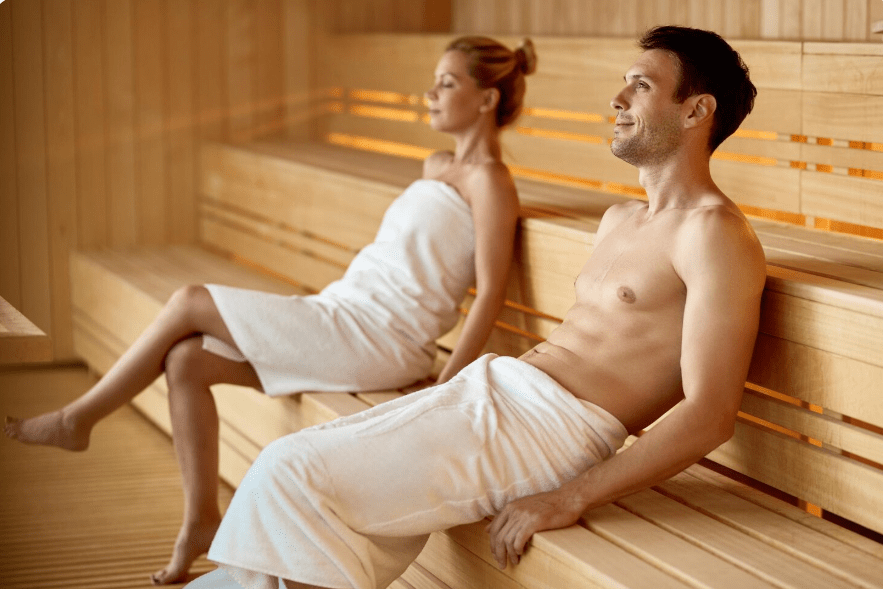
A sauna bath is a wellness practice in which a person sits inside a specially designed heated room for a short period, usually between 10 and 20 minutes.
The high temperature causes the body to sweat, which can create a feeling of relaxation and warmth.
Traditional saunas typically use:
- Heated stones
- Electric heaters
- Wood-burning stoves
The air inside is usually dry, although pouring water over hot stones can temporarily increase humidity.
Most sauna temperatures range from approximately 70°C to 100°C (158°F to 212°F), depending on the sauna type.
How a Sauna Bath Works
When you enter a sauna:
- Your body temperature gradually rises.
- Blood vessels near the skin widen.
- Your heart rate increases slightly.
- Sweat production increases.
- Muscles begin to relax.
After leaving the sauna, many people feel calm, refreshed, and relaxed.
Types of Sauna Baths
There are several common types of saunas.
| Sauna Type | Heat | Humidity |
|---|---|---|
| Traditional Finnish Sauna | Very hot | Low |
| Infrared Sauna | Moderate heat | Very low |
| Steam Sauna (Steam Room) | Moderate heat | Very high |
Each type creates a different experience, but all are designed to promote warmth and relaxation.
Sauna Bath Benefits
Many people enjoy sauna bathing because of the physical and mental benefits they experience.
1. Helps Relax the Body and Mind
The warmth of a sauna can help muscles loosen and encourage relaxation after a stressful day.
Many people report feeling calmer after a sauna session.
2. May Improve Circulation
Heat causes blood vessels to expand, which temporarily increases blood flow to the skin and muscles.
This increased circulation may contribute to the warm, relaxed feeling after a sauna.
3. Temporary Relief From Muscle Soreness
Athletes and active individuals often use saunas after exercise because heat may help relax tight muscles and reduce feelings of stiffness.
4. Encourages Sweating
Sweating is the body’s natural response to heat and helps regulate body temperature.
While sweating is sometimes associated with “detoxing,” the body’s liver and kidneys are primarily responsible for removing toxins.
5. Supports Relaxation Before Sleep
Some people find that using a sauna in the evening helps them unwind before bedtime.
The cooling period after leaving the sauna may contribute to feelings of relaxation.
6. May Support Cardiovascular Wellness
Research suggests that regular sauna use may be associated with certain cardiovascular health benefits in some populations.
However, sauna bathing should not be considered a replacement for exercise, a healthy diet, or medical treatment.
What Is a Steam Sauna?
A steam sauna, more accurately called a steam room, uses moist heat instead of dry heat.
A steam generator fills the room with warm water vapor, creating humidity close to 100%.
Steam rooms are usually cooler than traditional saunas, often around 40°C to 50°C (104°F to 122°F), but they may feel equally intense because of the humidity.
Steam Sauna Benefits
The moist environment of a steam room provides a different set of potential benefits.
1. May Help With Temporary Nasal Congestion
Warm, humid air can make breathing feel easier when someone has temporary nasal congestion from a cold or allergies.
This effect is generally temporary.
2. Hydrates the Skin
Unlike dry saunas, steam rooms expose the skin to humid air.
Some people feel that their skin feels softer afterward, although steam is not a substitute for proper skincare.
3. Relaxes Muscles
The warm, moist environment may help loosen muscles and reduce feelings of stiffness.
4. Promotes Relaxation
Like dry saunas, steam rooms can create a calming environment that helps reduce stress.
5. May Soothe the Airways
The humid air may temporarily soothe dry nasal passages and the throat, especially in dry weather.
Sauna Bath vs Steam Sauna
Although they are often grouped together, saunas and steam rooms are different.
| Feature | Sauna Bath | Steam Sauna |
| Heat | Higher | Lower |
| Humidity | Low | Very high |
| Sweating | Heavy | Heavy |
| Skin Feel | Dry | Moist |
| Breathing | Dry air | Humid air |
The best choice depends on personal preference and how your body responds to heat and humidity.
How Long Should You Stay in a Sauna?
For most healthy adults:
- Beginners: 5–10 minutes
- Regular users: 10–20 minutes
It is important to listen to your body.
Leave immediately if you experience:
- Dizziness
- Nausea
- Headache
- Weakness
- Difficulty breathing
How Often Can You Take a Sauna Bath?
Many people use saunas several times a week.
The ideal frequency varies depending on:
- Age
- Health conditions
- Heat tolerance
- Hydration
- Personal preference
If you are new to sauna bathing, start slowly and gradually increase your time.
Sauna Safety Tips
To use a sauna safely:
- Drink water before and after your session.
- Avoid alcohol before entering.
- Limit your time, especially when starting.
- Cool down gradually afterward.
- Leave immediately if you feel unwell.
- Avoid using a sauna when you have a fever or are severely dehydrated.
Who Should Be Cautious?
Some people should consult a healthcare professional before using a sauna, including those with:
- Uncontrolled heart disease
- Very low blood pressure
- Certain heart rhythm disorders
- Severe dehydration
- Pregnancy, depending on individual circumstances
People taking medications that affect blood pressure or fluid balance should also seek medical advice.
Frequently Asked Questions
What is a sauna bath?
A sauna bath is a wellness practice where you sit in a heated room for a short period to encourage sweating, relaxation, and a feeling of warmth.
What are the main sauna bath benefits?
Potential benefits include relaxation, improved circulation, temporary muscle relief, increased sweating, and a sense of overall well-being.
What are steam sauna benefits?
Steam sauna benefits may include temporary relief from nasal congestion, muscle relaxation, skin hydration, and stress reduction due to warm, humid air.
Is a sauna better than a steam room?
Neither is necessarily better. Dry saunas provide intense dry heat, while steam rooms provide moist heat. The best choice depends on personal comfort and health needs.
Can sauna bathing remove toxins?
Sweating helps regulate body temperature, but the liver and kidneys are the primary organs responsible for removing toxins from the body.
Key Takeaways
- A sauna bath uses heated air to promote sweating and relaxation.
- Sauna bath benefits may include muscle relaxation, improved circulation, stress relief, and temporary relief from soreness.
- Steam sauna benefits come from warm, humid air and may include temporary congestion relief, skin hydration, and muscle relaxation.
- Both dry saunas and steam rooms are primarily wellness practices and should be used safely and in moderation.
Take Charge of Your Health With CureAware
Understanding wellness practices like sauna bathing is one part of maintaining a healthy lifestyle. However, it is equally important to recognize when symptoms may require medical attention.
CureAware provides easy-to-understand health information designed to help you learn about symptoms, conditions, and healthy living. Explore trusted guides on preventive health, common illnesses, nutrition, and wellness so you can make informed decisions about your health and know when to seek professional care.
Visit CureAware for reliable, reader-friendly health information that supports smarter health choices every day.