

Introduction
Many people notice a painful bump near their eyelid. It often appears suddenly. It can feel uncomfortable. It may also cause swelling and redness. This condition is commonly known as a stye. One common concern is whether styes can spread from one person to another. People worry about touching their eyes or sharing items.
They also wonder if it can infect others in the family. These concerns are valid. Understanding the nature of a stye is important. It helps in proper care and prevention. A stye is usually linked to a bacterial infection. It develops when oil glands in the eyelid get blocked. This leads to swelling and pain.
While it may look serious, it is often harmless. However, proper hygiene is very important. Without care, the condition may worsen. This guide explains everything clearly. It answers whether styes are contagious. It also covers causes, symptoms, and treatment options. The goal is to help you stay informed and safe.
Are Styes Contagious?
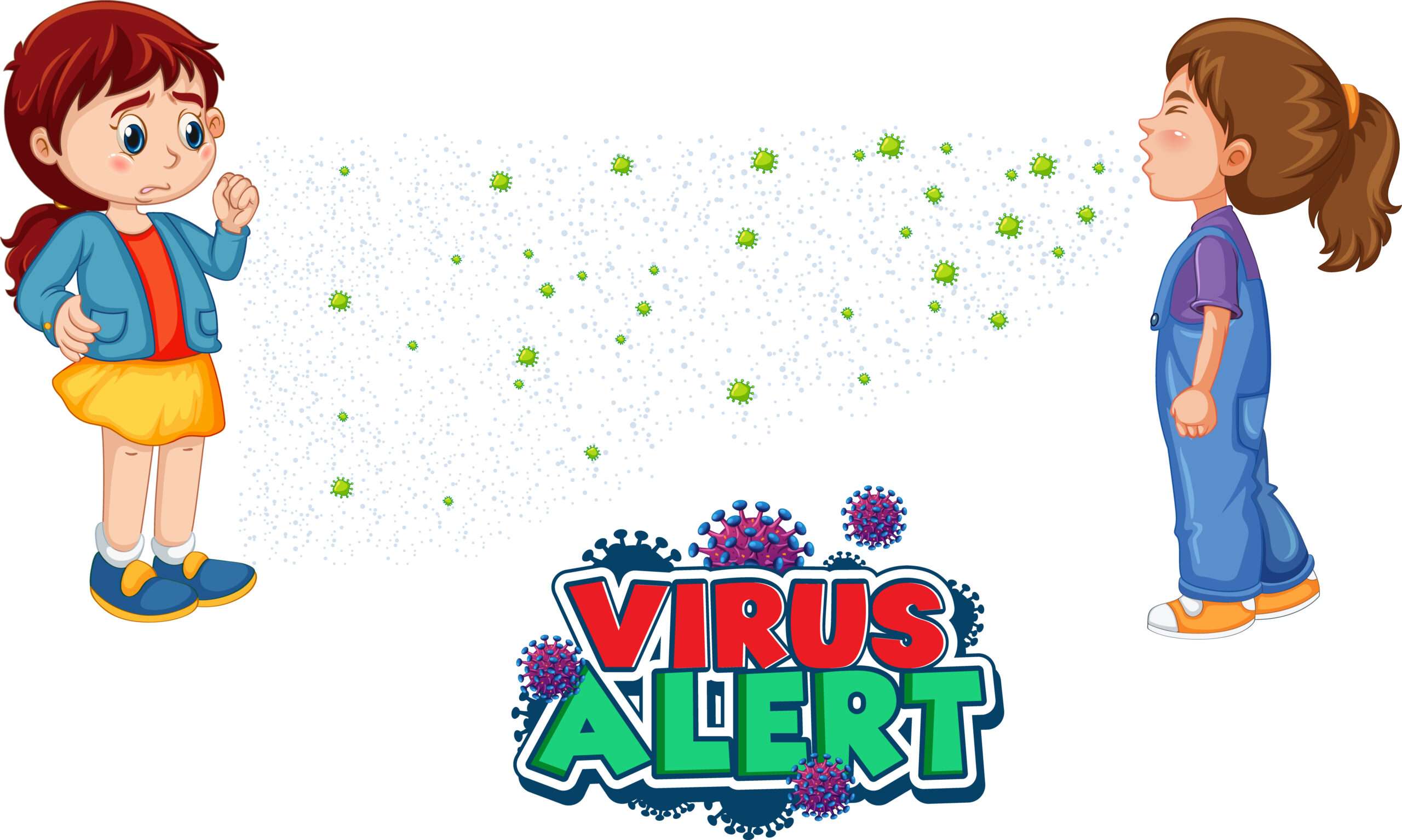
This is one of the most common questions. The answer is not very simple. A stye itself is not highly contagious. However, the bacteria that cause it can spread. This means indirect transmission is possible. If you touch a stye and then touch another surface, bacteria may transfer. Another person touching that surface may get exposed. This risk increases with poor hygiene. Sharing personal items can also spread bacteria. Items like towels, pillowcases, or makeup brushes can carry infection. Touching your eyes frequently can increase the risk.
Rubbing the eyes can worsen the condition. It can also spread bacteria to the other eye. So, while styes are not contagious like viral infections, caution is needed. Clean habits reduce the risk. Avoid close contact when the infection is active. Wash your hands often. Do not share personal items. These simple steps can help prevent the spread. Awareness is the key to controlling such infections.
What Causes a Stye?
A stye forms due to a bacterial infection. The most common bacteria involved is Staphylococcus. It naturally lives on the skin. It usually does not cause harm. However, problems occur when it enters oil glands. These glands are present in the eyelids. When they get blocked, bacteria multiply inside. This leads to swelling and pus formation.
Poor hygiene is a major cause. Touching eyes with unclean hands increases risk. Using expired or contaminated makeup can also cause infection. Contact lenses that are not cleaned properly can contribute to it. Stress and weak immunity may increase chances. Hormonal changes may also play a role. People with certain skin conditions are more prone.
Conditions like blepharitis can increase risk. In many cases, styes appear without warning. Understanding the cause helps in prevention. Keeping the eye area clean is very important. Avoid unnecessary touching of the eyes. Small habits can make a big difference.
Symptoms of a Stye
A stye usually starts as a small bump. It appears on the eyelid. It may look like a pimple. The area becomes red and swollen. Pain is a common symptom. The discomfort may increase when blinking. The eye may feel irritated. Some people experience a burning sensation. There may also be tearing of the eyes. Sensitivity to light can occur in some cases. A yellow spot may form at the center. This indicates pus formation.
The stye may eventually burst and drain. This brings relief from pain. In some cases, swelling can spread around the eye. This can make it difficult to open the eye fully. Vision is usually not affected. However, severe swelling may blur vision temporarily. Most symptoms are mild. They improve within a few days. Recognizing symptoms early helps in quick care. It also prevents complications. Timely action can reduce discomfort and speed up healing.
How Long Does a Stye Last?
A stye usually does not last long. Most cases resolve within a week. Some may take up to ten days. The healing process depends on care. Good hygiene can speed up recovery. A warm compress is very helpful. It helps in draining the stye naturally. Without proper care, it may take longer. In rare cases, it can persist for weeks. This may require medical attention. Recurrent styes may indicate an underlying issue. Poor hygiene is often a major factor. Stress and diet can also affect healing. It is important not to squeeze the stye.
This can worsen the infection. It may also lead to complications. Let it drain naturally. If pain increases or swelling spreads, consult a doctor. Quick action prevents further problems. Most styes are harmless. They heal without treatment. However, proper care is always recommended. Patience and hygiene are the best solutions.
Can Styes Spread From One Eye to Another?
Yes, this is possible. The bacteria can spread easily. Touching the infected eye can transfer bacteria. If you then touch the other eye, it may get infected. This is why hand hygiene is important. Avoid rubbing your eyes. Use clean tissues if needed. Dispose of them properly after use. Do not reuse towels. Use separate towels for face and hands. Clean pillowcases regularly. Avoid sharing eye products. This includes eyeliner and mascara.
Contact lens users should be extra careful. Always wash hands before handling lenses. Clean lenses properly before use. Avoid using lenses during infection. This reduces the risk of spreading. Simple habits can prevent infection. Being careful during active stye is very important. Prevention is always better than cure. Small changes can protect both eyes. Cleanliness plays a major role in eye health.
Treatment Options for Styes
Treatment for styes is simple. Most cases can be managed at home. A warm compress is the best method. Use a clean cloth soaked in warm water. Place it gently on the affected eye. Do this for 10 to 15 minutes. Repeat several times a day. This helps in draining the stye. Avoid squeezing or popping it. This can worsen the condition. Keep the eye area clean. Wash your hands frequently. Avoid makeup until it heals. Use mild cleansers if needed.
Over-the-counter ointments may help. In severe cases, a doctor may prescribe antibiotics. If the stye does not improve, medical advice is needed. Sometimes, minor procedures may be required. This is rare but possible. Early care prevents complications. Following simple steps can speed up recovery. Consistency is important. Stick to the routine for best results.
Home Remedies for Stye Relief
Home remedies can provide relief. A warm compress is the most effective method. It reduces swelling and pain. It also promotes drainage. Clean eyelids gently. Use mild solutions if needed. Avoid harsh chemicals. Proper rest helps healing. Reduce screen time if eyes feel strained. Stay hydrated. A healthy diet supports recovery. Avoid touching the stye frequently. This can worsen the infection. Some people use natural remedies.
However, caution is needed. Not all remedies are safe for the eyes. Avoid using unverified substances. Always choose safe options. Clean surroundings help prevent the spread. Replace old makeup products. Wash pillow covers regularly. These small steps help a lot. Consistency is key. Home care works well in most cases. If symptoms persist, seek medical help. Early care leads to faster recovery.
Prevention Tips for Eye Styes
Prevention is very important. It reduces the chances of infection. Maintain good hygiene at all times. Wash your hands frequently. Avoid touching your eyes unnecessarily. Keep eyelids clean. Remove makeup before sleeping. Use clean makeup products. Replace old products regularly. Avoid sharing personal items. Clean contact lenses properly.
Follow proper usage guidelines. Manage stress levels. Eat a balanced diet. Strengthen your immune system. Keep the surroundings clean. Change pillowcases often. Avoid rubbing your eyes when irritated. Use clean tissues instead.
These habits reduce risk significantly. Prevention is simple but effective. Consistency is important. Small changes can protect eye health. Awareness helps in long-term care. Healthy habits lead to fewer infections. Make hygiene a daily routine.
Difference Between Stye and Chalazion
Many people confuse these conditions. They look similar but are different. A stye is painful. It is caused by bacterial infection. It appears suddenly. A chalazion is usually painless. It develops slowly. It is caused by blocked oil glands. Infection is not always present. A stye may turn into a chalazion. This happens if it does not heal properly.
Treatment methods are similar. Warm compress helps both conditions. However, a chalazion may take longer to heal. It may require medical treatment in some cases. Understanding the difference is important. It helps in proper care. Early diagnosis improves treatment. Do not ignore persistent lumps. Consult a doctor if needed. Proper knowledge prevents confusion. It also ensures better eye care.
When to See a Doctor
Most styes heal on their own. However, some cases need medical attention. If the stye does not improve in a week, consult a doctor. Severe pain is another sign. Excessive swelling should not be ignored. If vision is affected, seek help immediately.
Recurrent styes may indicate a deeper issue. High fever is also a warning sign. If redness spreads beyond the eyelid, it needs attention. Doctors may prescribe medication. In rare cases, minor procedures are needed. Early treatment prevents complications. Do not delay if symptoms worsen. Professional advice ensures safety. It also speeds up recovery. Being cautious is always better. Listen to your body. Take action when needed.
Lifestyle Changes for Better Eye Health
Healthy lifestyle supports eye health. A balanced diet is very important. Include vitamins and minerals. Drink enough water daily. Stay hydrated at all times. Manage stress levels. Get proper sleep every night. Avoid excessive screen time. Take breaks when working on screens. Maintain hygiene in daily routine. Clean your surroundings regularly.
Avoid exposure to dust and pollution. Protect your eyes when needed. Wear protective glasses if required. Avoid using expired products. Replace them regularly. Follow good habits consistently. These changes improve overall health. They also reduce the risk of infections. Eye care should be a priority. Simple steps can make a big difference. Consistency leads to better results.
If you are exploring more ways to understand eye health and natural care approaches, you can consider learning from trusted platforms like CureAware. It offers useful insights that help you stay informed and make better wellness choices without pressure.
FAQs
1. Are styes contagious through touch?
Styes are not directly contagious, but bacteria can spread through touch. Poor hygiene increases the risk of transmission.
2. Can I go to work or school with a stye?
Yes, you can. Just maintain hygiene. Avoid touching your eyes and sharing personal items.
3. Is a stye a serious eye condition?
No, it is usually mild. Most styes heal on their own without complications.
4. Can I wear makeup with a stye?
It is not recommended. Makeup can worsen the infection and delay healing.
5. How many days does a stye last?
Most styes last 7 to 10 days. Proper care can speed up healing.
6. Can stress cause a stye?
Stress may weaken immunity. This can increase the chances of developing a stye.
7. Should I pop a stye?
No, never pop a stye. It can spread infection and cause complications.
8. Can children get styes?
Yes, children can develop styes. Poor hygiene is a common cause.
9. What is the fastest way to heal a stye?
Warm compress is the most effective method. It helps in natural drainage.
10. When should I see a doctor for a stye?
Consult a doctor if it lasts more than a week or causes severe pain or swelling.