

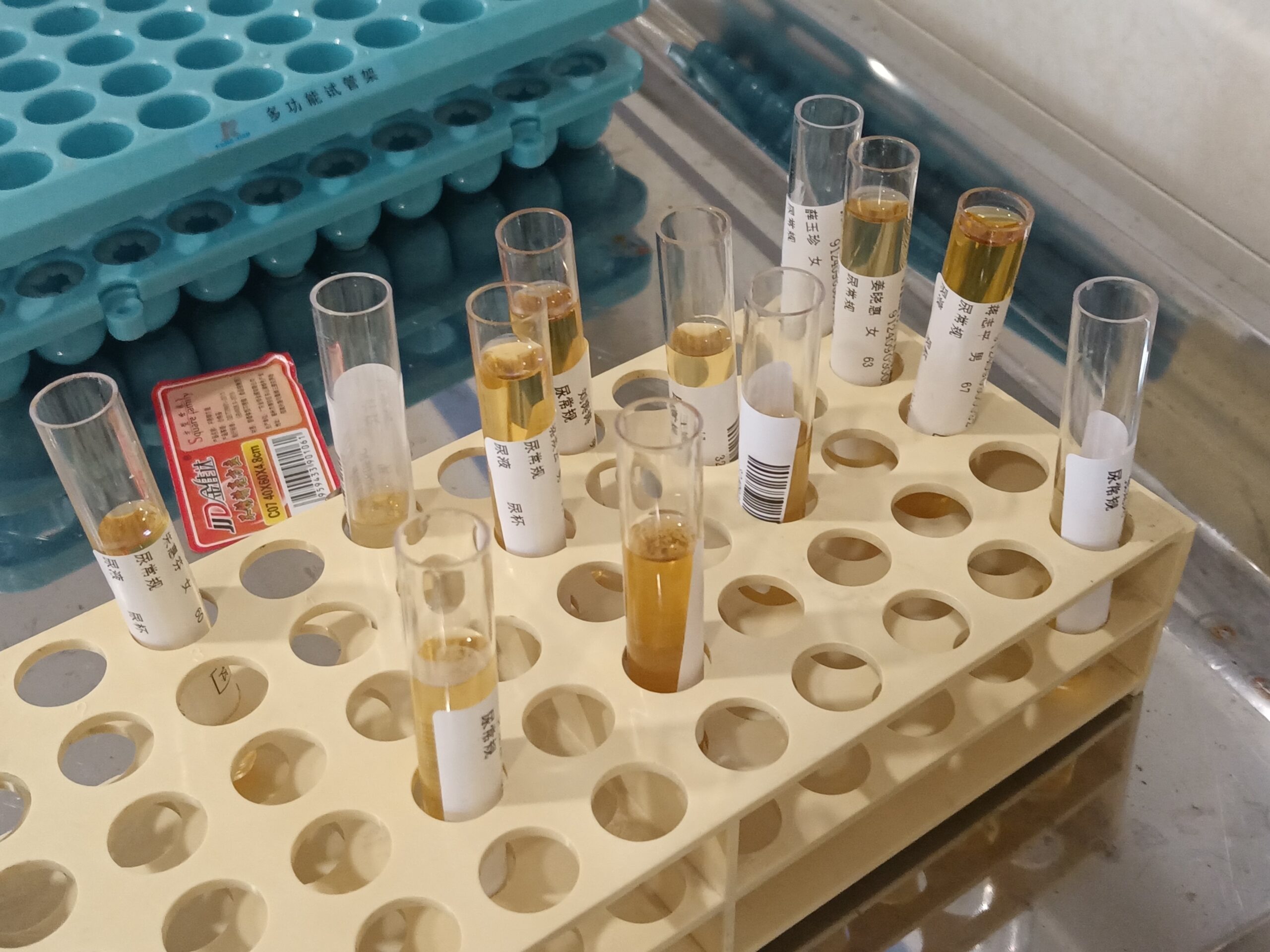
Quick answer: How long alcohol stays in urine depends on what the test measures. A urine test that detects ethanol itself generally has a relatively short detection window, while tests that detect alcohol metabolites such as ethyl glucuronide (EtG) can remain positive for considerably longer. There is no single number that applies to everyone, and a urine result cannot be used by itself to determine whether someone is currently impaired.
How Long Does Alcohol Stay in Urine?
Alcohol does not remain in urine for a fixed amount of time. The detection window depends on the amount consumed, the type of urine test, the timing of the sample, individual metabolism, and other factors.
For a urine test that measures ethanol directly, the detection period is generally measured in hours rather than several days. Older clinical guidance has described a urine alcohol detection window of roughly 7 to 12 hours, although the actual window can vary. Larger amounts of alcohol may remain detectable longer.
EtG and ethyl sulfate (EtS) tests work differently. Instead of looking only for ethanol, they detect metabolites produced after alcohol is processed. These tests can extend the urine detection window to one or more days, and some laboratory references report EtG detection for several days depending on the amount consumed and testing conditions.
Alcohol Detection in Urine at a Glance
| Urine testing approach | What it detects | Typical detection concept |
|---|---|---|
| Ethanol urine test | Alcohol itself | Usually hours; often around 7–12 hours, but variable |
| EtG urine test | Ethyl glucuronide, an alcohol metabolite | Often 1–2 days and potentially longer depending on exposure and test sensitivity |
| EtS urine test | Ethyl sulfate, an alcohol metabolite | Can remain detectable after ethanol itself is no longer measurable |
These are general detection concepts, not guaranteed timelines for an individual test. Laboratory methods, cutoff levels, urine concentration, and drinking patterns can change the result.
What Happens to Alcohol After You Drink?
When alcohol is consumed, it is absorbed into the bloodstream through the stomach and intestines. The body then begins metabolizing it. Most alcohol metabolism occurs in the liver through enzymes including alcohol dehydrogenase and aldehyde dehydrogenase.
Alcohol is first converted into acetaldehyde and then into acetate. The body can further process acetate into carbon dioxide and water. Only a relatively small amount of consumed alcohol leaves the body unchanged through urine, breath, and other routes.
This explains an important point: a urine test for ethanol and a urine test for alcohol metabolites are not measuring exactly the same thing. Metabolite testing can detect evidence of alcohol exposure after the parent alcohol has already fallen below the level detectable by a direct ethanol test.
What Is an EtG Urine Test?
EtG stands for ethyl glucuronide. It is a direct metabolite formed when the body processes alcohol. Because EtG can persist after ethanol itself has been cleared from the bloodstream, it can provide a longer window for detecting recent alcohol exposure.
EtG testing may be used in clinical, monitoring, workplace, or other testing settings. A positive result indicates alcohol exposure within a relevant detection period, but the result does not by itself establish exactly when alcohol was consumed, how much was consumed, or whether a person was impaired at the time of testing.
What Is an EtS Urine Test?
EtS, or ethyl sulfate, is another metabolite produced when alcohol is processed. It may be measured alongside EtG because the two markers can provide complementary information.
Using metabolites rather than ethanol itself can extend the period during which recent alcohol exposure may be identified. However, interpretation still requires attention to the test method, cutoff values, sample quality, and the person’s history.
Factors That Affect How Long Alcohol Stays in Urine
1. Amount of Alcohol Consumed
One of the most important factors is how much alcohol was consumed. A larger amount generally takes longer for the body to process and may produce a longer period during which alcohol or its metabolites can be detected.
2. Timing of the Last Drink
The time between the last drink and urine collection can substantially affect the result. A sample collected soon after drinking may contain alcohol itself, while a later sample may be more informative for metabolite testing.
3. Individual Metabolism
Alcohol metabolism varies among individuals. Genetics, body composition, liver function, nutrition, and other biological factors can influence how alcohol is processed. A person should not assume that another person’s detection timeline will apply to them.
4. Drinking Pattern
A single episode and repeated heavy drinking can produce different testing patterns. Larger or repeated exposures may result in higher or more prolonged metabolite concentrations.
5. Urine Concentration
Urine concentration can affect measured levels. Hydration changes urine volume and concentration, which is one reason laboratories may evaluate specimen validity. Drinking large quantities of water does not make the body metabolize alcohol substantially faster.
6. Test Type and Cutoff
Different tests use different analytical methods and cutoff concentrations. A highly sensitive metabolite test may detect alcohol exposure after a standard ethanol test is already negative.
Can Drinking Water Make Alcohol Leave Your Urine Faster?
Drinking water can help prevent dehydration, but it does not significantly speed up the liver’s metabolism of alcohol. Excessive fluid intake may dilute urine, but dilution is not the same as eliminating alcohol or its metabolites from the body.
Trying to manipulate urine concentration is also unreliable. A laboratory may identify a specimen as dilute, and test interpretation depends on the complete testing procedure rather than urine color alone.
Can Coffee, Exercise, or Cold Showers Remove Alcohol Faster?
No. Coffee may make someone feel more alert, but caffeine does not remove alcohol from the body faster. Exercise and cold showers also do not substantially accelerate alcohol metabolism.
The body needs time to process alcohol. Feeling less intoxicated is not the same as having no alcohol in the body, and it is not a reliable way to determine whether someone is safe to drive or operate machinery.
Does Eating Affect Alcohol Detection?
Food can affect how quickly alcohol is absorbed. Drinking on an empty stomach generally results in faster absorption and a higher blood alcohol concentration than drinking after eating. However, eating does not provide a reliable way to eliminate alcohol once it has entered the bloodstream.
How Long Does Alcohol Stay in the Body Compared With Urine?
Different testing methods have different detection windows. Blood and breath testing are generally more closely related to recent alcohol levels, while urine metabolite testing can identify alcohol exposure for a longer period.
This distinction matters because a positive urine metabolite result does not necessarily mean that alcohol is still circulating in the bloodstream or that the person is currently impaired.
Can a Urine Test Tell How Much Alcohol You Drank?
Not reliably. A urine alcohol or metabolite result should not be treated as a precise measurement of how many drinks someone consumed. Concentrations are influenced by timing, metabolism, urine dilution, test sensitivity, and other variables.
Similarly, a urine result cannot reliably establish the person’s blood alcohol concentration at an earlier point in time without additional information and appropriate testing.
Can Alcohol Be Detected in Urine After 72 Hours?
It can be possible with some sensitive metabolite tests, particularly after larger alcohol exposures. However, 72 hours should not be treated as a guaranteed detection window or a guaranteed negative point. Some testing references report EtG detection for several days, while other clinical guidance describes shorter windows depending on the test and circumstances.
If a test result has important medical, legal, employment, or treatment consequences, the specific laboratory method and its cutoff should be considered rather than relying on a general online timeline.
Does Alcohol Stay Longer in Urine After Heavy Drinking?
Potentially, yes. Consuming a larger amount can increase the amount of alcohol that must be metabolized and can result in higher levels of alcohol metabolites. This can extend the period during which a sensitive urine test detects recent alcohol exposure.
However, there is no reliable formula that can convert a number of drinks into an exact urine detection time for every person.
Urine Alcohol Detection Does Not Equal Impairment
This is one of the most important points to understand. A urine test is not the same as a real-time impairment test.
A direct urine ethanol test may show recent alcohol exposure, while an EtG or EtS test may remain positive after ethanol has already been metabolized. Therefore, a positive urine metabolite result should not be interpreted as proof that a person is currently intoxicated or impaired.
When Should You Talk With a Healthcare Professional?
Consider speaking with a healthcare professional if you are concerned about your drinking, have difficulty controlling alcohol use, experience withdrawal symptoms, or are worried about possible alcohol-related health problems.
Urgent medical attention may be needed after severe alcohol intoxication. Warning signs can include inability to stay awake, confusion, seizures, repeated vomiting, slow or irregular breathing, blue or pale skin, or loss of consciousness.
How to Understand an Alcohol Urine Test Result
If you receive a urine alcohol test result, look at the name of the analyte being tested, the reported value, the laboratory cutoff, and whether the test measures ethanol, EtG, EtS, or another marker.
If the result has significant consequences, ask the testing laboratory or qualified healthcare professional to explain what the specific result means. Avoid interpreting a single number using a generic online detection chart.
Frequently Asked Questions
How long does alcohol stay in urine after one drink?
A direct urine ethanol test may detect alcohol for several hours, with some clinical guidance describing a window around 7–12 hours. Metabolite tests such as EtG can have a substantially longer window. The exact time varies.
Can urine detect alcohol the next morning?
It can. Depending on the amount consumed and the test used, alcohol or its metabolites may still be detectable the following morning.
Can an EtG test detect alcohol after 48 hours?
Yes, it can be possible. EtG tests have a longer detection window than direct ethanol urine tests, and detection may extend beyond 48 hours depending on the amount consumed and the test’s sensitivity.
Can an EtG test detect alcohol after 72 hours?
It can be possible in some circumstances, particularly with sensitive testing and higher alcohol exposure. A negative result cannot be predicted solely from the number of hours since drinking.
Does drinking lots of water clear alcohol from urine?
No. Water supports hydration but does not substantially accelerate alcohol metabolism. Excessive fluid intake can dilute urine without removing alcohol metabolites from the body faster.
Does sweating remove alcohol faster?
No. Sweating is not a reliable way to accelerate alcohol elimination. Most alcohol metabolism occurs through enzymatic processes, primarily in the liver.
Does sleeping make alcohol leave your system faster?
Sleep allows the body to rest, but it does not dramatically accelerate alcohol metabolism. Time is the main factor in alcohol clearance.
Can a urine alcohol test show impairment?
No. A urine result is not a direct measurement of current impairment. Blood or breath testing is more appropriate when the question is current alcohol concentration.
What is the difference between ethanol and EtG testing?
Ethanol testing looks for alcohol itself and generally has a shorter detection window. EtG testing looks for a metabolite produced after alcohol is processed and can detect exposure for a longer period.
Can medications affect alcohol detection?
Some medical conditions, medications, and products containing alcohol can complicate interpretation of certain metabolite tests. If a test result is unexpected, discuss the result and all relevant exposures with the testing professional or healthcare provider.
Key Takeaways
- There is no single exact answer to how long alcohol stays in urine.
- Direct urine ethanol testing generally has a shorter detection window measured in hours.
- EtG and EtS urine tests can detect alcohol exposure for one or more days and sometimes longer.
- The amount consumed, timing, metabolism, urine concentration, and test method all affect detection.
- Water, coffee, exercise, and cold showers do not reliably speed up alcohol metabolism.
- A positive urine metabolite test does not prove current intoxication or impairment.
- For important testing decisions, use the laboratory’s specific method and cutoff rather than relying on a generic timeline.
Medical disclaimer: This article is for general educational purposes and is not a substitute for medical advice, diagnosis, or treatment. If you have concerns about alcohol poisoning, withdrawal, alcohol use, or an unexpected test result, seek guidance from a qualified healthcare professional.