


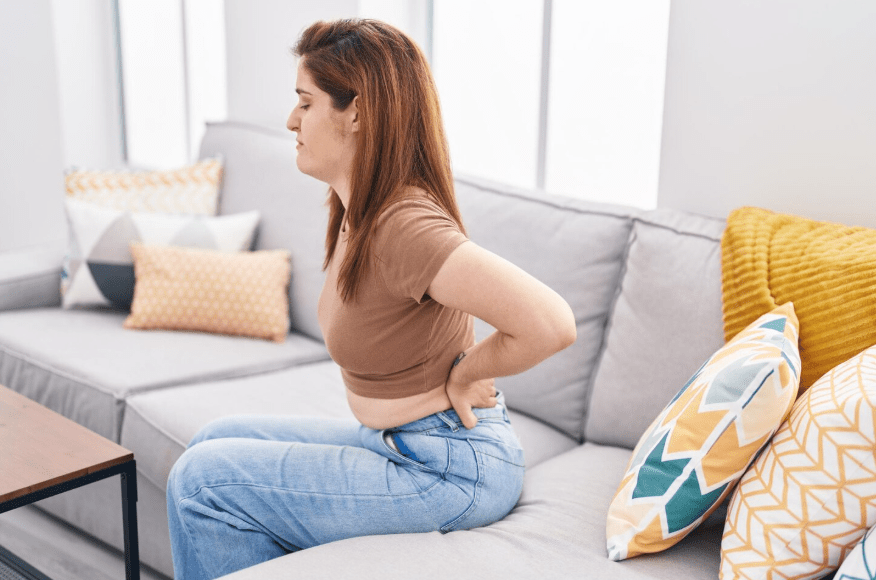
Do you notice that your lower back hurts while sitting but feels much better once you stand up or start walking? You’re not alone. Many people experience lower back pain when sitting but not standing, especially those who spend long hours working at a desk, driving, or studying.
In most cases, this type of pain is caused by posture-related problems, muscle strain, or pressure on the spinal discs. Fortunately, many cases improve with lifestyle changes, targeted exercises, and proper medical treatment when necessary.
This guide explains the most common causes, symptoms, treatment options, and ways to prevent lower back pain from returning.
Why Does My Lower Back Hurt Only When Sitting?
Sitting places significantly more pressure on your lumbar spine than standing or walking. Poor posture, prolonged sitting, weak core muscles, and spinal conditions can increase this pressure, leading to pain.
Standing naturally restores the spine’s alignment and reduces pressure on the lower back, which explains why many people feel immediate relief after getting up.
Common Causes of Lower Back Pain When Sitting but Not Standing
1. Poor Sitting Posture
Poor posture is one of the leading causes of lower back pain.
Common habits include:
- Slouching
- Leaning forward
- Sitting without lumbar support
- Crossing your legs for extended periods
- Looking down at a laptop
These positions place continuous stress on the muscles, ligaments, and spinal discs.
Symptoms
- Dull aching pain
- Tight lower back muscles
- Pain after sitting for 20–60 minutes
- Relief after standing or walking
2. Herniated or Bulging Disc
Your spinal discs act as cushions between the vertebrae. Sitting increases pressure inside these discs.
If a disc bulges or herniates, sitting can compress nearby nerves and trigger pain.
Symptoms
- Sharp lower back pain
- Pain radiating into the buttocks or leg
- Numbness
- Tingling
- Sciatica symptoms
3. Degenerative Disc Disease
As we age, spinal discs gradually lose water content and flexibility.
Sitting compresses these worn discs, causing discomfort that often improves when standing.
Common Signs
- Morning stiffness
- Pain after prolonged sitting
- Better with walking
- Reduced flexibility
4. Muscle Imbalance and Weak Core
Weak abdominal muscles force the lower back muscles to work harder while sitting.
This muscular overload often causes:
- Muscle fatigue
- Tightness
- Aching pain
- Poor posture
5. Sacroiliac (SI) Joint Dysfunction
The sacroiliac joints connect the spine to the pelvis.
Inflammation or instability in these joints may cause pain while sitting.
Symptoms include:
- Pain on one side of the lower back
- Buttock pain
- Pain while getting out of a chair
- Relief when walking
6. Piriformis Syndrome
The piriformis muscle lies deep within the buttock.
Prolonged sitting can tighten this muscle and irritate the sciatic nerve.
Symptoms include:
- Buttock pain
- Pain while sitting
- Tingling down the leg
- Relief when standing
7. Lumbar Spinal Stenosis
Although standing often worsens spinal stenosis in many people, some individuals experience increased discomfort while sitting due to posture or associated disc issues.
A thorough medical evaluation is needed for an accurate diagnosis.
Risk Factors
Several lifestyle factors increase your chances of developing lower back pain:
- Desk jobs
- Remote work
- Driving for long hours
- Obesity
- Pregnancy
- Aging
- Weak core muscles
- Lack of exercise
- Poor ergonomics
- Smoking
Symptoms to Watch For
Pain can vary depending on the underlying condition.
You may experience:
- Dull ache
- Sharp pain
- Burning sensation
- Muscle tightness
- Stiffness
- Pain after prolonged sitting
- Buttock pain
- Leg numbness
- Sciatica
- Difficulty standing after sitting
How Doctors Diagnose the Problem
A healthcare provider may perform:
Medical History
Questions about:
- When pain started
- Sitting duration
- Work habits
- Previous injuries
- Pain location
Physical Examination
The doctor may evaluate:
- Range of motion
- Posture
- Muscle strength
- Reflexes
- Nerve function
Imaging Tests
If symptoms persist, tests may include:
- X-rays
- MRI
- CT scan
These studies help identify disc problems, arthritis, or nerve compression.
Treatment Options
Treatment depends on the underlying cause.
Improve Your Sitting Posture
Keep your:
- Feet flat on the floor
- Knees at hip level
- Back supported
- Shoulders relaxed
- Screen at eye level
Stay Active
Avoid sitting continuously.
Stand up every 30–45 minutes and walk for a few minutes.
Regular movement reduces spinal pressure.
Physical Therapy
A physical therapist may recommend exercises to strengthen:
- Core muscles
- Glutes
- Hip muscles
- Lower back
They may also address posture, flexibility, and movement mechanics.
Stretching Exercises
Gentle stretching may help reduce stiffness.
Examples include:
- Cat-Cow stretch
- Child’s Pose
- Knee-to-chest stretch
- Piriformis stretch
- Hip flexor stretch
- Hamstring stretch
Always stop if an exercise increases pain.
Heat and Cold Therapy
Ice packs may help during the first 24–48 hours after a flare-up.
Heat therapy can relax tight muscles and improve blood flow afterward.
Medications
A healthcare provider may recommend:
- Acetaminophen
- Nonsteroidal anti-inflammatory drugs (NSAIDs)
- Muscle relaxants (in some cases)
Take medications only as directed by a healthcare professional.
Ergonomic Improvements
An ergonomic workstation can make a significant difference.
Consider:
- Adjustable office chair
- Lumbar support cushion
- Standing desk
- Footrest
- External monitor
- Ergonomic keyboard
Lifestyle Changes
Long-term relief often comes from healthy habits.
These include:
- Regular exercise
- Maintaining a healthy weight
- Core strengthening
- Walking daily
- Proper lifting techniques
- Quitting smoking if applicable
When Should You See a Doctor?
Seek medical evaluation if:
- Pain lasts longer than two weeks
- Pain becomes severe
- Pain travels below the knee
- You develop numbness or weakness
- Pain follows a fall or injury
- You have unexplained weight loss, fever, or night pain
- You experience loss of bowel or bladder control (seek emergency care)
Can Lower Back Pain from Sitting Be Prevented?
Yes. Many cases can be prevented through healthy daily habits.
Tips include:
- Maintain good posture.
- Take movement breaks every 30–45 minutes.
- Strengthen your core and back muscles.
- Stretch regularly.
- Use ergonomic furniture.
- Avoid sitting for prolonged periods.
- Maintain a healthy body weight.
- Stay physically active.
Frequently Asked Questions
Is it normal for my back to hurt only when sitting?
Yes. Sitting places greater pressure on the lumbar spine than standing, making posture-related pain, muscle strain, or disc problems more noticeable.
Why does standing relieve my lower back pain?
Standing restores your spine’s natural alignment, activates supporting muscles, and reduces pressure on spinal discs.
Can a herniated disc cause pain only while sitting?
Yes. Sitting increases pressure on the spinal discs, which can aggravate a herniated disc and irritate nearby nerves.
How long does posture-related lower back pain last?
Many mild cases improve within a few days to several weeks with better posture, regular movement, stretching, and strengthening exercises.
Should I stop exercising if my lower back hurts?
Not necessarily. Gentle activity is often beneficial, but avoid movements that worsen your symptoms. Consult a healthcare professional if you’re unsure which exercises are appropriate.
Key Takeaway
Experiencing lower back pain when sitting but not standing is often linked to posture, prolonged sitting, muscle weakness, or spinal conditions such as disc problems. While many cases improve with ergonomic changes, exercise, and physical therapy, persistent or worsening pain deserves medical evaluation. Early attention to symptoms, combined with healthy movement habits, can help relieve discomfort and reduce the likelihood of recurring back pain.