



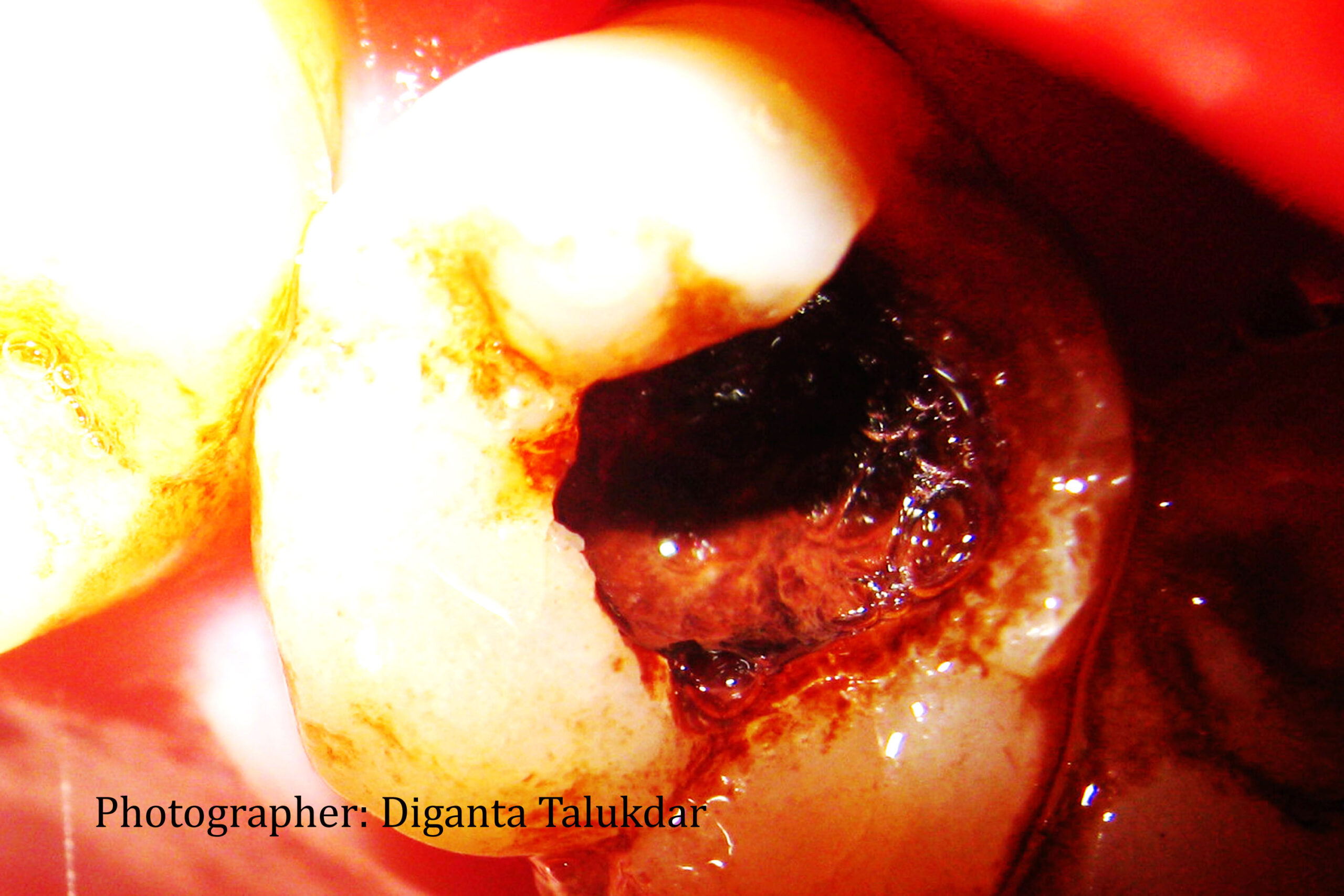
A tooth infection can start with something that seems manageable, such as toothache, sensitivity, gum swelling, or a small cavity. But an untreated infection can sometimes spread beyond the tooth and jaw into surrounding tissues and, in severe cases, other parts of the body.
If you are asking, “How long until a tooth infection kills you?”, there is no reliable countdown. A dangerous infection can worsen over hours or days, while other infections may remain localized for much longer. The important point is that a serious dental infection should not be left untreated simply because the pain is tolerable or temporarily improves.
Can a Tooth Infection Be Life-Threatening?
Yes. Most tooth infections can be treated successfully, but a severe untreated infection can become life-threatening. Bacteria can move from an infected tooth into the jaw, face, neck, or deeper tissues. In advanced cases, infection can interfere with breathing or swallowing or spread into the bloodstream.
There is no specific number of days that applies to everyone. The speed of progression depends on factors such as the location and severity of the infection, whether an abscess is present, the person’s immune response, and whether treatment is received.
How Fast Can a Tooth Infection Spread?
A dental infection can progress at different rates. Some remain confined to the tooth for a period of time, while others spread into nearby tissues relatively quickly. Severe swelling, increasing pain, fever, facial swelling, difficulty opening the mouth, or problems swallowing can indicate that the infection is becoming more extensive.
Because the progression is unpredictable, waiting to see how long an infection takes to become dangerous is not safe. If you suspect a dental infection, arrange prompt dental or medical evaluation.
What Happens If a Tooth Infection Is Left Untreated?
An untreated infection may cause increasing inflammation and damage around the tooth. A pocket of pus, known as an abscess, can develop. The infection may then extend into the jawbone or nearby soft tissues.
In more advanced situations, infection can spread into areas of the face and neck. Deep infections in the neck can become particularly dangerous because swelling may affect the airway. Infections can also enter the bloodstream and contribute to a serious systemic illness.
Signs a Tooth Infection May Be Getting Worse
Watch for symptoms that indicate the infection may be progressing rather than staying localized.
- Increasing or severe tooth pain
- Swelling of the gum, cheek, jaw, or face
- Fever or chills
- A bad taste or drainage of pus
- Increasing redness or tenderness around the affected tooth
- Difficulty opening the mouth
- Difficulty swallowing
- Swelling beneath the jaw or in the neck
- Feeling unusually weak or unwell
When Is a Tooth Infection an Emergency?
A suspected tooth infection requires emergency medical attention when there are signs that swelling or infection could affect the airway or overall health.
Seek emergency care immediately if you have difficulty breathing, difficulty swallowing, rapidly increasing swelling of the face or neck, swelling around the eye with vision changes, confusion, fainting, or severe illness.
Do not wait for dental office hours if breathing or swallowing is becoming difficult. These symptoms can indicate a potentially dangerous spread of infection.
Can a Tooth Infection Kill You Overnight?
There is no way to predict that an untreated tooth infection will become fatal overnight, and there is no safe timeline to use as a waiting period. A severe infection can deteriorate rapidly in some circumstances, particularly when it spreads into deeper tissues or compromises the airway.
If you have significant swelling, fever, worsening symptoms, or difficulty swallowing or breathing, seek urgent care rather than waiting until the next day.
Can a Tooth Infection Make You Sick?
Yes. A localized dental infection can cause pain and swelling, while a more extensive infection may cause fever, chills, fatigue, swollen lymph nodes, or a general feeling of illness. These systemic symptoms can be a sign that the infection is affecting more than the tooth itself.
What Causes a Tooth Infection?
Tooth infections commonly develop when bacteria reach the inner tissues of a tooth or the tissues surrounding its root. This can happen when tooth decay progresses deeply, when a tooth cracks or breaks, or when bacteria enter through damaged dental tissue.
Gum disease can also contribute to infections around the supporting structures of teeth. Poor oral hygiene, untreated cavities, dental trauma, and certain dental problems can increase the risk.
What Does a Tooth Abscess Look and Feel Like?
A dental abscess is a collection of pus caused by infection. It may appear as a swollen area on the gum near an affected tooth. Symptoms can include throbbing pain, tenderness, sensitivity to hot or cold, pain when biting, swelling, a bad taste, or drainage.
Sometimes an abscess drains and the pain temporarily decreases. That does not necessarily mean the infection has resolved. The source of the infection can remain and may continue to cause damage or flare up again.
How Is a Tooth Infection Treated?
Treatment depends on the source and severity of the infection. Dental treatment may involve draining an abscess, treating the infected tooth, performing root canal treatment, or removing a tooth when it cannot be saved.
Antibiotics may be prescribed in certain situations, particularly when there are signs that the infection has spread or when systemic symptoms are present. Antibiotics alone do not always eliminate the source of a dental infection, so appropriate dental treatment is often necessary.
Can You Treat a Tooth Infection at Home?
Home measures may temporarily reduce discomfort, but they do not remove the underlying source of a bacterial tooth infection. Keeping the mouth clean, gently brushing, rinsing as directed by a healthcare professional, and using appropriate over-the-counter pain relief can help with symptoms while arranging professional care.
Do not place aspirin directly against the tooth or gum, and do not attempt to drain an abscess yourself. These approaches can injure tissue or allow the infection to worsen.
How Long Can You Leave a Tooth Infection Untreated?
There is no safe period for intentionally leaving a suspected tooth infection untreated. Even if pain is mild or disappears, the infection may still be present. Prompt evaluation is the safest approach because early treatment can help prevent complications.
Who Is at Greater Risk of Complications?
Anyone with a serious dental infection can develop complications, but some people may have a higher risk of severe infection. This can include people with weakened immune systems and those with certain chronic medical conditions. If you have a condition or take medication that affects your immune response, tell your healthcare professional about the dental symptoms.
How to Prevent Tooth Infections
- Brush your teeth regularly with fluoride toothpaste.
- Clean between your teeth every day.
- Limit frequent sugary foods and drinks.
- Have regular dental checkups and professional cleanings as recommended.
- Have cavities, broken teeth, and persistent tooth pain evaluated promptly.
- Do not ignore recurring swelling, drainage, or gum problems.
- Use protective equipment during activities where dental injuries are possible.
Frequently Asked Questions
How long until a tooth infection kills you?
There is no predictable timeline. A tooth infection may remain localized for some time, but a severe infection can spread and become dangerous quickly. Do not use a number of hours or days as a reason to delay treatment.
Can a tooth infection spread to the brain?
In rare cases, serious dental infections can spread beyond the mouth and involve deeper tissues, including areas near the brain. This is uncommon but potentially severe, which is why significant facial swelling, severe headache, neurological symptoms, or worsening systemic illness require urgent medical evaluation.
Can a tooth infection spread to the bloodstream?
Yes. A severe bacterial infection can enter the bloodstream and cause a serious systemic infection. Fever, chills, rapid deterioration, confusion, or feeling severely unwell alongside a dental infection should be treated as warning signs.
Does a tooth infection always cause pain?
No. A tooth infection can sometimes cause little pain, particularly if pressure is released through drainage or the tooth’s nerve has been damaged. The absence of pain does not prove that an infection has disappeared.
Can a tooth infection go away on its own?
Symptoms may temporarily improve, but a bacterial infection caused by an infected tooth generally requires treatment of the underlying source. Temporary relief should not be mistaken for complete resolution.
Should I go to the emergency room for a tooth infection?
Go to emergency care when there is difficulty breathing or swallowing, rapidly increasing facial or neck swelling, significant swelling around the eye with vision symptoms, confusion, fainting, or severe systemic illness. For tooth pain or localized swelling without these emergency signs, seek prompt dental evaluation.
Bottom Line
The question “how long until a tooth infection kills you?” does not have a fixed answer. The progression of a dental infection is unpredictable, and severe untreated infections can become life-threatening when they spread into deeper tissues, affect the airway, or enter the bloodstream.
If you think you have a tooth infection, do not wait for it to become severe. Arrange prompt dental care. If you develop difficulty breathing or swallowing, rapidly increasing swelling, confusion, or other signs of severe illness, seek emergency medical attention immediately.
Medical disclaimer: This article is for general educational purposes only and is not a substitute for professional medical advice, diagnosis, or treatment. A suspected tooth infection should be evaluated by a qualified healthcare professional, particularly when symptoms are severe or worsening.