

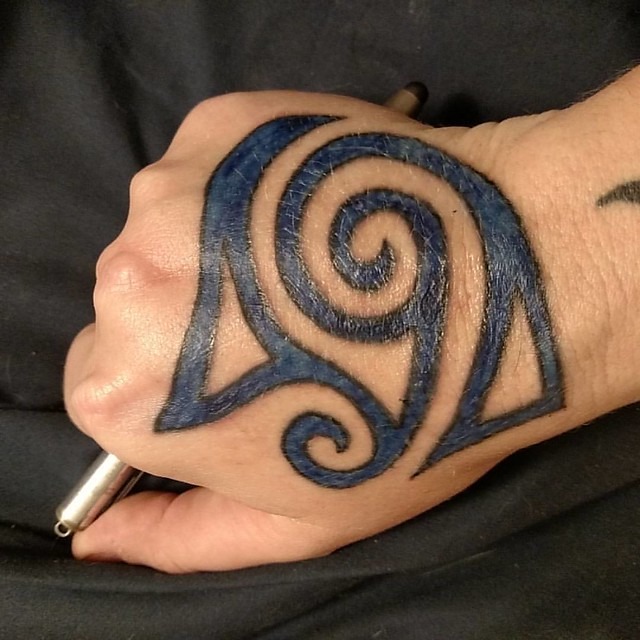
If you are wondering how long does it take for a tattoo to heal, the short answer is that most tattoos look significantly better on the surface within a few weeks, but complete healing of the deeper layers of skin can take longer. The exact timeline varies depending on the size and location of the tattoo, the amount of skin trauma involved, your skin type, and how well you follow aftercare instructions.
A fresh tattoo is more than a piece of body art. The tattooing process creates many tiny openings in the skin, so the area needs time to repair itself. During healing, it is normal to experience some redness, tenderness, mild swelling, itching, flaking, or peeling. Knowing what is normal can make the recovery process much less stressful.
How Long Does It Take for a Tattoo to Heal?
For many people, the outer layer of a tattooed area heals in roughly 2 to 4 weeks. However, deeper layers of the skin can continue recovering for several additional weeks or months. A tattoo may look healed on the surface before the skin underneath has completely recovered.
That means you should not stop caring for a new tattoo simply because it looks better. Continue gentle cleaning, moisturizing, sun protection, and other recommended aftercare until the skin has fully settled.
Tattoo Healing Timeline: What to Expect
First 24 to 48 Hours: Fresh Tattoo Stage
Immediately after tattooing, the skin may appear red, swollen, shiny, or irritated. Mild soreness is also common. Depending on the tattoo and the covering used, you may notice a small amount of clear fluid mixed with blood or excess ink.
During this stage, the main goal is to protect the area from unnecessary touching, friction, dirt, and irritation. Follow the specific instructions you were given for removing or changing the initial covering.
Days 3 to 7: Early Healing
During the first week, redness and tenderness should gradually decrease. The tattoo may begin to feel dry or tight. Mild itching can develop as the skin starts repairing itself.
Some people notice light flaking or small areas of peeling toward the end of the first week. This can be a normal part of healing. Avoid scratching or pulling at loose skin.
Week 2: Peeling and Itching
The second week is often when peeling and itching become more noticeable. The tattoo can look dull, cloudy, or slightly uneven temporarily. This does not necessarily mean the tattoo has been damaged.
As the outer skin continues to shed, the tattoo may gradually begin to look clearer. Continue washing gently and using a suitable moisturizer as directed.
Weeks 3 to 4: Surface Healing
By around the third or fourth week, many tattoos have substantially improved on the surface. Redness, peeling, and tenderness should generally be much less noticeable.
However, the deeper layers of skin may still be recovering. Continue treating the area gently and avoid assuming that complete healing has occurred simply because the tattoo looks normal.
After the First Month: Deeper Skin Recovery
Some tattoos continue to settle beneath the surface for several more weeks or months. Larger tattoos, heavily shaded designs, tattoos placed in areas that experience frequent movement or friction, and tattoos that experienced significant irritation may take longer.
What Does a Healing Tattoo Look Like?
A healing tattoo can change appearance several times before it reaches its settled appearance. Early on, it may look bright, swollen, or slightly wet. Later, it may become dry, flaky, itchy, or dull. During the peeling stage, the tattoo can temporarily look less vibrant than expected.
As healing progresses, the skin should become smoother and the tattoo should gradually regain a more settled appearance. Everyone heals differently, so minor differences in appearance are not automatically a sign of a problem.
Is Peeling Normal After Getting a Tattoo?
Yes. Peeling can be a normal part of tattoo healing. As the damaged outer skin is replaced, dead skin cells may flake away. The amount of peeling can vary depending on the tattoo and the individual.
Do not pick, scratch, or forcibly remove peeling skin. Pulling at the skin can irritate the area and may interfere with normal healing.
Is It Normal for a New Tattoo to Itch?
Mild itching is common during healing, particularly when the skin becomes dry or begins to peel. Although the urge to scratch can be strong, scratching can damage healing skin and introduce bacteria.
Keeping the area clean and using a light layer of an appropriate moisturizer can help reduce dryness and discomfort. If itching becomes intense or is accompanied by spreading redness, significant swelling, a rash, or other unusual symptoms, seek medical advice.
How to Take Care of a New Tattoo
1. Wash Your Hands Before Touching the Area
Clean hands can help reduce the chance of transferring dirt and bacteria to freshly tattooed skin. Avoid unnecessary touching throughout the day.
2. Clean the Tattoo Gently
Use lukewarm water and a mild, fragrance-free cleanser when cleaning the area unless your healthcare professional or tattoo professional has given you different instructions. Avoid vigorous rubbing, exfoliation, or harsh products.
3. Pat the Skin Dry
After washing, gently pat the area dry with a clean, soft material. Do not scrub the tattoo.
4. Moisturize Lightly
A thin layer of a suitable moisturizer can help prevent excessive dryness and cracking. Avoid applying thick layers that leave the skin excessively greasy or unable to breathe comfortably.
5. Avoid Scratching and Picking
Itching and peeling can be frustrating, but scratching or picking can irritate the skin, remove healing tissue, and potentially increase the risk of infection or scarring.
6. Protect the Tattoo From Direct Sunlight
Freshly tattooed skin is particularly sensitive to sunlight. Avoid prolonged direct sun exposure while the tattoo is healing. Once the skin has fully healed, regular sun protection can help protect the tattoo and the surrounding skin.
7. Avoid Excessive Friction
Tight clothing, repeated rubbing, or activities that continuously irritate the tattoo can make healing more uncomfortable. Whenever possible, keep the area protected from unnecessary friction.
Can You Shower With a New Tattoo?
In general, a new tattoo can be cleaned gently during a shower, but prolonged soaking should be avoided while the skin is healing. Follow the aftercare instructions provided for your specific tattoo and covering.
Avoid activities that keep the tattoo submerged for extended periods until the skin has healed. This includes baths, swimming, hot tubs, and similar activities unless a healthcare professional has advised otherwise.
Can You Exercise After Getting a Tattoo?
Exercise can be possible during tattoo healing, but it depends on the tattoo’s location, size, and your activity. Heavy sweating, repeated rubbing, tight clothing, shared equipment, and stretching of the tattooed area can increase irritation.
If exercise causes significant friction, sweating, pain, or irritation around the tattoo, give the area more time to recover and follow your aftercare guidance.
Why Is My Tattoo Taking Longer to Heal?
Healing time can vary for many reasons. A tattoo may take longer to settle when it is large, heavily shaded, located in an area that experiences frequent movement or friction, or repeatedly irritated during recovery.
Individual differences also matter. Skin type, general health, immune function, aftercare habits, and exposure to irritation can all influence healing.
Signs Your Tattoo May Not Be Healing Normally
Some redness, soreness, swelling, itching, and peeling can occur during normal healing. However, symptoms that worsen instead of improving may require medical evaluation.
- Redness that continues spreading or becomes increasingly intense
- Increasing warmth or swelling around the tattoo
- Worsening or severe pain
- Significant drainage or pus
- Fever or chills
- Red streaks extending away from the tattoo
- A rapidly worsening rash or swelling
- Symptoms that improve and then suddenly become worse
If you develop signs that could indicate an infection or a significant allergic reaction, contact a healthcare professional promptly.
How Can You Tell When a Tattoo Is Fully Healed?
A tattoo is generally closer to fully healed when the skin is smooth, no longer peeling or scabbing, and no longer tender, unusually warm, swollen, or irritated. The tattoo should look settled rather than appearing like an open or recently irritated area.
Keep in mind that surface healing and deeper healing are not necessarily completed at exactly the same time. When in doubt, give the skin more time and continue gentle care.
Factors That Affect Tattoo Healing Time
Tattoo Size
A small tattoo usually involves less damaged skin than a large piece, so it may appear healed sooner. Larger tattoos can require more time because a greater area of skin has been affected.
Tattoo Location
Areas exposed to frequent movement, friction, sweat, or contact with clothing may take longer to settle. Hands, feet, joints, and other high-movement areas can be more challenging to protect during recovery.
Amount of Shading and Color Work
Tattoos with extensive shading or repeated passes over the same area can cause more irritation to the skin. This may influence how long the area takes to recover.
Aftercare
Gentle cleaning, appropriate moisturizing, avoiding picking, protecting the area from excessive sunlight, and reducing friction can support normal healing.
Individual Health and Skin Characteristics
People do not all heal at the same speed. Existing skin problems, certain health conditions, medications, immune system factors, and other individual circumstances may influence recovery.
Common Tattoo Healing Mistakes to Avoid
- Scratching or picking at peeling skin
- Scrubbing the tattoo aggressively
- Applying excessive amounts of ointment or moisturizer
- Using irritating or heavily fragranced products without guidance
- Soaking the tattoo before it has healed
- Exposing fresh tattooed skin to prolonged direct sunlight
- Wearing clothing that repeatedly rubs the area
- Ignoring worsening pain, swelling, redness, or drainage
Frequently Asked Questions
How long does it take for a tattoo to heal completely?
Many tattoos have substantial surface healing within about 2 to 4 weeks, but deeper skin recovery can continue for several more weeks or months. Healing time varies by tattoo size, location, skin characteristics, aftercare, and overall health.
How long does a small tattoo take to heal?
A small tattoo may settle faster than a large tattoo, with noticeable surface healing often occurring within a few weeks. However, even a small tattoo needs proper aftercare until the skin is fully healed.
How long does a large tattoo take to heal?
Large tattoos can take longer because they involve a greater area of skin and may include extensive shading or color work. Surface healing can take several weeks, while deeper recovery may continue longer.
When can I stop moisturizing my tattoo?
Continue moisturizing according to your aftercare instructions while the tattooed skin is dry, flaky, or healing. Once the skin has fully settled, you can return to your normal skin-care routine.
Can a tattoo heal in one week?
A tattoo may look significantly better after one week, but that does not necessarily mean it is fully healed. Peeling, dryness, tenderness, or other healing changes may continue into the following weeks.
Why does my tattoo look dull while healing?
A dull or cloudy appearance can occur during the peeling and skin-repair stages. As the outer skin settles, the tattoo may gradually regain a clearer appearance.
Can I put sunscreen on a new tattoo?
Freshly tattooed skin should generally be protected from direct sunlight while it heals. Follow your aftercare guidance about products and timing. Once the skin is fully healed, sunscreen can help protect the tattooed skin from UV exposure.
What should I do if my tattoo becomes more painful after several days?
Increasing pain after the initial healing period can be a warning sign, especially if it occurs with spreading redness, warmth, swelling, drainage, fever, or chills. Contact a healthcare professional for assessment if symptoms are worsening.
Final Takeaway
So, how long does it take for a tattoo to heal? For many people, the surface of a tattoo heals in approximately 2 to 4 weeks, while deeper layers of skin can continue recovering for considerably longer. The healing process is gradual, and temporary redness, itching, peeling, dryness, and changes in appearance can be part of normal recovery.
The best approach is simple: keep the area clean, moisturize lightly, avoid picking and scratching, minimize friction and prolonged sun exposure, and follow the aftercare instructions provided for your tattoo. If symptoms become increasingly painful, swollen, warm, red, or start producing pus or other concerning changes, seek medical advice.
Medical disclaimer: This article is for general educational purposes and is not a substitute for professional medical advice, diagnosis, or treatment. If you have concerns about how your tattoo is healing or develop signs of infection or an allergic reaction, consult a qualified healthcare professional.