


A hairline fracture is a small crack in a bone that may develop after repeated stress, overuse, or an injury. Because the crack can be tiny, symptoms are sometimes mild at first and may be mistaken for a muscle strain, sprain, or ordinary soreness. Continuing to put stress on the injured bone can make the fracture worse, so recognizing the warning signs is important.
Hairline fractures are often discussed in connection with stress fractures, particularly when they develop gradually from repetitive activity. They can occur in many bones, including the feet, lower legs, hips, arms, and other areas exposed to repeated loading. This guide explains what a hairline fracture is, what it feels like, common causes and risk factors, how it is diagnosed, treatment options, recovery expectations, and when to seek medical care.
What Is a Hairline Fracture?
A hairline fracture is a very small crack in a bone. The term is commonly used to describe a narrow or incomplete fracture rather than a bone that has broken into separate pieces. In many cases, the bone remains largely aligned, but the crack can still cause significant pain and requires appropriate care.
Hairline fractures may result from a single traumatic event, but many develop because a bone is repeatedly exposed to more stress than it can comfortably repair. This is why they are often associated with running, jumping, prolonged walking, intense training, or sudden increases in physical activity.
Hairline Fracture vs. Stress Fracture
The terms hairline fracture and stress fracture are sometimes used interchangeably in everyday conversation. A stress fracture generally refers to a small crack caused by repetitive stress and overuse. A hairline fracture describes the small size or appearance of the crack rather than one specific mechanism of injury.
Not every small fracture develops from overuse. A direct blow, fall, twist, or other injury can also cause a small fracture. The exact type and severity of a fracture should be determined by a healthcare professional using the injury history and, when needed, imaging.
What Does a Hairline Fracture Feel Like?
The most common symptom is pain that is focused around a specific area of the injured bone. Early on, the pain may occur mainly during exercise, walking, running, jumping, or another activity that places stress on the bone. As the injury progresses, pain may begin during ordinary daily activities or even at rest.
Other possible symptoms include localized tenderness, swelling, bruising, stiffness, and pain when pressure is applied directly over the affected area. Some people notice that the pain improves with rest but returns when activity resumes.
Common Hairline Fracture Symptoms
- Localized bone pain or tenderness
- Pain that becomes worse with activity or weight-bearing
- Swelling around the injured area
- Mild bruising in some cases
- Pain when pressing directly over the bone
- Stiffness or discomfort with movement
- Pain that becomes more persistent if the injury is ignored
Where Do Hairline Fractures Commonly Occur?
Hairline fractures can occur in many parts of the body. They are particularly common in bones that repeatedly absorb impact or carry body weight.
Hairline Fracture in the Foot
Small fractures in the foot may affect the metatarsal bones or other structures that absorb repeated force during walking and running. Pain may be concentrated on the top or side of the foot and may worsen with standing or walking. Swelling and tenderness can also occur.
Hairline Fracture in the Ankle
A small fracture around the ankle can cause localized pain, swelling, stiffness, and difficulty putting weight on the affected side. Because ankle sprains are common, a small fracture may initially be mistaken for a soft-tissue injury.
Hairline Fracture in the Shin
Repetitive impact from running, jumping, or sudden increases in training can contribute to small fractures in the lower leg. Pain may initially appear only during activity and may become more persistent as the injury progresses.
Hairline Fracture in the Wrist or Hand
A fall onto the hand, direct impact, repetitive activity, or sports-related injury can cause a small fracture in the wrist or hand. Pain, tenderness, swelling, and reduced movement may occur.
What Causes a Hairline Fracture?
A hairline fracture can develop when repeated or sudden force exceeds the bone’s ability to repair itself. Common causes include:
- Suddenly increasing exercise intensity or duration
- Running or jumping on hard surfaces
- Repetitive sports activities
- Long periods of walking or standing
- Falls or direct blows
- Improper training techniques
- Inadequate recovery between demanding workouts
- Changes in footwear or training surfaces
Risk Factors for Hairline Fractures
Some people are more likely to develop small bone fractures because of factors that affect bone strength or the amount of stress placed on the skeleton.
Sudden Changes in Activity
Increasing mileage, workout frequency, intensity, or training volume too quickly can place a sudden additional load on bones. Gradual progression gives the body more time to adapt.
Low Bone Density
Conditions that reduce bone density can increase fracture risk. A healthcare professional may recommend an assessment when fractures occur after relatively minor stress or when there are other risk factors for weakened bones.
Poor Nutrition
Inadequate overall nutrition or insufficient intake of nutrients important for bone health may contribute to reduced bone resilience. People with restrictive diets, eating disorders, or other nutritional concerns may need individualized medical and nutritional guidance.
Previous Fractures
A history of stress fractures or other fractures may increase the likelihood of future bone injuries, particularly if the underlying cause has not been addressed.
Can You Walk With a Hairline Fracture?
Whether someone can walk with a hairline fracture depends on the location and severity of the injury. Some people can still walk, especially during the early stages, but being able to walk does not rule out a fracture.
Continuing to walk, run, or exercise through fracture pain can potentially delay healing or cause the crack to become larger. If a fracture is suspected, it is safer to reduce activities that cause pain and obtain appropriate medical evaluation.
How Is a Hairline Fracture Diagnosed?
Diagnosis usually begins with a physical examination and discussion of how the injury happened, where the pain is located, how long it has been present, and which activities make it worse.
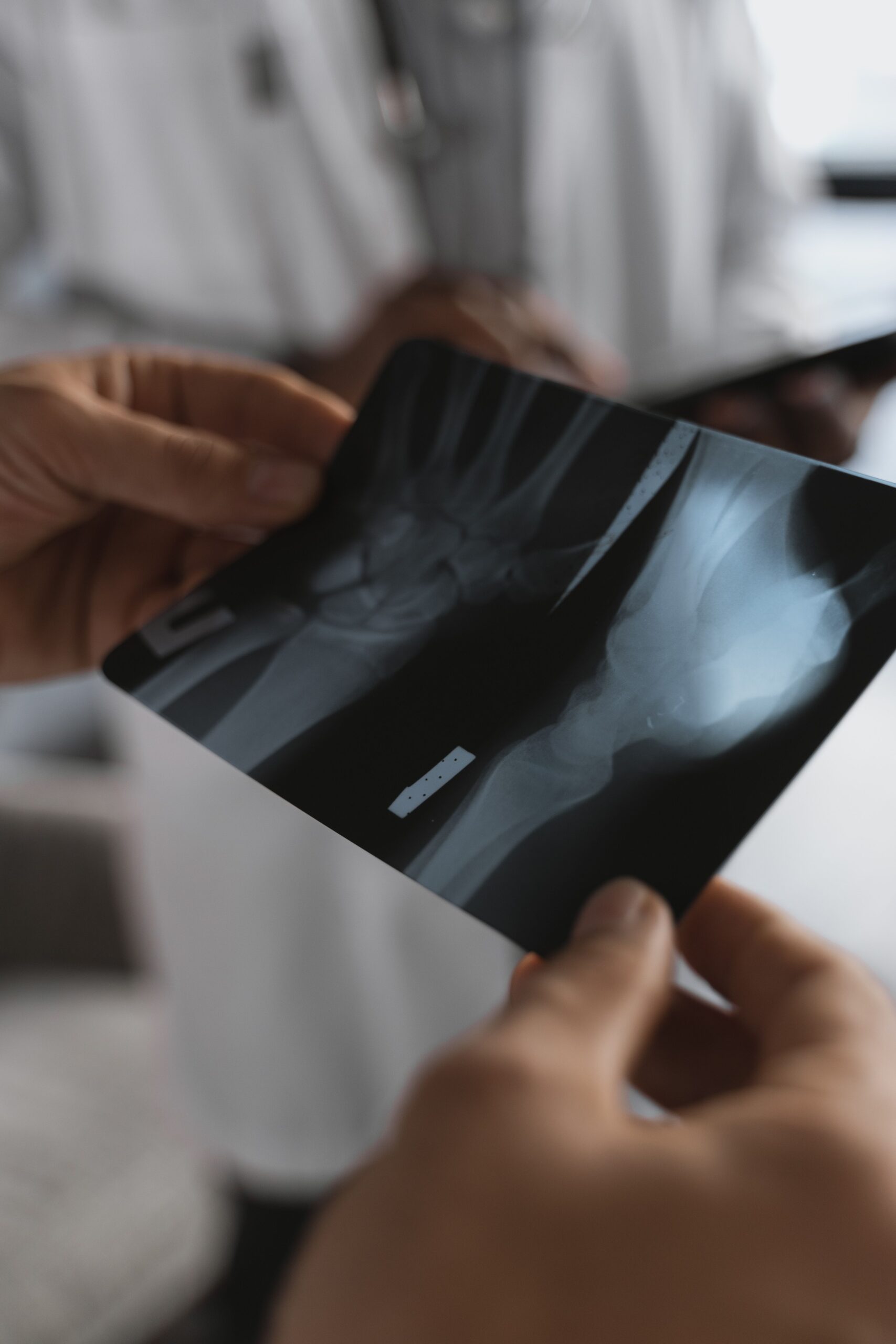
An X-ray may be used as part of the evaluation. However, very small or early stress fractures may not always be visible on an initial X-ray. If symptoms strongly suggest a fracture but the first imaging study is inconclusive, a healthcare professional may consider repeat imaging or another imaging test, depending on the situation.
Hairline Fracture Treatment
Treatment depends on the location, severity, cause, and whether the bone is stable. Many uncomplicated small fractures can heal without surgery when the affected bone is protected from excessive stress.
Rest and Activity Modification
Reducing or temporarily stopping activities that cause pain is often an important part of recovery. High-impact activities may need to be replaced with lower-impact options while the bone heals, but the appropriate activity level should be determined based on the injury.
Protective Footwear or Immobilization
Depending on the location of the fracture, a healthcare professional may recommend supportive footwear, a stiff-soled shoe, walking boot, brace, or another method of protecting the bone. More significant injuries may require a period of immobilization.
Gradual Return to Activity
Returning to normal activity too quickly can cause symptoms to return or interfere with healing. Activity should generally increase gradually once pain has improved and the injured bone is considered ready for additional load.
Surgery
Surgery is not necessary for most uncomplicated hairline fractures. It may be considered for certain fractures involving unstable bones, areas with poor healing potential, significant displacement, or other complications. A specialist can determine whether surgical treatment is appropriate.
How Long Does a Hairline Fracture Take to Heal?
Healing time varies depending on the bone involved, severity of the fracture, overall health, age, activity level, and whether the bone is repeatedly stressed during recovery. Many uncomplicated stress-type fractures improve over several weeks, but some injuries require longer periods of protection before full activity is safe.
Pain often improves before the bone has completely recovered. Feeling better does not necessarily mean the bone is ready for high-impact activity. Following the recommended recovery plan is important.
What Happens If a Hairline Fracture Is Ignored?
Ignoring a suspected fracture and continuing high-impact activity can allow a small crack to worsen. In some cases, the injury can progress to a more significant fracture. Persistent pain can also limit normal movement and physical activity.
Some fractures in particular areas of the body have a higher risk of delayed healing or complications. For this reason, ongoing focal bone pain should not simply be assumed to be a muscle strain.
Hairline Fracture vs. Muscle Strain
A muscle strain generally affects muscle tissue and may cause pain with contraction or stretching. A hairline fracture tends to produce more localized tenderness directly over the affected bone and may become particularly painful with weight-bearing or impact.
However, symptoms can overlap. It is not always possible to distinguish a bone injury from a soft-tissue injury based on symptoms alone. Persistent or worsening pain deserves professional assessment.
How Can You Prevent Hairline Fractures?
- Increase exercise intensity and duration gradually.
- Allow adequate recovery between demanding workouts.
- Use appropriate footwear for your activity.
- Replace worn-out athletic shoes when necessary.
- Vary high-impact training with appropriate lower-impact activities.
- Maintain a balanced diet that supports overall bone health.
- Pay attention to persistent or localized pain rather than exercising through it.
- Discuss recurrent fractures or unexplained bone injuries with a healthcare professional.
When Should You See a Doctor?
Seek medical evaluation when pain is persistent, localized, worsening, or repeatedly returns with activity. You should also seek care after an injury if you have significant swelling, severe pain, difficulty bearing weight, visible deformity, numbness, or loss of normal function.
Prompt assessment is especially important when a suspected fracture involves a high-risk area, follows significant trauma, or occurs in someone who may have weakened bones.
Frequently Asked Questions
Is a hairline fracture serious?
A hairline fracture may be small, but it is still a bone injury. Some heal well with appropriate protection and activity modification, while others can worsen if repeatedly stressed. The seriousness depends on the location, severity, and underlying cause.
Can a hairline fracture heal on its own?
Many uncomplicated fractures can heal naturally when the bone is protected and given enough time to recover. However, medical evaluation is important because treatment requirements vary by fracture location and severity.
Can a hairline fracture be seen on an X-ray?
Some hairline fractures are visible on X-rays, but very small or early stress fractures may not appear clearly at first. Additional or repeat imaging may sometimes be needed when symptoms remain concerning.
Does a hairline fracture hurt all the time?
Not necessarily. Early stress-related fractures may hurt mainly during activity and improve with rest. As the injury progresses, pain can become more frequent or occur at rest.
Can you exercise with a hairline fracture?
High-impact exercise that stresses the injured bone should generally be avoided until a healthcare professional determines that it is safe. The appropriate alternatives and timing for returning to exercise depend on the fracture.
Can a hairline fracture get worse?
Yes. Repeated stress on an injured bone can cause a small crack to progress. Continuing activities that trigger pain may delay healing or increase the severity of the injury.
Is swelling common with a hairline fracture?
Localized swelling can occur, although not every hairline fracture causes noticeable swelling. The absence of swelling does not rule out a small fracture.
What is the fastest way to recover from a hairline fracture?
There is no safe shortcut that guarantees faster healing. Protecting the injured bone, following activity restrictions, maintaining adequate nutrition, and gradually returning to activity can support recovery. A healthcare professional can provide guidance based on the specific injury.
Final Thoughts
A hairline fracture is a small crack in a bone, but its small size does not mean it should be ignored. Localized pain that worsens with activity, tenderness over a bone, swelling, or pain that keeps returning after exercise can be warning signs.
If you suspect a hairline fracture, reduce activities that cause pain and seek appropriate medical evaluation. Early recognition and proper protection can help prevent a small bone injury from becoming a more significant problem.
Medical disclaimer: This article is for general educational purposes only and is not a substitute for professional medical advice, diagnosis, or treatment. If you have severe pain, significant swelling, deformity, numbness, difficulty bearing weight, or symptoms that are rapidly worsening, seek medical care promptly.