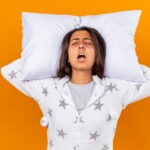

Sleep apnea symptoms in women can be different from the symptoms many people associate with sleep apnea. Loud snoring and obvious pauses in breathing can occur, but women may be more likely to notice daytime tiredness, insomnia, morning headaches, anxiety, depression, or frequent waking during the night. Because these symptoms can resemble stress, menopause, or other sleep problems, sleep apnea may go unrecognized.
Sleep apnea is a condition in which breathing repeatedly stops and starts during sleep. Obstructive sleep apnea (OSA), the most common type, occurs when the upper airway becomes blocked during sleep. Untreated sleep apnea can interfere with concentration, memory, mood, and daytime alertness and is associated with serious health risks.
What Are the Sleep Apnea Symptoms in Women?
Women may experience sleep apnea differently than men. Commonly reported symptoms include daytime sleepiness, persistent tiredness, morning headaches, insomnia, anxiety, depression, and frequent nighttime waking. Snoring may be absent or less noticeable, which can make the condition harder to recognize.
10 Common Sleep Apnea Symptoms in Women
1. Persistent daytime fatigue
Feeling exhausted despite spending enough time in bed can be an important clue. Repeated breathing disruptions can fragment sleep and reduce restorative sleep.
2. Excessive daytime sleepiness
You may feel unusually sleepy while working, reading, watching television, sitting in meetings, or traveling as a passenger. Severe sleepiness can affect attention and reaction time.
3. Insomnia or difficulty staying asleep
Some women primarily notice difficulty falling asleep, repeated awakenings, or trouble returning to sleep. Insomnia can therefore coexist with or mask sleep apnea.
4. Morning headaches
Recurring headaches after waking can occur with sleep apnea, particularly when combined with fatigue or disrupted sleep.
5. Frequent waking during the night
Breathing interruptions can trigger brief arousals that restore airflow but disrupt normal sleep cycles, even when you do not fully remember waking.
6. Snoring, gasping, or choking during sleep
Snoring can be a sign of obstructive sleep apnea, although not every woman with sleep apnea snores loudly. A partner may notice pauses in breathing, gasping, or choking.
7. Dry mouth or sore throat after waking
Waking with a dry mouth or irritated throat may occur when you breathe through your mouth during sleep. These symptoms are not specific to sleep apnea but can provide a useful clue when combined with other symptoms.
8. Trouble concentrating or remembering
Poor-quality sleep can affect attention, memory, decision-making, and mental sharpness. Persistent cognitive changes deserve evaluation.
9. Mood changes, anxiety, or low mood
Women with sleep apnea may report anxiety, depression, or irritability. These symptoms have many possible causes, so they should not automatically be attributed to sleep apnea.
10. Waking to urinate frequently
Repeated nighttime urination can occur with sleep apnea, although it has many other possible causes. Mention it to your healthcare provider if it occurs alongside other sleep-related symptoms.
Why Sleep Apnea May Look Different in Women
Sleep apnea is often associated with loud snoring and excessive sleepiness, but women may present with a broader group of symptoms. Insomnia, anxiety, nightmares, fatigue, headaches, and mood changes can make the condition harder to recognize.
These symptoms can also occur with menopause, stress, thyroid disorders, anemia, medications, and other health conditions. A healthcare professional should consider the full clinical picture rather than relying on snoring alone.
Sleep Apnea Symptoms During Pregnancy
Pregnancy can change the upper airway and breathing patterns and may increase the risk of sleep apnea or worsen existing sleep apnea. If you are pregnant and develop loud or worsening snoring, witnessed breathing pauses, gasping during sleep, or significant daytime sleepiness, discuss these symptoms with your prenatal care provider.
Sleep Apnea and Perimenopause or Menopause
The risk of obstructive sleep apnea increases during and after menopause. Hormonal changes may contribute, while hot flashes, night sweats, insomnia, fatigue, and headaches can make sleep apnea harder to identify.
If new sleep problems develop around perimenopause or menopause, ask whether sleep apnea should also be considered, particularly if there is snoring, gasping, witnessed breathing pauses, morning headaches, or significant daytime sleepiness.
What Causes Sleep Apnea in Women?
Risk factors for obstructive sleep apnea can include excess body weight, airway anatomy, age, hormonal changes, family history, alcohol use, smoking, and certain medical conditions. Not everyone with sleep apnea has obesity, and body size alone cannot determine whether someone has the condition.
Women may have increased risk during pregnancy and during or after menopause. Polycystic ovary syndrome (PCOS) may also be associated with increased sleep apnea risk.
How Is Sleep Apnea Diagnosed?
A healthcare professional may ask about symptoms, sleep habits, medical history, medications, and risk factors. A sleep study can help determine whether sleep apnea is present and how severe it is. Depending on the situation, testing may take place at a sleep center or involve an appropriate home sleep apnea test.
A sleep diary can help document sleep duration, awakenings, daytime sleepiness, and other patterns that may be useful during evaluation.
When Should Women See a Doctor About Sleep Apnea Symptoms?
Speak with a healthcare professional if you regularly experience unexplained daytime sleepiness, persistent fatigue, morning headaches, repeated nighttime awakenings, insomnia, or other signs of disrupted sleep—especially if someone notices that you stop breathing, gasp, choke, or snore during sleep.
Seek urgent medical attention for severe breathing difficulty, chest pain, fainting, severe confusion, or other emergency symptoms. Do not assume emergency symptoms are caused by sleep apnea.
Can Sleep Apnea Be Treated?
Yes. Treatment depends on the type and severity of sleep apnea and individual health needs. Options may include positive airway pressure therapy such as CPAP, lifestyle changes when appropriate, oral appliances for selected patients, positional strategies, and in some cases procedures or surgery. A healthcare professional should recommend treatment after diagnosis.
How Can You Track Possible Sleep Apnea Symptoms at Home?
- Record how many hours you sleep and how often you wake.
- Note morning headaches, dry mouth, or a sore throat.
- Track daytime fatigue or sleepiness.
- Ask a sleep partner whether they notice snoring, gasping, choking, or breathing pauses.
- Record nighttime urination.
- Note changes in concentration, mood, or memory.
These observations cannot diagnose sleep apnea, but they can provide useful information for a healthcare professional.
Frequently Asked Questions About Sleep Apnea Symptoms in Women
1. What are the most common sleep apnea symptoms in women?
Common symptoms include daytime fatigue or sleepiness, insomnia, morning headaches, frequent nighttime waking, anxiety, depression, and tiredness. Snoring, gasping, and breathing pauses can also occur.
2. Can a woman have sleep apnea without snoring?
Yes. Snoring is common, but women can have sleep apnea without obvious loud snoring. Fatigue, insomnia, headaches, or repeated awakenings may be important clues.
3. Can sleep apnea cause insomnia in women?
It can be associated with insomnia-like symptoms, including difficulty staying asleep and frequent awakenings. Persistent sleep problems should be evaluated because insomnia has many causes.
4. Can sleep apnea cause morning headaches?
Yes. Morning headaches are reported among people with sleep apnea. Recurrent headaches should be evaluated, especially when accompanied by daytime sleepiness or disrupted breathing.
5. Does menopause increase the risk of sleep apnea?
Yes. The risk of obstructive sleep apnea increases during and after menopause. Menopause-related sleep disruption can also make sleep apnea harder to recognize.
6. Can pregnancy cause sleep apnea?
Pregnancy can increase the risk of sleep apnea or worsen existing sleep apnea. Discuss new breathing-related sleep symptoms with your prenatal care provider.
7. Is daytime fatigue always caused by sleep apnea?
No. Fatigue can have many causes, including insufficient sleep, anemia, thyroid problems, medications, anxiety, depression, menopause, and infections.
8. How do I know if I need a sleep study?
A healthcare professional can determine whether testing is appropriate based on your symptoms, risk factors, and medical history. A sleep study can help diagnose sleep apnea and determine severity.
9. Can sleep apnea affect mental health?
Disrupted sleep can affect mood, concentration, and daytime functioning. Persistent anxiety, depression, or other mood symptoms should be professionally evaluated.
10. What should I do if I think I have sleep apnea?
Make an appointment with a healthcare professional and describe your sleep and daytime symptoms, including snoring, gasping, breathing pauses, insomnia, headaches, fatigue, and symptoms associated with pregnancy or menopause.
Key Takeaway
Sleep apnea symptoms in women may be subtle and are not always limited to loud snoring. Fatigue, excessive daytime sleepiness, insomnia, morning headaches, frequent awakenings, mood changes, and nighttime breathing disturbances can all be clues. Pregnancy, perimenopause, and menopause can also influence risk and symptoms.
If symptoms persist or interfere with daily life, talk with a healthcare professional rather than assuming they are simply caused by stress, aging, or poor sleep habits.
Sources
- National Heart, Lung, and Blood Institute: Sleep Apnea and Women
- National Heart, Lung, and Blood Institute: Sleep Apnea Symptoms
- National Heart, Lung, and Blood Institute: Sleep Apnea Diagnosis
- Office on Women’s Health: Sleep and Your Health
Medical disclaimer: This article is for educational purposes only and is not a substitute for professional medical advice, diagnosis, or treatment.