

## Quick Answer
Yes, a common cold can sometimes make your jaw hurt. A cold may lead to sinus inflammation and pressure around the cheeks and upper jaw, or cause ear pressure that is felt near the jaw. However, jaw pain is not a defining symptom of every cold. Dental problems, an ear infection and temporomandibular joint (TMJ) disorders can cause similar pain, so persistent, severe or one-sided symptoms should be assessed.
## Why can a cold cause jaw pain?
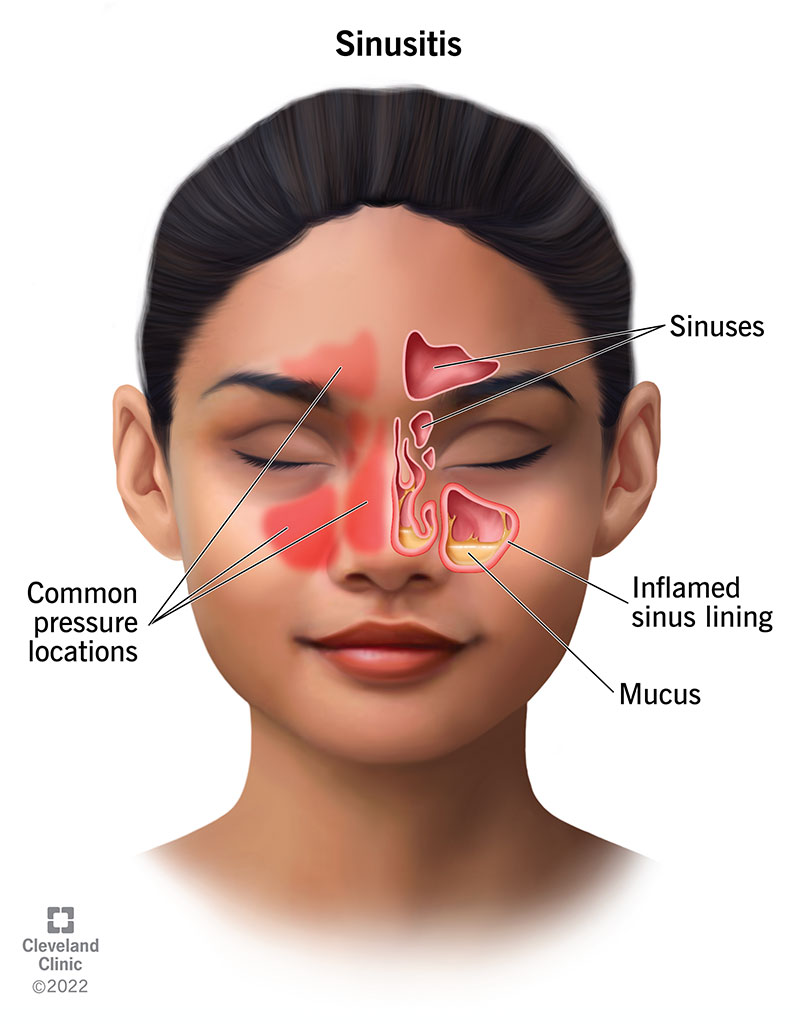
A cold is a viral infection of the upper respiratory tract. It can inflame the lining of the nose and sometimes block the openings that allow the sinuses to drain. The sinuses sit around the nose, eyes and cheeks. When the maxillary sinuses, located behind the cheekbones, become inflamed, pressure may be felt in the upper jaw or upper teeth.
A cold can also cause congestion around the Eustachian tubes, which connect the middle ears to the back of the nose and throat. Ear pressure or discomfort may be perceived around the side of the face and jaw.
These are possible explanations, not a diagnosis. Jaw pain during a cold can also be coincidental or caused by another condition.
## Common reasons your jaw may hurt when you have a cold
### 1. Sinus pressure
Sinus inflammation can cause facial pressure or tenderness around the cheeks. Because the roots of the upper teeth are close to the maxillary sinuses, discomfort may feel like upper toothache or upper-jaw pain. It may be more noticeable when bending forward and may occur with a blocked nose, nasal discharge or reduced sense of smell.
### 2. Ear pressure or an ear infection
Congestion can affect pressure equalisation in the middle ear. You may notice a blocked-ear sensation, popping, muffled hearing or discomfort near the jaw. A middle-ear infection can also develop during or after a respiratory infection and may cause ear pain, fever or hearing changes.
### 3. Swollen lymph nodes
Lymph nodes under the jaw and along the neck can become tender when your body responds to an infection. This may feel like soreness or a small tender lump beneath the jaw rather than pain inside the jaw joint.
### 4. Jaw clenching or muscle tension
Feeling unwell, sleeping poorly or clenching your teeth can strain the muscles around the jaw. This may cause aching near the cheeks or temples, especially when chewing or waking up.
### 5. A separate dental or jaw-joint problem
Tooth decay, gum infection, a cracked tooth and TMJ disorders can cause jaw pain. Pain that is focused on one tooth, worsens when biting, or continues after the cold improves may point to a dental cause rather than sinus pressure.
## How to tell whether the pain may be sinus-related
Sinus-related discomfort is more likely when jaw or upper-tooth pressure occurs together with nasal congestion, a runny nose, facial fullness, postnasal drip or reduced smell. Pain may affect the cheek area and feel like pressure rather than a sharp pain triggered by chewing.
A dental cause is more likely when one tooth is particularly sensitive to hot, cold or biting, or when there is gum swelling. TMJ-related pain may worsen when opening the mouth, chewing or moving the jaw and may come with clicking or limited movement.
Symptoms overlap, so these patterns cannot confirm the cause on their own.
## What can help relieve jaw discomfort during a cold?
If symptoms are mild and you have no warning signs, the following measures may help:
– Rest and drink enough fluids.
– Try a warm compress over the cheeks or jaw for comfort.
– Use saline nasal spray or a saline rinse prepared with sterile, distilled or previously boiled and cooled water.
– Choose softer foods temporarily if chewing is uncomfortable.
– Avoid chewing gum and very hard foods.
– Consider an over-the-counter pain reliever only if it is safe for you and you follow the label or a clinician’s advice.
Antibiotics do not treat an ordinary viral cold. Do not start antibiotics or use leftover prescription medicines without medical advice.
## When should you seek medical care?
Contact a healthcare professional if jaw pain is severe, keeps returning, is mainly on one side, or does not improve as the cold settles. Arrange an assessment if you have tooth pain, gum swelling, ear discharge, reduced hearing or symptoms that suggest a dental or ear infection.
For possible sinus infection, seek medical advice if symptoms last more than 10 days without improvement, become worse after initially improving, or include severe facial pain or a persistent fever.
Seek urgent care for facial or neck swelling, difficulty opening your mouth, swallowing or breathing, or rapidly worsening pain. Jaw pain accompanied by chest pressure, shortness of breath, sweating, faintness or pain spreading to the arm or back needs emergency assessment because it may be unrelated to a cold.
## Frequently asked questions
### Can sinus pressure cause pain in the lower jaw?
Sinus pressure most commonly affects the cheeks and upper teeth because the maxillary sinuses sit above the upper jaw. Lower-jaw pain is less typical and may have another cause, such as an ear, dental or jaw-joint problem.
### Can a cold cause pain near the ears and jaw?
It can. Nasal congestion may contribute to ear pressure, and discomfort from the ear or nearby structures can be felt around the jaw. Persistent ear pain, fever or hearing changes should be checked.
### How long should jaw pain from a cold last?
If discomfort is related to temporary congestion, it should generally improve as the respiratory symptoms settle. There is no fixed timeline for every person. Pain that persists, worsens or remains after the cold improves should be assessed.
### Should I see a dentist or a doctor?
Choose a dentist if pain is focused on a tooth, worsens with biting, or comes with gum swelling. A doctor or other healthcare professional can assess nasal, sinus, ear or general symptoms. If you are unsure, start with a general medical assessment.
## Key Takeaway
A cold can contribute to jaw discomfort through sinus inflammation, facial pressure or ear congestion, but it is not the only possible cause. Notice whether the pain is linked to nasal symptoms, a specific tooth or jaw movement. Get medical or dental advice if it is severe, persistent or accompanied by concerning symptoms.
*This article is for general education and is not a substitute for individual medical or dental advice.*