


Secondary Keywords (Informational Intent)
- teeth bonding results before after
- dental bonding pros and cons
- tooth bonding procedure steps
- composite bonding smile transformation
- how long does dental bonding last
- bonding vs veneers differences
- chipped tooth bonding repair
- teeth gap bonding before after
- dental bonding maintenance tips
- is tooth bonding worth it
Introduction: The Subtle Power of Small Fixes
Bonded teeth before and after photos often look like magic. But let’s be real. It’s not magic. It’s precision, skill, and a bit of artistry. Dental bonding is one of those quiet upgrades. It doesn’t scream for attention, yet it changes everything. A chipped edge disappears. A gap softens. A stain fades into the background. Suddenly, your smile feels… complete.
Here’s the thing though. People expect dramatic, movie-style transformations. That’s not always the case. Bonding works best for small to moderate fixes. It’s not a total rebuild. Think of it like polishing a rough stone instead of replacing it. The results can still be impressive. But they depend on expectations, dentist skill, and how well you care for your teeth after.
So if you’re wondering whether bonded teeth before and after results are worth it, this guide lays it all out. No fluff. Just clear, practical insights.
1. What Is Dental Bonding Really?
Dental bonding uses a tooth-colored resin. It’s shaped and applied directly onto your teeth. Then it’s hardened with a special light. Sounds simple. And honestly, it kind of is. That’s why it’s popular.
But don’t confuse simple with basic. The process requires precision. The dentist must match color, shape, and contour. If done right, the bonded area blends seamlessly. If done poorly, it stands out. There’s no hiding it.
Bonding is typically used for chips, cracks, discoloration, and small gaps. It can also make short teeth look longer. The biggest advantage? It preserves your natural tooth structure. No heavy drilling. No major alterations.
Still, it’s not permanent. And it’s not as strong as other treatments. That’s the trade-off. You get quick results with minimal invasion. But you’ll need maintenance over time.
2. Bonded Teeth Before and After: What Changes Visually?
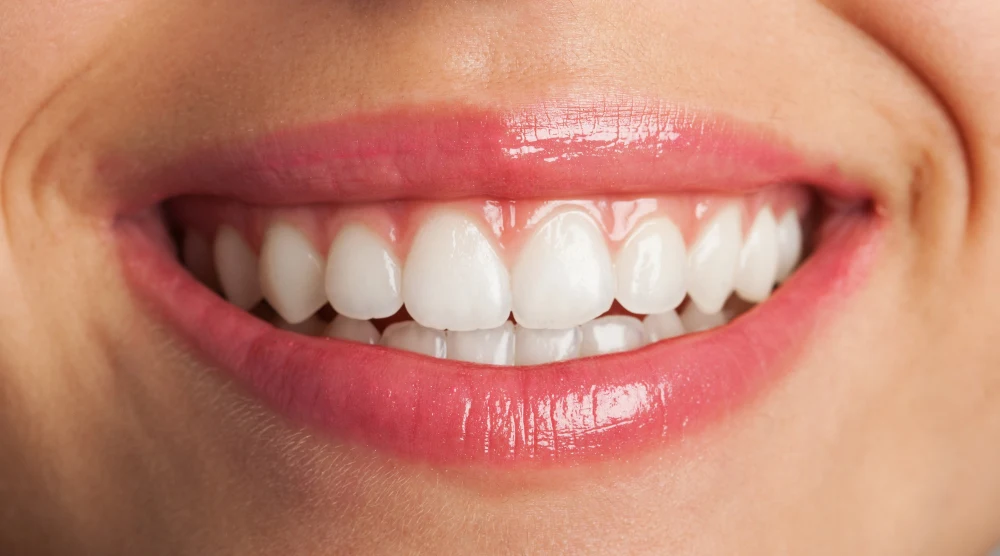
Let’s talk about the transformation. Before bonding, you might notice uneven edges, gaps, or stains. Your teeth may look worn or slightly out of alignment. After bonding, those imperfections are softened or gone.
The biggest visual shift? Symmetry. Human eyes love balance. Bonding restores that balance. Even small changes can make your smile look healthier and more polished.
Color is another factor. The resin can be matched to your natural teeth. So stains and discoloration fade into uniformity. It’s not whitening, but it can enhance brightness.
However, don’t expect perfection. Bonding improves, not replaces. If your teeth are severely crooked or damaged, other treatments might be better.
Still, for minor flaws, the before and after difference can feel like a glow-up. Not dramatic. But definitely noticeable.
3. Who Is a Good Candidate for Dental Bonding?
Not everyone is an ideal fit. And that’s where many people get it wrong. Bonding works best for people with minor cosmetic issues. Think small chips, tiny gaps, or slight discoloration.
If you grind your teeth a lot, bonding may not last long. The material isn’t as strong as enamel. It can chip under pressure. Same goes for people who bite nails or chew on hard objects.
Good oral hygiene is also key. Bonding doesn’t protect against decay. If anything, it requires more attention. Poor hygiene can lead to staining or damage around the bonded area.
So before chasing bonded teeth before and after results, ask yourself this. Are your expectations realistic? And are your habits supportive of long-term care?
If yes, you’re likely a solid candidate.
4. The Procedure: Step-by-Step Breakdown
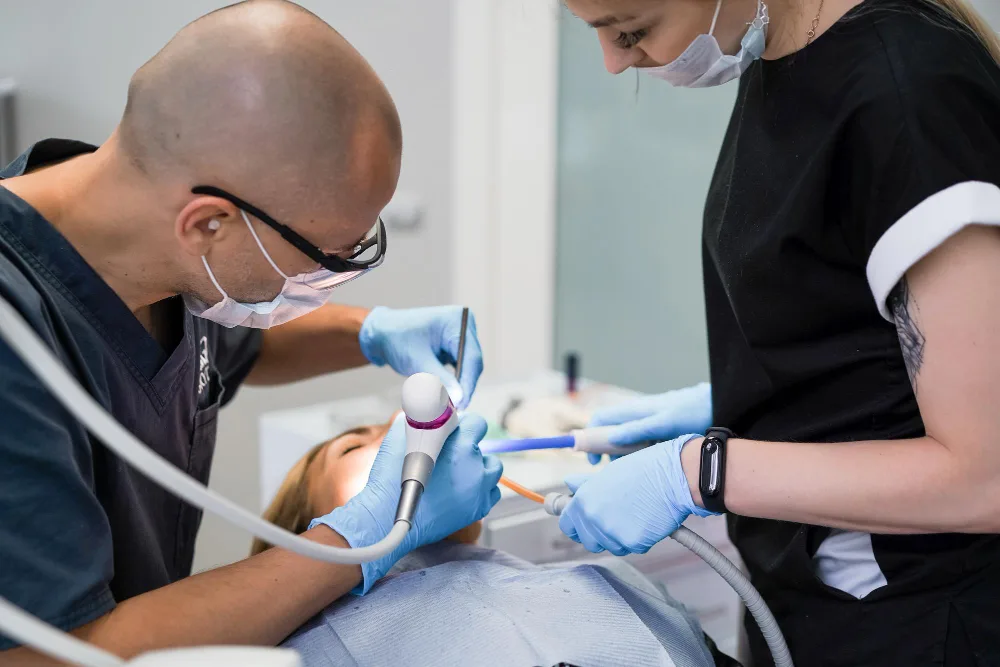
Here’s how it usually goes. First, the dentist selects a resin shade that matches your teeth. Then the tooth surface is slightly roughened. This helps the material stick better.
Next, a conditioning liquid is applied. Then comes the resin. It’s molded and shaped carefully. This is where skill really matters. The dentist sculpts the material to match your natural tooth.
After shaping, a special light hardens the resin. Once it sets, the dentist trims and polishes it. The goal is a smooth, natural finish.
The whole process is quick. Often done in one visit. No anesthesia in most cases. That’s a huge plus.
But quick doesn’t mean careless. The quality depends heavily on attention to detail.
5. Pros of Bonded Teeth Before and After Results
Let’s be honest. Bonding has some strong advantages. First, it’s affordable compared to other cosmetic options. That makes it accessible.
Second, it’s minimally invasive. Your natural tooth stays mostly intact. That’s a big deal.
Third, the results are immediate. You walk in with flaws. You walk out with improvements.
Also, it’s versatile. Chips, gaps, discoloration—bonding handles all of them reasonably well.
But here’s the catch. It’s not the most durable option. And it may require touch-ups over time.
Still, for quick fixes and budget-friendly improvements, bonding delivers solid value.
6. Cons You Shouldn’t Ignore
Now let’s flip the coin. Bonding isn’t perfect. The material can stain over time. Coffee, tea, and smoking don’t help.
It’s also less durable than alternatives. It can chip or wear down. Especially if you’re rough on your teeth.
Longevity is another concern. Bonding typically lasts a few years. Not decades.
And repairs? They’re possible, but not always seamless. Sometimes the entire bonding needs replacement.
So yeah, bonded teeth before and after results look great initially. But they require upkeep.
If you’re looking for a long-term, low-maintenance solution, bonding may not be your best bet.
7. Bonding vs Other Cosmetic Options
Here’s where things get interesting. Bonding often gets compared to veneers and crowns.
Bonding is cheaper and less invasive. Veneers last longer and resist stains better. Crowns are stronger but require more tooth reduction.
So what’s the move? It depends on your goals. If you want a quick fix, bonding works. If you want durability, other options might win.
Think of bonding as a short-to-medium term solution. It’s not a forever fix. And that’s okay.
The key is alignment. Your expectations should match what bonding can realistically deliver.
8. How Long Do Bonded Teeth Last?
Let’s talk lifespan. On average, bonding lasts 3 to 10 years. That’s a wide range. Why? Because it depends on you.
Habits matter. Bite force matters. Oral hygiene matters. Even your diet plays a role.
If you treat your bonded teeth gently, they last longer. If you’re careless, they won’t.
Regular dental visits also help. Small issues can be fixed before they become big problems.
So yes, bonded teeth before and after results look great. But maintaining them is a commitment.
9. Before and After: Emotional Impact
This part gets overlooked. But it’s real. A better smile boosts confidence. It changes how you speak, laugh, and interact.
People often report feeling more comfortable in social settings. They smile more. They hide less.
It’s not just about looks. It’s about perception. Both yours and others’.
Still, don’t expect bonding to fix deeper insecurities. It helps. But it’s not a cure-all.
Confidence comes from within. Bonding just gives it a little push.
10. Maintenance Tips That Actually Work
Want your bonding to last? Keep it simple.
Brush twice daily. Floss regularly. Avoid biting hard objects. Limit staining foods and drinks.
Also, don’t skip dental check-ups. Small fixes can extend the life of bonding.
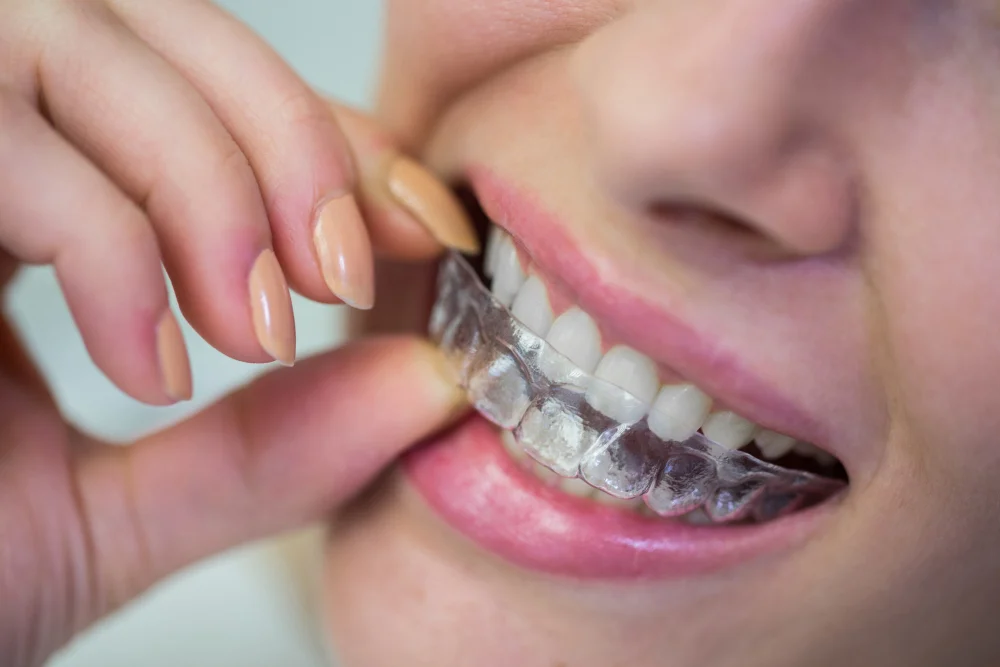
And if you grind your teeth, consider a night guard.
Consistency beats perfection here. Take care of your teeth, and they’ll take care of you.
11. Common Mistakes People Make
Biggest mistake? Unrealistic expectations. Bonding isn’t a miracle.
Another one? Poor aftercare. People think the job is done after the procedure. It’s not.
Also, choosing based on price alone. Skill matters more than cost.
So slow down. Do your research. Ask questions. Make informed choices.
12. Is Tooth Bonding Worth It?
Short answer? It depends.
If you want quick, affordable improvements, yes. If you want long-term perfection, maybe not.
Bonding sits in that middle ground. Not basic. Not premium. Just practical.
And sometimes, practical is exactly what you need.
Conclusion: Small Changes, Big Difference
Bonded teeth before and after results show one thing clearly. Small changes can shift your entire look.
It’s not about perfection. It’s about refinement. About taking what you already have and making it better.
So if you’re considering bonding, go in informed. Stay realistic. And commit to maintenance.
That’s how you get results that actually last.
FAQs
1. Does dental bonding hurt?
No. It’s usually painless and doesn’t require anesthesia.
2. How long does the procedure take?
Typically 30 to 60 minutes per tooth.
3. Can bonded teeth stain?
Yes. Especially with coffee, tea, or smoking.
4. Is bonding reversible?
Mostly yes, since minimal enamel is removed.
5. Can bonding fix large gaps?
Only small to moderate gaps.
6. How do I maintain bonded teeth?
Good hygiene and regular dental visits.
7. Is bonding better than veneers?
Depends on your goals and budget.
8. Can bonding break easily?
It can chip if not cared for properly.
9. Do bonded teeth feel natural?
Yes, when done correctly.
10. How often does bonding need replacement?
Every few years, depending on wear.
A Gentle Next Step
If you’re exploring ways to improve your smile and want grounded, reliable health insights, you might find it useful to browse through Cureaware. It’s simply a place to gather clarity, compare options, and make decisions with a bit more confidence—no pressure, just information.