

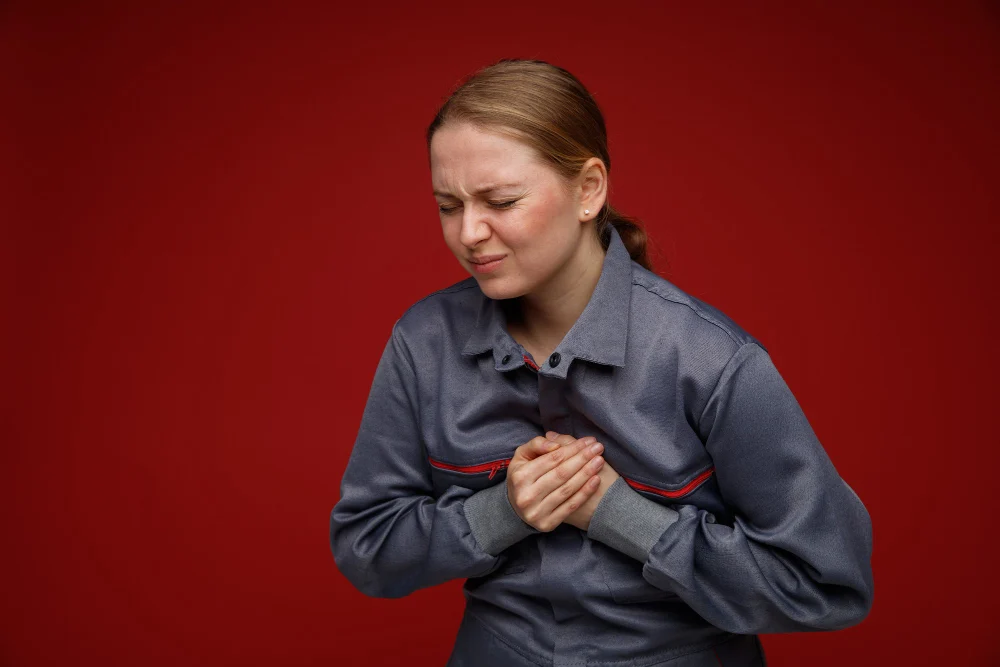
There is no reliable home method that can stop a heart attack in 30 seconds. A heart attack happens when blood flow to part of the heart muscle is blocked, and it requires prompt medical evaluation and treatment. If symptoms suggest a heart attack, the priority is getting emergency medical help rather than trying an internet remedy.
Common Warning Signs
- Pressure, squeezing, fullness or pain in the chest
- Pain or discomfort spreading to the arm, shoulder, back, neck or jaw
- Shortness of breath
- Cold sweating
- Nausea or vomiting
- Sudden unusual weakness or lightheadedness
Symptoms can differ, particularly among women, older adults and people with diabetes. Some heart attacks cause mild or less typical symptoms.
What Should You Do?
If you think you or someone else may be having a heart attack, contact emergency medical services immediately. Stop strenuous activity and sit or rest while waiting for help. Follow the emergency operator’s instructions. If the person becomes unresponsive and is not breathing normally, begin CPR and use an automated external defibrillator if available and appropriate.
Why Fast Action Matters
Heart muscle can be damaged when blood flow is blocked. Medical teams can assess the heart, provide appropriate medicines, restore blood flow when indicated, and monitor for dangerous complications. The sooner appropriate care begins, the better the chance of limiting damage.
What About Aspirin?
Aspirin may be recommended in some suspected heart attacks, but it is not appropriate for everyone. Allergy, bleeding risk, certain medical conditions and other factors matter. Follow local emergency guidance and professional instructions rather than taking aspirin automatically.
What Not to Rely On
Do not depend on coughing, drinking water, supplements, essential oils, extreme exercise or other supposed instant remedies to stop a heart attack. None should replace emergency care.
Final Thoughts
The safest response to possible heart-attack symptoms is rapid emergency evaluation. There is no guaranteed 30-second cure. Recognizing warning signs and acting quickly can be far more important than trying an unproven home technique.
Frequently Asked Questions
Can a heart attack stop on its own?
Symptoms can change or temporarily improve, but that does not mean the underlying problem is safe. Medical evaluation is still important.
Should I drive myself to the hospital?
Emergency medical transport is generally safer because trained responders can begin assessment and treatment during transport.